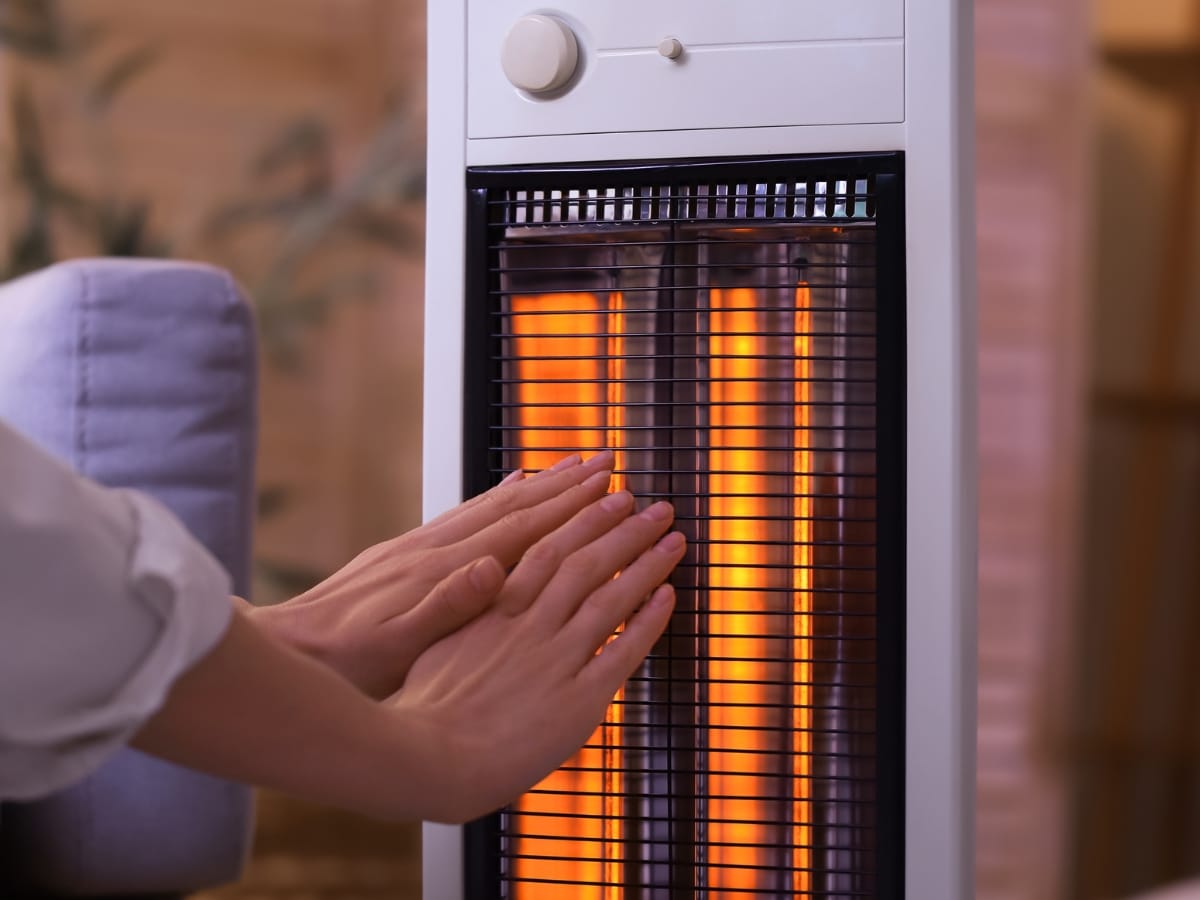
Home heating has come a long way from wood-burning fireplaces and coal stoves to today’s high-efficiency systems. The evolution of home heating technologies reflects a shift toward greater comfort, improved energy efficiency, and smarter control over indoor environments.
Modern systems now offer advanced features like programmable thermostats, zoned heating, and energy-saving designs that reduce waste while maintaining consistent temperatures. Along the way, innovations in fuel sources, system design, and insulation have transformed how homes stay warm during colder months.
Understanding how heating technology has developed over time provides insight into why today’s systems are more reliable and cost-effective, and how continued advancements are shaping the future of home comfort.
The way homes are kept warm has changed a great deal over time. Early methods relied on simple heat sources, while modern systems are designed for efficiency, consistency, and control. The evolution of heating reflects both technological progress and changing expectations around comfort and energy use.
Today, homeowners have access to a wide range of heating options, each built to meet different needs. Understanding how these systems developed makes it easier to see why certain technologies are used today and how they continue to improve.
In the earliest homes, heating was basic and often inefficient. Open fires were the primary source of warmth, usually located in a central area of the home. While they provided heat, much of it was lost through ventilation, and controlling indoor temperature was difficult.
As construction methods improved, fireplaces became more structured and were often paired with chimneys to direct smoke outside. This was a step forward in safety, but it still did not solve the issue of uneven heat distribution. Rooms farther from the fire often remained cold, and fuel use was high.
Over time, these limitations led to the development of enclosed stoves. These systems retained heat better and used fuel more efficiently. They marked an important transition toward more controlled heating methods.
The introduction of central heating changed how homes were designed and experienced. Instead of relying on a single heat source, these systems distribute warmth throughout the entire house.
Steam and hot water systems were among the first versions of central heating. They used boilers to heat water, which then moved through pipes to radiators placed in different rooms. This allowed for more even temperatures and improved comfort across the home.
Later developments introduced forced air systems. These systems used ducts and vents to circulate warm air, making it easier to heat larger spaces quickly. With the addition of thermostats, homeowners gained more control over indoor temperatures, which improved both comfort and energy use.
This shift marked a major step forward in making heating more reliable and adaptable to different living environments.
Modern heating systems are designed with efficiency in mind. Advances in technology have made it possible to reduce energy consumption while maintaining consistent indoor temperatures.
High-efficiency furnaces, heat pumps, and hybrid systems are now common in many homes. These systems are built to use less energy while producing the same level of warmth. Improved insulation and better building materials also support these systems by reducing heat loss.
Smart controls have added another layer of convenience. Programmable thermostats allow homeowners to adjust heating schedules based on daily routines, which helps reduce unnecessary energy use. Some systems can even be controlled remotely, making it easier to manage comfort levels throughout the day.
These improvements reflect a growing focus on balancing performance with sustainability.
Heating technology continues to evolve as new solutions are developed. There is increasing interest in systems that rely on renewable energy sources, as well as designs that further reduce environmental impact.
Emerging technologies focus on improving efficiency, lowering emissions, and integrating with other smart home features. As these systems become more widely available, homeowners will have more options for creating comfortable and energy-conscious living spaces.
The evolution of heating shows a clear shift toward smarter, more efficient solutions. By understanding how these systems have developed, it becomes easier to make informed decisions about the best approach for modern homes.

The history of heating is closely tied to how homes have evolved over time. Early systems focused on basic survival, while modern approaches prioritize efficiency, safety, and comfort. Each stage of development reflects an effort to improve how heat is generated and distributed within living spaces.
As new materials and technologies became available, heating methods gradually shifted from simple and labor-intensive setups to more controlled and reliable systems. Understanding this progression helps explain why today’s heating options are designed the way they are.
Early heating methods relied heavily on open flames, usually placed in a central area of the home. These fires provided warmth, but they were difficult to control and often inefficient. Much of the heat escaped through ventilation, leaving parts of the home cold while also increasing the risk of smoke exposure.
Daily life revolved around maintaining these heat sources. Gathering fuel, managing the fire, and dealing with ash were constant tasks. Wood and coal were the primary fuels, and both required regular attention to keep the home warm.
As communities grew and homes became more structured, the limitations of these methods became clearer. Safety concerns, uneven heating, and poor air quality all pushed the need for better solutions. These challenges set the stage for more advanced heating systems.
Fireplaces and wood stoves marked an important step forward in the development of heating. Unlike open fires, these systems were designed to contain heat more effectively and direct smoke away from living spaces. This made homes safer and more comfortable.
Fireplaces became a common feature in many homes, offering a more stable and controlled heat source. Wood stoves improved on this further by enclosing the fire and allowing heat to radiate more efficiently into the room. These systems reduced fuel waste and made it easier to maintain consistent warmth.
Even with these improvements, challenges remained. Heating was still localized, meaning rooms farther from the source often stayed cooler. Fuel use was still high, and emissions from burning solid materials continued to affect indoor air quality.
Despite these drawbacks, fireplaces and stoves played a key role in shaping future heating developments by introducing the idea of controlled and contained heat.
The move toward radiant and central heating marked a major shift in how homes were warmed. Instead of relying on a single heat source, these systems focused on distributing heat evenly throughout the entire space.
Radiant heating systems use heated surfaces, such as floors or panels, to provide consistent warmth. This approach improved comfort by eliminating cold spots and creating a more balanced indoor temperature.
Central heating systems took this idea further by using boilers or furnaces to generate heat and then distributing it through pipes or ducts. Steam and hot water systems were among the earliest examples, using radiators to release heat into each room.
The addition of thermostats introduced a new level of control. Homeowners could adjust temperatures based on their needs, making heating more efficient and easier to manage. This shift reduced energy waste and improved overall comfort.
The development of heating systems over time has shaped the way modern homes are designed. Each improvement built on earlier ideas, leading to systems that are more efficient and adaptable.
Today’s heating solutions focus on consistent performance, lower energy use, and improved indoor air quality. While the technology has changed, the goal remains the same: to create a comfortable and safe environment.
By looking at how heating has evolved, it becomes easier to understand the importance of efficiency and thoughtful design in modern systems.
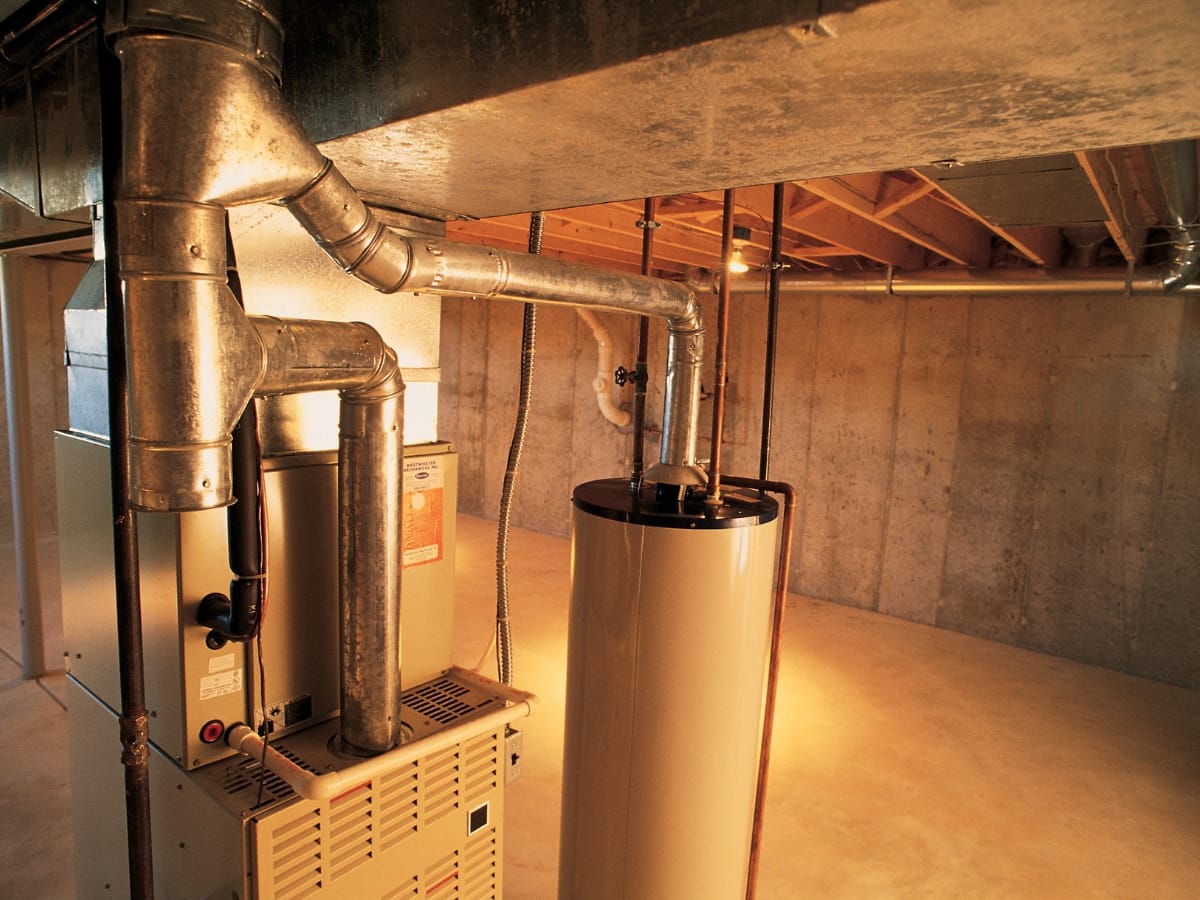
Modern heating systems are built around efficiency, consistency, and ease of use. Unlike older setups that relied on a single heat source, today’s systems are designed to manage temperature, airflow, and air quality together. This shift has made it easier to maintain a comfortable indoor environment without constant adjustment.
One of the biggest changes is the integration of heating with ventilation and cooling. Instead of treating each function separately, modern systems bring them together into one coordinated setup. This allows for better control over indoor conditions while also improving how energy is used.
Technology has played a major role in this transition. Smart controls, improved insulation, and better system design all contribute to more reliable heating performance. As a result, homeowners can maintain steady temperatures while using less energy over time.
Modern HVAC systems are designed to handle multiple aspects of indoor comfort at once. They manage heating, airflow, and air quality through a connected system that works across the entire home. This approach makes it easier to maintain consistent temperatures in every room rather than relying on isolated heat sources.
One of the main advantages of these systems is improved energy efficiency. Sensors and programmable thermostats allow heating to adjust based on how the home is used. For example, temperatures can be lowered when no one is home and increased when needed. This reduces unnecessary energy use without affecting comfort.
Indoor air quality is another important benefit. Modern systems can filter out dust, allergens, and other particles, which helps create a cleaner living environment. Proper airflow also reduces humidity buildup, which can improve overall comfort.
Convenience is a key part of modern heating as well. Many systems can be controlled remotely through mobile devices, making it easier to adjust settings throughout the day. These features simplify daily routines and allow for more precise temperature control.
Heat pumps have become a common part of modern heating systems because of their flexibility. Instead of generating heat directly, they transfer heat from one place to another. This makes them more efficient in many situations, especially in moderate climates.
When combined with central heating systems, heat pumps can provide a balanced approach to temperature control. Central systems distribute warm air or water throughout the home, while the heat pump helps regulate how that heat is produced. This combination allows the system to adjust based on outdoor conditions and indoor needs.
During colder periods, a central system can provide additional support when needed. In milder conditions, the heat pump can handle most of the heating demand on its own. This reduces reliance on more energy-intensive methods and helps improve overall efficiency.
The ability to both heat and cool also adds value. A single system can manage temperature throughout the year, which simplifies maintenance and reduces the need for separate equipment.
Another key development in modern heating is the use of renewable energy sources. Systems that incorporate solar or geothermal energy offer a way to reduce environmental impact while maintaining reliable performance.
Solar-assisted heating systems can supplement traditional setups by providing additional energy during the day. Geothermal systems use stable ground temperatures to help regulate indoor conditions. Both approaches support long-term efficiency and reduce dependence on conventional fuel sources.
These options are becoming more common as homeowners look for ways to improve sustainability without sacrificing comfort.
Modern heating systems continue to improve as new technologies are introduced. The focus remains on creating systems that are efficient, adaptable, and easy to manage.
By combining smart controls, advanced system design, and renewable energy options, today’s heating solutions offer a level of performance that was not possible in earlier systems. This ongoing evolution reflects a shift toward more practical and energy-conscious home environments.
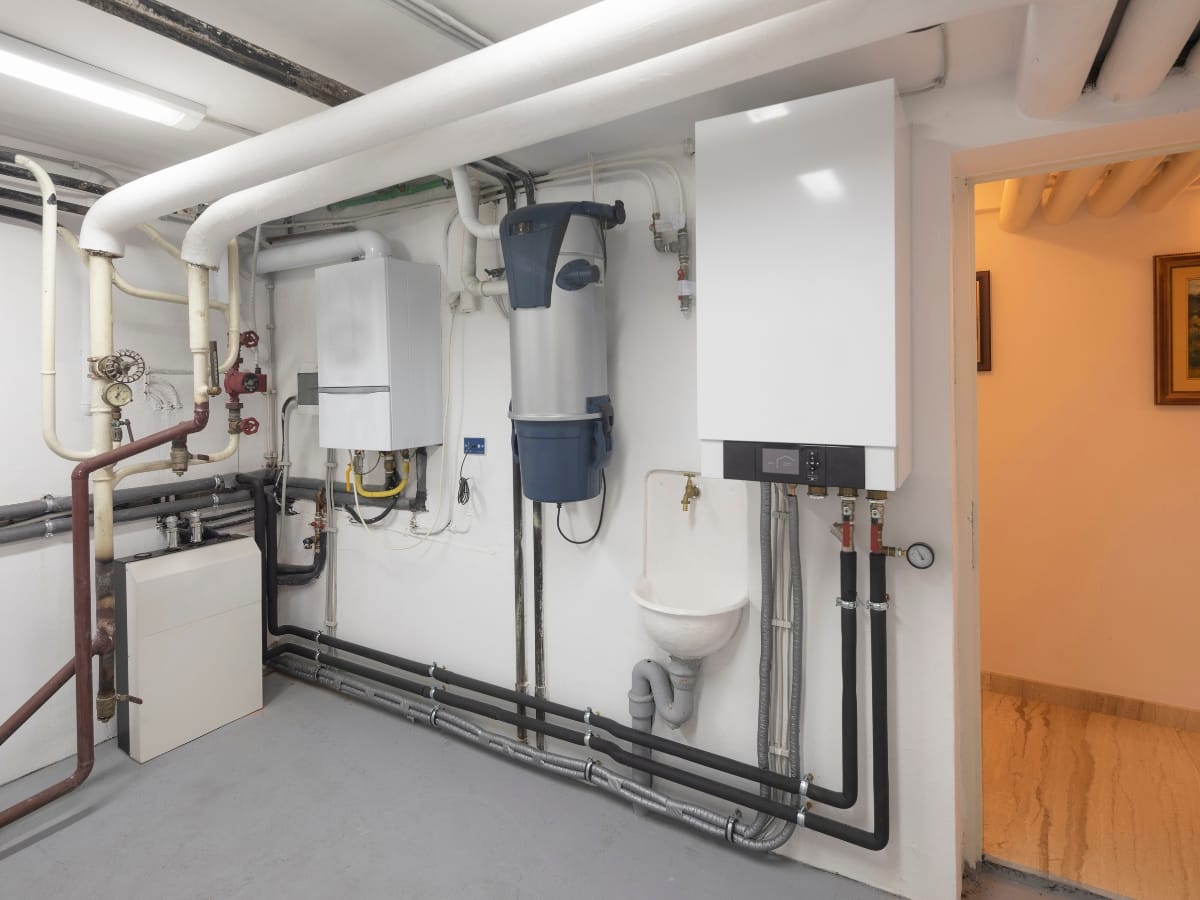
Choosing the right heating system depends on how a home is used, the local climate, and long-term energy goals. Modern options are designed to balance performance with efficiency, but each system works differently. Understanding these differences helps homeowners make better decisions about comfort and operating costs.
Most homes rely on one primary system, but some use a combination to improve efficiency. The main types of heating systems include furnaces, heat pumps, and radiant heating, each offering distinct benefits depending on the setup.
Furnaces remain one of the most widely used heating systems. They generate heat using gas, electricity, or oil and distribute it through ductwork. This allows warm air to reach multiple rooms quickly, making furnaces a practical option for larger homes or colder climates.
Heat pumps work differently. Instead of creating heat, they move it from one place to another. During colder months, they pull heat from the outside air or ground and bring it indoors.
Because of this process, they often use less energy than traditional systems. They can also provide cooling, which makes them a versatile option for year-round temperature control.
Radiant heating focuses on warming surfaces rather than the air. Floors or walls are heated, and that warmth spreads evenly throughout the room. This creates a more consistent indoor temperature and reduces the drafts that can occur with forced air systems. Radiant heating is often chosen for its comfort and quiet operation.
Each of these systems supports a different approach to heating, so the best choice depends on how the space is used and what level of control is needed.
Furnaces vary based on the type of fuel they use, and each option affects efficiency, cost, and maintenance.
Gas furnaces are often preferred for their balance of performance and operating cost. They tend to heat spaces quickly and can reach high efficiency levels when properly maintained. For many homeowners, they offer a reliable solution for consistent heating.
Electric furnaces are simpler in design and typically easier to install. They require less maintenance because there is no combustion process involved. However, electricity costs can be higher in some areas, which may affect long-term operating expenses.
Oil furnaces are less common but still used in certain regions. They produce strong heat output and can be effective in colder climates. At the same time, they usually require more maintenance and fuel storage, which adds to overall upkeep.
When comparing these options, it helps to consider not only the upfront installation but also ongoing fuel costs and maintenance needs.
Heating systems have become more efficient as technology has advanced. One of the main ways this is measured is through efficiency ratings, which indicate how much energy is converted into usable heat.
Older systems often lost a significant amount of heat during operation. Modern systems are designed to reduce that loss, allowing more of the energy used to directly warm the home. Many current furnaces operate at efficiency levels above 90 percent, which represents a major improvement over earlier models.
Advancements such as improved burners, sealed systems, and variable-speed components have helped drive these gains. These features allow heating systems to adjust output based on demand, rather than running at full capacity all the time. This reduces energy use while maintaining steady indoor temperatures.
With several options available, selecting the right heating system comes down to how well it fits the home’s layout and daily needs. Some households benefit from the fast response of a furnace, while others prefer the efficiency of a heat pump or the consistency of radiant heating.
By understanding how each system works, homeowners can choose a solution that balances comfort, efficiency, and long-term performance.
Heating technology continues to move toward greater efficiency and smarter control. Recent innovations focus on reducing energy waste while improving comfort in everyday use. Instead of relying only on stronger equipment, newer systems aim to use energy more effectively and adapt to how people actually live in their homes.
One of the biggest changes is the use of connected technology. Systems can now respond to real-time conditions, adjusting output based on temperature, occupancy, and time of day. This shift allows heating to feel more consistent without running at full capacity all the time.
At the same time, there is a growing focus on sustainability. Many newer systems are designed to work alongside renewable energy sources, helping reduce reliance on traditional fuels while maintaining reliable performance.
The future of heating is being shaped by a combination of smarter systems and improved materials. Homeowners are becoming more aware of energy use, and this is driving demand for solutions that offer both efficiency and long-term savings.
Smart home integration is one of the most noticeable trends. Heating systems are no longer isolated units. They are part of a broader network that includes sensors, automation, and remote control features. This allows systems to adjust automatically rather than relying on manual changes.
Another area of development is building materials. Advances in insulation and thermal storage are helping homes retain heat more effectively. Some materials are designed to absorb and release heat gradually, which helps maintain stable indoor temperatures and reduces the need for constant system output.
These changes are not limited to equipment alone. They reflect a broader approach where the home itself plays a role in how heating performs.
Smart thermostats have become a central feature in modern heating systems. They allow homeowners to set schedules, adjust temperatures remotely, and track energy use over time. More advanced models can learn patterns and make automatic adjustments based on daily routines.
This level of control helps reduce unnecessary energy use. For example, heating can be lowered when the home is empty and increased before occupants return. Over time, these small adjustments can lead to noticeable savings without affecting comfort.
Sustainable solutions are also becoming more common. Systems that use solar energy or draw heat from the environment offer an alternative to traditional fuel-based heating. These options are designed to work alongside existing systems or replace them entirely, depending on the setup.
The combination of smart controls and cleaner energy sources is changing how heating is managed in everyday life.
Heat pumps are expected to play a larger role in the future of heating because of their efficiency and flexibility. Unlike systems that generate heat directly, heat pumps transfer heat from the air or ground into the home. This process requires less energy in many conditions, making it a practical option for reducing overall consumption.
Another advantage is their ability to handle both heating and cooling. A single system can maintain comfort throughout the year, which simplifies equipment needs and maintenance. As technology improves, heat pumps are becoming more effective in a wider range of climates.
Their compatibility with renewable energy sources also supports long-term sustainability goals. When paired with solar or other energy systems, they can further reduce dependence on traditional fuels.
Recent advancements show that heating is moving toward smarter, more efficient solutions rather than simply more powerful ones. Systems are becoming better at adapting to real conditions, which improves comfort while reducing waste.
As technology continues to develop, homeowners will have more options to create efficient and reliable heating systems that fit their needs.
From wood-burning stoves to today’s smart, energy-efficient heat pumps and hybrid systems, home heating technology has evolved dramatically, offering homeowners unprecedented control over comfort, efficiency, and environmental impact.
Modern innovations—including zoned heating, variable-speed compressors, and app-controlled thermostats—deliver customized warmth while significantly reducing energy consumption. For expert guidance in selecting and installing the right heating solution for your Atlanta home, trust CoolPro Heating & Cooling.
Ready to experience the future of home comfort? Fill out our site form for a service request or call 770-694-6232 today to explore how today’s heating technologies can transform your home’s efficiency and comfort.