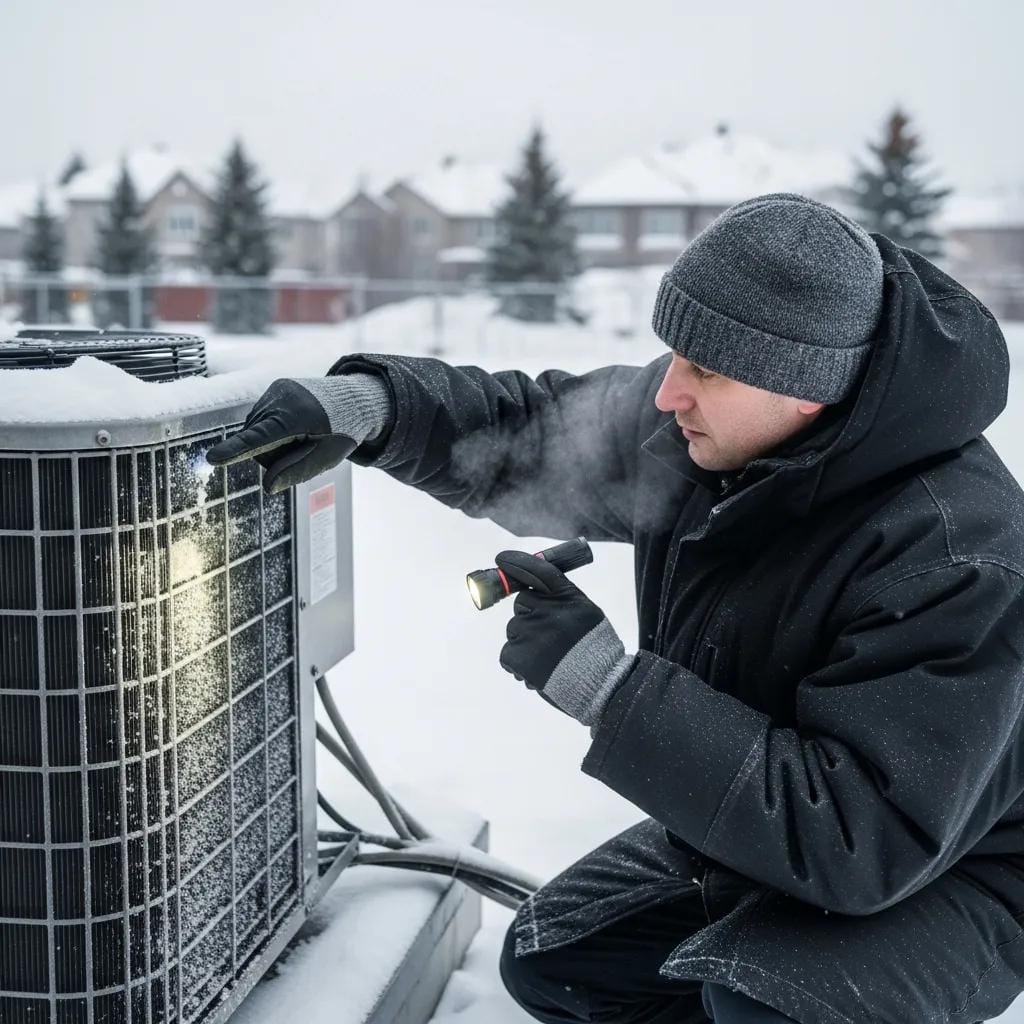
Scheduling a furnace tune-up in December is one of the smartest preventative steps Metro Atlanta homeowners can take to ensure reliable, efficient, and safe heating throughout the peak of winter. Before temperatures drop consistently and holiday gatherings begin, a professional inspection can catch minor issues—from dirty filters and faulty igniters to carbon monoxide risks—that could lead to unexpected breakdowns or dangerous conditions. In this guide, we’ll explain why this timing is optimal for both your comfort and your budget, helping you enter the coldest months with confidence and peace of mind.
Furnace Tune-Up: Why December Is the Pro-Recommended Time
Why Is December Ideal for Furnace Tune-Ups in Metro Atlanta?
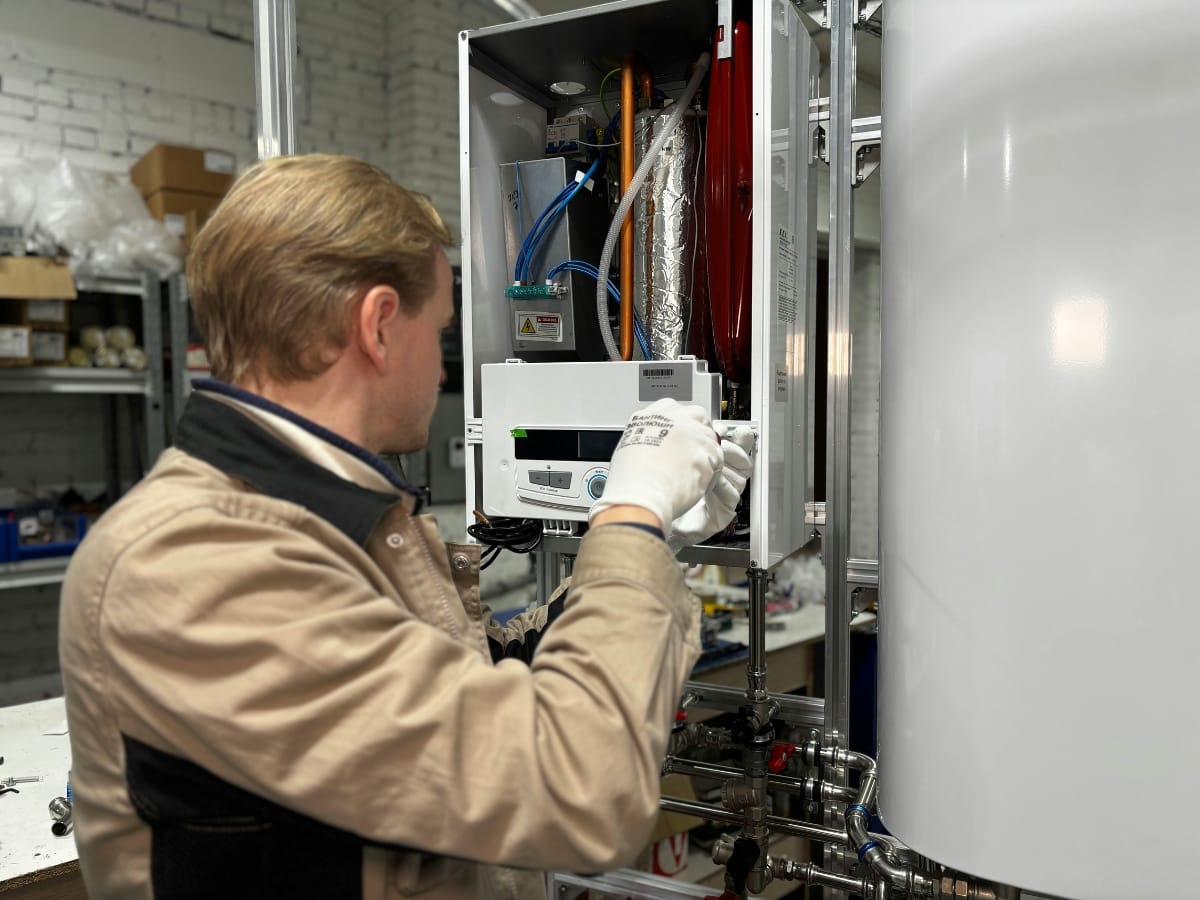
December usually marks the point when Metro Atlanta moves from occasional chilly nights to consistent heating days. That shift is exactly why it is a smart time to schedule furnace tune-ups. After sitting idle through a long, humid summer, your heating system is suddenly asked to run for hours at a time. Any weak spots in ignition, dirty burners, restricted airflow, or marginal safety controls tend to show up right at this moment. Having a technician inspect and adjust the system in December means those problems are caught before they turn into no-heat calls on the coldest nights.
There is also a timing advantage from an energy and budget perspective. When furnace tune-ups are completed early in the heating season, any efficiency gains apply directly to the coldest billing cycles. Clean burners, proper gas pressure, and clear filters help the system use less energy to deliver the same comfort. You avoid paying for wasted fuel or electricity and reduce the odds of surprise repairs at the same time. December falls in the sweet spot where you can see how your furnace behaves under real load, but you are not yet competing with a wave of emergency calls after a deep freeze.
How Atlanta Winter Weather Patterns Support December Service
Atlanta winters are often mild, but the pattern of short, sharp cold snaps followed by warmer days creates a unique kind of stress on heating equipment. Those swings can cause condensation in flue pipes, thermal expansion and contraction in heat exchangers, and repeated cycling of ignition components. Over time, that combination can corrode metal parts, weaken seals, and expose small cracks or leaks that are not obvious during a quick start-up in the fall.
Scheduling furnace tune-ups in December gives technicians a chance to see how the system is performing under real winter conditions, not just during a brief test run. They can listen for unusual noises, check for proper draft, verify flame patterns, and confirm that safety controls respond correctly as the furnace cycles. In a climate like Atlanta, this timing matters because many homes do not have the heavy insulation or design features found in colder regions. Identifying issues before the coldest nights arrive reduces the risk of losing heat at a time when repair schedules are already full, and parts may be harder to source quickly.
Benefits Of Scheduling Tune-Ups Before The Holiday Season
The weeks leading into the holidays are some of the busiest of the year for both households and businesses. Having furnace tune-ups completed before guests arrive or staff schedules tighten provides peace of mind that the building will stay comfortable during gatherings, travel, and adjusted operating hours. A well-maintained furnace is less likely to fail on a weekend or evening when many service providers are booked or operating on limited hours.
Pre-holiday maintenance also gives technicians time to go beyond basic safety checks. They can balance airflow to reduce hot and cold spots, confirm thermostat accuracy, and suggest small adjustments that improve comfort in living rooms, guest spaces, or high-traffic areas. If minor repairs or part replacements are needed, there is still room in the calendar to get them done without rush decisions. Planning ahead in this way lets furnace tune-ups support both comfort and reliability through the holiday season and into the coldest part of winter, instead of scrambling to solve problems after they disrupt plans.
What Are The Key Benefits Of A December Furnace Tune-Up?
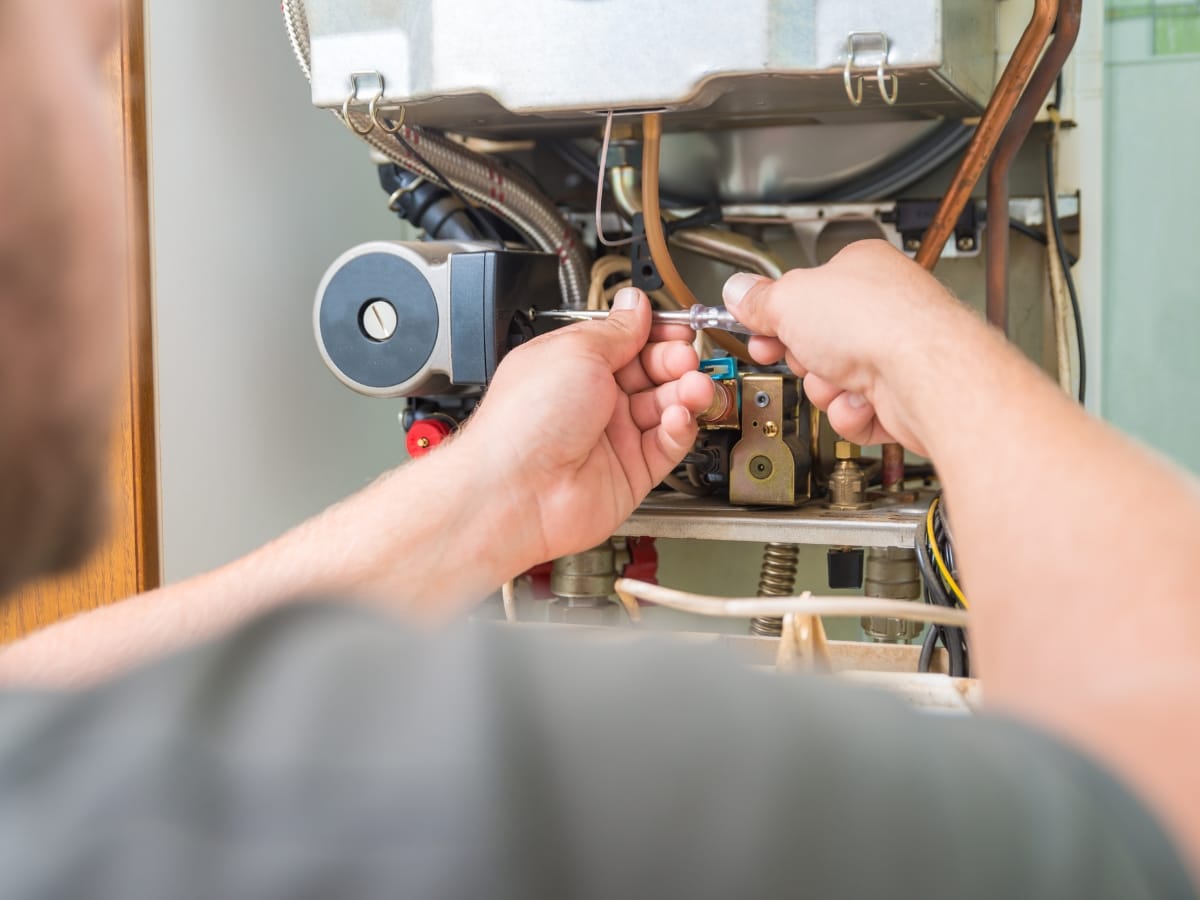
A December furnace tune-up delivers three big wins at once: better efficiency, stronger safety protection, and longer equipment life. Because systems are already running under early winter demand, technicians can see how your furnace behaves in real conditions instead of during a quick pre-season start-up. Cleaning burners and blower components, checking airflow, and calibrating controls reduce wasted energy right when your heating bills are highest. At the same time, focused safety checks look for carbon monoxide risks and electrical issues that matter most when the furnace is running for long stretches every day.
For many homes and light commercial spaces, well-timed furnace tune-ups turn into measurable savings over the coldest billing cycle. Small issues such as a partially clogged filter, a dirty flame sensor, or loose electrical connections quietly increase consumption and raise the likelihood of a mid-season breakdown. By dealing with those problems in December rather than waiting for a failure, you avoid emergency pricing, last-minute scheduling stress, and unnecessary discomfort when temperatures drop.
How Furnace Tune-Ups Improve Efficiency, Safety, And Lifespan
The benefits of a December visit are easy to connect to specific steps in a standard service. When a technician cleans burners, adjusts gas pressure, checks blower speed, and confirms duct airflow, the system can move heat more efficiently throughout the building. In many typical situations, that kind of work translates into energy use that is reduced by roughly 5 to 15 percent, depending on the starting condition of the equipment and ductwork.
Safety gains are just as important. A careful inspection of the heat exchanger, combined with carbon monoxide testing and vent checks, helps identify cracks, corrosion, or drafting problems that could allow combustion gases into occupied spaces. Electrical inspections look for loose connections or failing components that might cause shorts or intermittent shutdowns. Together, these steps lower the risk of carbon monoxide exposure, nuisance trips, and hazardous electrical faults during the months when your furnace runs the most.
Routine lubrication of moving parts, tightening electrical connections, and making small control adjustments also support longer service life. When motors and blowers operate within their designed ranges and components are not fighting against dirt or poor airflow, they experience less wear. Over time, that means fewer major repairs and a better chance of reaching or exceeding the expected lifespan of the system.
| Benefit | Mechanism | Typical Impact |
|---|---|---|
| Energy savings | Cleaning and calibration of burners, blower, and airflow | Often improves operational efficiency by roughly 5 to 15 percent |
| Safety | Heat exchanger inspection and carbon monoxide testing | Reduces carbon monoxide risk and identifies hazards earlier |
| Lifespan | Lubrication, electrical tightening, and adjustments | Helps extend serviceable life and protects warranty conditions where applicable |
Why A December Tune-Up Is A Smart Preventive Investment
When you look at those benefits together, a December furnace tune-up becomes less of a seasonal chore and more of a preventive investment. Lower utility bills come from improved combustion and airflow during the coldest months. Enhanced safety follows from targeted inspections that focus on carbon monoxide control, proper venting, and electrical integrity. Fewer emergencies result from catching small faults before they turn into failures on the coldest nights of the year.
For homeowners and property managers who want steady comfort and predictable costs through winter, scheduling furnace tune-ups in December is a practical way to combine efficiency, safety, and reliability into a single, well-timed visit.
What Does a CoolPro Furnace Tune-Up Include in December?
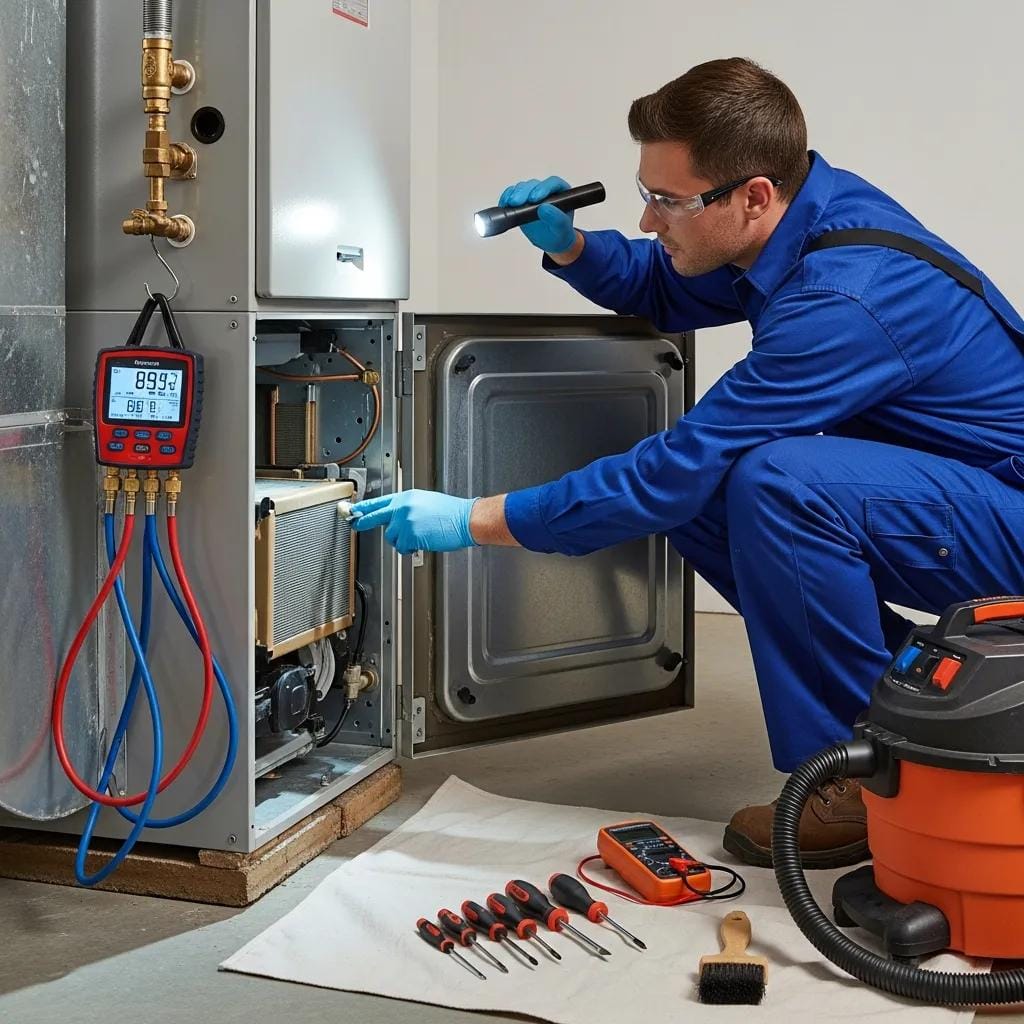
A December furnace tune-up from CoolPro is a structured, technician-led visit that focuses on how your system actually performs under real winter demand. Rather than a quick visual check, it is a sequence of inspections, cleaning tasks, adjustments, and safety tests designed to keep Atlanta homes and businesses warm, efficient, and protected during the coldest weeks of the year. The goal is simple: optimize combustion, confirm proper airflow, and verify that carbon monoxide and electrical safety standards are being met before your system is running around the clock.
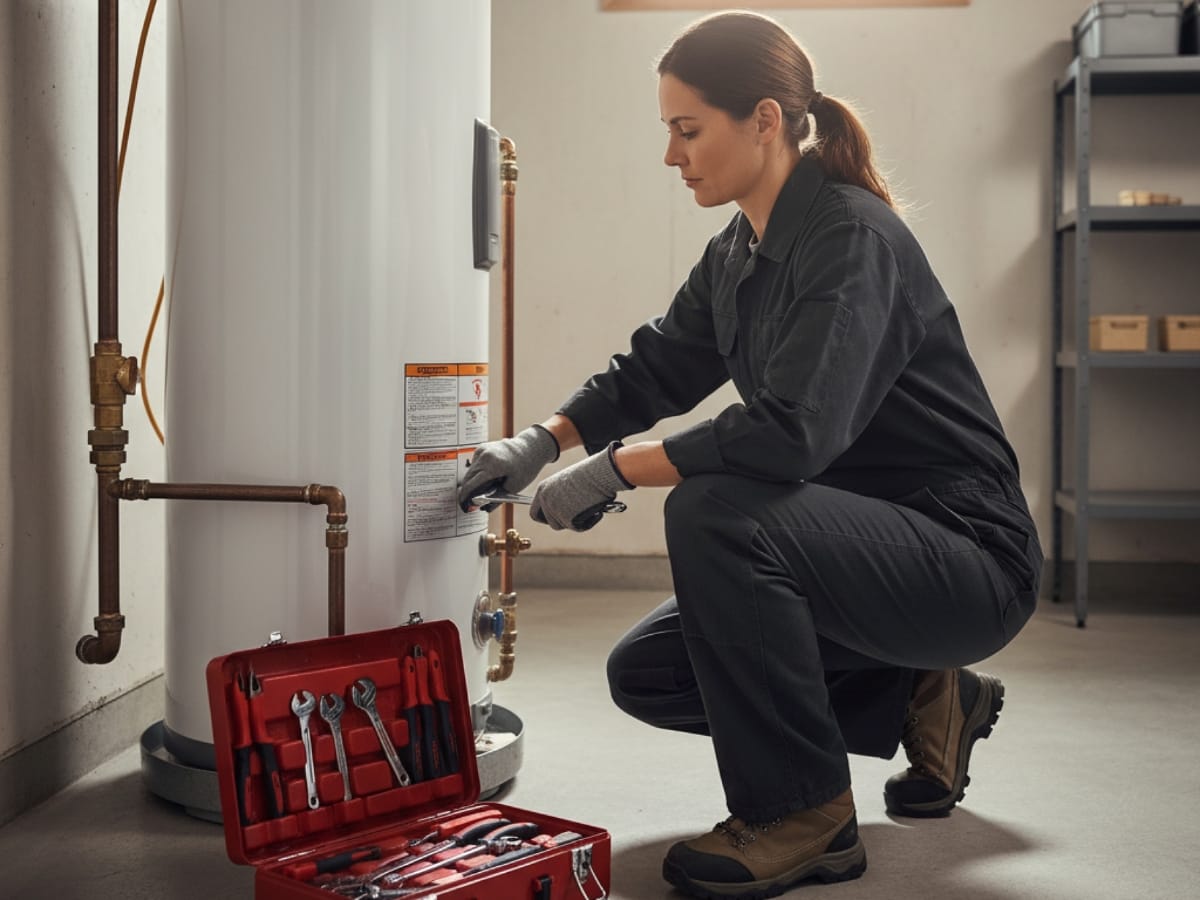
During a typical CoolPro furnace tune-up, the technician begins with the core safety components. The heat exchanger is inspected for cracks, corrosion, or other damage that could allow combustion gases to leak into occupied spaces. Burners are cleaned and adjusted so the flame pattern is even and stable, and the ignition system is tested to make sure starts are reliable. At the same time, gas pressure and distribution are checked, which helps maintain consistent performance across all heating cycles.
Once combustion is operating correctly, attention shifts to airflow and distribution. The blower motor and wheel are inspected and cleaned, and any accessible dust buildup is removed so air can move freely. Filters are replaced or evaluated, with recommendations for higher efficiency options when appropriate. This combination of blower work and filtration keeps air moving smoothly through the duct system, supports even temperatures from room to room, and reduces strain on the equipment.
Key Checks That Protect Safety And Efficiency
The electrical and control systems are another critical part of a December visit. The technician tightens electrical connections, checks wiring for wear, and tests safety controls and limit switches that protect against overheating. Thermostats are calibrated and verified so set points match actual indoor temperatures, which helps prevent short cycling and discomfort. Venting and flue paths are measured for proper draft, and condensate lines and traps are inspected on high-efficiency models to be sure they are clear and draining correctly.
Carbon monoxide monitoring is built into the service. Readings are taken at the furnace and, when appropriate, in nearby living areas to confirm that combustion gases are being routed outdoors as intended. Seals, insulation around the cabinet, and other AFUE-related details are also reviewed so the system can hold on to as much usable heat as possible. Where manufacturer guidelines call for it, moving components are lubricated to reduce friction and noise and to help motors last longer.
At the end of the furnace tune-up, CoolPro provides a written report that summarizes what was inspected, what was cleaned or adjusted, and any issues that were found. Items are usually prioritized so you can see which recommendations are urgent for safety, which are important for efficiency, and which are optional improvements that can be planned for a future visit.
How A December Furnace Tune-Up Pays Off
Taken together, these steps turn a December appointment into more than a seasonal check box. By cleaning burners and blower components, confirming airflow, and tightening electrical connections, the system can often run noticeably more efficiently during the highest demand period of the year. Heat exchanger inspections and carbon monoxide testing add a layer of protection that many owners never see but rely on every time the furnace starts.
For Metro Atlanta properties, where winter weather can shift quickly from mild to freezing, having a full furnace tune-up completed in December means the system is ready before the longest run times arrive. Small problems are caught early, comfort is easier to maintain, and the risk of surprise breakdowns on the coldest nights is much lower.d heat exchanger or elevated CO reading — our technicians will recommend immediate remediation and document next steps for you.
Is It Too Late To Schedule A Furnace Tune-Up In December?
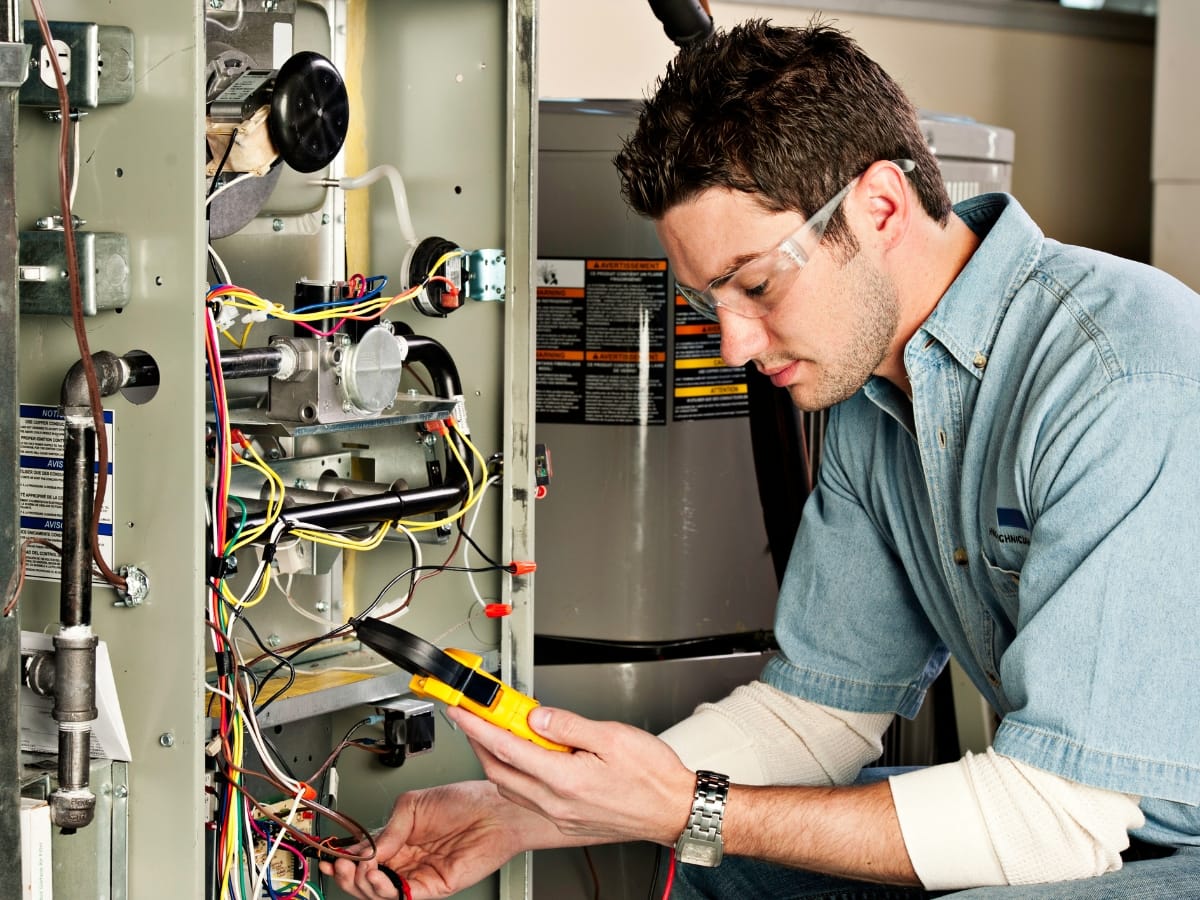
It is not too late to schedule a furnace tune-up in December, especially in Metro Atlanta where heating systems often move from light use to daily demand very quickly. Even if the season is already underway, a thorough inspection and tune-up can still uncover problems that have started to appear under real load, such as weak ignition, restricted airflow, or developing vent blockages. Addressing these issues now lowers the risk of a breakdown on one of the coldest nights of the year and helps your system run more efficiently for the rest of the season.
A winter furnace tune-up also delivers benefits you can feel right away. Small adjustments to combustion, airflow, and thermostat calibration often translate into more even temperatures from room to room and fewer hot and cold spots. Because December and January usually bring the highest heating bills, any efficiency gains from a furnace tune-up show up directly on those statements. In that sense, late-season maintenance is still a practical investment rather than something you only do in early fall.
Why Late-Season Maintenance Still Matters In Metro Atlanta
For Metro Atlanta homeowners and businesses, late-season maintenance is especially valuable because it is performed when the furnace is already working regularly. Technicians can observe how the system behaves during real heating cycles instead of relying on quick off-season test runs. That makes it easier to spot symptoms like short cycling, noisy starts, or weak airflow that might not be obvious when the unit only runs briefly.
During a December furnace tune-up, most professionals focus on the components that tend to cause emergency calls. Igniters, flame sensors, blower motors, filters, and flue passages are all checked and cleaned or adjusted as needed. Finding a part that is close to failure and replacing it during a scheduled visit is far less stressful than facing a no-heat situation during a cold snap. In a climate where temperatures can drop sharply overnight, knowing that your system has been inspected recently gives you more confidence that it will keep up when you need it most.
How December Tune-Ups Help You Avoid Emergency Repairs
A well-timed furnace tune-up in December helps prevent emergencies by catching minor issues before they become major failures. For example, a weak igniter or dirty flame sensor can cause intermittent operation long before the furnace stops completely. A tune-up lets a technician identify and correct these problems early, which reduces the chances of a sudden shutdown and an urgent service call. The same is true for worn blower components and partially blocked vents, which can be addressed during routine maintenance instead of during an outage.
Another benefit of a December furnace tune-up is the documentation it provides. When a technician records system condition, test readings, and recommended follow-up work, future troubleshooting becomes faster and more precise. If larger repairs are needed later in the season, that history can save both time and money.
Companies like CoolPro Heating and Cooling that specialize in furnace tune-up services for Metro Atlanta can also help you think ahead. Many homeowners choose to pair a December visit with a maintenance plan or a discussion about budgeting for future upgrades. Taken together, these steps turn a single furnace tune-up into part of a broader strategy for reliable, efficient heating throughout the winter.
Frequently Asked Questions
What should I expect during a furnace tune-up?
Expect a qualified technician to perform inspections and maintenance designed to keep your heating system running safely and efficiently. We’ll check the heat exchanger for cracks, clean and adjust burners, verify ignition operation, and test safety controls. We’ll also inspect airflow, clean the blower motor, and check for carbon monoxide. The goal is better performance, longer equipment life, and fewer emergency repairs.
How often should I schedule a furnace tune-up?
We recommend a furnace tune-up at least once a year, ideally as heating starts. For Metro Atlanta residents, December is often the most useful time because it coincides with early sustained use. Regular maintenance helps systems run efficiently, lowers energy bills, and reduces the chance of unexpected breakdowns. Older units or systems with past issues may benefit from more frequent checks.
Can I perform any maintenance on my furnace myself?
You can do basic tasks like replacing air filters and keeping vents clear, but most maintenance is best left to trained technicians. Professionals have the tools and experience to safely inspect complex components — heat exchangers, ignition systems, gas lines — and attempting advanced work yourself can create safety hazards, including carbon monoxide leaks or fire risks. For comprehensive inspections and repairs, call a certified technician.
What are the signs that my furnace needs a tune-up?
Look for warning signs such as unusual noises (banging, rattling), uneven heating, rising energy bills, or strange odors. Frequent cycling on and off or a yellow flame instead of a steady blue one are also indicators. Addressing these issues early can prevent bigger problems and keep your system safe and efficient.
How can I prepare for a furnace tune-up appointment?
Clear the area around your furnace so the technician has easy access. If you have past maintenance records, have them handy — they help us understand your system’s history. Note any specific concerns to discuss during the visit, and plan to be available for questions and to review recommendations at the end of the service.
What financing options are available for furnace repairs or upgrades?
Many HVAC providers, including CoolPro Heating and Cooling, offer financing to make repairs and upgrades more affordable. Options can include payment plans or partnerships with lenders like Wells Fargo. Ask about financing when scheduling service so you can plan for any larger repairs or replacement work.
Conclusion
Scheduling a furnace tune-up in December is one of the smartest moves a Metro Atlanta homeowner can make. This proactive step ensures your system runs efficiently and safely during the peak of winter, preventing mid-season breakdowns, improving air quality, and lowering your energy bills. At CoolPro Heating & Cooling, our certified HVAC technicians provide thorough, pre-holiday inspections to deliver peace of mind and reliable warmth when you need it most. Don’t wait for the cold to reveal a problem. Send us a message or call 770-694-6232 today to book your December tune-up. Enjoy a cozy, worry-free winter with confidence.