As winter temperatures dip in Atlanta, protecting your home from frozen pipes and HVAC damage becomes critical to avoid costly repairs and inconvenient breakdowns. Proactive measures like insulating exposed plumbing, sealing drafts, and winterizing your outdoor HVAC unit can prevent ice blockages, burst pipes, and system failures that disrupt comfort and safety. In this guide, we’ll walk you through essential steps to prevent frozen pipes and safeguard your home’s vital systems, ensuring they remain operational and efficient throughout Atlanta’s coldest months.
Prevent Frozen Pipes and HVAC Damage Every Homeowner Should Know
What Are The Main Causes And Risks Of Frozen Pipes And HVAC Damage In Atlanta?
In Atlanta, most winter problems come down to two issues: water freezing inside exposed plumbing and heating equipment being pushed hard after going too long without maintenance. When temperatures drop quickly, pipes expand and contract, and HVAC systems cycle more often, which increases the chances of a burst pipe or mechanical failure. The real cost of delaying preparation shows up later as water damage, mold, emergency repair bills, and even business downtime. If you want to prevent frozen pipes without overspending, it helps to understand where your property is most vulnerable.
Short, intermittent cold snaps are one of the biggest local triggers. A night or two below freezing is enough to put pipes in attics, crawlspaces, and exterior walls at risk, especially in buildings that were not designed for long winters. Older homes and small commercial spaces in Atlanta often have limited or missing pipe insulation, which makes it easier for standing water to freeze. Any gaps where pipes pass through walls or floors let cold air reach plumbing and outdoor equipment, and hoses left connected to exterior spigots can trap water that freezes and pushes back into supply lines.
On the mechanical side, deferred HVAC upkeep is a quiet but important factor. Clogged filters, worn controls, and underperforming heat pumps are more likely to fail when temperatures drop and systems run longer hours. That combination of unprotected plumbing and stressed HVAC equipment raises the risk of frozen lines, leaks, and no-heat calls right when demand is highest. Addressing these weak points early is one of the most effective ways to prevent frozen pipes and reduce winter HVAC emergencies.
How Does Atlanta’s Winter Climate Affect Pipes And HVAC Systems?
Atlanta winters are usually mild, but they are broken up by short cold snaps that can take temperatures below freezing overnight. Because those freezes are brief, many buildings are not fully winterized. Pipes in unconditioned attics, ventilated crawlspaces, and exterior wall cavities can ice up quickly, even if daytime temperatures bounce back. Older construction with thin walls or exterior pipe routes is particularly vulnerable.
For HVAC systems, these sudden temperature swings create heavy, short term demand. Furnaces and heat pumps that have not been recently serviced may already be operating below peak efficiency. When a cold front hits, they are forced to run longer and cycle more often, increasing the chances of breakdowns, frozen condensate lines, or icing on outdoor coils. Preparing for this pattern means planning for intermittent freezes, not just long stretches of cold, and putting simple steps in place to prevent frozen pipes and avoid unnecessary strain on your equipment.
What Are The Common Signs Of Frozen Pipes And HVAC Problems?
Catching early warning signs saves time and limits damage. Plumbing problems often show up first as no water at a tap, noticeably reduced flow, or intermittent flow when temperatures are low. You may see frost or a light layer of ice on exposed pipes, or notice bulging sections and stressed joints where ice is expanding inside the line. Any of these signs suggests that water is freezing somewhere in the system and pressure is building, which increases the risk of a burst.
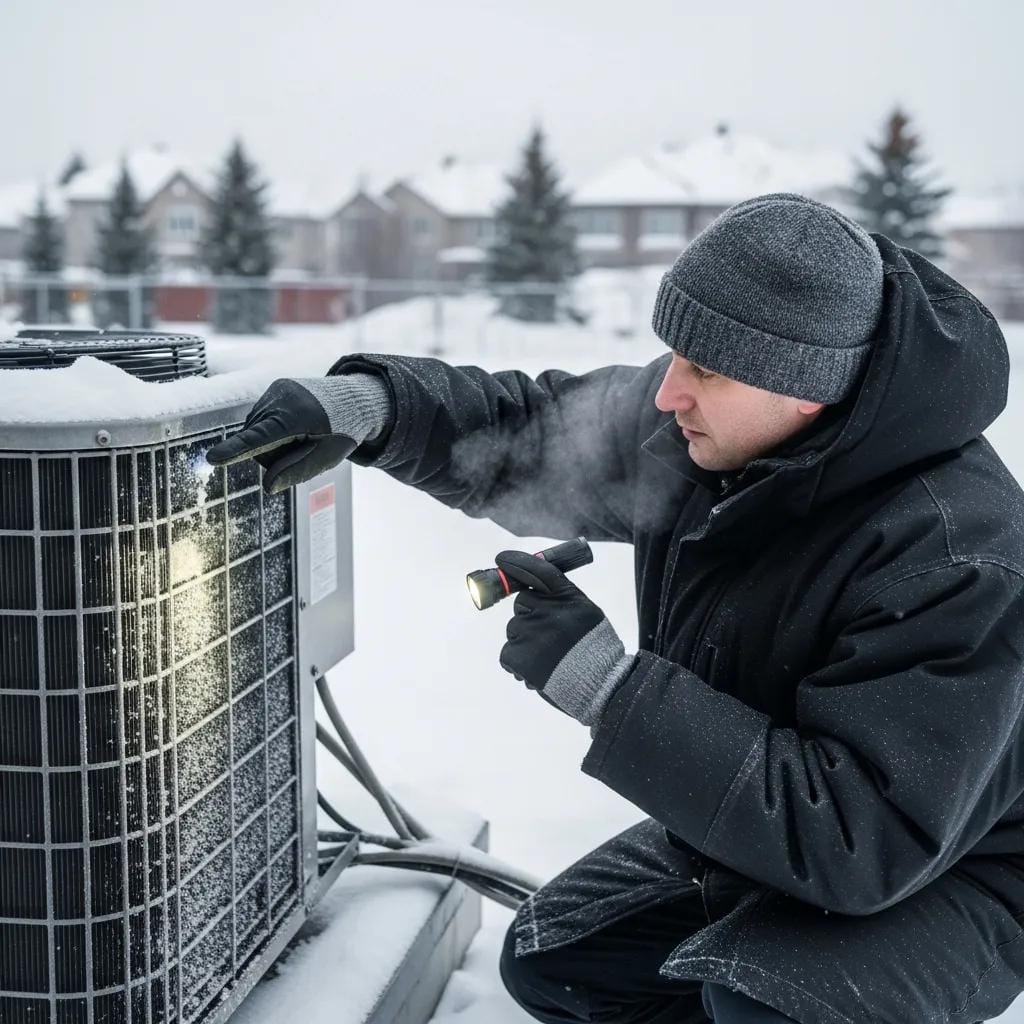
HVAC issues have their own set of clues. Watch for short cycling, where the system turns on and off more often than usual, weak or uneven heat output, unusual smells when the system first starts, or grinding and clicking noises from the blower or compressor. Visible ice buildup on outdoor heat pump coils or around refrigerant lines is another signal that the system is struggling in cold weather.
Make a habit of checking vulnerable areas during cold spells, including attics, crawlspaces, exterior wall runs, and outdoor units. Act quickly if you notice a patch of frost on a pipe, a sudden drop in water pressure, or a change in system noise. Early attention can turn what might have been a major winter emergency into a manageable repair and is one of the simplest ways to prevent frozen pipes and related HVAC damage in Atlanta properties.
How Can You Prevent Frozen Pipes in Your Atlanta Home or Business?
To prevent frozen pipes in Metro Atlanta, you need a mix of protection, stable indoor temperatures, and a clear plan for emergencies. The goal is to keep water in your plumbing from reaching freezing temperatures, especially in attics, crawlspaces, exterior walls, and unheated utility rooms. At the same time, you want to be able to shut the system down quickly if a problem does occur, so damage stays contained.
Why Frozen Pipes Are A Problem In Atlanta
Even in Metro Atlanta, short cold snaps can be enough to freeze water in unprotected lines. Pipes in attics, crawlspaces, garages, and exterior walls are especially vulnerable because temperatures drop faster in those spaces. When water freezes, it expands inside the pipe, which can lead to cracks or full bursts once things start to thaw. If you want to prevent frozen pipes and the water damage that comes with them, it helps to tackle insulation, drafts, indoor temperatures, and emergency shutoffs in a planned way.
Insulate Exposed Pipes In Unheated Areas
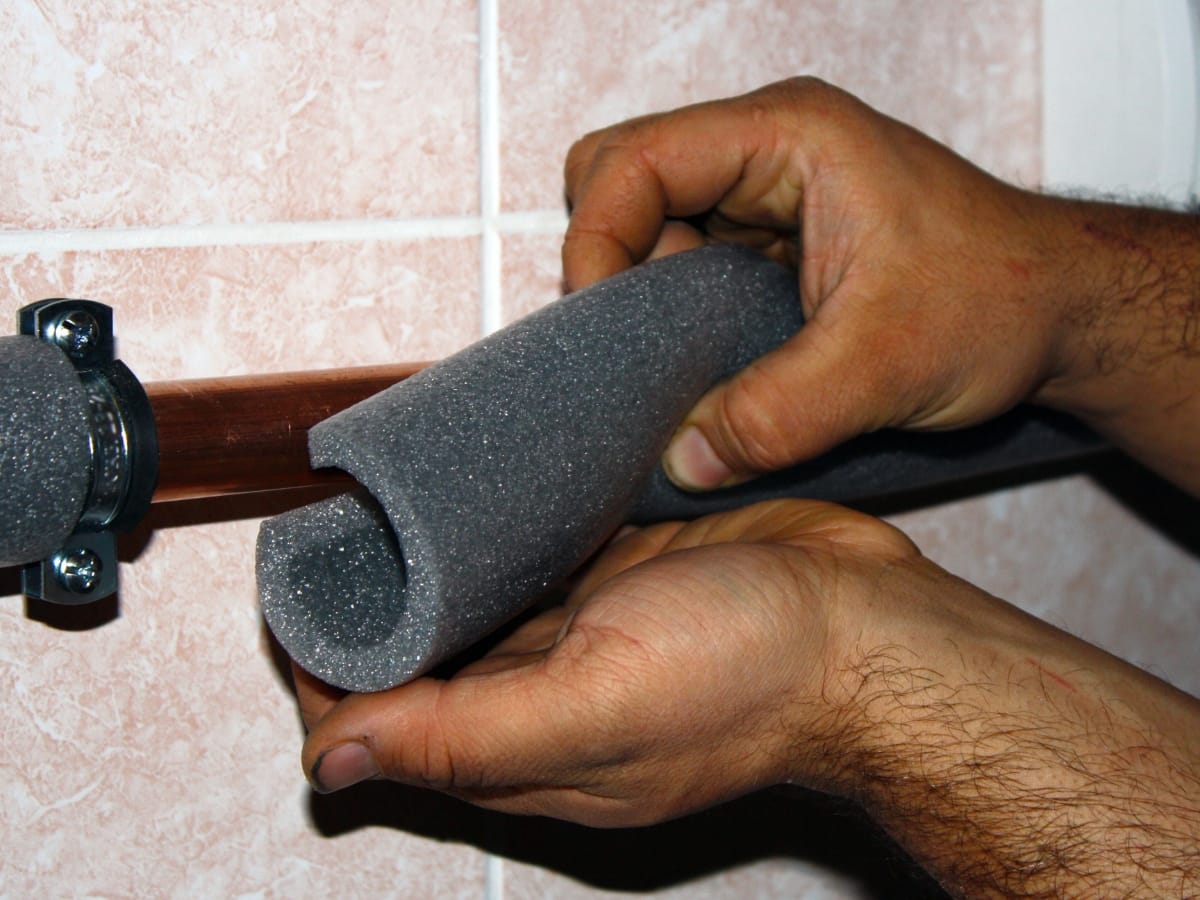
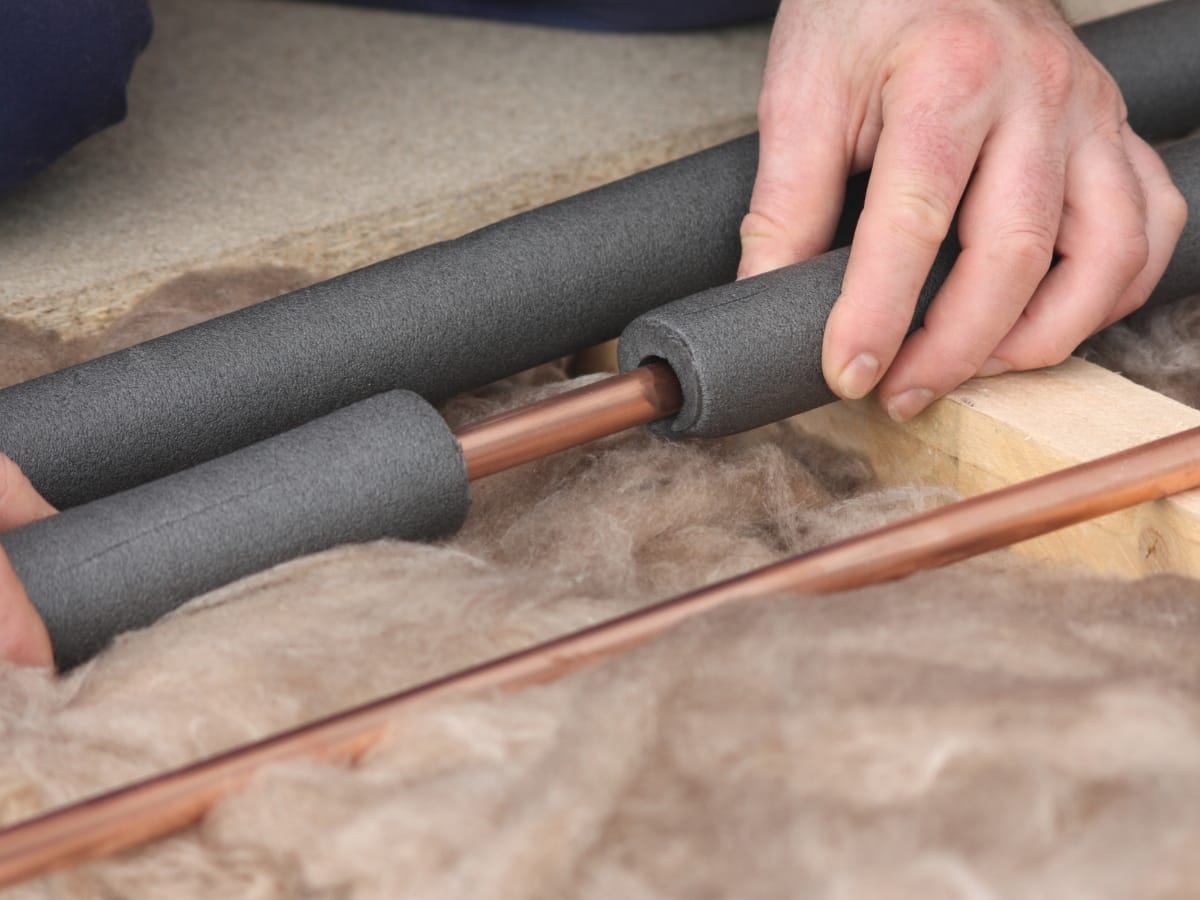
The first step is to protect exposed plumbing wherever it runs through unconditioned spaces. Look in attics, basements, garages, and crawlspaces for visible supply lines. Slip foam sleeves over these pipes or wrap them with suitable pipe insulation. Pay close attention to elbows, joints, and areas near vents or exterior walls, since they cool more quickly. Even in a milder climate, this simple upgrade can prevent frozen pipes during those occasional nights when temperatures dip below freezing.
Add Heat Cable On Problem Runs
Some lines need more than passive insulation. For pipes that have frozen before or run a long distance through very cold areas, UL-rated heat cable can provide extra protection. When installed correctly, this cable supplies gentle warmth along the pipe and reduces the chance of ice forming in the first place. Always follow manufacturer instructions, confirm compatibility with your pipe material, and test the system before winter so you are not troubleshooting it on the coldest night of the year.
Seal Drafts Around Pipe Penetrations
Drafts are a hidden cause of many freeze issues. Gaps where pipes pass through exterior walls, rim joists, or floor systems allow cold air to reach plumbing even when your thermostat is set to a reasonable temperature. Seal small cracks with caulk and use low-expansion spray foam for larger openings around hose bibs and penetrations. This improves comfort, lowers energy bills, and helps prevent frozen pipes by keeping cold air away from vulnerable sections.
Maintain Steady Indoor Temperatures
Thermostat management is another key part of winter prep. During a cold snap, avoid turning your heat off completely, even if the property will be empty. Keeping indoor temperatures around the mid 50s to low 60s in degrees Fahrenheit usually provides a safe baseline for pipes inside walls and floors. In commercial buildings or multi-unit properties, check setback schedules so overnight settings do not allow certain areas to get much colder than others.
Protect Outdoor Faucets And Hoses
Outdoor fixtures often cause the first problems. Before the season’s first freeze, disconnect garden hoses, drain them, and store them indoors. Shut off any interior valves that feed exterior spigots, then open the outdoor faucet briefly to let remaining water drain out. Adding insulated faucet covers to hose bibs gives another layer of protection where lines pass through exterior walls.
Label Shut-Off Valves For Fast Response
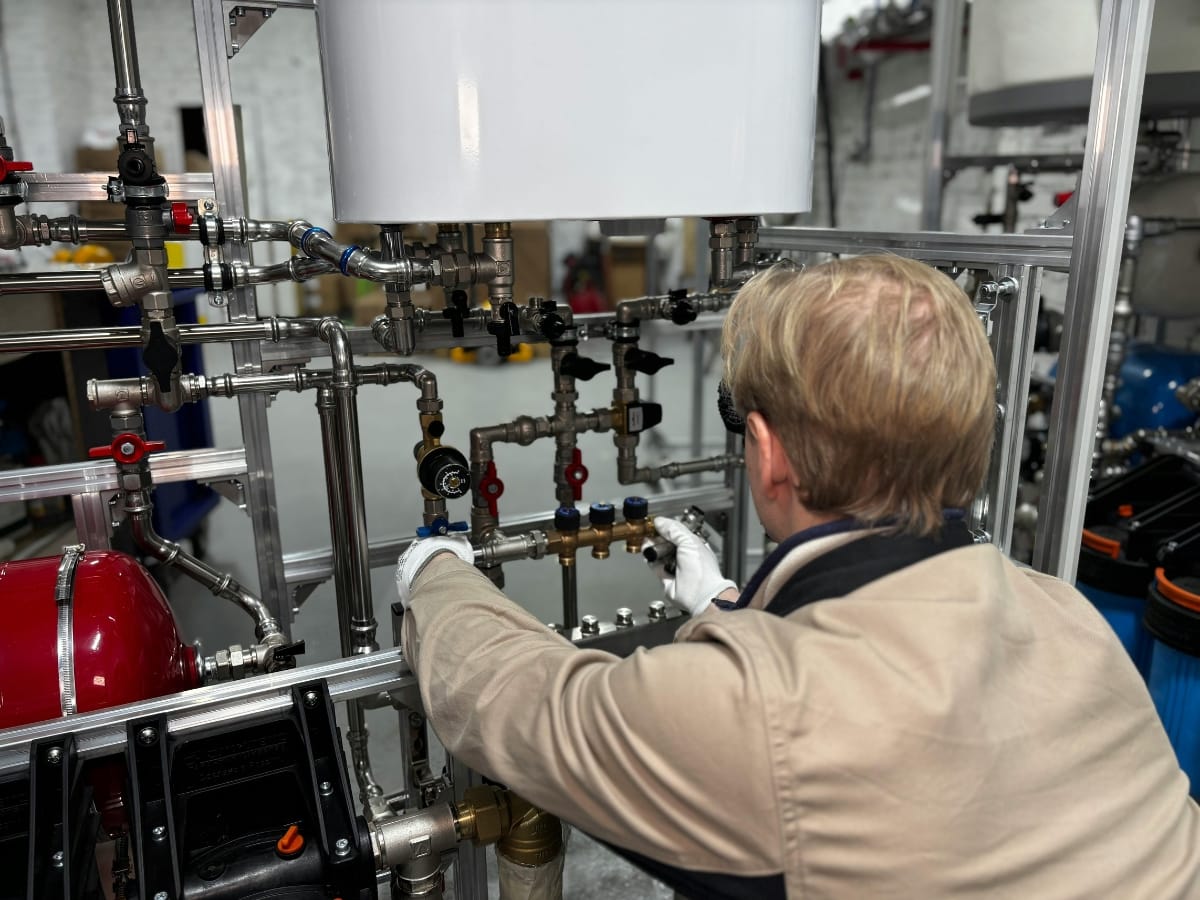
Even with good preparation, issues can still happen, so you want to be ready to respond quickly. Make sure you know where the main water shutoff is and label it clearly. If there are important branch valves, mark those as well and keep access paths clear. Show family members or key staff how to use these valves. If a pipe bursts, being able to shut off the water in minutes can be the difference between a small cleanup and major structural repairs.
By combining insulation, draft sealing, thermostat management, outdoor protection, and clear shutoff plans, Atlanta homeowners and business owners can meaningfully reduce their risk and prevent frozen pipes when winter weather hits.
A smart approach pairs low‑cost foam sleeves for most runs with targeted heat cable on high‑risk sections. Focus insulation where pipes run along exterior walls or through unheated spaces to get the most protection per dollar.
What Are the Best Methods for Insulating Pipes and Sealing Air Leaks?
Start with the right materials and pay attention to where pipes pass through walls and floors. Foam sleeves are quick and cost‑effective for straight, exposed lines; fiberglass wrap works better for odd shapes and larger pipes. Heat tape or heat cable gives active protection for runs that remain vulnerable after passive insulation — install it with proper thermostatic controls and follow safety clearances. Seal air leaks at penetrations using caulk for small gaps and low‑expansion spray foam for larger cavities; keeping cold air away from pipe surfaces reduces freeze risk and eases the load on your heating system.
For hard‑to‑reach areas or complex commercial piping, get a professional assessment to prioritize runs and choose durable solutions that cut ongoing risk and labor.
How Should You Manage Thermostat Settings and Outdoor Faucets to Avoid Freezing?
Thermostat management is an easy, effective way to reduce freeze risk: keeping a steady minimum temperature (usually 55–60°F) prevents indoor spaces from dipping toward freezing and protects interior pipe runs. In vacant properties or during long absences, leave the heat on rather than shutting systems off — a sudden temperature drop raises the chance of frozen lines. For outdoor faucets, always disconnect hoses before cold weather, close the interior shut‑off for the hose bib, and drain the line; use insulated faucet covers as an extra layer. When a freeze warning is issued, open cabinet doors under sinks so warm air can circulate around plumbing that runs through exterior walls.
Stable indoor temperatures and simple faucet prep interrupt the main ways ice forms in supply pipes, making these practices essential in Atlanta.
What Essential HVAC Winterization Steps Protect Your Heating System in Atlanta?
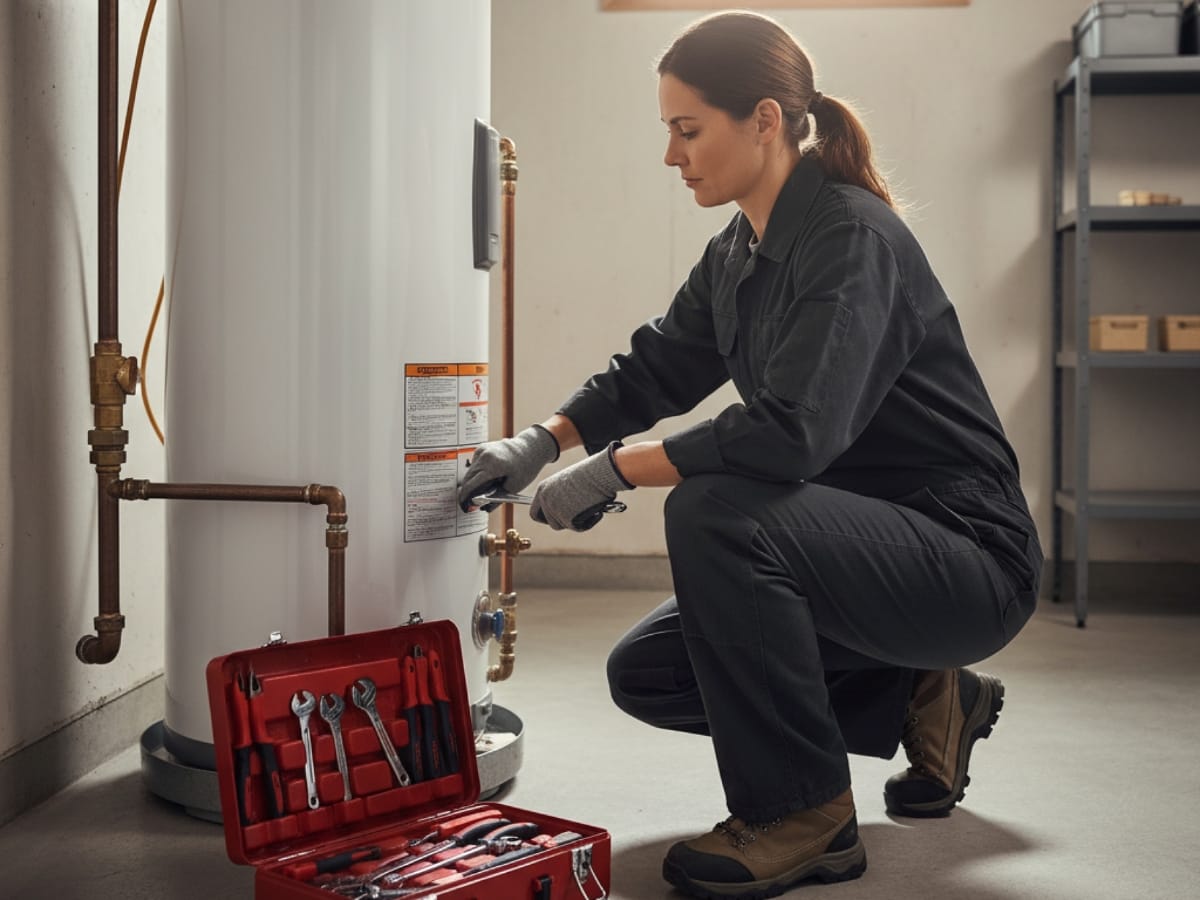
Winterizing your HVAC system is one of the most effective ways to prevent frozen pipes and surprise breakdowns when Atlanta gets a sudden cold snap. A good winter tune-up makes sure your system can handle long run times and quick temperature swings instead of failing when you need it most. Start with airflow. Clean or replace your filters so the system can move air freely, which keeps coils from icing over and reduces strain on motors. Have a technician inspect electrical connections, controls, burners, and heat exchangers on furnaces, and the reversing valve and defrost cycle on heat pumps.
Outdoor units should be cleared of leaves and debris and given at least a couple of feet of open space on all sides so air can circulate. Some manufacturers allow a breathable cover that shields the top from wind and falling debris, but the unit should never be fully wrapped while operating. These simple steps keep efficiency up, reduce wear, and help maintain steady indoor temperatures that also help prevent frozen pipes elsewhere in the building.
Why Is Annual Heating System Maintenance Critical For Winter Efficiency?
Annual heating maintenance is less about checking a box and more about protecting expensive equipment and avoiding mid-season emergencies. Over time, motors weaken, capacitors lose capacity, burners collect soot, and small cracks can develop in heat exchangers. A yearly inspection gives a technician the chance to catch those problems while they are still minor. Proper cleaning and adjustment restore intended heat output, smooth out temperature swings, and keep fuel or power use closer to design levels.
Verifying thermostat calibration and control settings also prevents short cycling, which wastes energy and increases mechanical stress. For businesses and homeowners who are trying to keep indoor spaces warm enough to prevent frozen pipes, that reliability matters. When your system can maintain a steady baseline temperature without constant on-off cycling, there is less risk that hidden plumbing in walls, crawlspaces, or attics will see repeated freeze-thaw swings that raise the chance of bursts.
How Do You Care For Outdoor HVAC Units During Cold Weather?
Outdoor condensers and heat pumps work throughout the winter in Atlanta, so they need basic care to stay efficient. Before the first cold front, check that leaves, mulch, and trash are cleared from around the unit and that vegetation is trimmed back so airflow is not blocked. After heavy rain or a rare snow or ice event, take a quick look at the cabinet and coil area. Light frost that appears during normal operation and then melts as the defrost cycle runs is expected, but heavy ice that lingers is a sign the defrost cycle or refrigerant charge may need attention.
Never chip ice off with tools, which can damage fins and tubing. Instead, shut the system down and schedule a service visit if ice persists. Avoid placing solid covers or objects directly on top of a running unit, since trapped moisture and blocked airflow can shorten its life. When the outdoor section is clear, dry, and able to breathe, it is more likely to deliver steady heat indoors, which supports every other step you are taking to prevent frozen pipes during Atlanta’s cold snaps.
What Should You Do If Pipes Freeze or HVAC Systems Fail This Winter in Atlanta?
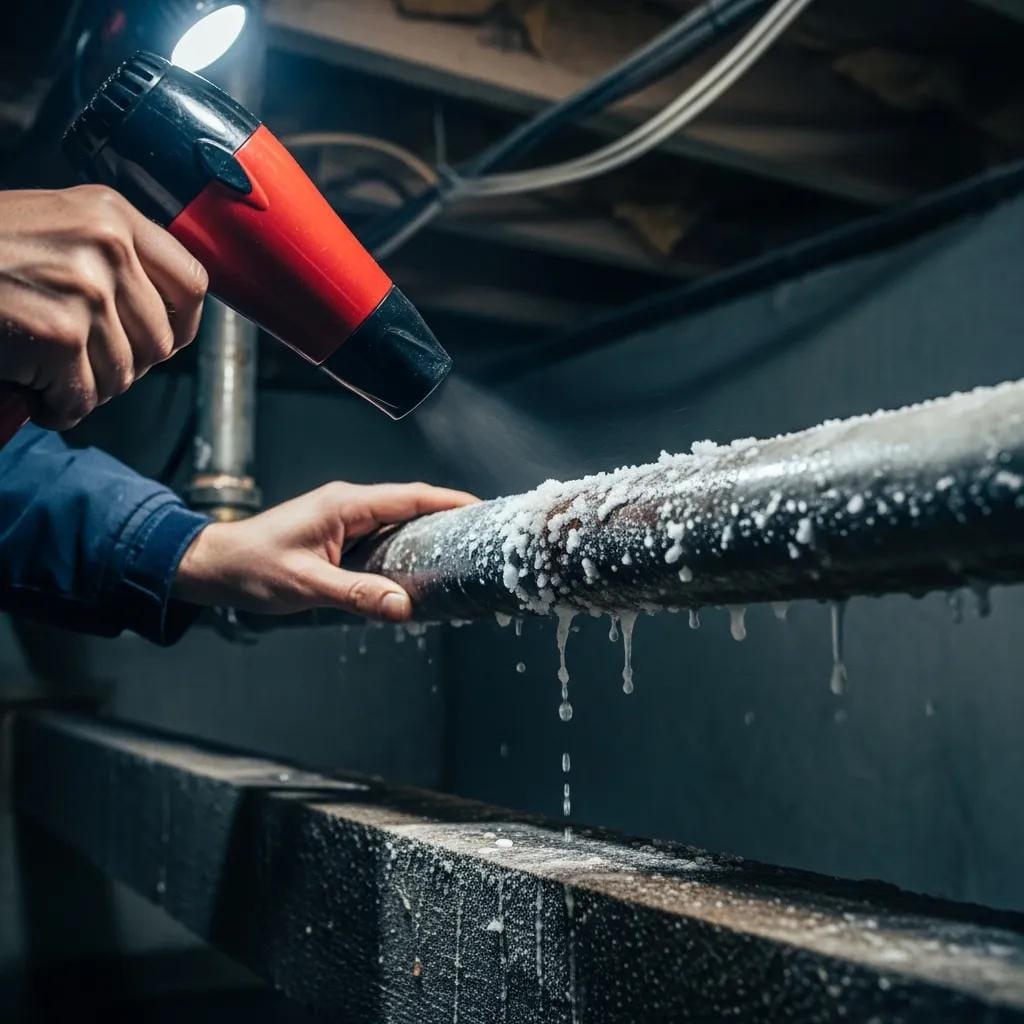
If you suspect frozen pipes or an HVAC failure, act fast and put safety first: isolate the water supply, reduce pressure on frozen sections, and avoid unsafe thawing. Use gradual, controlled heat — a hair dryer on low, warm towels, or a space heater placed safely at a distance — and never use open flames or high‑temperature tools. For HVAC problems, shut down equipment if you smell burning or see electrical arcing, and note symptoms and timing to help a technician diagnose the issue. These steps limit immediate damage and preserve evidence for an efficient repair.
Use this quick matrix to make safe decisions fast and help professionals respond effectively when needed.
What Immediate Actions Can Prevent Burst Pipes and Further Damage?
If you suspect a frozen pipe, start with these safety‑first steps: find and close the main water shut‑off to stop new flow, open faucets downstream to relieve trapped pressure, and apply controlled warmth to the frozen section. Remove insulation briefly to expose the frozen area, then thaw slowly with a hair dryer or warm towels while watching for leaks. Never use open flames, propane torches, or other high‑heat methods that can damage pipes or start fires. If a pipe begins leaking while thawing, shut off the water and call a repair pro to prevent flooding and structural damage.
These actions protect people and property and create better conditions for a successful repair if you need professional help.
When Should You Call For Emergency Repairs?
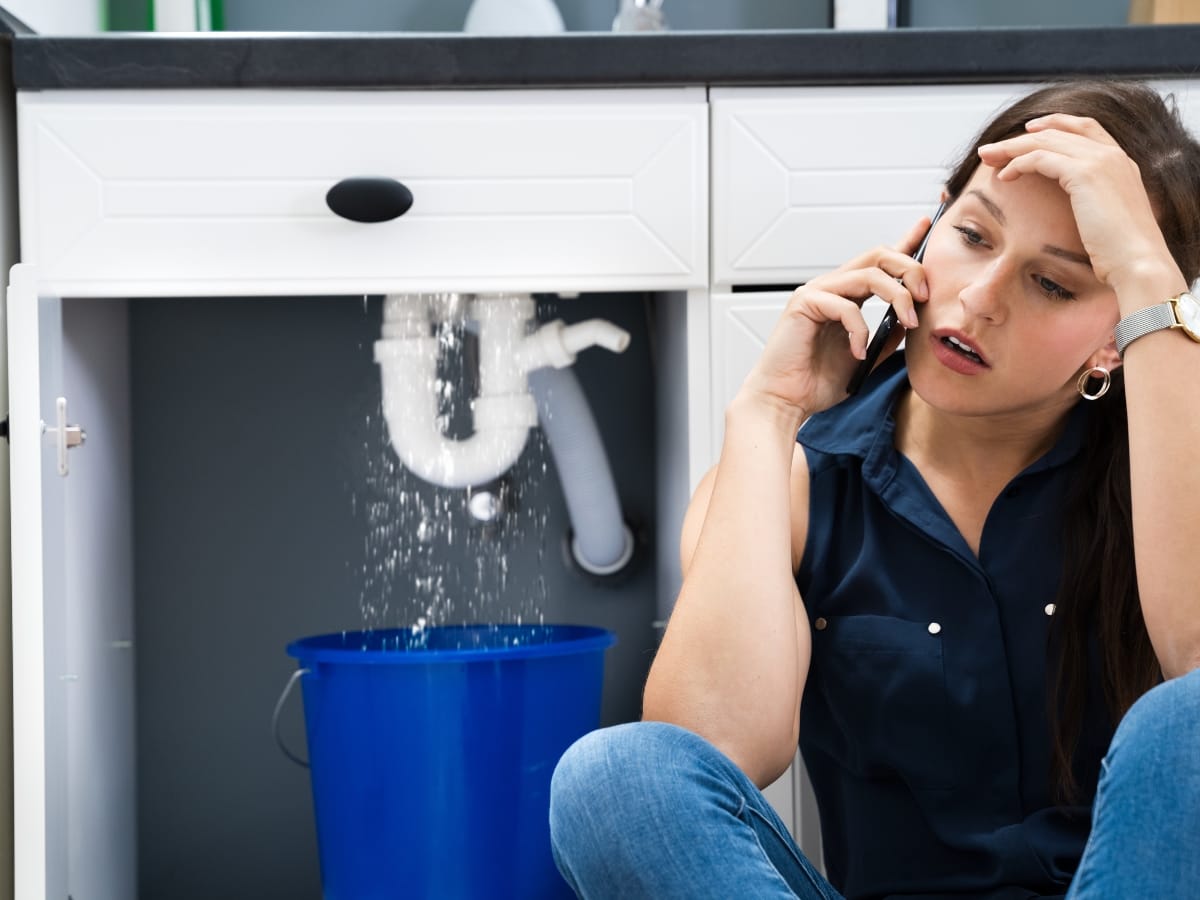
Even with solid prevention steps in place, there are moments when a professional needs to step in. If you have taken basic measures to prevent frozen pipes and still have no water at key fixtures, notice water staining or active dripping, or see obvious pipe damage, it is time to treat the situation as an emergency. The same is true if your furnace or heat pump suddenly shuts down during a cold snap, produces unusual smells, or trips breakers when it starts. Those warning signs point to safety risks or potential water damage that go beyond DIY fixes and should be handled by a licensed technician.
How To Prepare Before You Contact CoolPro
A little preparation makes an emergency visit faster and more effective. Before you call, locate the main water shut-off and turn it off if a pipe has burst or you suspect a major leak. Note which fixtures have lost pressure, where you see frost or bulging on pipes, and whether any water has reached electrical outlets, appliances, or your HVAC equipment. For heating issues, write down any error codes on the thermostat or system panel and whether the problem started after a power fluctuation or weather event. Photos or short videos of the affected areas can also help the technician understand the severity of the problem before arriving.
When you contact CoolPro, share your address, a clear description of what you are seeing, whether water is still flowing, and which utilities are already shut down. This information helps the dispatcher send the right technician with the appropriate tools and parts, which shortens repair time and limits disruption.
What To Expect From A CoolPro Emergency Visit
During an emergency visit, the technician’s first priority is safety. They will verify that water, gas, and electrical supplies are in a safe state, then stabilize the situation by stopping active leaks, isolating damaged sections, or securing compromised HVAC components. Once the immediate risk is under control, they can assess the cause of the problem and explain repair options, including short term containment and longer term solutions that help prevent frozen pipes in the future. For HVAC issues, that may include checking refrigerant levels, defrost controls, burners, or heat exchangers to be sure the system can maintain indoor temperatures safely during the next cold snap.
CoolPro Heating and Cooling serves residential and commercial properties throughout Metro Atlanta from its Marietta location at 161 NE Austin Avenue, Georgia 30060, and can be reached at 770-694-6232. For many owners, having a single provider who can address both HVAC problems and issues that arise when you work to prevent frozen pipes simplifies winter planning. By combining your own preventive checklist with a clear plan for when and how to contact a trusted emergency team, you reduce stress and protect both your building and your budget during Atlanta’s coldest nights.
Frequently Asked Questions
What are the best materials for insulating pipes in Atlanta?
For Atlanta homes, foam pipe sleeves and fiberglass wrap are the most practical choices. Foam sleeves work well for straight, exposed runs; fiberglass wrap is better for odd shapes and larger pipes. Heat tape or heat cable is useful for runs that need active protection. These materials cut heat loss and help prevent freezing, especially in unconditioned spaces like attics and crawlspaces.
How can I identify vulnerable areas in my home for freeze prevention?
Walk your home and look for places where pipes are exposed to cold air: attics, crawlspaces, exterior walls, and garages. Check for drafts, thin insulation, or visible frost on pipes. Don’t forget outdoor faucets and hose bibs, and inspect where pipes penetrate walls or floors. Pinpointing these spots lets you prioritize insulation and sealing to prevent freezes.
What should I do if I suspect my HVAC system is failing during winter?
First, check the thermostat and power to the unit. Listen for unusual noises like grinding or clicking and look for any error codes. If you detect a burning smell or see ice buildup on the outdoor unit, turn the system off. Document what you observe and call a professional technician for a full inspection and repair to avoid further damage.
Are there any specific maintenance tasks for older HVAC systems in winter?
Older systems benefit from focused maintenance: replace air filters regularly to keep airflow steady, inspect electrical connections for wear, and make sure burners and heat exchangers are clean and functioning. Test the defrost cycle on heat pumps to ensure ice clears properly. An annual professional service helps catch issues before they cause failures.
How can I prepare my home for a sudden cold snap?
To get ready for a sudden freeze, insulate exposed pipes with foam sleeves or fiberglass wrap, seal drafts around windows, doors, and pipe penetrations, and keep your thermostat set to at least 55°F when you’re away. Disconnect outdoor hoses and fit insulated covers on outdoor faucets. Also make sure your HVAC system has been serviced and is ready for increased demand.
What are the signs that my pipes may be freezing?
Signs your pipes might be freezing include no running water, reduced flow, and visible frost or ice on exposed pipes. Bulging joints are a serious sign of internal pressure. If you notice any of these, act quickly: open nearby faucets to relieve pressure and apply gentle heat while monitoring for leaks.
Conclusion
Don’t let Atlanta’s winter weather leave you with the costly damage of frozen pipes or a failed HVAC system. By taking proactive measures like insulating pipes, maintaining consistent heat, and scheduling a professional furnace tune-up, you can protect your home and ensure reliable comfort all season long. For expert winterization and peace of mind, trust the professionals at CoolPro Heating & Cooling. Our certified technicians provide comprehensive HVAC services to safeguard your home’s plumbing and heating systems against the cold. Stay warm and worry-free this winter. Send us a message through our site form or call 770-694-6232 today to schedule your winter preparedness service.