
If some rooms in your home feel stuffy while others never seem to warm up or cool down, your ductwork could be the hidden problem. Leaks, gaps, crushed sections, or poorly designed layouts can force your HVAC system to work harder while wasting energy. Professional ductwork repair and installation services in Atlanta, GA, help restore balanced airflow, improve indoor comfort, and lower monthly utility costs.
In a climate like Atlanta’s, where summers are humid and winters can dip unexpectedly, efficient duct systems are essential for maintaining consistent temperatures. Proper sealing, insulation, and strategic installation ensure conditioned air reaches every room as intended.
Whether you’re upgrading an older system or addressing performance issues, expert ductwork repair and installation services in Atlanta, GA can make a noticeable difference in comfort, air quality, and overall efficiency.
Ductwork Repair & Installation Services Atlanta, GA That You Can Trust
What Are the Signs You Need Air Duct Repair in Atlanta, GA?
The cost of installing or replacing ductwork in Atlanta can vary widely depending on the layout of the home and the condition of the existing system. For many homeowners, pricing falls within a broad range, but the final number depends on several practical factors rather than a flat rate. Understanding what affects the cost can help you plan more accurately and avoid surprises during installation.
In general, replacing ductwork in a standard single family home may cost several thousand dollars, especially if the entire system needs to be removed and rebuilt. Smaller projects, such as replacing sections of damaged ducts, are usually less expensive. Older homes with limited attic or crawl space access may require additional labor, which can raise overall costs.
While price is important, quality installation also matters. Poorly designed or improperly sealed ductwork can reduce HVAC efficiency and lead to higher utility bills over time. Investing in proper sizing and layout can make a noticeable difference in comfort and long term operating costs.
What Factors Influence HVAC Duct Replacement Prices?
Material choice plays a significant role in the total cost. Sheet metal ductwork is durable and commonly used in new construction, but it can be more expensive than flexible duct options. Flexible ducts are often easier to install in tight spaces, which may reduce labor time, though they must be installed correctly to avoid airflow restrictions.
Labor costs also vary depending on system complexity. Homes with multiple levels, long duct runs, or custom layouts require more planning and installation time. If new ductwork must be rerouted or redesigned to improve airflow, that adds to the scope of the project.
Another factor is the condition of the current system. If existing ductwork is leaking, poorly insulated, or improperly sized, full replacement may be recommended instead of patch repairs. In some cases, homeowners choose to upgrade ductwork at the same time they install a new HVAC unit to ensure the system performs efficiently as a whole.
Energy efficiency considerations also influence pricing. Properly sealed and insulated ducts reduce air loss and help maintain consistent indoor temperatures. Studies have shown that leaky ductwork can account for significant energy waste in residential systems. Correcting these issues during installation can lead to long-term savings, even if the upfront cost is higher.
Are Financing Options Available For Ductwork Installation?
Because ductwork installation can represent a substantial investment, many homeowners look for ways to spread out the cost. Financing plans are commonly available through HVAC contractors or third-party lenders. These options may include fixed monthly payments or promotional terms, depending on the provider.
In addition to financing, some homeowners explore rebates or energy efficiency incentives. Programs occasionally offer incentives for improvements that increase overall system efficiency, including duct sealing or replacement. Availability varies based on utility providers and local programs, so it is worth reviewing current offerings in the Atlanta area.
When budgeting for ductwork, it is helpful to think beyond the initial price tag. Proper installation improves airflow, balances temperatures between rooms, and reduces strain on the HVAC system. Over time, these benefits can translate into lower energy bills and fewer service issues.
Ultimately, the cost of ductwork installation depends on your home’s layout, the materials selected, and the condition of the existing system. Taking the time to evaluate these factors allows you to make informed decisions and prioritize both efficiency and long-term performance.
Ductwork Installation & Replacement Costs in Atlanta, GA
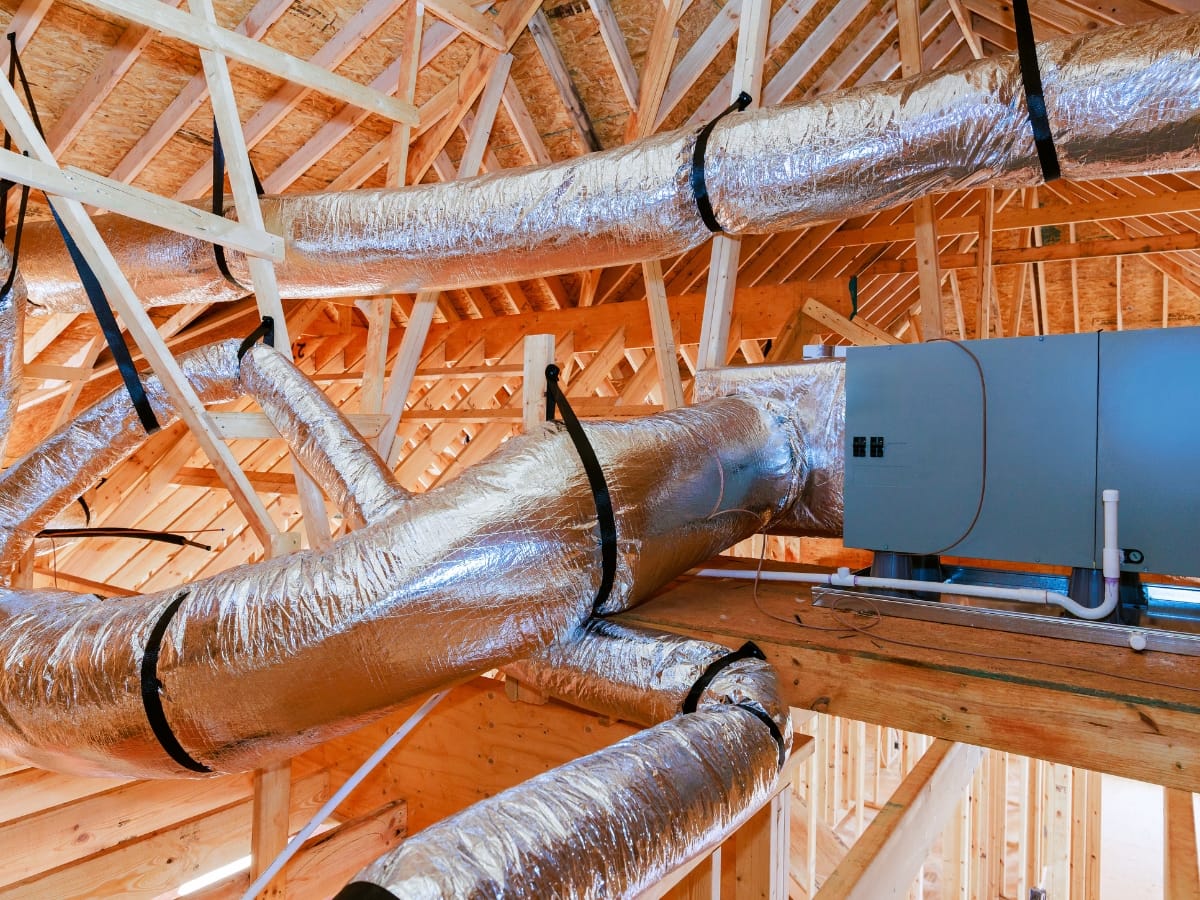
Understanding the cost of ductwork installation or replacement is an important part of planning any HVAC upgrade. In Atlanta, pricing can vary widely depending on the size of the home, the layout of the existing system, and the materials selected.
While every project is different, homeowners often see total costs ranging from a few thousand dollars for partial replacements to significantly more for full system redesigns in larger homes.
Older properties may require more extensive work, especially if the existing ducts are undersized, poorly sealed, or not configured efficiently. In some cases, contractors may need to remove outdated materials before installing new ductwork, which adds to labor time. Homes with tight crawl spaces or complex layouts may also require additional planning and installation time.
Energy efficiency goals can also influence cost. If the objective is to improve airflow and reduce heating and cooling loss, sealing and insulating ducts properly becomes essential. Well-designed duct systems can improve comfort and reduce long-term energy consumption, which helps balance upfront expenses with ongoing savings.
What Factors Influence HVAC Duct Replacement Prices?
Several factors determine the overall price of duct replacement in Atlanta. The material used plays a major role. Flexible ductwork tends to be less expensive and easier to install in tight spaces, while sheet metal ductwork typically costs more but offers greater durability and improved airflow when installed correctly.
Labor costs also vary depending on how accessible the existing system is. Replacing ducts in an unfinished attic is usually less labor-intensive than working within finished walls or ceilings. If structural modifications are required to improve airflow or meet updated building standards, that can further increase expenses.
System complexity is another consideration. A straightforward replacement that mirrors the original layout will typically cost less than a redesign aimed at correcting airflow issues. In some cases, contractors recommend adjusting duct sizing or rerouting certain sections to eliminate hot or cold spots. These improvements can enhance comfort but require additional time and materials.
Home size matters as well. Larger homes require more linear feet of ductwork, which increases both material and labor costs. The number of vents and returns also affects the final price, since each connection must be properly sealed and balanced to maintain system performance.
Beyond installation costs, it is important to consider the long-term energy impact of duct design. Research has shown that poorly sealed ducts can account for a significant percentage of heating and cooling loss in residential systems. Investing in proper installation and sealing can help reduce strain on the HVAC unit and lower utility bills over time.
Are Financing Options Available For Ductwork Installation?
Because ductwork replacement can represent a substantial investment, many homeowners explore financing options. HVAC contractors often partner with lending institutions to offer structured payment plans. These plans can allow homeowners to spread the cost over time instead of paying the full amount upfront.
Financing availability usually depends on credit approval and the scope of the project. Some plans feature promotional interest rates for a limited period, while others offer longer repayment terms with fixed monthly payments. Understanding the details of each option helps homeowners make informed decisions that align with their budgets.
In addition to contractor financing, some homeowners consider home improvement loans or energy efficiency programs. In certain cases, upgrades that improve overall system performance may qualify for local or federal incentives, especially if the work contributes to measurable energy savings.
When evaluating cost, it is helpful to look beyond the initial expense and consider performance, comfort, and long-term reliability. Properly installed ductwork supports balanced airflow, consistent indoor temperatures, and improved air quality.
By understanding the factors that influence pricing and exploring available payment options, homeowners in Atlanta can approach duct replacement with realistic expectations and a clear financial plan.
What Are the Benefits of Professional Air Duct Sealing Services in Atlanta?
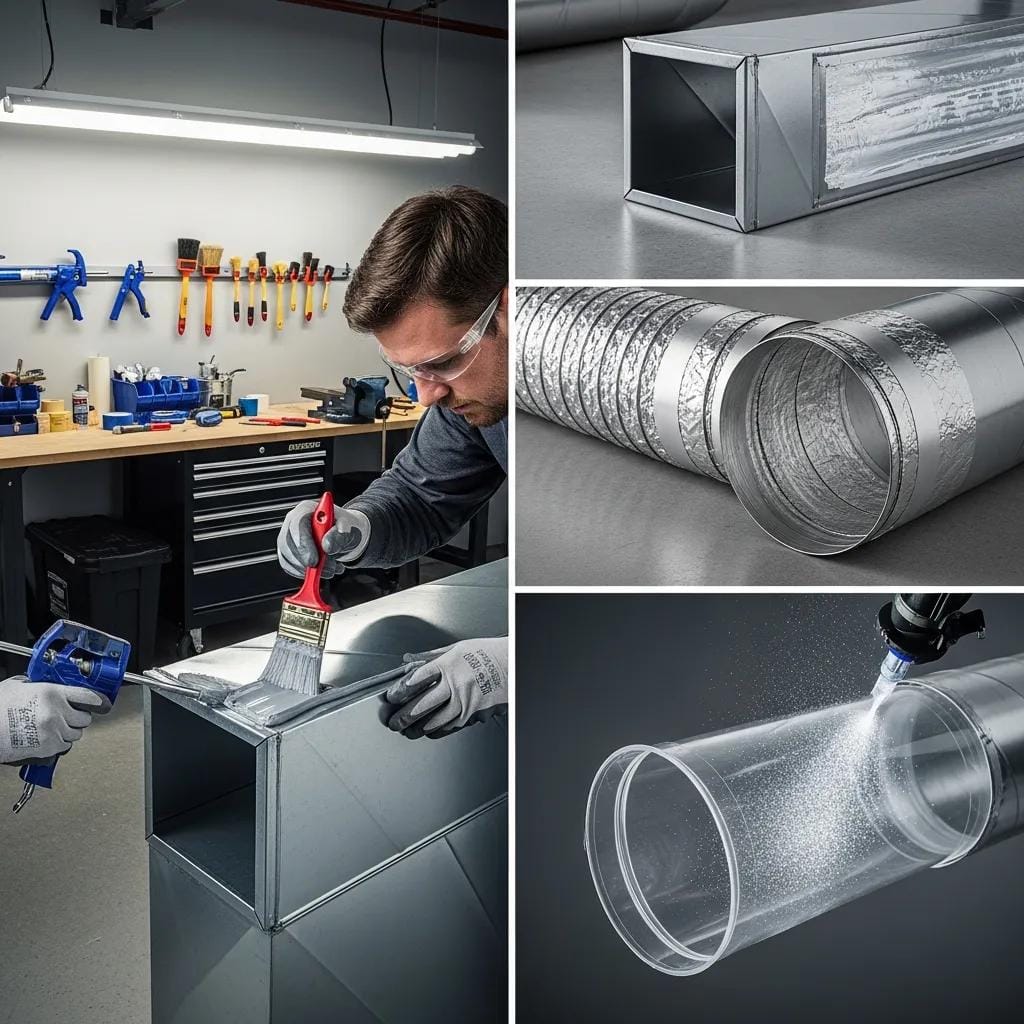
Air duct sealing plays a major role in overall HVAC performance. When ducts have gaps, cracks, or loose connections, conditioned air escapes before it reaches the intended rooms.
Over time, this loss reduces comfort and forces the system to work harder than necessary. Professional duct sealing addresses these issues at their source, helping homeowners improve efficiency and maintain more consistent indoor temperatures.
In many Atlanta homes, especially older properties, ductwork may have developed small leaks that go unnoticed. These leaks can occur at joints, seams, or connections near vents and returns.
Sealing those areas properly allows heated or cooled air to move through the system as designed. As a result, airflow becomes more balanced throughout the home, reducing the hot and cold spots that often signal duct problems.
Beyond comfort, proper sealing supports long-term system health. When air escapes through leaks, the HVAC unit must run longer to meet the thermostat setting. This added strain can shorten equipment lifespan and increase maintenance needs. Sealing ducts helps reduce that workload, which can contribute to more stable performance over time.
How Does Air Duct Sealing Improve Energy Efficiency And Indoor Air Quality?
One of the most immediate benefits of duct sealing is improved energy efficiency. When conditioned air stays inside the duct system instead of leaking into attics or crawl spaces, the HVAC system operates more effectively.
Studies suggest that sealing duct leaks can reduce energy loss by up to thirty percent in some cases. While results vary by home, the potential for lower utility bills makes duct sealing an important consideration for many homeowners.
Improved indoor air quality is another advantage. Leaky ducts can draw in dust, insulation particles, and other contaminants from unconditioned spaces. When this air enters the duct system, it circulates throughout the home. Sealing the ductwork helps reduce that infiltration, which can lead to cleaner indoor air and fewer airborne irritants.
In homes where occupants are sensitive to allergens, maintaining sealed ducts can make a noticeable difference. By limiting the entry of dust and debris, the HVAC system is better able to filter and distribute clean air. This contributes to a healthier indoor environment, especially during peak heating and cooling seasons when systems run frequently.
Energy efficiency improvements also extend to fan operation. When ducts are properly sealed, airflow resistance decreases, which can lower the strain on system components. Reduced strain often translates into smoother operation and more predictable energy usage over time.
What Techniques Are Used For Effective Duct Sealing?
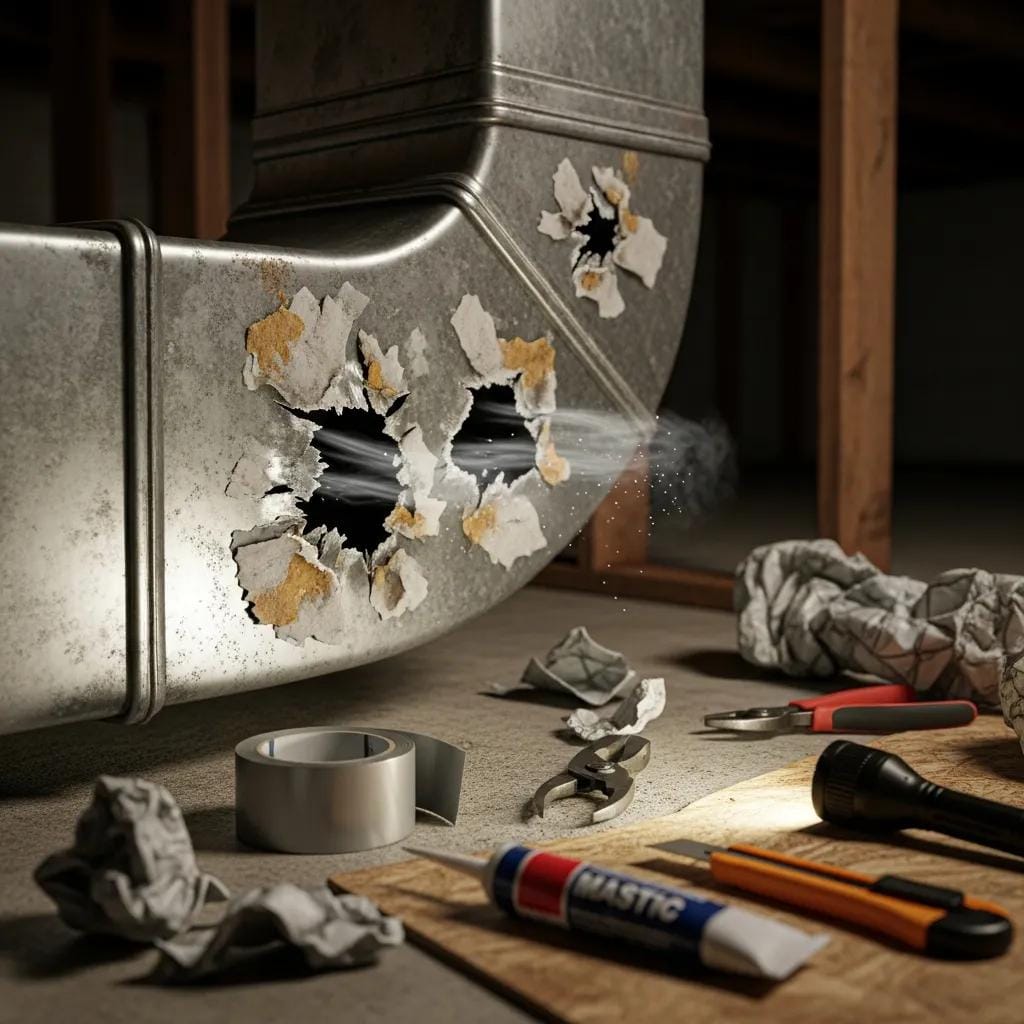
Professionals use several methods to ensure ductwork is sealed effectively and safely. One of the most common materials is mastic sealant, a thick compound applied to joints and seams. Once it cures, mastic forms a durable, airtight bond that helps prevent future air leaks.
Foil tape is another widely used option. Unlike standard cloth-backed duct tape, foil tape is designed specifically for HVAC systems. It adheres securely to metal and flexible duct surfaces and maintains its bond under temperature changes.
For homes with extensive leakage, advanced sealing technologies may be recommended. Aeroseal systems, for example, distribute aerosolized sealant particles throughout the duct network. These particles attach to the edges of leaks from the inside, gradually building up a seal. This method can be effective in hard-to-reach sections of ductwork where manual sealing would be difficult.
Before sealing begins, technicians typically inspect the system to identify problem areas. This assessment may include visual inspections and airflow testing to pinpoint leaks. Once sealing is complete, performance tests help confirm that airflow has improved and that the system is operating more efficiently.
Professional air duct sealing offers clear advantages for homeowners in Atlanta who want better comfort, improved air quality, and reduced energy waste. By addressing leaks directly and using proven sealing methods, duct systems can function closer to their intended design, supporting both efficiency and long term reliability.
Why Choose CoolPro Heating and Cooling for Your Atlanta Ductwork Needs?
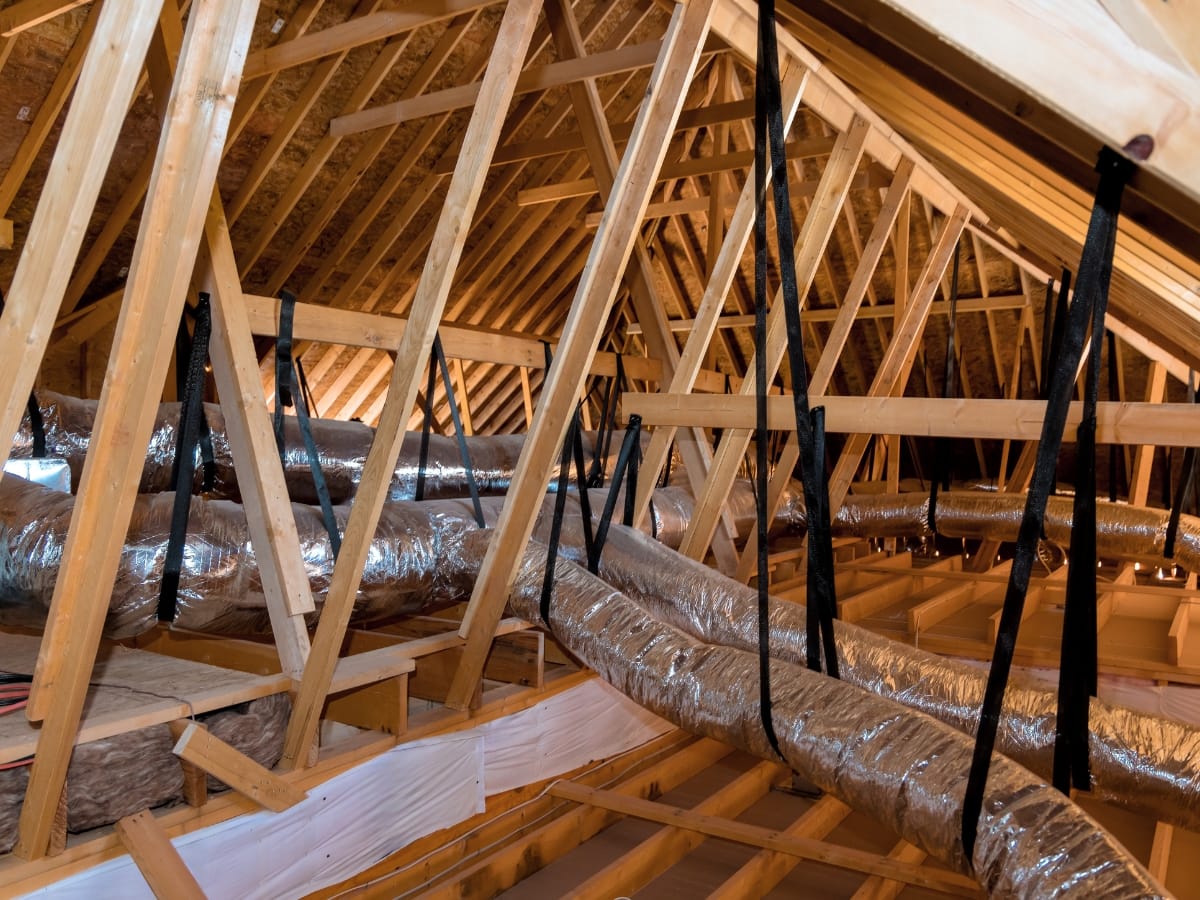
Selecting the right HVAC provider has a direct impact on how well your ductwork performs over time. Proper installation, repair, and sealing all require careful assessment and technical skill. In a city like Atlanta, where systems run heavily during both summer and winter, dependable ductwork is essential for maintaining comfort and energy efficiency.
CoolPro Heating and Cooling has built its reputation around consistent workmanship and attention to detail. Rather than taking a one-size-fits-all approach, the team evaluates each home’s layout, airflow patterns, and existing HVAC setup before recommending solutions. This helps ensure that ductwork improvements address the root cause of issues such as uneven temperatures, weak airflow, or rising energy bills.
Reliable ductwork is not only about air delivery. It also affects air quality and long-term equipment performance. Poorly installed or damaged ducts can allow dust and contaminants to circulate through the home. By focusing on proper sealing, sizing, and installation practices, experienced technicians help reduce these risks and support smoother system operation.
What Experience And Certifications Do Technicians Bring To The Job?
Technical training and certification matter when working with ductwork systems. HVAC professionals must understand airflow dynamics, pressure balancing, and building codes to ensure safe and effective results. Technicians with formal training are better equipped to identify underlying problems rather than simply treating surface symptoms.
Certified HVAC technicians typically complete ongoing education to stay current with industry standards. This includes learning about updated materials, energy efficiency guidelines, and diagnostic tools. In Atlanta’s varied housing stock, from older homes with aging ducts to newer properties requiring system upgrades, experience plays a key role in delivering consistent results.
Hands-on experience also makes a difference during complex projects. For example, replacing ductwork in tight attic spaces or crawl spaces requires careful planning and precision. Proper measurement and secure connections help prevent future air leaks and performance problems. Technicians who regularly handle these challenges are more likely to complete the work efficiently and correctly.
In addition to technical knowledge, communication skills are important. Clear explanations about what is happening within the duct system and why certain repairs are recommended help homeowners make informed decisions.
How Do Services Support Reliable HVAC Performance?
Well-maintained ductwork contributes directly to balanced airflow and stable indoor temperatures. When ducts are inspected, repaired, or replaced correctly, the HVAC system can distribute conditioned air more evenly throughout the home. This reduces strain on the equipment and supports consistent comfort.
Quality workmanship also plays a role in long-term durability. Secure joints, proper insulation, and airtight sealing help prevent common issues such as energy loss and moisture intrusion. Over time, these details can reduce the need for repeated repairs.
Follow-up evaluations are another important aspect of reliable service. After ductwork repairs or replacement, testing airflow and checking connections ensures that the system operates as intended. This step confirms that improvements are delivering measurable results.
Costs for ductwork services in Atlanta vary depending on the scope of work. Minor duct repairs may range from a few hundred dollars, while full system replacement can reach several thousand, depending on home size and complexity. Professional duct sealing typically falls somewhere in between, depending on the extent of leakage.
Conclusion
Your home’s ductwork is the silent workhorse of your HVAC system, responsible for delivering conditioned air efficiently to every room. When leaks, poor insulation, or improper installation compromise its performance, your comfort and energy bills suffer.
For professional ductwork repair and installation that optimizes airflow and maximizes system efficiency, trust the experienced team at CoolPro Heating & Cooling. Ready to breathe easier and save on energy costs? Send us a message through our site form or call 770-694-6232 today to schedule your ductwork assessment. Let us ensure every cubic foot of conditioned air reaches its destination.