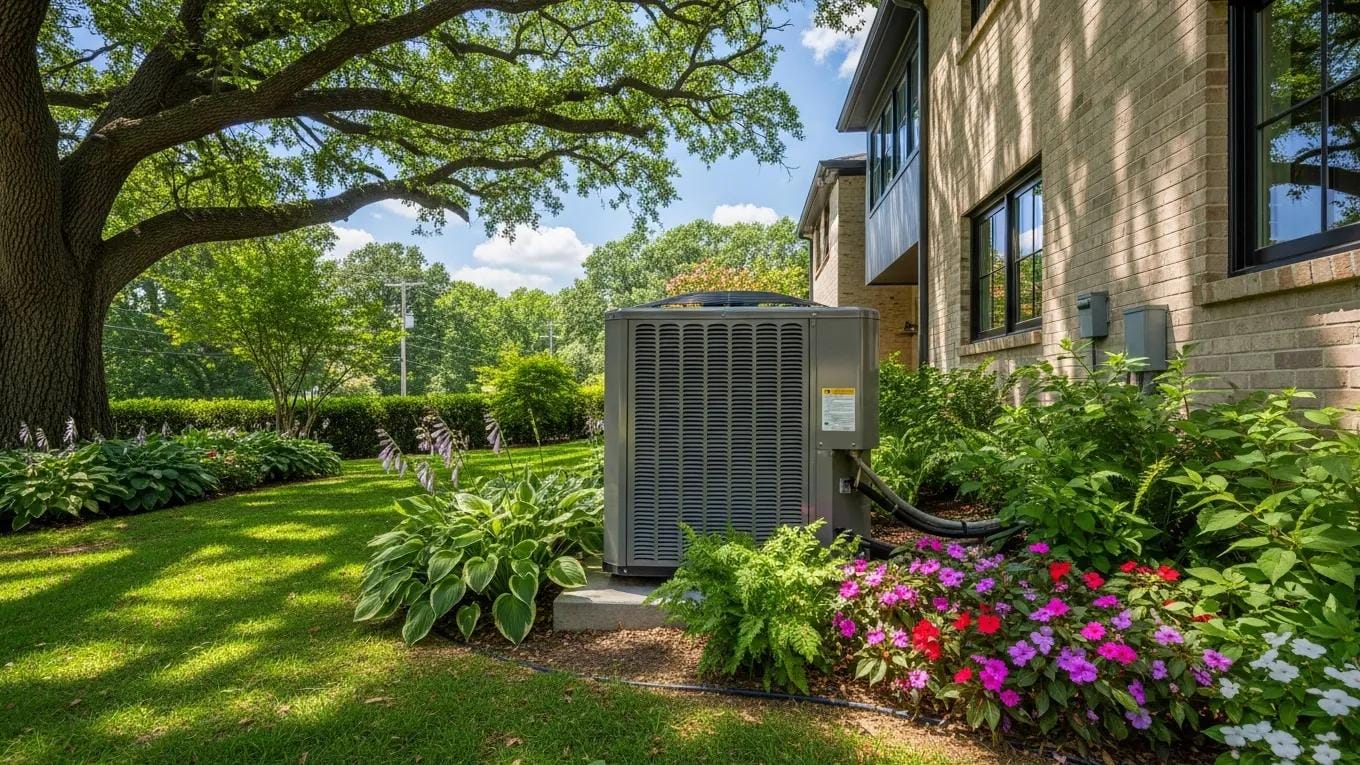

An HVAC system rarely announces that it is nearing the end of its useful life with one obvious failure. More often, homeowners notice a pattern: repairs become more frequent, energy bills creep upward, temperatures vary between rooms, or the system runs longer without delivering the comfort it once did.
Recognizing the signs new HVAC system may be needed can help you plan a replacement before an unexpected breakdown forces a rushed decision. System age matters, but repair history, efficiency, comfort, equipment condition, and the cost of keeping an older unit running are equally important considerations.
Knowing when continued repairs still make financial sense and when replacement offers better long-term value can help you make a more confident decision about your home’s heating and cooling needs.
Signs New HVAC Equipment Is Needed Instead of Another Repair
What Are the Signs a New HVAC System May Be Needed?
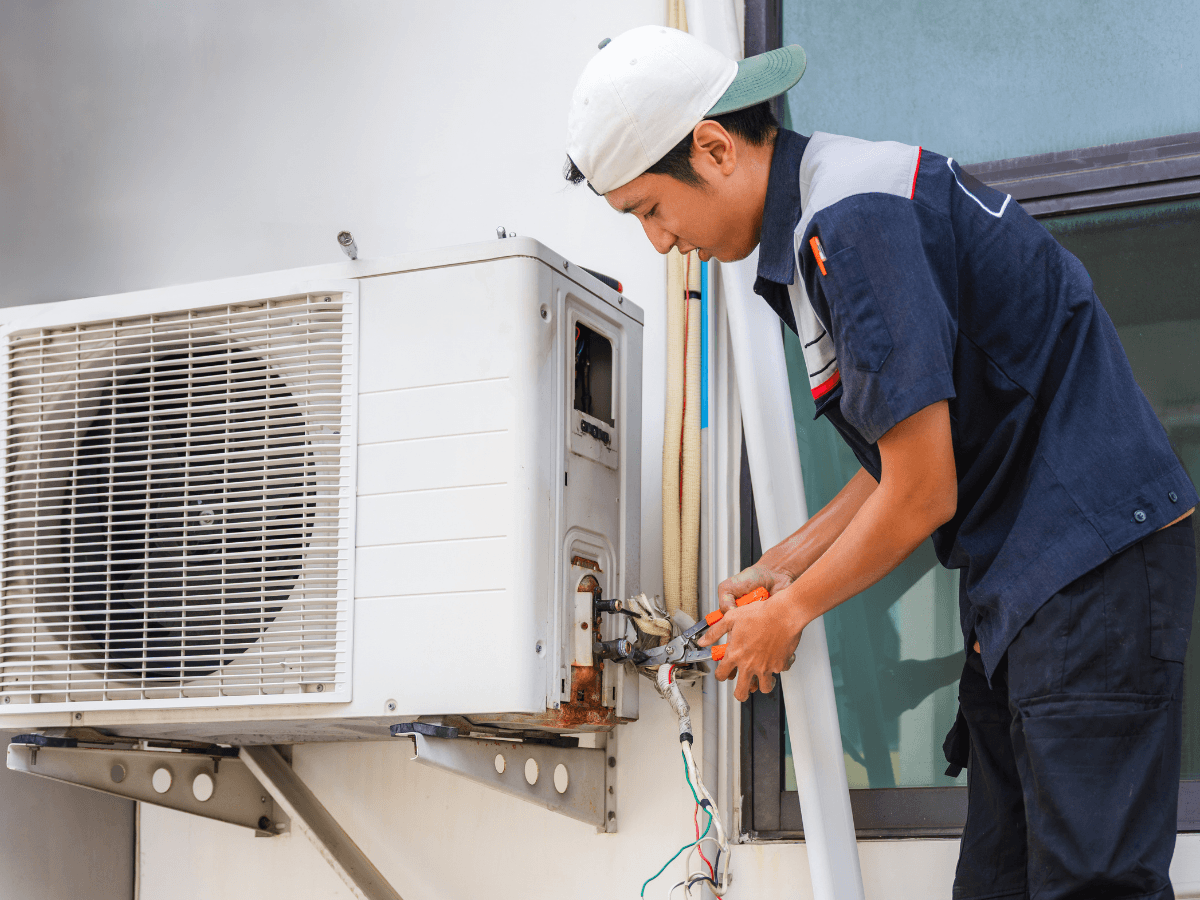
A struggling HVAC system does not always need to be replaced. Some problems can be corrected with maintenance, airflow adjustments, thermostat repairs, or replacement components.
The more useful question is whether the system is developing a pattern of declining reliability, comfort, and efficiency that makes continued repair less practical. The most important signs new HVAC equipment may be worth considering usually appear together rather than in isolation.
An older unit that needs frequent repairs, runs longer than it used to, and still leaves parts of the home uncomfortable presents a very different situation from a relatively new system with one repairable problem.
Repairs Are Becoming More Frequent or More Expensive
An occasional HVAC repair is normal. Repeated service calls are more concerning, especially when different major components begin failing within a relatively short period.
Homeowners should look beyond the cost of the latest repair and consider the larger pattern. How much has been spent on the system over the last few years? Are breakdowns becoming more common? Is the next repair likely to restore dependable operation or simply postpone another failure?
For an aging air conditioner, comparing the repair estimate with the cost and expected benefits of AC replacement can provide a more useful basis for the decision than automatically approving another repair.
Energy Use Keeps Rising Without an Obvious Explanation
Higher utility bills deserve attention, but they do not automatically mean the HVAC system needs replacement.
Weather, utility rates, thermostat settings, air leaks, dirty filters, duct problems, and changes in household use can all affect energy consumption. A meaningful warning sign is a sustained increase that remains after those simpler explanations have been considered.
An aging system may run longer or cycle more frequently to reach the thermostat setting. Reduced efficiency can also result from worn components or declining performance.
Compare bills from similar seasons rather than comparing a mild month with a period of extreme heat or cold. That makes it easier to identify whether the HVAC system itself appears to be using more energy to deliver the same level of comfort.
The System Runs but Comfort Continues to Decline
One of the clearest signs new HVAC equipment may need to enter the conversation is when the system operates regularly but no longer controls the home effectively.
Rooms may take much longer to reach the desired temperature. The air conditioner may run for extended periods during hot weather without keeping up. Some areas may feel comfortable while others remain noticeably warmer or cooler.
Uneven temperatures are not proof that the HVAC unit is failing. Duct leakage, poor airflow, insulation problems, closed registers, or an improperly balanced system can create similar symptoms. In fact, air balancing may correct certain room-to-room comfort problems without replacing the equipment.
That is why diagnosis should come before replacement. If airflow and building-related causes have been ruled out and an older system still cannot maintain comfort, replacement becomes a more reasonable option.
Unusual Noises Are Accompanied by Other Performance Problems
Rattling, banging, grinding, squealing, or persistent buzzing should be investigated rather than treated as normal aging.
Some noises come from relatively minor issues, such as loose panels or worn components that can be repaired. Others may point to problems involving motors, fans, bearings, compressors, or other mechanical parts.
Noise alone is rarely enough to justify replacing the entire HVAC system. It becomes more significant when it appears alongside poor cooling or heating, frequent repairs, rising operating costs, or declining airflow. The goal is to identify what is making the sound before deciding how serious the problem is.
The HVAC System Is Older and Showing Multiple Symptoms
Age is useful context, but it should not be treated as an automatic expiration date.
HVAC service life varies according to equipment type, installation quality, climate, maintenance history, operating conditions, and how heavily the system has been used. Two systems of the same age can therefore be in very different condition.
A well-maintained older unit that still heats and cools reliably may not need immediate replacement. An aging unit with major component failures, frequent service calls, and declining efficiency deserves closer evaluation. The combination of age and condition matters more than age by itself.
The System Struggles During Atlanta’s Peak Weather
Some HVAC problems become most obvious when outdoor temperatures are at their highest or lowest. A system may appear adequate during mild weather but run almost continuously during a hot Atlanta afternoon without maintaining the thermostat setting.
Longer run times are not inherently abnormal during extreme conditions, but a noticeable decline compared with previous seasons can point to a developing problem.
Before assuming the equipment is undersized or worn out, the system should be inspected for maintenance issues, refrigerant problems, airflow restrictions, dirty coils, and other correctable causes. Preparing the system before heavy summer use can also uncover cooling problems before peak temperatures arrive.
Replacement Decisions Should Be Based on the Whole System
No single symptom provides a reliable replacement rule. A homeowner may reasonably continue repairing a dependable system when the problem is isolated and affordable.
Replacement becomes easier to justify when several concerns begin occurring together: repeated breakdowns, deteriorating comfort, higher energy use, major component problems, and an aging unit with limited remaining value.
A professional diagnosis should identify the actual fault, what it would cost to repair, whether other significant components are showing wear, and how the existing equipment is performing overall.
That turns the question from “Is my HVAC old?” into a more useful one: “Does repairing this system still make sense based on its current condition and likely future reliability?” Looking at that complete picture is the best way to interpret the signs new HVAC equipment may be needed without replacing a system prematurely.
How Does HVAC System Age Affect the Decision to Repair or Replace?
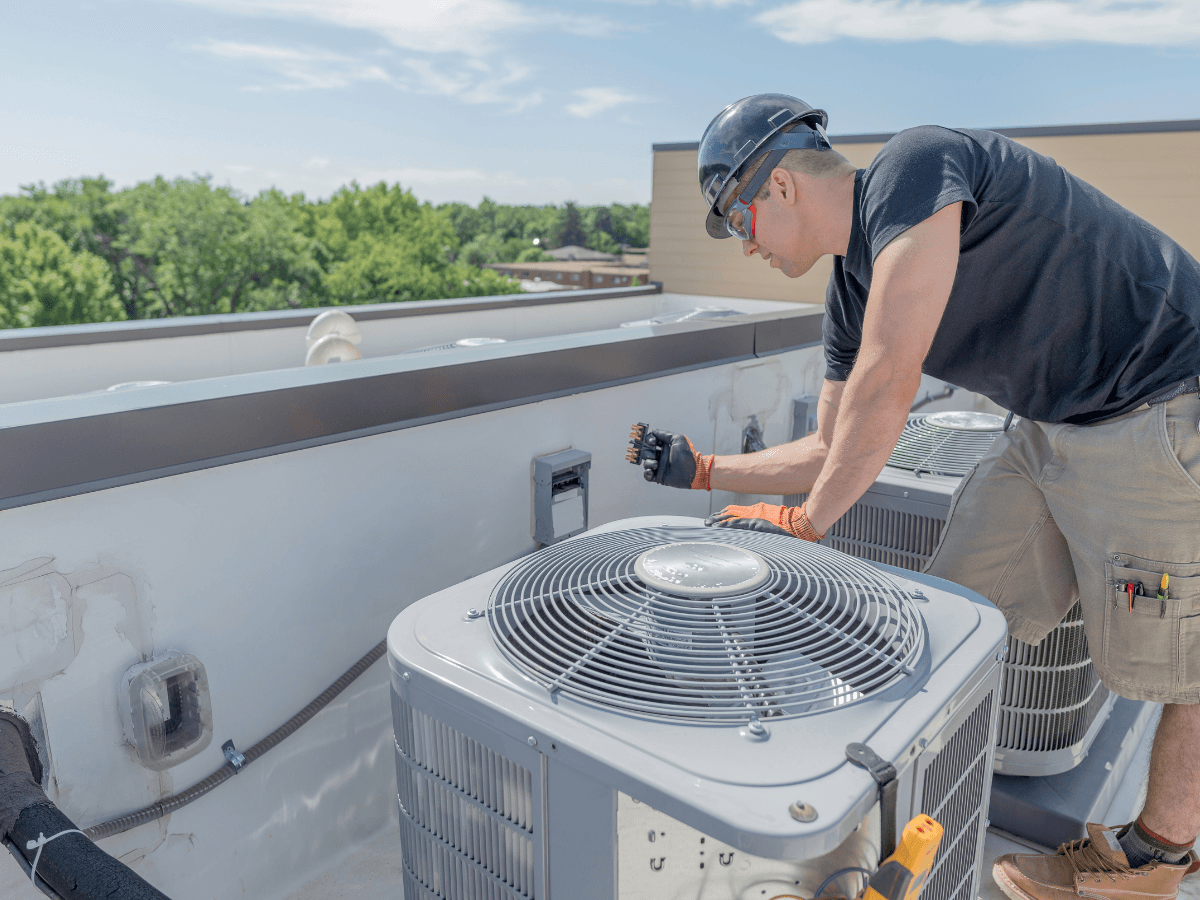
HVAC age matters because mechanical components wear, efficiency standards change, and the likelihood of major repairs generally increases as equipment gets older. But age should be used as context, not as a stand-alone replacement rule.
A 16-year-old system that has been maintained consistently and still performs reliably may have useful life left. A younger unit with repeated compressor failures, severe corrosion, or chronic refrigerant leaks may be a stronger replacement candidate.
The most meaningful signs new HVAC equipment may be needed appear when age is combined with declining condition, major component problems, or increasingly limited repair value.
HVAC Lifespan Varies by Equipment Type
There is no single lifespan that applies to every heating and cooling system. Central air conditioners commonly serve homes for roughly 10 to 20 years, while furnaces may remain operational for 15 to 20 years or longer under favorable conditions.
Heat pumps can experience substantial annual use because the same equipment handles both heating and cooling, so operating conditions and maintenance can have a significant effect on service life.
These ranges are planning benchmarks rather than expiration dates. Climate also matters. Atlanta’s long cooling season can place substantial operating demand on air-conditioning equipment, particularly if a unit is undersized, poorly maintained, or regularly operates with restricted airflow.
For furnaces approaching the later stages of their expected service life, understanding what is involved in furnace replacement can help homeowners plan ahead rather than making a rushed decision after a winter breakdown.
Maintenance History Can Matter as Much as Calendar Age
Two 12-year-old HVAC systems can be in dramatically different condition. A system that has received regular filter changes, coil cleaning, electrical inspections, drain maintenance, and other preventive service may experience less unnecessary strain than equipment that has been neglected for years.
Maintenance cannot prevent normal wear indefinitely, but it can identify developing problems before they create secondary damage. Restricted airflow, dirty coils, weak electrical components, and drainage problems can force equipment to operate under conditions that accelerate wear.
Regular HVAC maintenance can therefore influence how much useful service a system delivers before replacement becomes necessary.
Homeowners considering replacement should look at the service record as part of the decision. An older unit with documented maintenance and few repairs deserves a different evaluation from one with an unknown history and repeated neglected problems.
Major Component Failures Carry More Weight on Older Systems
Not every repair has the same significance. Replacing a capacitor, thermostat, contactor, or another relatively modest component may make sense even on older equipment if the rest of the system remains sound.
A failure involving the compressor, heat exchanger, major coil, or another expensive component creates a different calculation. The age of the system matters because investing heavily in one major repair does not renew all of the other aging components around it.
For example, replacing an expensive part on a system that already has substantial corrosion, declining efficiency, and other worn components may restore operation without restoring long-term reliability.
This is where replacement decisions should account for both the immediate repair and the overall condition of the equipment.
Refrigerant Leaks Need a Diagnosis, Not Repeated Recharging
Low refrigerant is not a normal consequence of an air conditioner getting older. HVAC systems operate as closed refrigerant circuits. When the refrigerant charge is low, there is usually a leak or another underlying problem that should be identified.
A small repairable leak does not automatically justify replacing the system. The decision changes when leaks recur, the damaged component is expensive to replace, or the equipment is already nearing the later part of its useful life.
Older equipment may also use refrigerants that are increasingly expensive or less practical to service as regulations and product availability change. The refrigerant type should therefore be part of the repair-versus-replace discussion when significant refrigeration-system work is required.
Repeatedly adding refrigerant without addressing the source of the loss does not resolve the underlying failure.
Corrosion Can Range From Cosmetic to Structurally Important
Rust or corrosion deserves inspection, but its location and severity matter. Light surface corrosion on an outdoor cabinet is different from deterioration affecting refrigerant coils, electrical connections, drain pans, burners, or heat exchangers.
Moisture, condensate problems, outdoor exposure, chemical contaminants, and normal aging can all contribute to corrosion. Once deterioration compromises a critical component, repair options may become more expensive or less practical.
For heating equipment, corrosion or cracking affecting combustion-related components can also raise safety concerns. Those conditions require professional evaluation rather than continued operation based solely on whether the furnace still produces heat.
Efficiency Decline Should Be Confirmed, Not Assumed
Older equipment may be less efficient than current systems, but a higher utility bill alone does not prove the HVAC unit has reached the end of its life.
Dirty filters, duct leakage, thermostat problems, low refrigerant, building-envelope issues, and deferred maintenance can all reduce system performance.
A technician can compare operating temperatures, airflow, electrical performance, refrigerant conditions, and other measurements to determine whether the equipment itself is deteriorating or whether a correctable problem is responsible.
This distinction can prevent homeowners from replacing a functioning system unnecessarily.
Age Becomes Most Important When Several Problems Converge
The signs new HVAC equipment is worth considering become more persuasive when multiple factors occur together.
An aging system with one inexpensive repair may reasonably remain in service. An aging system with a major component failure, recurring refrigerant problems, noticeable corrosion, declining performance, and a growing repair history presents a very different risk.
Instead of applying a rigid replacement age, homeowners should evaluate four things together: equipment age, current condition, repair cost, and expected reliability after the repair. That approach makes HVAC lifespan useful as a planning tool rather than an arbitrary deadline.
How Do Energy Efficiency, Indoor Air Quality, and Comfort Affect HVAC Replacement Decisions?
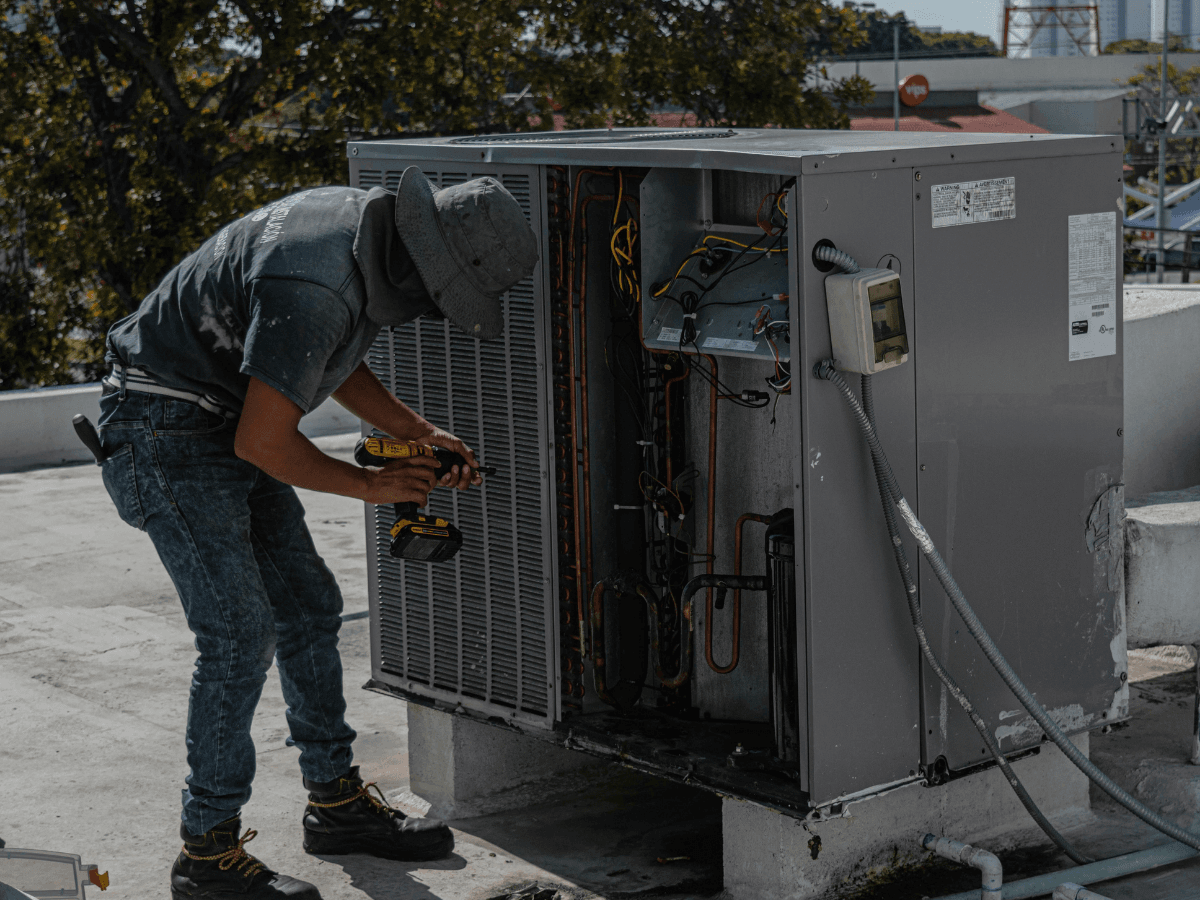
Energy bills, air quality, and comfort can all reveal HVAC problems, but none of them automatically means the equipment needs to be replaced. Each symptom can also come from maintenance issues, ductwork problems, filtration choices, humidity, insulation, or controls that may be corrected without installing a new system.
The more useful approach is to determine whether the HVAC equipment itself is responsible and whether correcting the problem through repair still makes financial and practical sense.
Among the signs new HVAC equipment may be worth considering, declining efficiency becomes more meaningful when it appears alongside persistent comfort problems or limitations that cannot be resolved with normal service.
Look for Changes in Energy Use, Not Just a High Bill
A high utility bill by itself tells homeowners very little about HVAC condition. Electricity and gas rates change. Outdoor temperatures vary from year to year. Household occupancy, thermostat settings, appliance use, and home improvements can all influence monthly costs.
A better indicator is a change in how much energy the home appears to need under similar conditions. If cooling costs have gradually increased over several comparable summers while thermostat settings and household habits have remained largely consistent, the HVAC system deserves closer evaluation.
Longer operating cycles, reduced cooling output, dirty coils, airflow restrictions, refrigerant problems, or worn mechanical components can all increase energy consumption.
Before replacing equipment, however, those correctable causes should be ruled out. Otherwise, homeowners risk installing a new system without addressing the problem responsible for the excessive energy use.
Compare Efficiency Improvements With the Cost of Replacement
New HVAC equipment can offer higher efficiency than an older system, particularly when replacing technology installed many years ago. That does not mean every efficiency improvement produces enough savings to justify immediate replacement.
The financial value depends on the condition of the existing equipment, how heavily it operates, local energy costs, the efficiency of the replacement system, and how long the homeowner expects to remain in the property.
Equipment sizing matters as well. Installing a higher-efficiency system that is poorly sized or paired with inadequate ductwork can compromise comfort and performance.
Efficiency ratings are therefore useful comparison tools, but they should be considered alongside proper system design rather than treated as the sole reason to upgrade.
Poor Indoor Air Quality Does Not Automatically Mean the HVAC Unit Is Failing
Dust, odors, humidity problems, and airborne irritation are sometimes blamed on the HVAC system when the underlying cause lies elsewhere.
Indoor air quality can be affected by pets, cooking, moisture intrusion, outdoor pollen, renovation dust, cleaning products, ventilation, duct leakage, and the type and condition of the air filter.
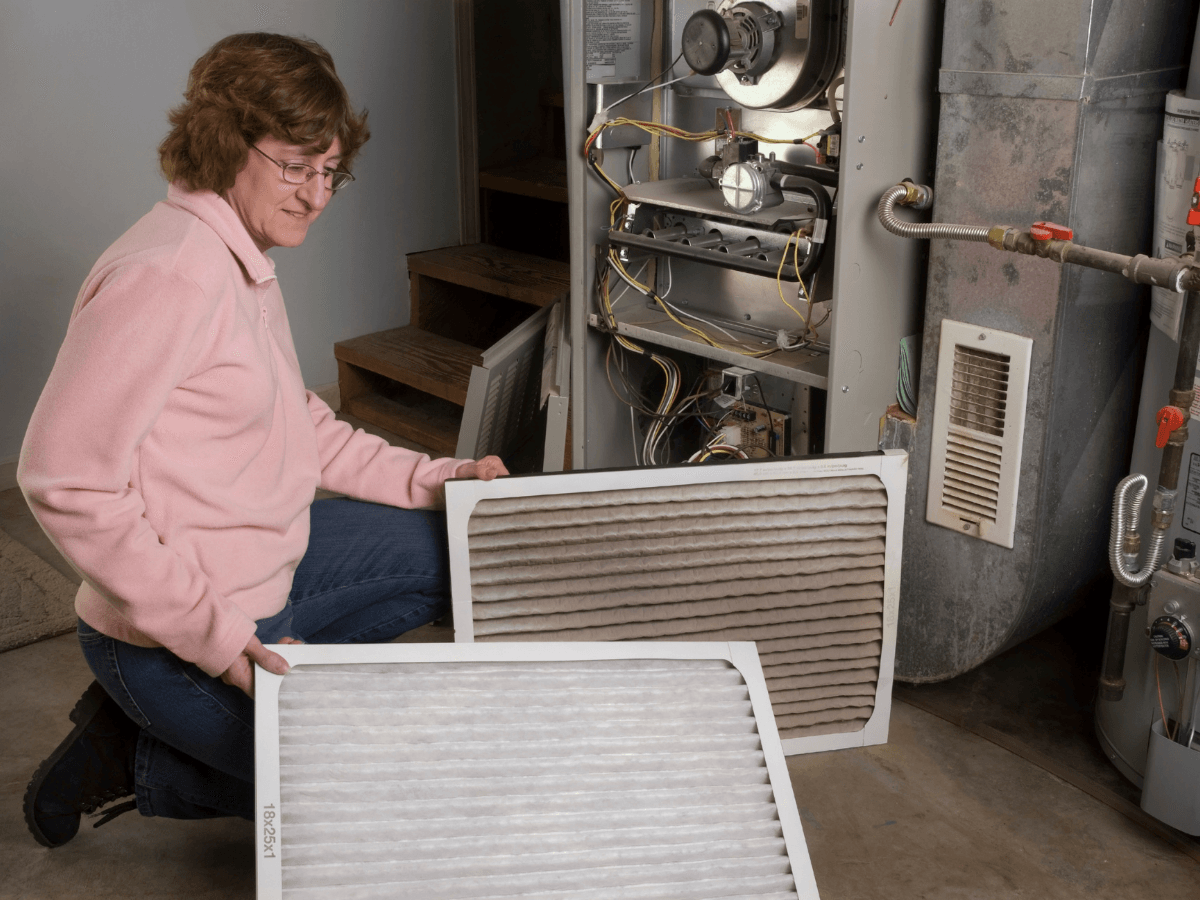
A clogged or unsuitable filter can restrict airflow while also reducing effective particle control. Choosing furnace filters that balance filtration and airflow may address some air-quality concerns without changing the heating or cooling equipment.
Visible dust around registers is also not proof that the HVAC unit needs replacement. The source should be identified before equipment decisions are made.
Ductwork Can Affect Both Efficiency and Comfort
The furnace or air conditioner is only one part of the HVAC system.
Leaking, damaged, poorly designed, or restricted ducts can contribute to temperature differences between rooms, weak airflow, longer equipment run times, and higher energy consumption. Replacing the indoor and outdoor equipment does not automatically correct those problems.
Duct condition becomes especially important in older homes where the distribution system may have been modified repeatedly or where additions have changed the amount of conditioned space.
Accumulated contamination can create a separate maintenance concern in some systems. Understanding when professional air duct cleaning is appropriate can help distinguish a duct-related issue from a problem requiring equipment replacement.
Any replacement evaluation should therefore consider how effectively conditioned air is actually reaching the living space.
Humidity Problems Need Their Own Diagnosis
Atlanta’s humid climate can make moisture control an important part of indoor comfort. An air conditioner naturally removes some moisture while cooling, but excessive indoor humidity can result from several different conditions.
Equipment that is improperly sized, short cycling, operating incorrectly, or struggling to cool may contribute. Building-envelope problems, ventilation, moisture intrusion, and outdoor conditions can also play a role.
A new HVAC system may improve humidity control when the existing equipment is genuinely responsible for the problem, especially if the replacement is sized and configured correctly.
It should not be presented as a universal solution to every humid home. That distinction matters because replacing otherwise functional equipment will not fix moisture entering through a crawl space, roof leak, plumbing problem, or other non-HVAC source.
New Equipment Cannot Compensate for Every Comfort Problem
A common replacement expectation is that a new system will automatically make every room the same temperature. In practice, comfort depends on more than equipment efficiency.
Insulation levels, solar exposure, window performance, duct layout, air leakage, thermostat location, room additions, and airflow all influence indoor temperatures.
If a bedroom has always been warmer because it receives intense afternoon sun and has inadequate insulation, replacing the air conditioner alone may produce only limited improvement.
This is why comfort complaints should be diagnosed before selecting replacement equipment. The goal is not merely to install a newer unit but to understand what prevents the home from reaching the desired conditions.
Replacement Makes More Sense When the Limitations Are Equipment-Related
Efficiency, air quality, humidity, and comfort become meaningful signs new HVAC equipment should be considered when an evaluation shows that the existing system itself is the limiting factor.
An older unit may no longer deliver adequate capacity or efficiency despite being maintained correctly. Major components may be deteriorating. The equipment may also lack practical compatibility with comfort or control improvements the homeowner wants to make.
The decision is stronger when several issues converge rather than when one symptom appears on its own. Before replacing an HVAC system, homeowners should know which problems are caused by the equipment, which originate elsewhere in the home, and which improvements a new system can realistically provide.
That distinction leads to better equipment choices and reduces the risk of paying for a replacement that does not solve the original comfort or efficiency problem.
Should You Repair or Replace Your HVAC System?
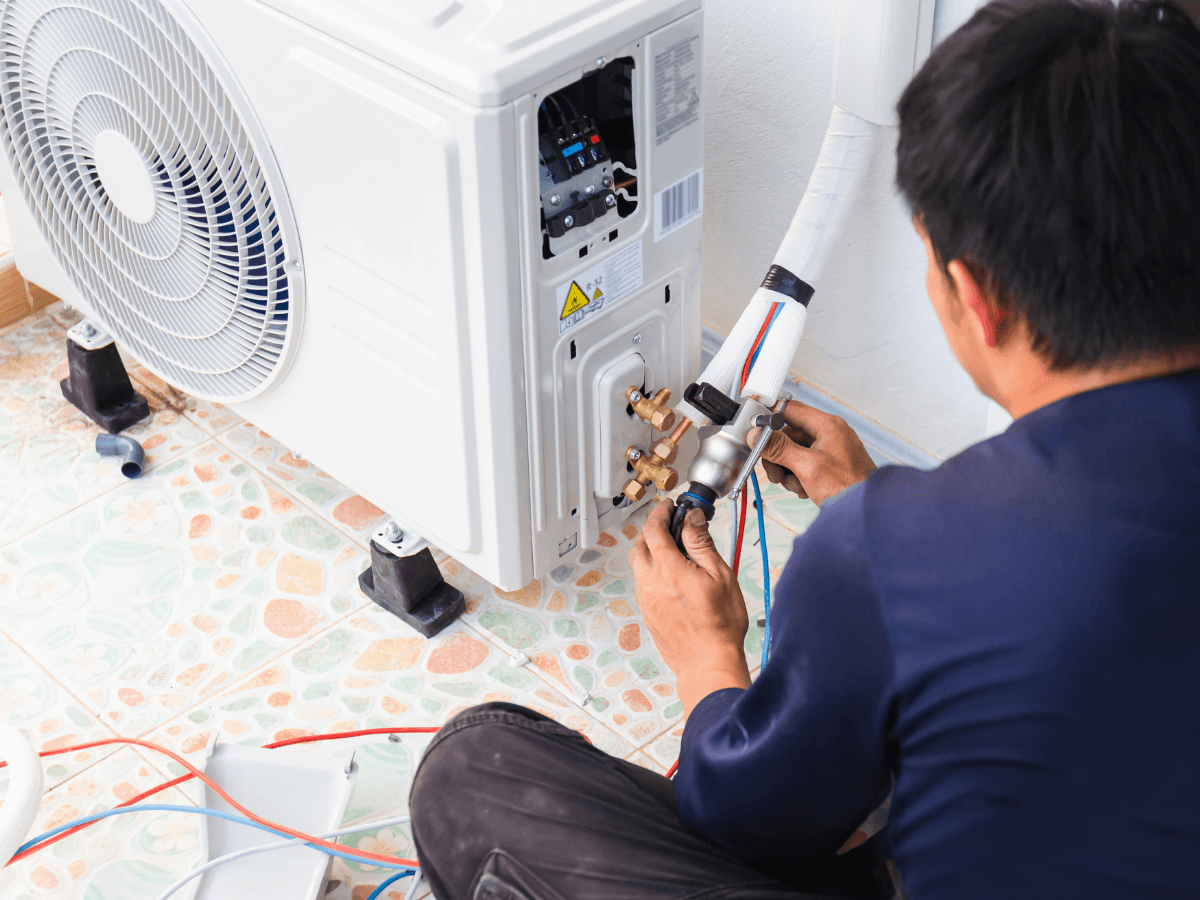
Deciding whether to repair or replace an HVAC system is rarely as simple as comparing one repair bill with the price of new equipment. A better decision considers what the repair will actually buy you: more dependable service, a meaningful extension of system life, or only a temporary return to operation.
The strongest signs new HVAC equipment may be the better investment usually appear when several factors converge. System age, repair severity, warranty status, efficiency, comfort, and expected future reliability all matter.
Homeowners should also consider how a replacement fits their budget and whether the proposed equipment is appropriate for the home rather than simply choosing the lowest installation price.
Start With What the Current Repair Will Accomplish
A repair can be the sensible choice when the system is otherwise reliable and the failed component is relatively minor.
For example, replacing an electrical component on a unit that has been dependable for years is very different from investing in a major repair on aging equipment with several other deteriorating parts.
Ask what condition the system is likely to be in after the repair. Will the work address an isolated problem, or are there signs that additional failures may follow?
Warranty coverage changes the calculation too. A significant component replacement may be much easier to justify when the part is covered than when both parts and labor require a substantial out-of-pocket expense.
For cooling problems, a proper AC repair diagnosis should identify the fault before homeowners make a replacement decision based on symptoms alone.
Compare More Than the Repair and Replacement Prices
The lowest immediate cost is not always the lowest long-term cost, but replacement is not automatically the better financial choice either.
A useful comparison includes:
- the current repair cost
- recent money already spent on the system
- likely additional repairs
- remaining warranty coverage
- expected useful life after repair
- operating costs
- replacement price and financing cost
Previous repair spending should provide context, but homeowners should avoid replacing equipment simply because they have already invested money in it. The relevant question is what each option is likely to cost and deliver from this point forward.
This is also why rigid formulas such as replacing any system once a repair reaches a certain percentage of replacement cost can be misleading. A major repair on a relatively young, otherwise healthy system may still make sense, while a smaller repair on severely deteriorated equipment may not.
Decide Whether Replacement Solves a Problem You Actually Have
If replacement is being considered, define what the new system needs to improve. Some homeowners primarily need reliability. Others are trying to improve cooling performance, humidity control, operating costs, noise, or compatibility with newer controls.
Those goals affect equipment selection. Reviewing what to consider when buying a new HVAC system can help homeowners move beyond a basic brand-and-price comparison.
A replacement should also address any problems outside the equipment itself. New heating and cooling units cannot correct undersized ductwork, poor insulation, significant air leakage, or badly designed airflow simply because the machinery is newer.
Look at the Complete Replacement Proposal
Replacement estimates can vary because contractors may be proposing different equipment, accessories, warranties, or installation scopes. Compare what is actually included rather than evaluating only the final number.
A useful proposal should make the equipment being installed clear and explain important aspects of the job, such as system capacity, efficiency ratings, removal of existing equipment, electrical or drain work when applicable, thermostat requirements, warranty terms, and any modifications needed for proper installation.
Sizing deserves particular attention. Replacing an old unit with equipment of the same nominal capacity does not automatically mean the new system is correctly sized. Changes to insulation, windows, additions, ductwork, or the home’s use may affect heating and cooling needs.
Include Financing in the Real Project Cost
Financing can make HVAC replacement easier to manage, particularly when equipment fails unexpectedly, but monthly payment size should not replace comparison of the total cost.
Homeowners should review the interest rate, term, promotional conditions, fees, and total amount repaid before choosing a financing plan. CoolPro’s available HVAC financing options can be considered alongside cash payment and other funding sources when budgeting for replacement.
Available rebates, manufacturer promotions, utility incentives, and tax provisions may also affect the net cost of qualifying equipment.
Because these programs and eligibility requirements can change, homeowners should verify what is currently available when they are ready to purchase rather than assuming an incentive will apply.
Compare Contractors as Carefully as Equipment
The quality of an HVAC replacement depends on more than the name on the equipment cabinet.
When comparing contractors, ask how the system size was determined, what installation work is included, who handles warranty registration, whether permits are required, and how any duct or airflow concerns will be addressed.
Written proposals should be detailed enough to make meaningful comparisons possible. A much lower bid may simply exclude work another contractor has included.
Homeowners should also verify applicable licensing and insurance requirements and understand both manufacturer and labor warranty terms before signing an agreement.
Repair Is Usually Better When the System Still Has Good Value
Repair often remains reasonable when the equipment is not near the end of its expected service life, the problem is isolated, major components remain in good condition, and the repair is expected to restore reliable operation.
Replacement becomes more compelling when the signs new HVAC equipment is needed begin stacking up: an aging system, significant component failure, repeated service calls, deteriorating performance, limited warranty coverage, and an expensive repair that still leaves substantial uncertainty about future reliability.
The goal is not to keep an old system operating at any cost or replace equipment at the first sign of trouble. It is to choose the option that offers the strongest combination of reliability, comfort, and value from this point forward.
What HVAC Efficiency Standards and Technologies Matter in 2026?
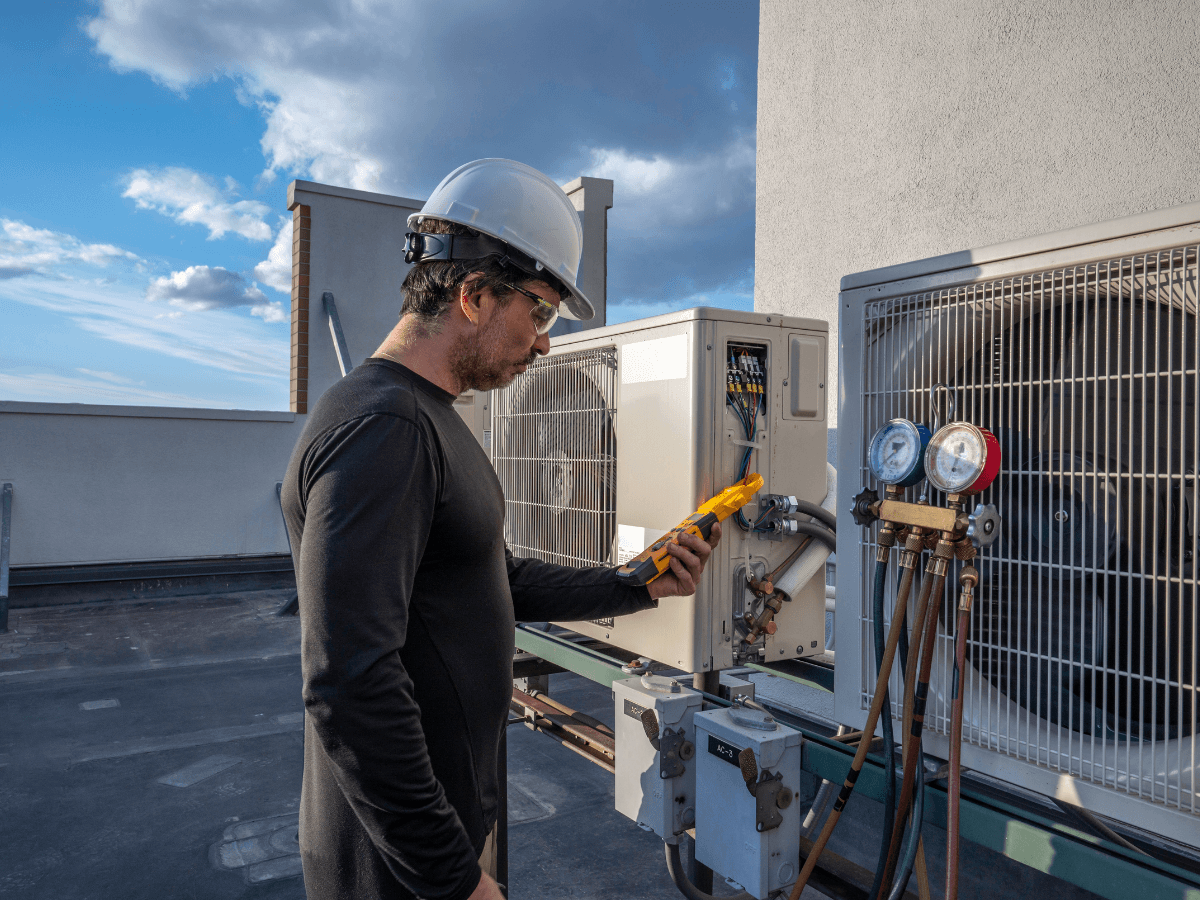
Homeowners shopping for HVAC equipment in 2026 are encountering several changes at once, including newer efficiency metrics, a major refrigerant transition, and more sophisticated controls.
These developments can matter when an older system is already showing signs new HVAC equipment may be needed, but they should not be treated as reasons to replace functioning equipment prematurely.
The practical question is how current technology changes the options available when replacement already makes sense. Understanding a few terms can make equipment proposals easier to compare and help homeowners avoid paying for features that do not match their needs.
SEER2 and HSPF2 Are the Current Efficiency Metrics
Homeowners comparing a new air conditioner or heat pump will commonly see SEER2 rather than the older SEER rating. SEER2 measures seasonal cooling efficiency using an updated federal testing procedure introduced in 2023. Heat pumps are also evaluated using HSPF2 for seasonal heating performance.
These newer ratings are designed to represent equipment performance under updated testing conditions, so an old SEER number should not be compared directly with a SEER2 rating as though the scales were identical.
Minimum efficiency requirements also vary according to equipment type and, in some cases, region. Georgia falls within the Southeast region for residential central air-conditioning standards.
A higher efficiency rating can reduce energy consumption under comparable conditions, but the highest available rating is not automatically the best financial choice.
Equipment price, household cooling demand, installation quality, expected ownership period, and local electricity costs all affect whether paying for additional efficiency is worthwhile.
The Refrigerant Transition Changes New Equipment Choices
One of the most important HVAC changes affecting homeowners in 2026 is the transition toward refrigerants with lower global warming potential.
For years, R-410A was widely used in residential air conditioners and heat pumps. Current federal rules have shifted new residential and light-commercial equipment toward refrigerants with a global warming potential below the applicable limit.
Depending on the manufacturer and equipment line, homeowners may encounter alternatives such as R-454B or R-32. That does not mean an existing R-410A system suddenly became obsolete.
Components and refrigerant can still be used to service legacy systems under applicable rules, so homeowners do not need to replace functioning equipment simply because it uses R-410A.
The refrigerant transition becomes more relevant when comparing a major repair with complete replacement. In that situation, homeowners should ask what refrigerant the proposed new system uses, whether technicians are trained to service it, and how future parts and refrigerant availability may affect ownership.
Smart Thermostats Add Control, Not Mechanical Efficiency
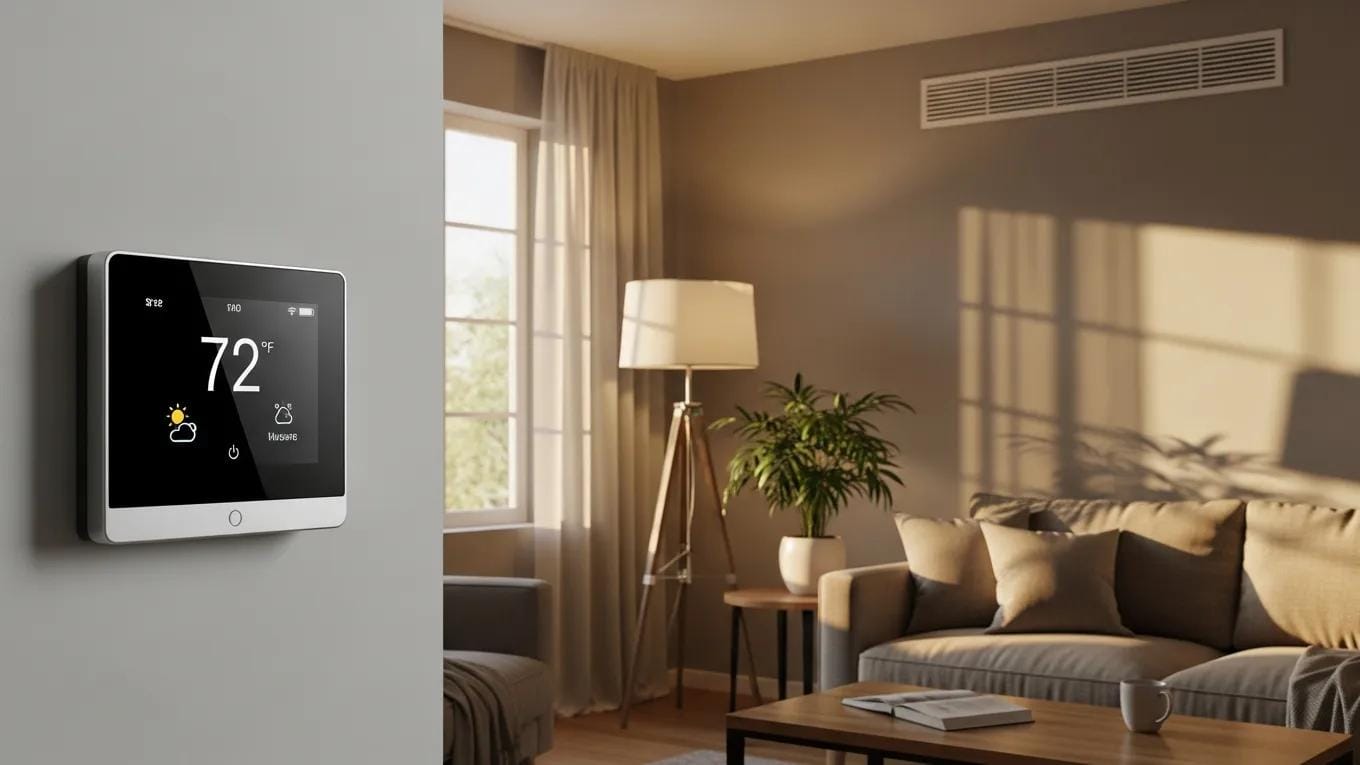
Smart thermostats are frequently presented alongside high-efficiency HVAC equipment, but the thermostat itself does not make a poorly performing air conditioner mechanically more efficient. Its value comes from control.
Scheduling, remote adjustments, occupancy-based settings, energy-use information, and compatible room sensors can reduce unnecessary operation and make it easier to manage comfort. Some systems can also coordinate humidity settings or communicate more extensively with compatible HVAC equipment.
The range of smart thermostat features for Atlanta homes can be useful when deciding which controls would actually improve day-to-day operation.
Compatibility should be confirmed before choosing a thermostat. More advanced communicating or variable-capacity systems may require specific controls to access their full functionality.
Variable-Speed and Modulating Equipment Can Improve Comfort
Efficiency improvements are not limited to headline ratings. Traditional HVAC equipment often operates at one primary output level. More advanced systems may use two-stage, variable-speed, or modulating technology to adjust operation according to the home’s current heating or cooling demand.
Instead of repeatedly switching between fully on and fully off, compatible equipment can operate for longer periods at lower output when conditions allow. This can support steadier temperatures, quieter operation, and, in cooling mode, better moisture removal under appropriate conditions.
These technologies are among the broader emerging HVAC technologies changing how residential systems manage comfort and energy use.
They also add complexity and can increase upfront cost. Homeowners should compare those advantages with their actual comfort priorities rather than assuming the most technologically advanced system is always necessary.
Heat Pumps Continue to Expand Heating and Cooling Options
Modern heat pumps provide both heating and cooling from one system and have become an increasingly important option in residential HVAC.
For Atlanta’s relatively mild winters, a properly selected heat pump may be worth comparing with conventional air conditioning paired with a furnace. Equipment configuration, existing utilities, home characteristics, electricity and fuel costs, and desired backup heat all influence the choice.
This is another area where efficiency ratings alone cannot determine the best system. The equipment needs to be sized and designed around the home it will serve.
New Technology Should Support a Better Replacement, Not Force One
Efficiency standards and technology can strengthen the case for upgrading once replacement is already justified. They are not, by themselves, signs new HVAC equipment must be installed.
A reliable existing system does not become a bad investment simply because newer equipment has smart controls, a different refrigerant, or a higher efficiency rating.
When replacement does make sense, current standards give homeowners an opportunity to reconsider more than the brand name. Refrigerant type, SEER2 and HSPF2 ratings, system staging, thermostat compatibility, humidity control, noise, warranty coverage, and installation requirements can all affect long-term satisfaction.
The best upgrade is therefore not necessarily the newest or highest-rated system available. It is the one whose efficiency, technology, capacity, and controls are properly matched to the home’s needs.
When Do Efficiency and Comfort Issues Signal HVAC Replacement?
Routine HVAC maintenance cannot make equipment last forever, but it can reduce avoidable strain and make developing problems easier to spot.
That distinction matters because homeowners are often trying to answer two different questions at once: How can I keep my current system running well, and how will I know when maintaining it no longer makes financial sense?
The best approach is to track how the system performs over time rather than waiting for a complete breakdown. Changes in run time, airflow, cooling or heating performance, repair frequency, and operating behavior can provide useful context when evaluating the signs new HVAC equipment may eventually be needed.
Handle Basic Maintenance Before It Becomes a Performance Problem
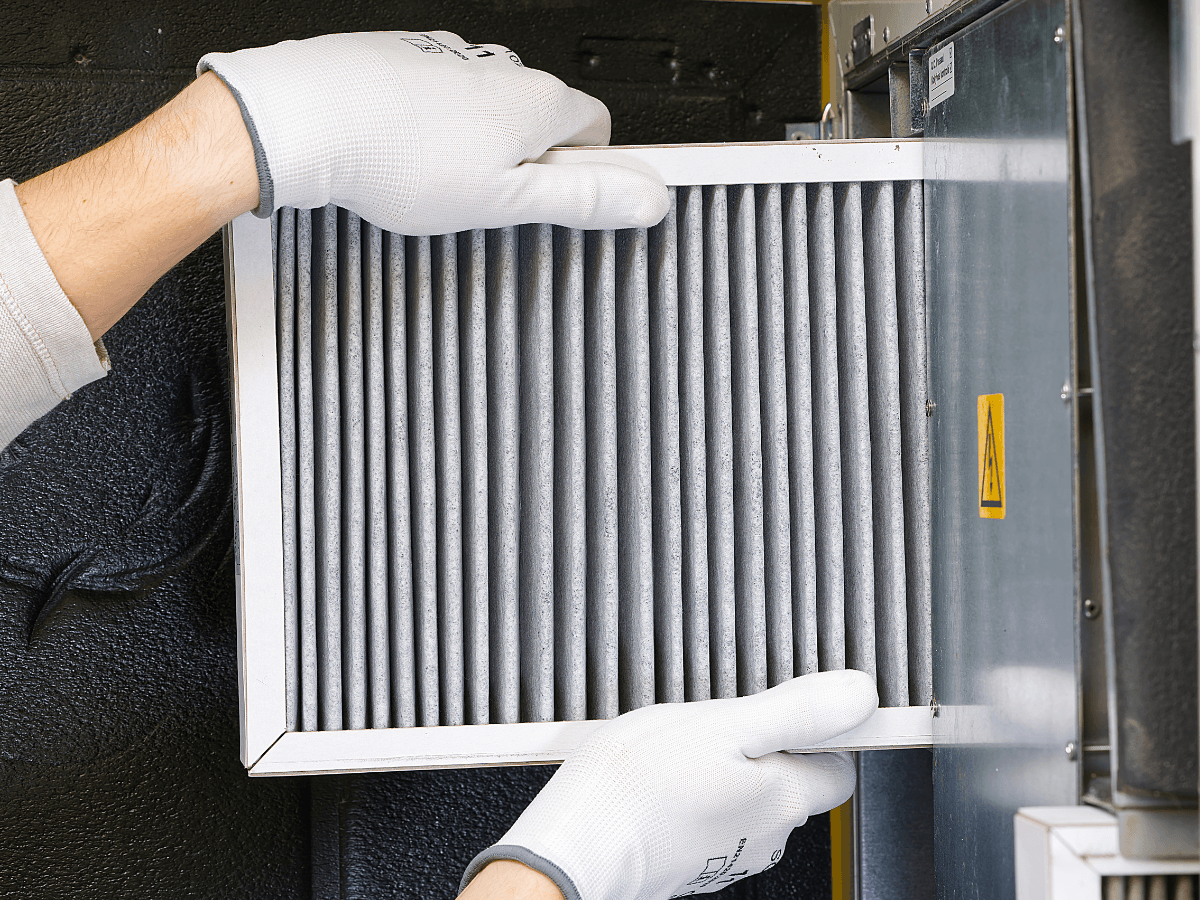
Some of the most useful HVAC maintenance tasks are also the simplest. Air filters should be checked regularly and cleaned or replaced according to the filter type, manufacturer recommendations, and conditions inside the home. Homes with pets, renovation dust, or heavy HVAC use may need more frequent attention.
A clogged filter restricts airflow and can make the equipment work harder than necessary. Homeowners with reusable filters should follow the proper AC filter cleaning process rather than assuming every filter can be washed.
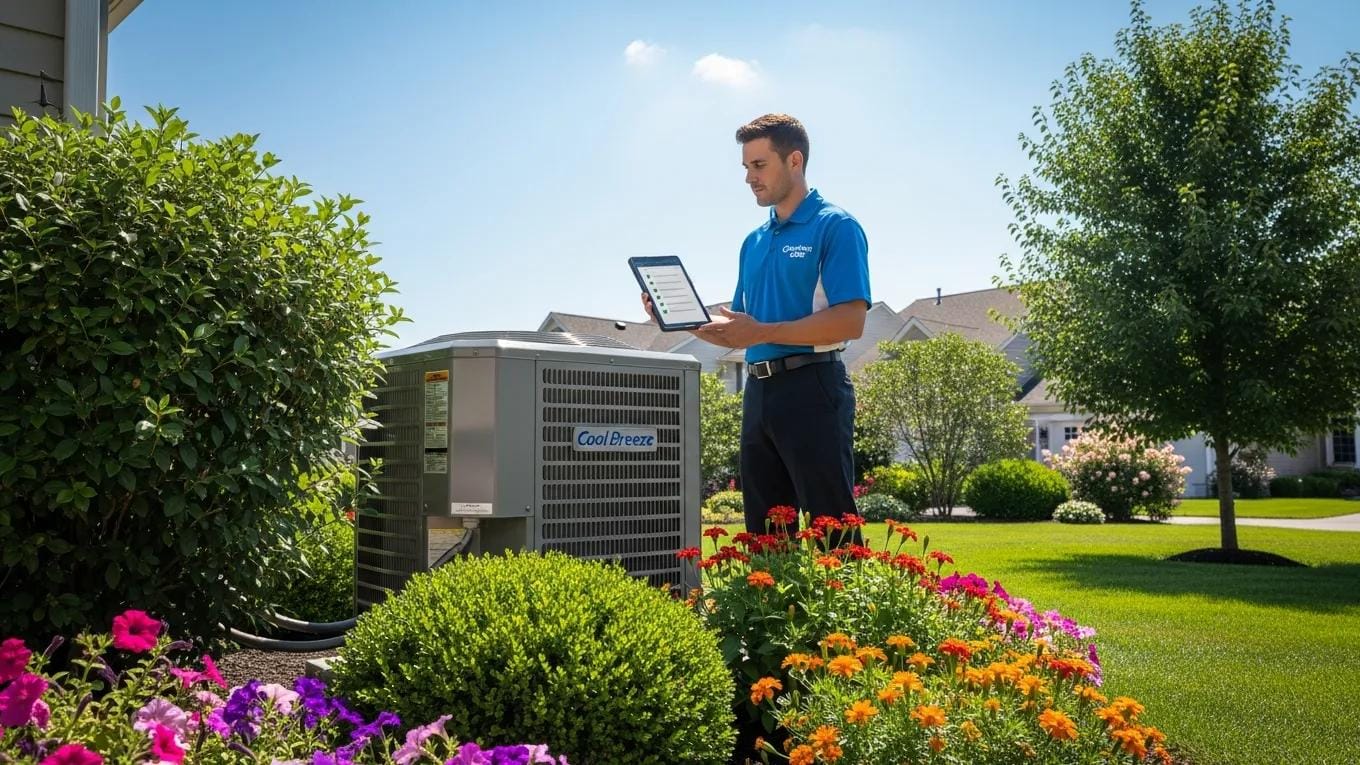
Keep the area around the outdoor unit clear of leaves, grass clippings, weeds, and other debris that can interfere with airflow. Indoor supply and return vents should also remain unobstructed by furniture, rugs, or stored items.
These small tasks do not replace professional service, but they remove common conditions that can make a healthy system appear to be failing.
Use Professional Maintenance to Track System Condition
A tune-up is most useful when it does more than confirm that the system turns on. Professional maintenance can identify electrical deterioration, drainage problems, abnormal operating conditions, airflow concerns, dirty components, and other issues before they become emergency repairs.
A detailed HVAC tune-up checklist also gives homeowners a clearer idea of what a thorough inspection may involve. Keeping service records makes this information more useful over time.
A single weak component may not be concerning. A pattern of declining readings, repeated part failures, or increasingly frequent repairs tells a different story. That history can become valuable when deciding whether another repair is worth making.
Monitor How the System Behaves Between Service Visits
Homeowners do not need specialized HVAC tools to notice meaningful changes.
Pay attention to the system’s normal behavior so departures from that pattern become easier to recognize. Useful observations include:
- significantly longer or shorter operating cycles
- weak airflow from registers
- delayed heating or cooling
- repeated thermostat adjustments needed to stay comfortable
- water appearing around indoor HVAC equipment
- new odors during operation
- breakers that trip repeatedly
- outdoor equipment behaving differently than usual
Not every change means the equipment is failing. A dirty filter, thermostat issue, blocked drain, or other repairable condition may be responsible.
The value of monitoring is not diagnosing the problem yourself. It is noticing a change early enough to have it evaluated before the system stops working altogether.
Do Not Ignore Problems That Return After Repair
A repaired HVAC system should generally return to normal operation once the underlying problem has been corrected. If the same symptom keeps returning, ask why.
Recurring low refrigerant, repeated electrical failures, condensate problems, or continuing comfort issues may indicate that the first repair addressed only part of the problem. They may also reveal deterioration elsewhere in the system.
This becomes particularly important with older equipment. Repeatedly correcting symptoms without understanding the larger condition of the system can result in a series of repairs that provide progressively less value.
How Do I Know If My HVAC System Needs Replacing?
There is no single test that determines whether an HVAC system must be replaced.
Replacement becomes more reasonable when multiple concerns occur together, particularly major mechanical deterioration, repeated repairs, poor performance despite appropriate maintenance, limited remaining warranty coverage, and equipment that is already well into its service life.
A system that needs one repair but otherwise operates reliably is not automatically a replacement candidate. One showing several of these signs new HVAC equipment may be needed deserves a broader repair-versus-replacement evaluation rather than another isolated repair decision.
Does Preventive Maintenance Extend HVAC Lifespan?
Preventive maintenance can help equipment avoid unnecessary wear and can identify problems while they are still manageable. It cannot guarantee a specific lifespan.
Installation quality, equipment design, operating hours, climate, airflow, household conditions, maintenance history, and component quality all influence how long a system remains useful.
Maintenance is therefore better viewed as a way to protect the equipment’s available service life rather than a method for achieving a predetermined number of years.
How Often Should an HVAC System Be Inspected?
Maintenance needs depend on the equipment and manufacturer requirements. Many homeowners arrange professional service before the periods of heaviest heating or cooling use, while filters and obvious airflow issues require attention more frequently.
The most important point is consistency. Skipping maintenance for years and arranging an inspection only after performance deteriorates removes much of the preventive value.
How Much Does HVAC Replacement Cost?
There is no meaningful single price for HVAC replacement because projects differ considerably. Equipment type and capacity, efficiency level, heating configuration, duct modifications, electrical work, installation accessibility, controls, permits, and other project requirements can all affect the final price.
Homeowners comparing estimates should confirm that the proposals cover the same scope. A lower number is not necessarily a better value if another proposal includes work that the cheaper quote omits.
Maintenance and monitoring cannot eliminate the eventual need for replacement, but they can make that transition far less unpredictable. A documented performance and repair history gives homeowners something more useful than guesswork when the time comes to decide whether continued repair still makes sense.
Conclusion
Recognizing the signs that a new HVAC system may be needed can help you avoid repeated breakdowns, rising energy costs, and unreliable comfort.
Frequent repairs, uneven temperatures, unusual noises, declining efficiency, and an aging system can all signal that replacement is worth considering. A professional evaluation can help determine whether another repair makes sense or whether upgrading to a newer, more efficient system offers better long-term value.
For expert HVAC guidance, replacement, and installation services, choose CoolPro Heating & Cooling. If you’re concerned about the condition of your current system, call 770-694-6232 to speak with the team at CoolPro Heating & Cooling or submit a Service Request today.