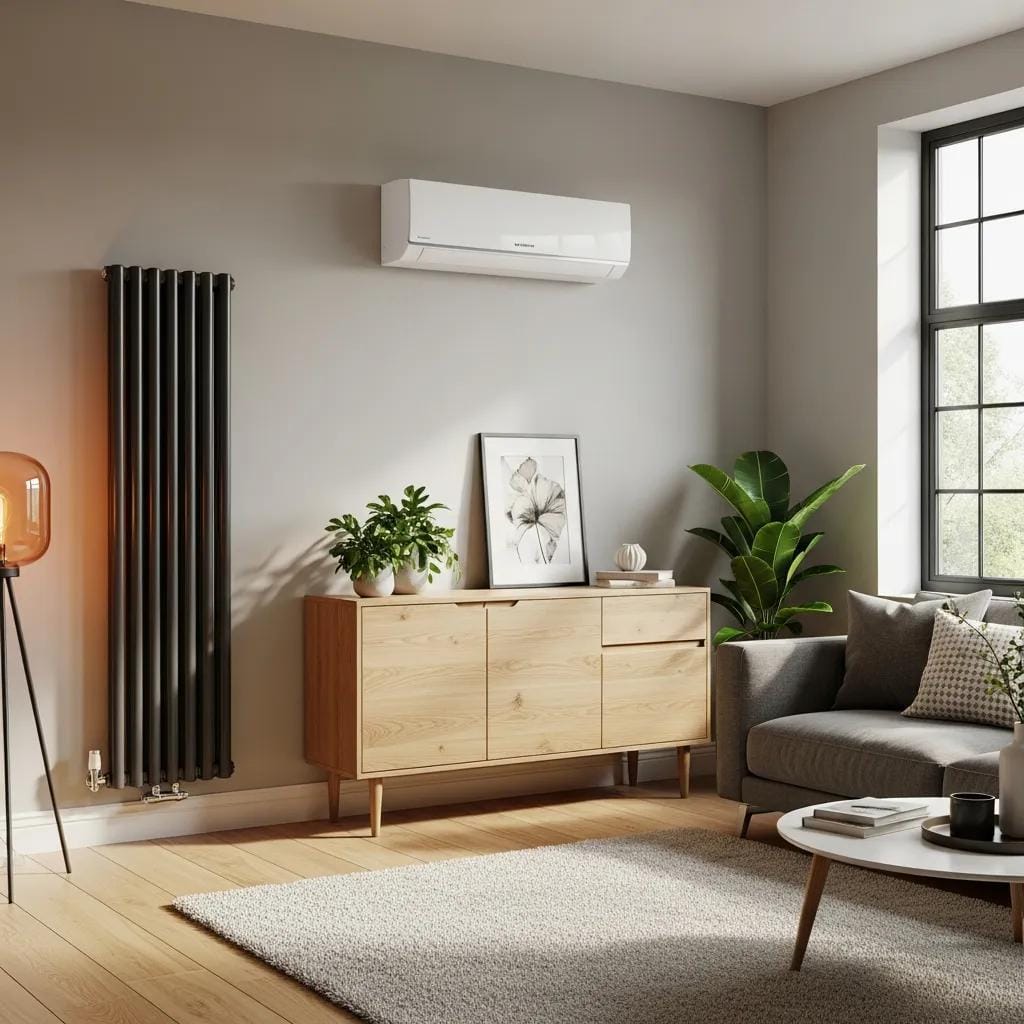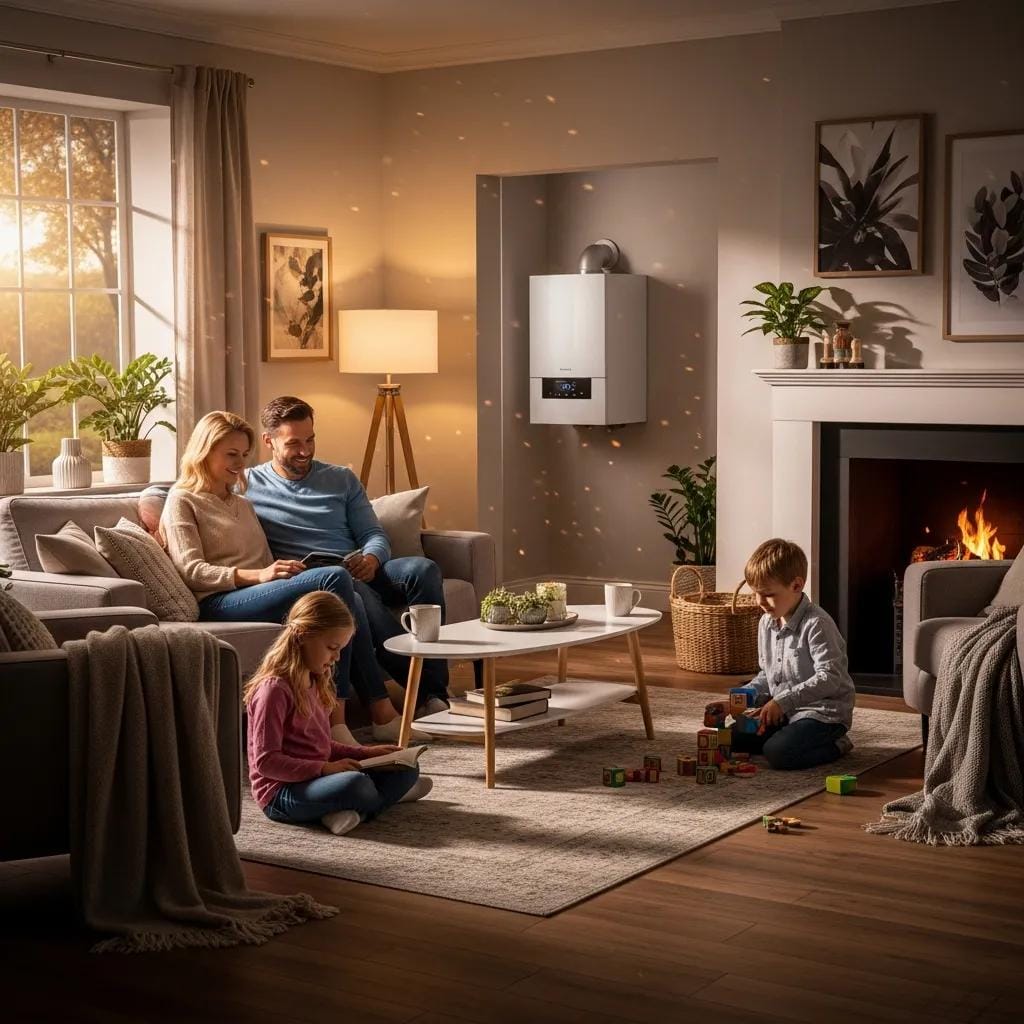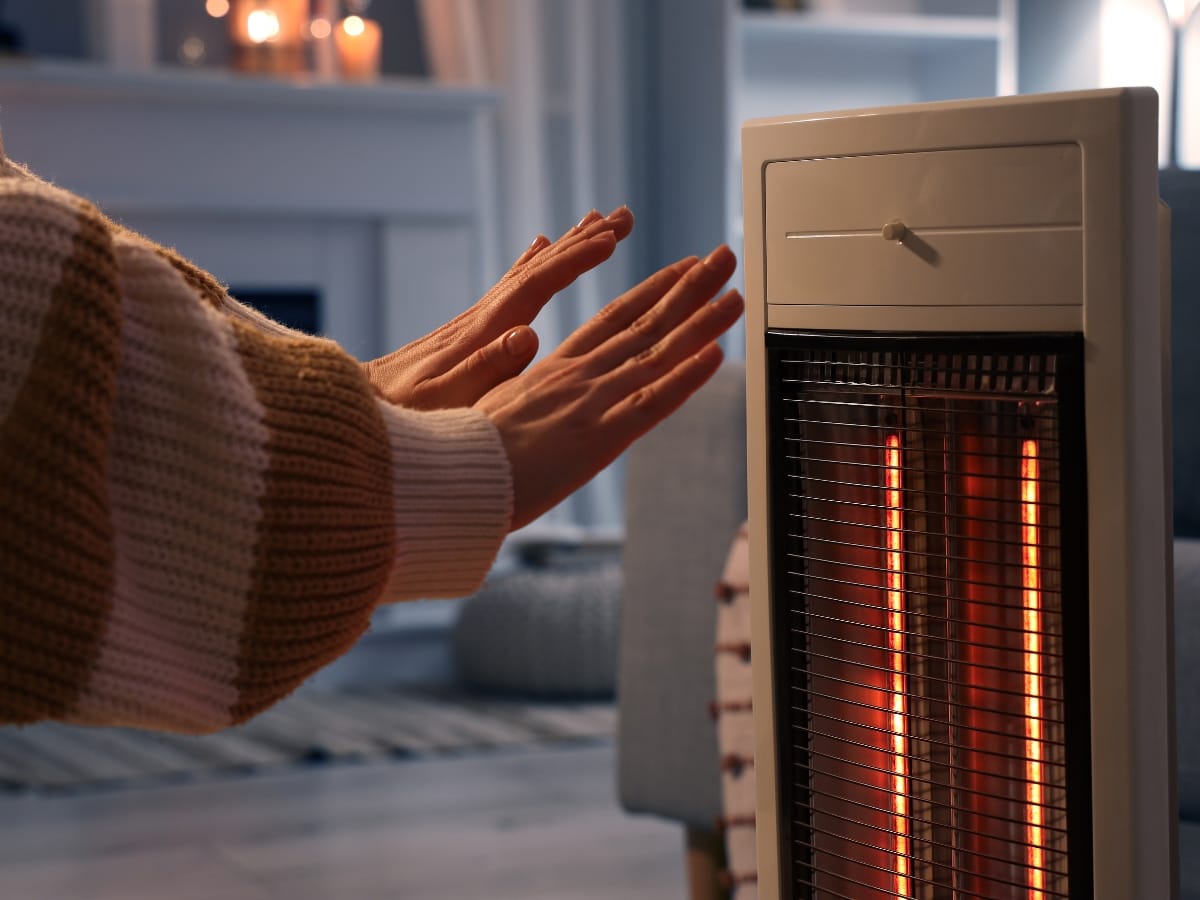
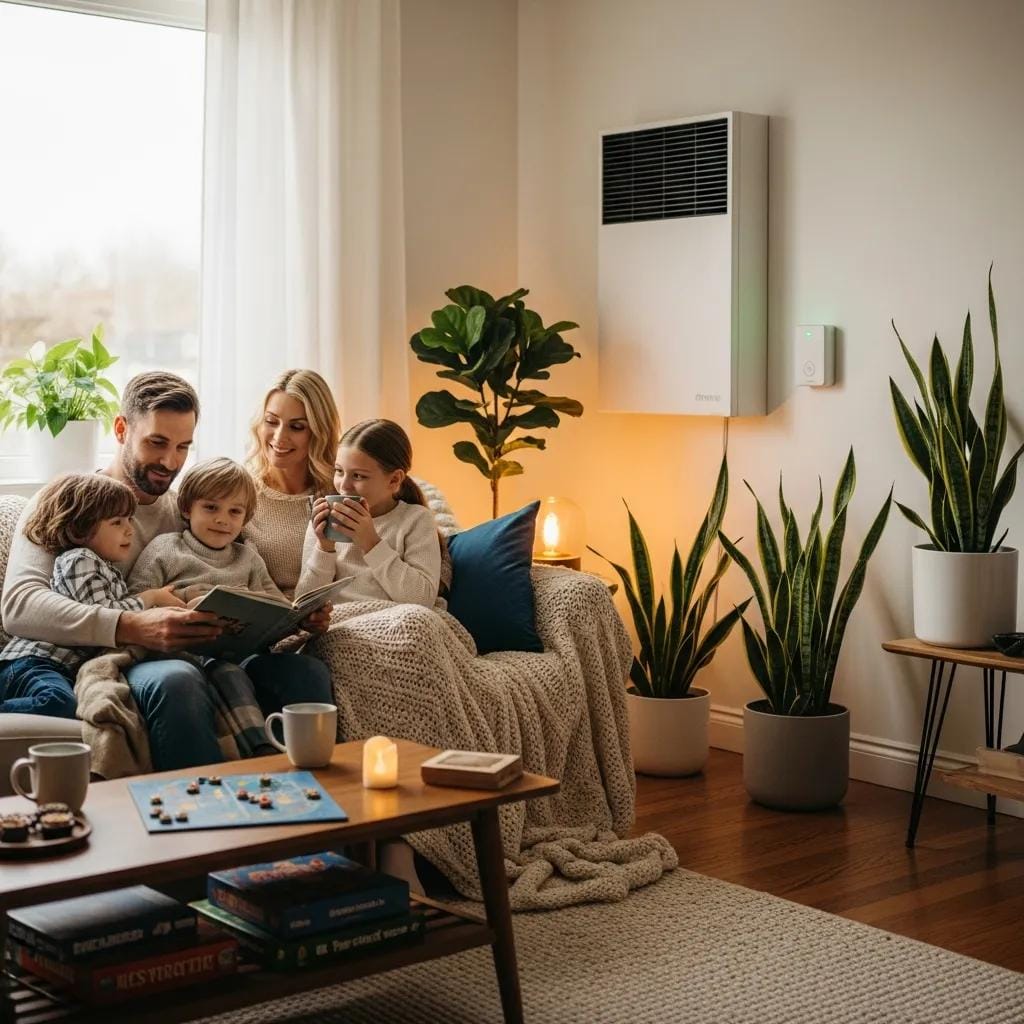
Carbon monoxide is often called the “silent threat” in a home because it has no color, smell, or taste. When HVAC systems malfunction, this dangerous gas can leak into living spaces without immediate warning. Preventing carbon monoxide leaks from HVAC systems is essential for protecting your household and ensuring your heating equipment operates safely.
Furnaces, boilers, and other fuel-burning systems rely on proper ventilation and well-maintained components to remove combustion gases. Cracked heat exchangers, blocked vents, or neglected maintenance can allow carbon monoxide to escape indoors. Even small issues can create serious safety risks over time.
Understanding how HVAC systems produce and vent combustion gases helps homeowners recognize warning signs early and take preventative steps that keep their homes safe throughout the heating season.
Safety Checks to Avoid Carbon Monoxide Leaks from HVAC
What Are The Key Risks And Symptoms Of Carbon Monoxide Poisoning?
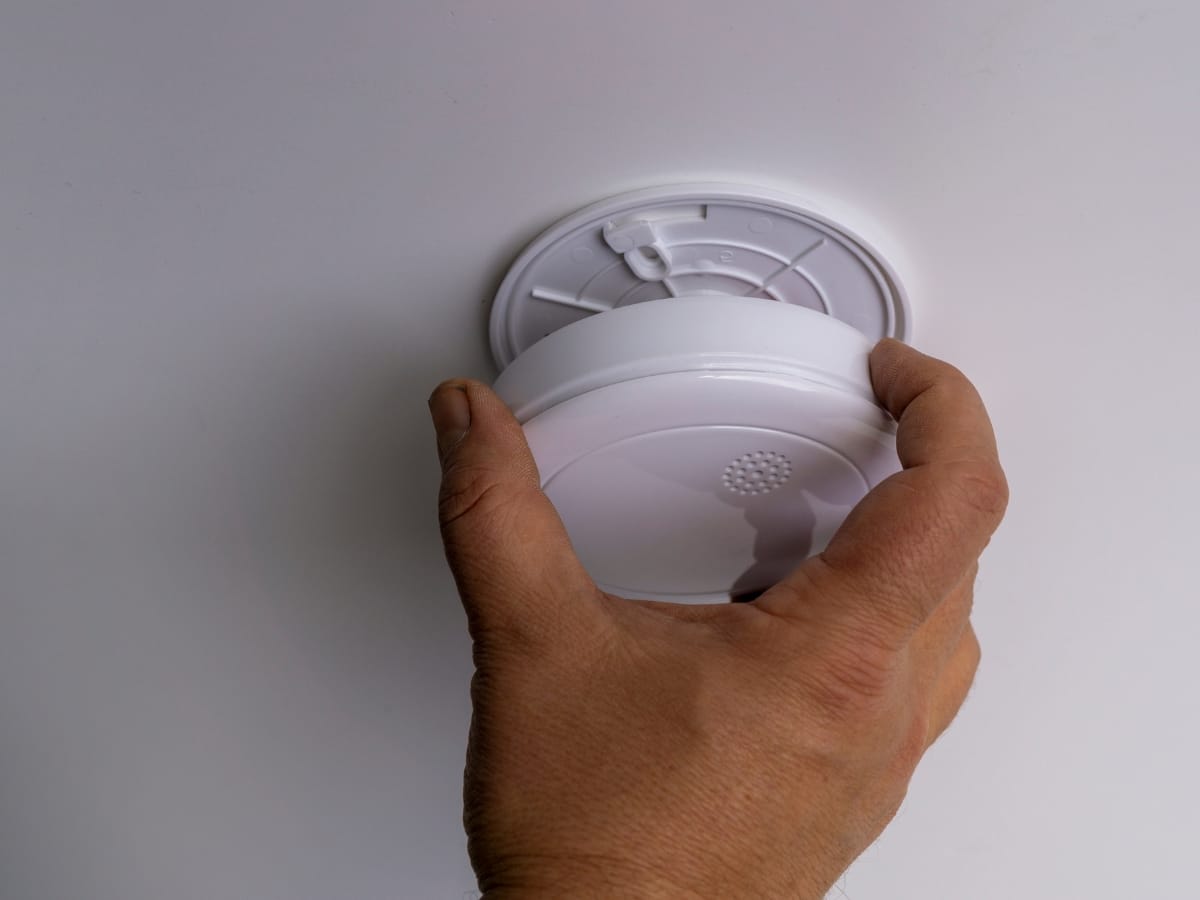
Carbon monoxide poisoning is a serious safety concern in homes, particularly when fuel-burning appliances malfunction or ventilation is inadequate. Carbon monoxide is a colorless and odorless gas, which makes it difficult to detect without proper monitoring devices. When it accumulates indoors, it can quickly become dangerous because people may not realize they are being exposed.
Many homes rely on heating systems, water heaters, or other equipment that can produce carbon monoxide during normal operation. When these systems are not working properly, the gas may build up in enclosed areas.
While carbon monoxide exposure is unrelated to plumbing problems such as low pressure in water systems, both issues highlight the importance of maintaining household infrastructure to prevent safety risks.
Because carbon monoxide cannot be seen or smelled, recognizing the early warning signs of exposure becomes extremely important. Awareness of symptoms can help individuals respond quickly and reduce the risk of serious health consequences.
How Carbon Monoxide Affects Health And Safety In Homes
Carbon monoxide affects the body by interfering with the blood’s ability to transport oxygen. When the gas is inhaled, it binds to hemoglobin in the bloodstream and reduces the amount of oxygen reaching vital organs. As oxygen levels decrease, the body begins to experience a range of symptoms that can worsen with continued exposure.
Early symptoms often resemble common illnesses such as fatigue or mild flu symptoms. This similarity sometimes makes it difficult for people to recognize that carbon monoxide is the cause. As exposure continues, symptoms typically become more severe and can affect the nervous system, heart, and brain.
Health effects may include headaches, dizziness, confusion, nausea, and unusual fatigue. In situations where exposure continues for a longer period, individuals may experience difficulty concentrating, impaired coordination, or loss of consciousness. Severe exposure can lead to permanent neurological damage or death if the situation is not addressed quickly.
Public health research has shown that carbon monoxide poisoning remains a significant safety concern. The Centers for Disease Control and Prevention reports that hundreds of people in the United States die each year from unintentional carbon monoxide exposure.
These incidents often occur in residential settings where heating equipment or other appliances produce the gas without proper ventilation.
While issues such as low pressure in plumbing systems are generally mechanical concerns, both plumbing and heating systems require proper maintenance. Maintaining household systems helps reduce risks related to both water flow problems and indoor air safety.
Recognizing Early Signs Of Carbon Monoxide Exposure
Recognizing the symptoms of carbon monoxide exposure is essential because early action can prevent serious health outcomes. The symptoms often begin gradually and may worsen as exposure continues. In many cases, several people in the same space may experience similar symptoms at the same time.
Some of the most common early warning signs include the following:
- Persistent headaches that gradually increase in severity
- Dizziness or a feeling of lightheadedness
- Nausea or stomach discomfort that appears suddenly
- Unusual fatigue or weakness that does not have a clear cause
These symptoms may initially appear mild, but they should never be ignored. If carbon monoxide exposure is suspected, leaving the area immediately and getting fresh air is the safest response. Once outside, individuals can seek medical evaluation and ensure that the source of the gas is identified.
Why Awareness And Monitoring Matter
Because carbon monoxide cannot be detected by human senses, prevention often depends on awareness and monitoring. Carbon monoxide detectors can provide early warning when gas levels begin to rise inside the home. These devices are particularly important near sleeping areas and in rooms where fuel-burning appliances operate.
Routine maintenance of heating equipment, chimneys, and ventilation systems also helps reduce the likelihood of carbon monoxide buildup. Appliances that burn fuel must be properly vented to ensure that gases are safely directed outside the home.
Although issues such as low pressure in plumbing systems are unrelated to air quality concerns, both types of household systems benefit from routine maintenance and careful monitoring. Keeping equipment in proper working condition helps create a safer home environment and reduces the risk of unexpected problems.
How Can Proper Furnace Maintenance Prevent Carbon Monoxide Leaks?

Heating systems play an important role in maintaining comfort and safety during colder months. Furnaces that burn fuel such as natural gas, oil, or propane can produce carbon monoxide as part of normal operation.
When these systems function properly, the gas is safely vented outside the home. When maintenance is neglected, however, mechanical problems may allow carbon monoxide to accumulate indoors.
Regular furnace maintenance helps reduce the risk of carbon monoxide leaks by ensuring that all parts of the system operate as intended. Inspections and routine upkeep allow small problems to be identified before they develop into safety hazards.
Although furnace maintenance is separate from plumbing concerns such as low pressure in household water systems, both types of maintenance highlight the importance of keeping home infrastructure in good working condition.
A properly maintained furnace burns fuel more efficiently, vents gases correctly, and circulates air safely throughout the home. Routine checks also help confirm that ventilation systems remain clear and that key components are free from damage.
Why Routine Furnace Inspections Matter
Professional inspections play a key role in identifying issues that may not be visible during normal use. Heating systems include multiple internal parts that must operate together to ensure safe combustion and ventilation. When these parts wear out or become blocked, gases may not be directed outside as intended.
Annual inspections are widely recommended for fuel-burning heating systems. During these inspections, technicians typically evaluate several important components:
- Burners and ignition systems to confirm proper operation
- Ventilation pathways that allow exhaust gases to exit the home
- Safety controls that regulate furnace performance
Inspecting these components regularly helps ensure that the furnace operates safely and efficiently throughout the heating season. Early detection of wear or damage reduces the chances that carbon monoxide could escape into living spaces.
Routine inspections also provide an opportunity to identify airflow problems. Restricted airflow can affect furnace performance and lead to overheating or incomplete combustion. In some cases, airflow issues may be related to clogged filters or blocked vents.
Although airflow problems in heating systems differ from plumbing issues such as low pressure in water lines, both situations show how system restrictions can affect performance and safety.
Checking For Blockages And Heat Exchanger Damage
Two of the most important areas to inspect in a furnace are the ventilation system and the heat exchanger. Both components play a critical role in preventing carbon monoxide leaks.
Ventilation pathways allow exhaust gases to leave the home safely. If vents or flues become blocked by debris, nests, or buildup, gases may not escape properly. A blocked vent can cause carbon monoxide to circulate back into the home rather than moving outside.
The heat exchanger is another critical component. This part separates combustion gases from the air that circulates through the home. If the heat exchanger develops cracks or corrosion, carbon monoxide may mix with the indoor air supply.
Because heat exchangers operate under high temperatures, they can gradually weaken over time. Regular inspection helps identify early signs of damage before leaks develop.
Maintenance Steps That Reduce Carbon Monoxide Risks
Preventing carbon monoxide exposure involves a combination of equipment maintenance and home safety practices. Routine care helps ensure that the heating system continues operating safely throughout the year.
Several common maintenance steps help reduce potential risks:
- Installing carbon monoxide detectors on each level of the home
- Replacing furnace filters regularly to maintain proper airflow
- Keeping vents and exhaust pathways clear of debris
Carbon monoxide detectors provide an important layer of protection because they alert occupants if gas levels begin to rise. These devices are particularly important near sleeping areas where exposure could otherwise go unnoticed.
Maintaining airflow is also important for furnace performance. When filters become clogged, airflow through the system decreases. Restricted airflow can affect combustion efficiency and place extra strain on the furnace.
Although plumbing issues such as low pressure affect water systems rather than heating systems, both situations emphasize the value of preventative maintenance. Regular inspections and routine care help ensure that essential household systems continue operating safely and efficiently.
Maintaining Safe Home Systems Year-Round
Home safety often depends on the condition of multiple systems working together. Heating systems, plumbing lines, and ventilation pathways all require occasional inspection to remain reliable.
Furnace maintenance helps protect indoor air quality while ensuring that heating equipment operates efficiently. By monitoring system components, replacing worn parts, and keeping vents clear, homeowners can significantly reduce the chances of carbon monoxide leaks.
Regular attention to home systems supports both comfort and safety. Preventative maintenance not only improves system performance but also helps identify potential hazards before they develop into serious problems.
What Are Effective CO Detector Installation Guidelines for HVAC Safety?

Carbon monoxide detectors play an important role in protecting household safety. Because carbon monoxide is colorless and odorless, it can accumulate indoors without obvious warning signs. Detectors provide an early alert when levels begin to rise, giving occupants time to respond before the situation becomes dangerous.
These devices are particularly important in homes that rely on fuel-burning equipment such as furnaces, water heaters, or fireplaces. When heating systems are not operating properly, carbon monoxide may enter indoor spaces instead of being vented outside.
While problems with heating systems are different from plumbing concerns such as low pressure in water lines, both situations highlight the importance of maintaining home systems and monitoring potential hazards.
Correct placement and maintenance of carbon monoxide detectors significantly improve their effectiveness. Installing them in appropriate locations and keeping them in working condition ensures they can detect dangerous gas levels as early as possible.
Where Carbon Monoxide Detectors Should Be Installed
Placement is one of the most important factors when installing carbon monoxide detectors. These devices must be located where they can detect gas quickly and where alerts can be heard throughout the home. When detectors are installed in the wrong locations, they may not provide adequate warning.
Several placement guidelines help improve detection coverage throughout a home:
- Install detectors near sleeping areas so alarms can be heard during the night.
- Place detectors on every level of the home, including basements.
- Keep detectors a short distance away from fuel burning appliances to reduce false alarms.
Bedrooms and hallways near sleeping areas are often considered priority locations. Carbon monoxide exposure can occur during the night when people are unaware of developing hazards. A detector placed nearby ensures the alarm can wake occupants if dangerous gas levels develop.
Each level of the home should also have its own detector. Carbon monoxide can move through air currents and travel between floors, especially in homes with central heating systems. Installing detectors on multiple levels improves the chances of early detection regardless of where the gas originates.
Although detectors must be close enough to monitor indoor air, they should not be placed directly beside gas appliances or heating equipment. Devices installed too close to combustion sources may trigger nuisance alarms during normal appliance operation.
Why Proper Placement Supports Household Safety
Correct placement allows detectors to monitor the air circulating through the home. Carbon monoxide spreads through airflow, which means detectors positioned along common air pathways are more likely to identify rising gas levels.
Heating systems often circulate warm air throughout the house. If a furnace develops a problem that produces carbon monoxide, the gas may travel through the ventilation system. Detectors positioned along hallways and near bedrooms help ensure that these gases are detected quickly.
While issues such as low pressure in plumbing systems affect water flow rather than indoor air quality, both types of household systems benefit from proper monitoring and routine maintenance.
How Often Carbon Monoxide Detectors Should Be Tested
Installing detectors is only part of maintaining an effective safety system. Regular testing and upkeep are necessary to ensure the devices remain reliable over time. Without periodic checks, a detector may stop functioning without the homeowner realizing it.
Monthly testing helps confirm that alarms remain operational. Most detectors include a built-in test button that activates the alarm and verifies that the internal electronics are working properly.
Maintenance typically includes a few simple steps:
- Replacing batteries at least once each year or when the unit signals a low battery alert
- Cleaning vents on the detector to remove dust or debris
- Replacing the entire unit after several years of use
Carbon monoxide detectors gradually lose sensitivity as their internal sensors age. Many manufacturers recommend replacing units after about 5 to 7 years. Checking the manufacturing date on the device can help determine when replacement may be necessary.
Maintaining Safety Through Monitoring And Maintenance
Carbon monoxide detectors provide one of the most reliable ways to monitor indoor air safety. When installed in the correct locations and maintained properly, they offer early warnings that allow residents to respond quickly to potential hazards.
Routine system maintenance also supports this protection. Furnaces, water heaters, and ventilation systems should be inspected periodically to ensure they operate safely.
Monitoring household systems, whether addressing heating safety or plumbing concerns such as low pressure, helps maintain a safer and more reliable home environment.
How Does HVAC System Ventilation And Safety Standards Support Carbon Monoxide Prevention?
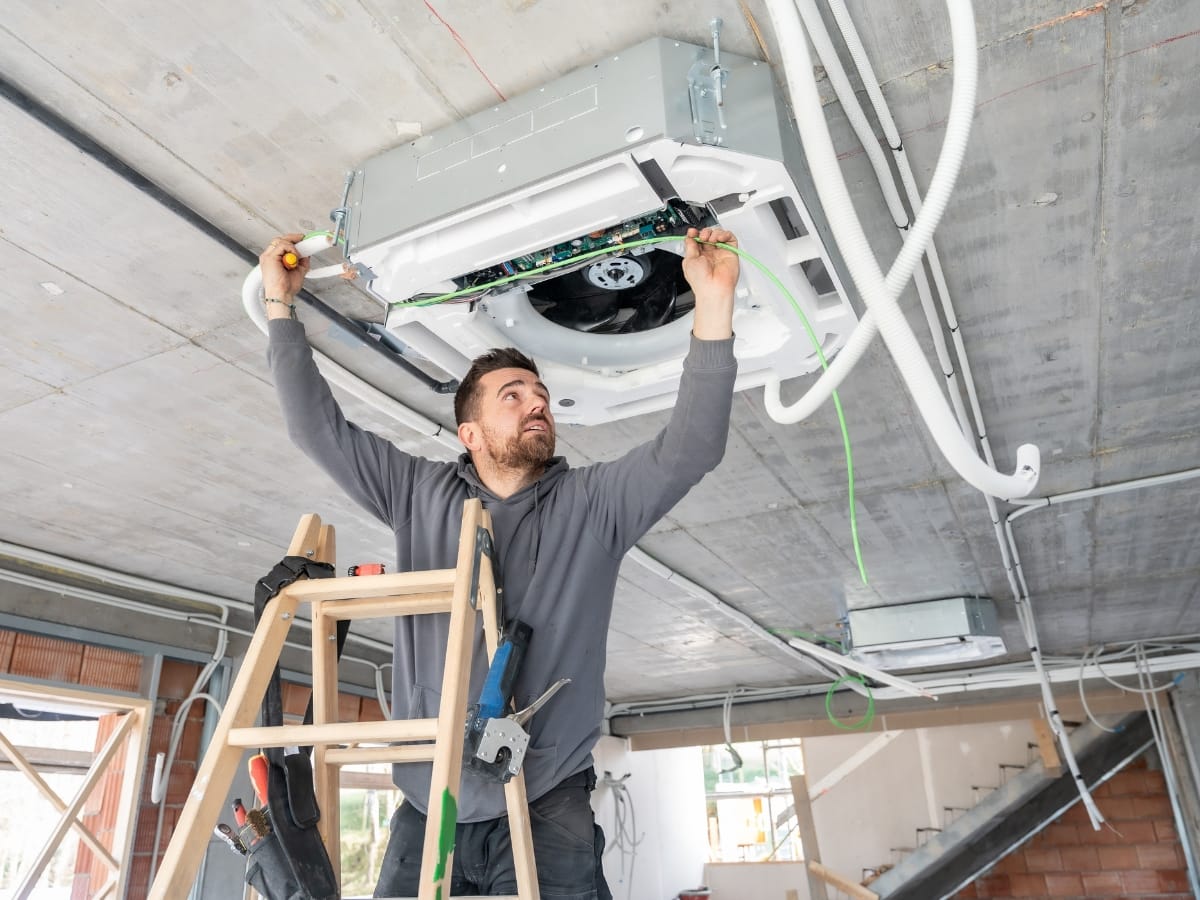
Proper ventilation is one of the most important factors in preventing carbon monoxide buildup inside a home.
Heating systems that rely on fuel combustion produce gases that must be safely directed outdoors. When ventilation systems function correctly, those gases move out of the house before they can accumulate indoors.
HVAC systems are designed to support safe airflow while also maintaining comfortable indoor temperatures. Vent pipes, exhaust pathways, and air circulation systems work together to remove combustion gases and bring fresh air into the living space. When these components are maintained and inspected regularly, the risk of carbon monoxide exposure drops significantly.
Although carbon monoxide concerns are different from plumbing issues such as low pressure in water lines, both situations show how essential proper system design and maintenance are for safe home operation.
Ventilation Requirements That Help Reduce Carbon Monoxide Risk
Homes with furnaces, boilers, gas water heaters, or fireplaces rely on ventilation systems to remove combustion byproducts. Without proper airflow, carbon monoxide may collect in enclosed spaces and eventually circulate through the home.
Several ventilation practices help reduce this risk and support healthier indoor air quality:
- Maintaining adequate airflow through heating and ventilation systems
- Ensuring exhaust pipes and flues direct combustion gases outdoors
- Scheduling periodic inspections of ventilation pathways and ducts
Adequate airflow allows heating systems to burn fuel efficiently. When airflow becomes restricted, combustion may become incomplete, which increases the production of carbon monoxide. Ventilation systems help stabilize airflow and ensure that combustion gases leave the home safely.
Exhaust systems also play a major role in preventing gas accumulation. Furnaces and other fuel burning appliances rely on vent pipes or flues to move exhaust gases outside. If these pathways become blocked by debris, corrosion, or structural damage, gases may be forced back into the home instead of venting outdoors.
Routine inspections help ensure that these pathways remain clear. Vent pipes can sometimes become obstructed by nests, leaves, or other debris, particularly in colder seasons when animals seek shelter.
The Role Of HVAC Airflow In Indoor Safety
HVAC systems do more than provide heating and cooling. They also regulate how air moves throughout a building. Proper airflow ensures that fresh air circulates while exhaust gases are removed from living spaces.
When ventilation systems operate properly, air is constantly exchanged between indoor and outdoor environments. This movement helps dilute indoor pollutants and reduces the chance that harmful gases will accumulate.
In homes where airflow becomes restricted, the balance between air intake and exhaust may be disrupted. Restricted ducts, blocked vents, or poorly maintained equipment can prevent gases from being removed efficiently.
Although airflow issues in ventilation systems differ from plumbing concerns such as low pressure in water supply lines, both types of problems often stem from blockages, buildup, or equipment wear.
How Safety Standards Improve Carbon Monoxide Prevention
Modern HVAC systems must follow safety standards that address installation, airflow, and exhaust management. These standards are designed to reduce risks associated with fuel-burning appliances and to improve indoor air safety.
Updated safety guidelines focus on several important areas. Installation practices have become more precise, ensuring that appliances are connected to properly sized ventilation systems. This helps guarantee that combustion gases are directed outdoors rather than leaking into indoor spaces.
Testing procedures have also improved. Heating systems are often inspected periodically to confirm that ventilation pathways remain open and that combustion processes remain stable. These inspections help identify problems before they become serious hazards.
Public awareness about carbon monoxide safety has also increased. Many building codes now require carbon monoxide detectors in homes that contain fuel-burning appliances. These detectors provide an additional layer of protection by alerting residents if gas levels begin to rise.
Maintaining Safe Home Systems Through Regular Care
Preventing carbon monoxide buildup depends on the combined performance of several home systems. Furnaces, ventilation systems, exhaust pathways, and safety detectors all play important roles in maintaining indoor air quality.
Routine maintenance helps ensure that each part of the system continues to operate as intended. Inspections, airflow checks, and equipment monitoring allow homeowners to identify developing issues early.
Just as plumbing maintenance helps prevent issues such as low pressure in household water systems, HVAC maintenance helps protect indoor air safety. Paying attention to both systems helps maintain a healthier and more reliable home environment.
Conclusion
Preventing carbon monoxide leaks from your HVAC system is not just a maintenance task—it’s a critical safety measure that protects your family’s health and lives.
Regular professional inspections, proper ventilation, and working carbon monoxide detectors form an essential safety net against this silent, invisible threat. For thorough HVAC safety inspections and expert maintenance that prioritizes your family’s well-being, trust CoolPro Heating & Cooling.
Don’t take chances with your family’s safety. Reach us through our site form or call 770-694-6232 today to schedule your comprehensive HVAC safety check. Let us help you breathe easier with the assurance of a safe, properly functioning system.