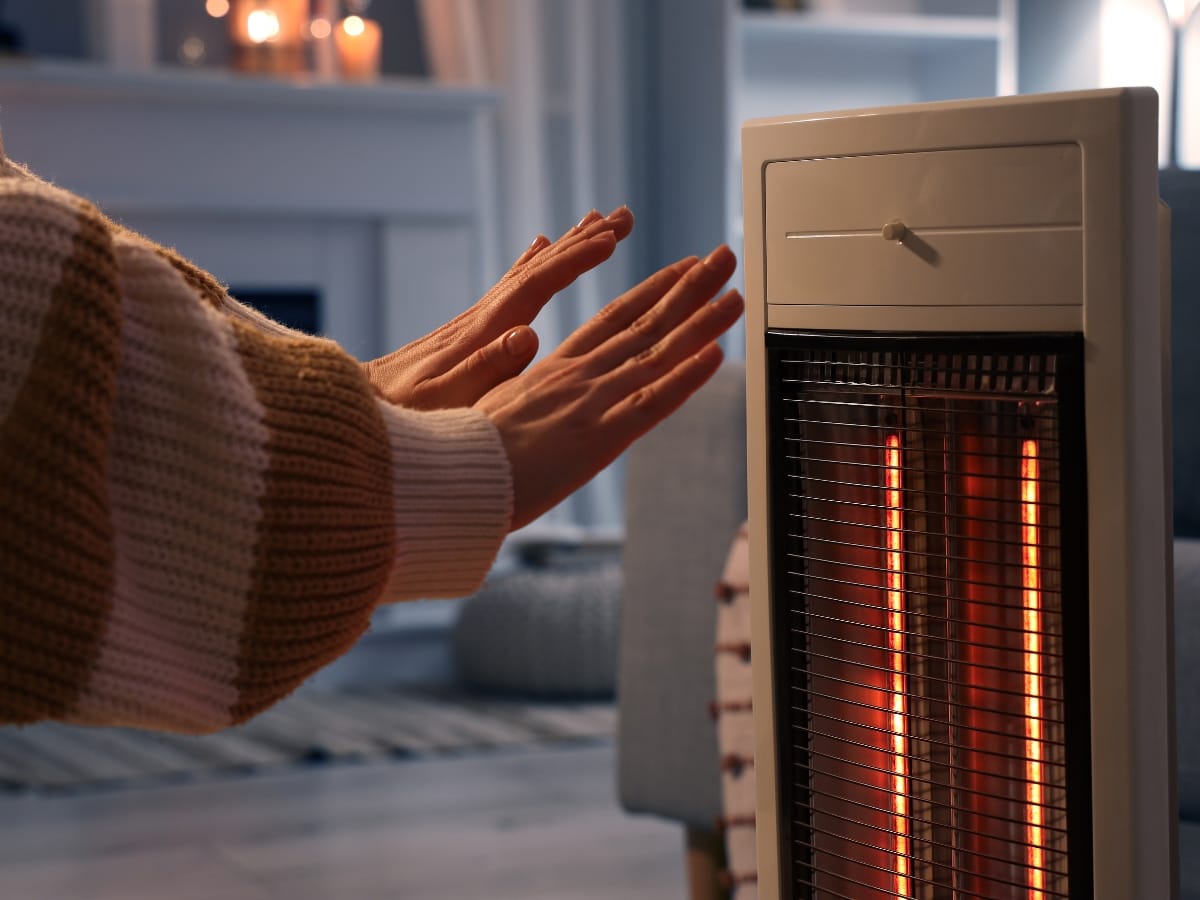
As Atlanta’s winter temperatures fluctuate, prioritizing heating safety is essential for protecting your home and family from common seasonal hazards like fires, carbon monoxide leaks, and frozen pipes. Implementing proactive measures—from furnace inspections and smoke detector checks to proper space heater use and thermostat management—can prevent accidents and ensure your home stays warm and secure.
This guide outlines crucial winter heating safety tips specifically for Atlanta homes, helping you navigate the colder months with confidence and peace of mind.
Winter Heating Safety Essentials for Every Household
How Can Atlanta Homeowners Prevent Carbon Monoxide Poisoning This Winter?
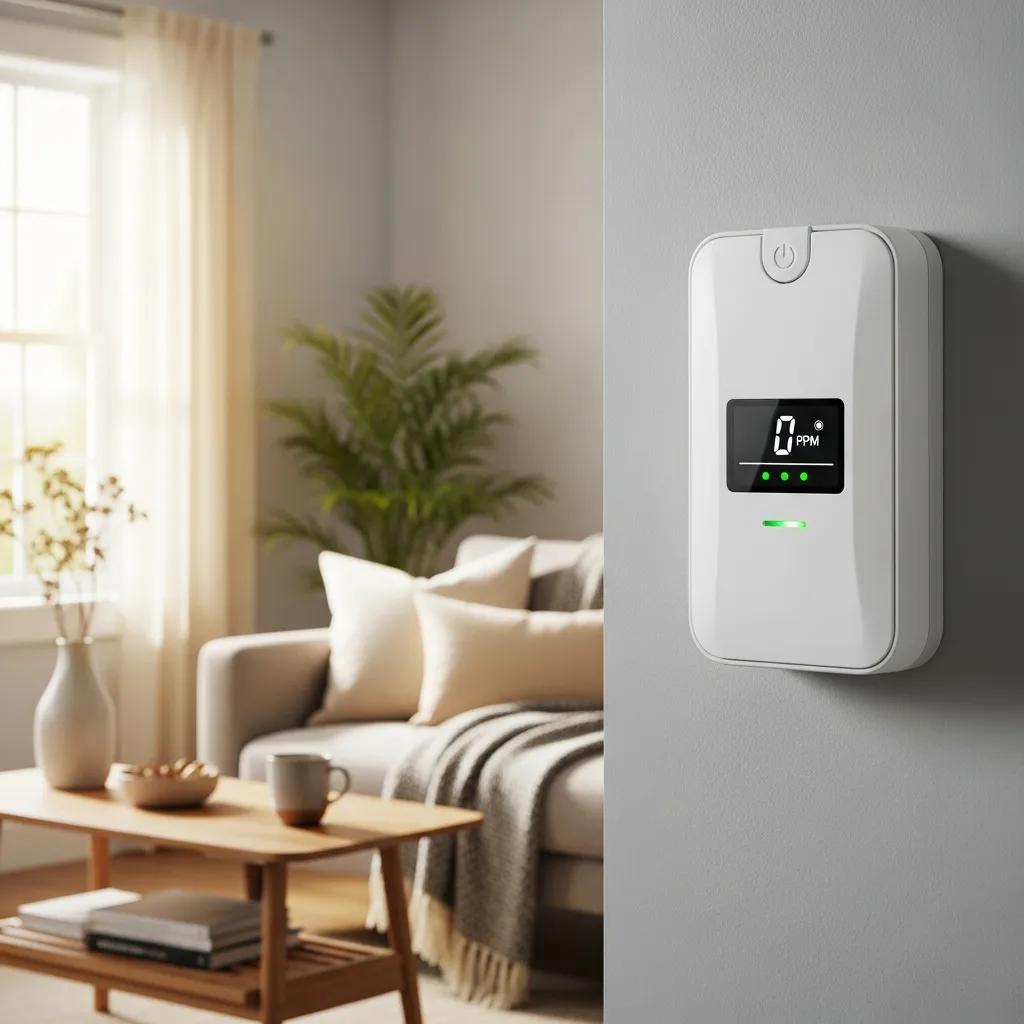
Carbon monoxide is one of the biggest winter hazards because you cannot see it or smell it. It can build up indoors when fuel-burning equipment is not venting correctly or is not operating the way it should. In Atlanta, heaters may run for long stretches during cold snaps, which is when small problems can become more dangerous. The goal with winter heating safety is to reduce the chances of carbon monoxide entering your home and to make sure you get an early warning if it does.
A good first step is using carbon monoxide detectors and making sure they actually work. Install them on each level of the home and near sleeping areas so an alarm can wake you if there is a problem overnight. Just as important, test the alarms regularly and replace the batteries when needed. If your detector is older, check the expiration date because many units need replacement after several years.
Carbon monoxide prevention also depends on how you use heating equipment. Avoid running fuel-burning appliances in spaces that are not designed for them, and never use an oven or stovetop as a heat source. If you use a fireplace, make sure the damper is open when it is in use and that the chimney is clear. For homes with attached garages, do not leave a car running inside, even with the garage door open. Exhaust can drift into the house faster than most people expect.
What Are The Signs And Symptoms Of Carbon Monoxide Exposure?
Carbon monoxide exposure can be tricky because the early symptoms often resemble a cold or flu. People may dismiss it as being tired or under the weather, especially during winter. Headaches are common and may start mild before getting worse. Dizziness and weakness can follow, along with nausea or vomiting that does not make sense for the situation. In more serious cases, someone may seem confused, have trouble thinking clearly, or appear unusually sleepy.
One clue that points to carbon monoxide rather than an illness is a pattern. If multiple people in the home feel sick at the same time, or symptoms improve when you step outside and return when you come back in, treat it as an emergency. If you suspect carbon monoxide, get everyone outside for fresh air immediately and call emergency services. Do not try to “air out” the home first or search for the source yourself. Winter heating safety is about taking the fast, cautious option when the risk is invisible.
How Does Furnace Inspection Reduce Carbon Monoxide Risks?
A furnace inspection can lower carbon monoxide risk by catching problems before they become emergencies. During a checkup, a technician typically looks at the heat exchanger, venting, and combustion components to confirm the system is burning fuel properly and exhausting gases safely. They also check for loose connections, blocked vents, and signs of wear that could lead to leaks.
Inspections can also help your system run more efficiently, which matters in winter when heating bills climb. When airflow is correct and the furnace is operating as designed, it is less likely to struggle, overheat, or produce incomplete combustion. That combination supports both comfort and winter heating safety, especially during the colder stretches when your system is working its hardest.
Even with maintenance, detectors are still essential. A well-maintained system reduces risk, but alarms provide the backup that protects you if something changes unexpectedly. Using both together is one of the simplest ways to take carbon monoxide seriously without turning winter into a constant worry.ing carbon monoxide risks.
What Are The Best Practices For Fire Safety With Heating Equipment In Atlanta?
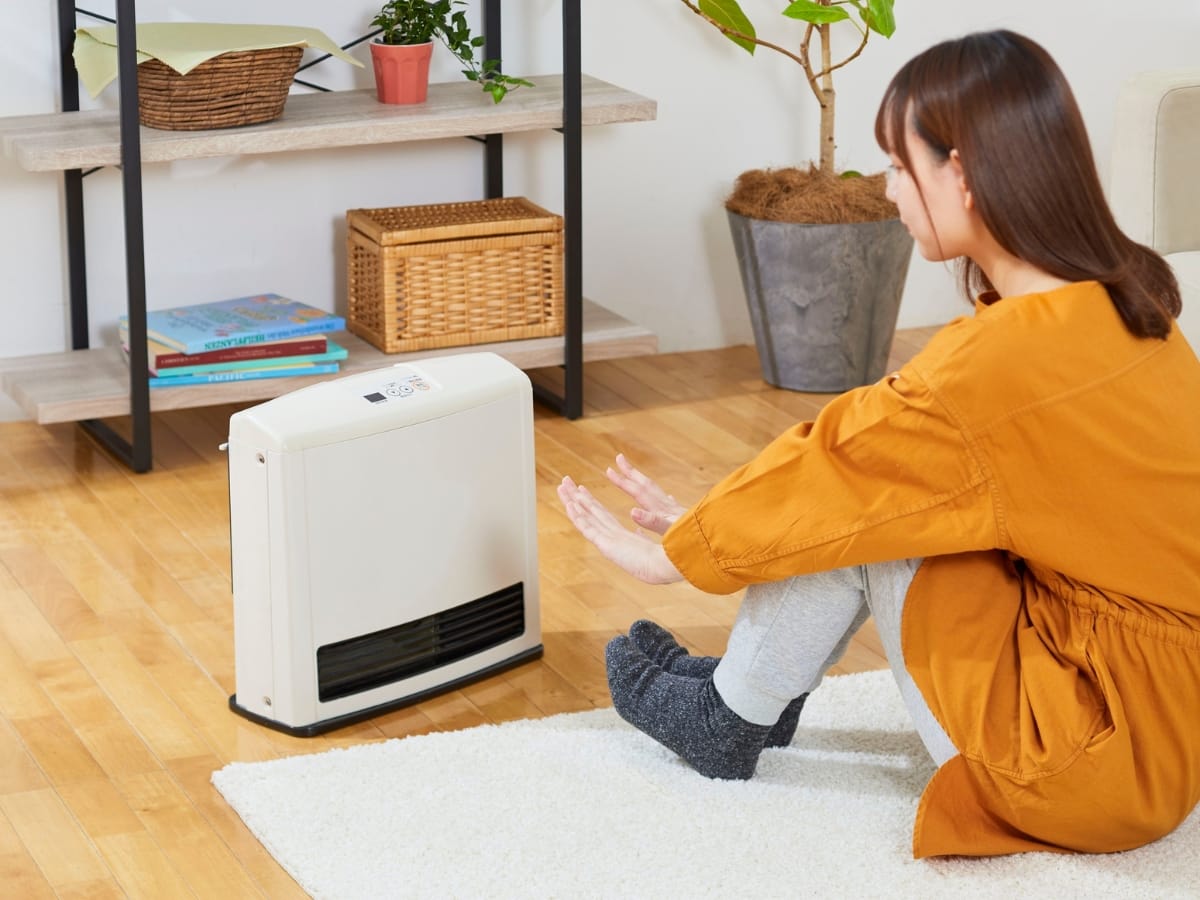
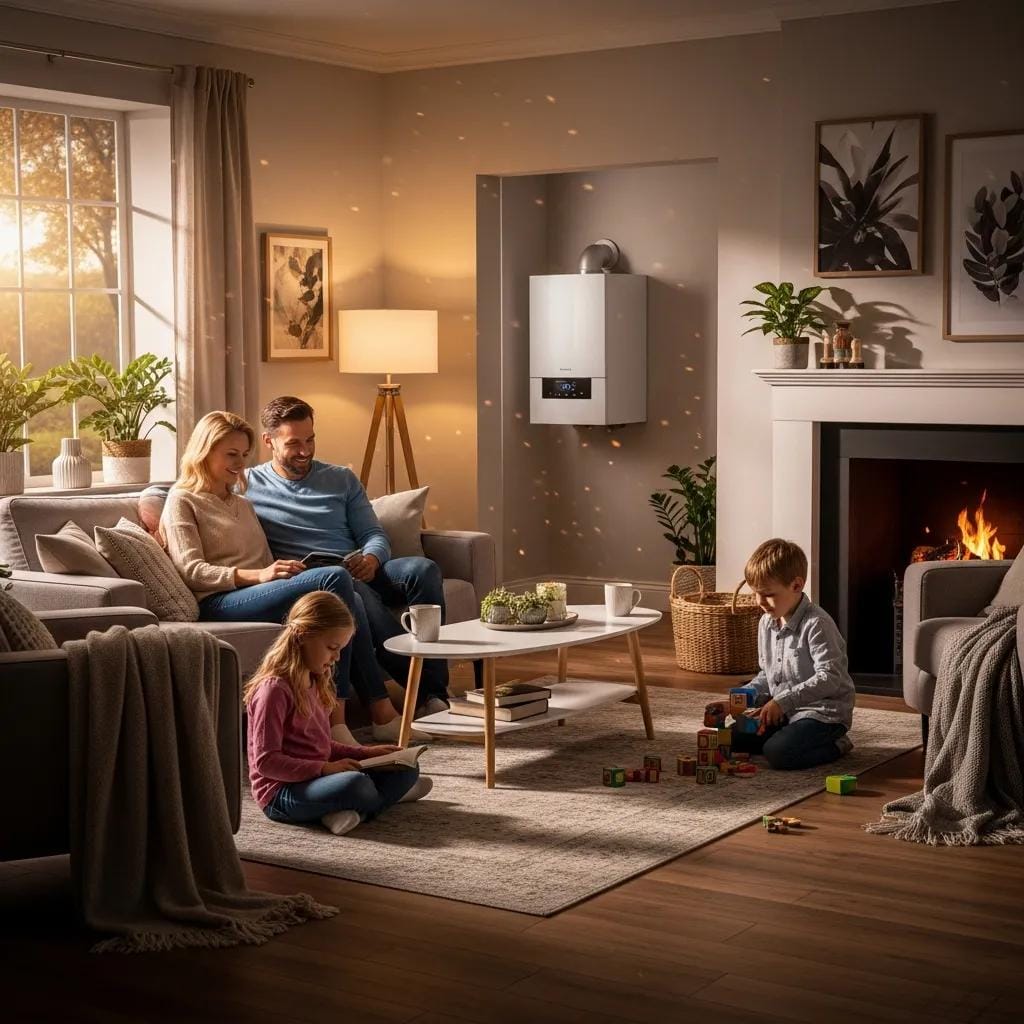
When temperatures drop in Atlanta, it is normal for heaters, fireplaces, and other heat sources to get more use than they do the rest of the year. That extra run time is exactly why winter heating safety deserves attention. Most home heating fires start the same way: a heat source is too close to something that can burn, equipment is used longer than intended, or maintenance gets skipped until there is a problem. The good news is that a few consistent habits can lower the risk without making your home feel like a rulebook.
Start by giving every heat source space. Anything that produces heat should have a clear area around it, including portable heaters, wood stoves, and the front of fireplaces. Clothes, blankets, paper, and even pet beds can become a problem if they are placed too close. If you have kids, it helps to treat that area as a “no storage” zone so items do not slowly creep back over time. Smoke alarms also matter here. Test them regularly and replace batteries when needed so you have an early warning if something goes wrong.
How Should Space Heaters Be Used Safely In Atlanta Homes?
Space heaters can be useful for taking the chill off a bedroom or warming a drafty corner, but they need careful placement and realistic expectations. The biggest risk comes from putting them too close to flammable items. Keep the heater well away from curtains, upholstered furniture, bedding, and anything that could tip into the unit. A stable, flat surface is important, too, because a heater that wobbles or sits on an uneven rug is more likely to be knocked over.
It also helps to use a heater with modern safety features, such as automatic shutoff if it tips over and protection against overheating. Plug the heater directly into a wall outlet rather than using extension cords or power strips, since overheating at the plug is a common issue during winter use. If you find that you need to run a space heater constantly just to feel comfortable, that can be a sign your main heating system is not distributing heat evenly or your home is losing warmth through gaps and poor insulation. Addressing the root cause supports winter heating safety more than simply adding more portable heat.
Another key habit is turning space heaters off when you are sleeping or leaving the room. It is tempting to keep one running overnight, but the risk increases when no one is awake to notice a smell, a sound, or an unexpected shutdown. If you need warmth while sleeping, safer options include adjusting the central heat and using appropriate bedding.
Why Is Fireplace And Chimney Maintenance Crucial For Winter Safety?
Fireplaces create a cozy feel, but they also introduce open flames and smoke into your home, which means maintenance is not optional. Over time, chimneys can collect creosote, a sticky residue from burning wood that can ignite if it builds up. A blocked or dirty chimney can also push smoke and gases back into the home instead of venting them safely outdoors.
A yearly inspection and cleaning before the heating season helps reduce the chance of chimney fires and ventilation problems. During that check, it is also worth confirming that the damper opens and closes correctly. When the damper is open during use, smoke can escape as intended, and when it is closed afterward, it helps prevent drafts and heat loss. Using a screen in front of the fireplace is another practical step because it can reduce the chance of a stray spark landing on a rug or nearby furniture.
When you treat heating equipment as something that needs space, supervision, and routine upkeep, winter heating safety becomes part of normal home care instead of a last-minute worry.
How Can Atlanta Residents Protect Their Homes from Frozen Pipes and HVAC Damage?
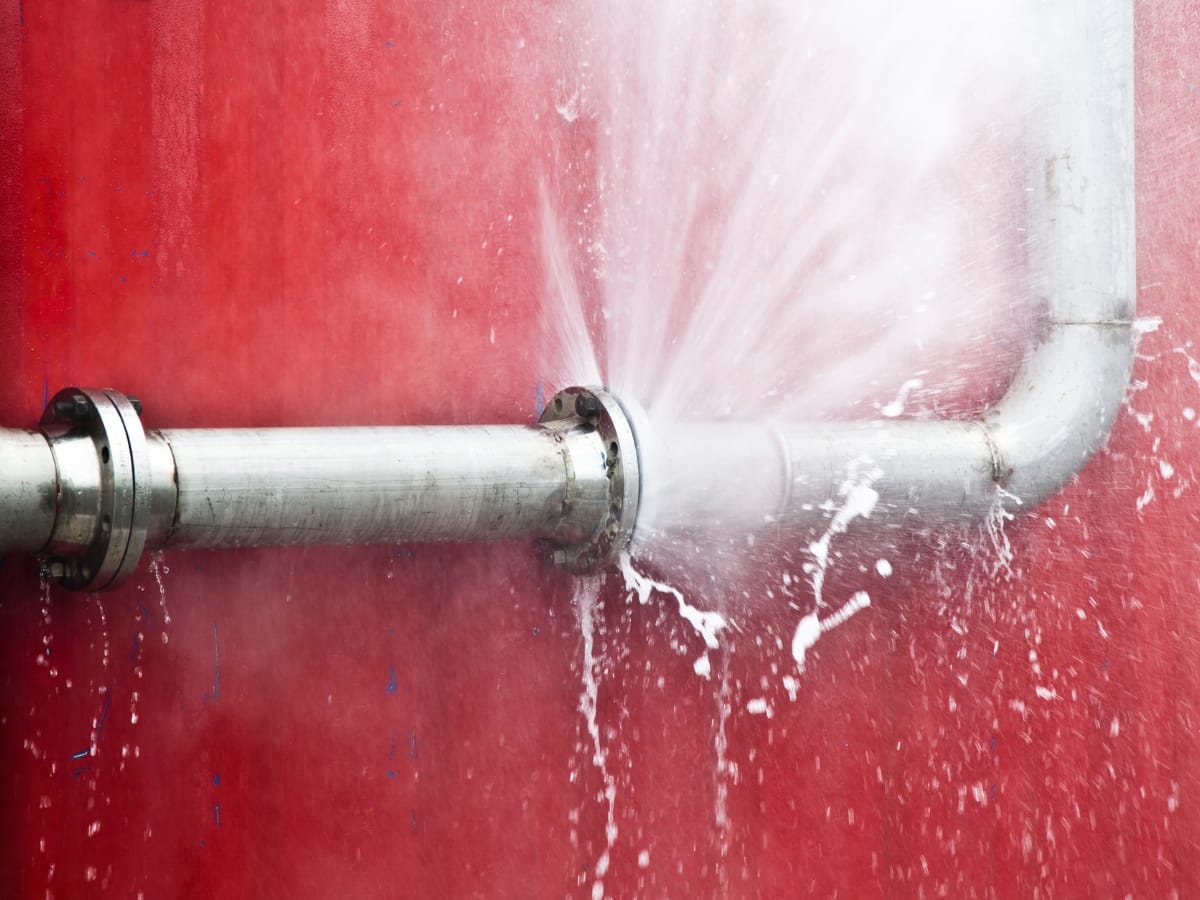
Atlanta winters are usually mild, but cold snaps still happen, and they can catch homeowners off guard. When temperatures drop quickly, pipes in unheated or poorly insulated areas are often the first problem. At the same time, heating systems may run harder than usual, which can expose weak spots like clogged filters, airflow issues, or a thermostat that is not keeping up. Thinking about winter heating safety also means thinking about what cold weather can do to your plumbing and HVAC equipment, since damage in either area can affect comfort and lead to expensive repairs.
Frozen pipes are more than a nuisance. When water freezes, it expands, which can crack pipes or fittings. The pipe may not leak until it thaws, which is why many homeowners discover the damage after the worst of the cold has passed. A few preventative steps can reduce the risk, especially in crawl spaces, attics, garages, and exterior walls where pipes are more exposed.
What Are Effective Methods To Insulate Pipes And Prevent Freezing?
The most reliable way to prevent frozen pipes is to insulate areas where cold air can reach plumbing. Start with exposed pipes in unheated spaces. Foam pipe sleeves are a common option and usually easy to install, and they can make a noticeable difference during a hard freeze. Pipes that run along exterior walls or near vents and foundation openings should be a priority, since those areas tend to cool down faster.
In homes that are prone to freezing, heat tape or heat cables can add another layer of protection. These are designed to provide gentle warmth to vulnerable lines when the temperature drops. They are especially useful for pipes that cannot be relocated or fully enclosed. If you use heat tape, follow the product instructions carefully and check it periodically for wear.
During very cold nights, letting a faucet drip can help, particularly for plumbing on exterior walls. A slow drip keeps water moving and can reduce pressure buildup if freezing starts. It is not a substitute for insulation, but it can be a useful short-term step during a sudden temperature drop. It also helps to open cabinet doors under sinks, especially on exterior walls, so warmer indoor air can circulate around the pipes.
How To Seal Drafts And Prepare Your HVAC System For Winter?
Drafts do more than make a room feel chilly. They lower indoor temperatures near exterior walls and can contribute to pipe freezing, especially in older homes. Sealing gaps around doors and windows helps your heating system work more efficiently and keeps cold air from pushing into wall cavities where plumbing may run. Weather stripping, door sweeps, and caulk around window frames are common fixes that can reduce heat loss without changing the look of your home.
HVAC readiness is just as important for winter heating safety. A simple starting point is changing the air filter so airflow is not restricted. A dirty filter can force the system to run longer, which increases wear and can make it harder to maintain steady temperatures during a cold snap. It is also worth checking supply vents to make sure they are open and not blocked by furniture or rugs, especially in rooms that tend to run colder.
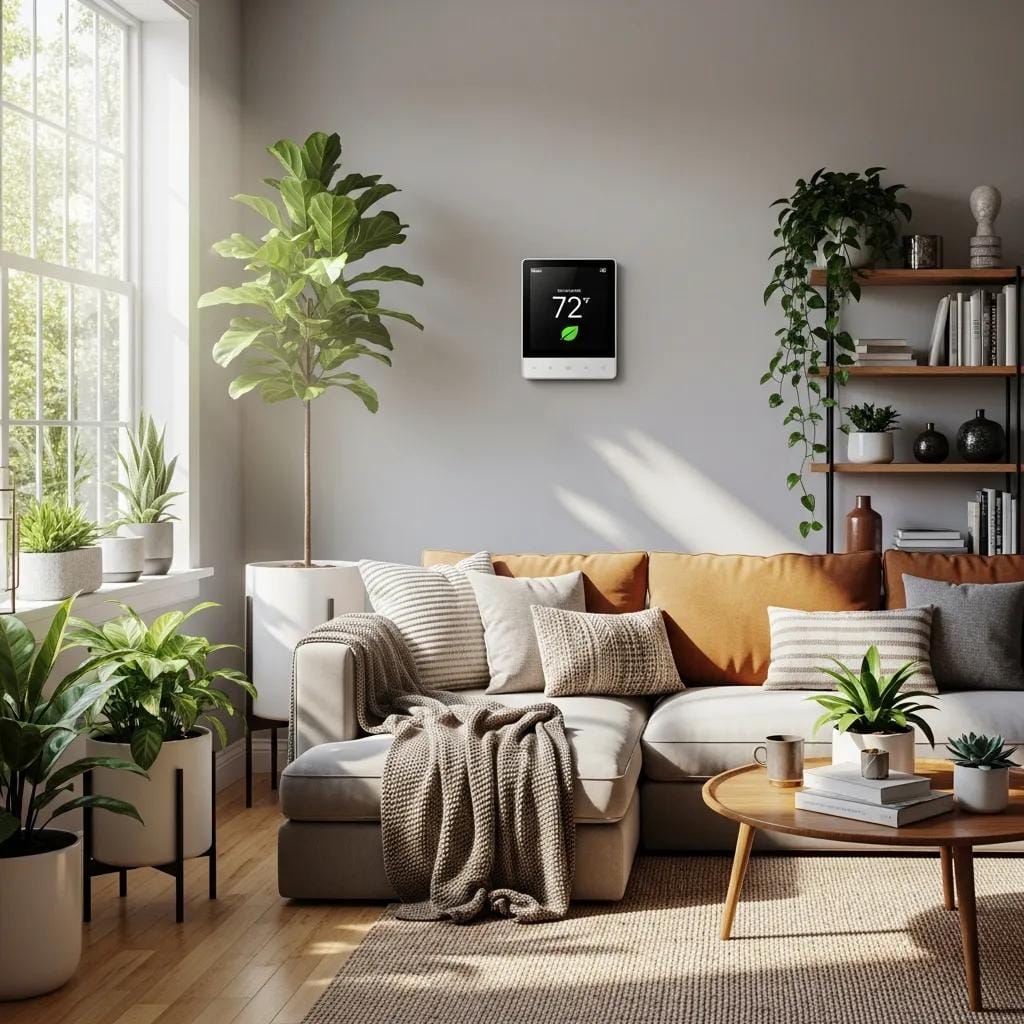
Thermostat settings can help you avoid both frozen pipes and overworked equipment. Keeping a consistent temperature during a cold snap is usually safer than turning the heat down too low overnight. If you use a programmable thermostat, set it to maintain a steady baseline and avoid large temperature swings. When your home stays evenly heated, you reduce the chances of cold pockets forming near plumbing and you support better winter heating safety overall.
When Should Atlanta Homeowners Schedule Professional HVAC Winter Maintenance?
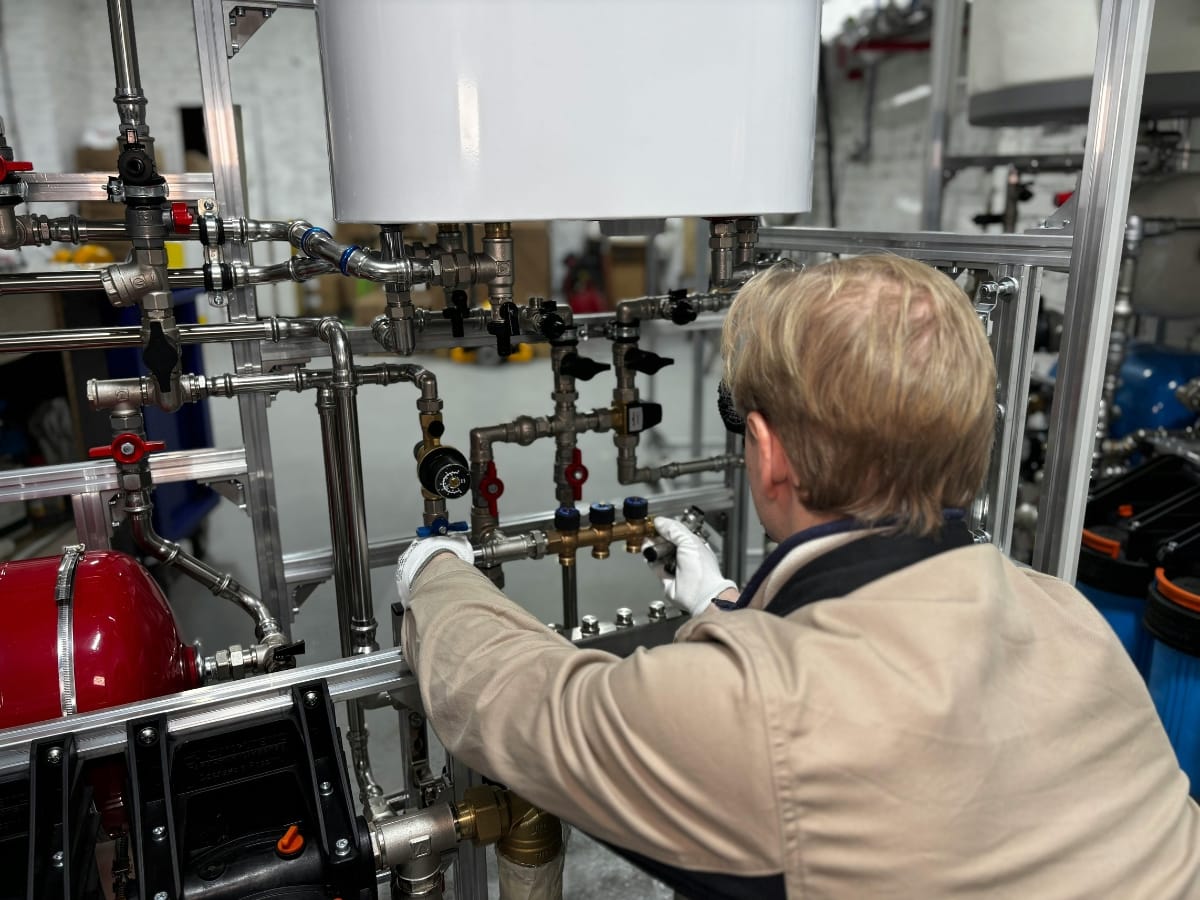
Planning ahead is one of the easiest ways to support winter heating safety, especially in Atlanta where cold snaps can arrive quickly and put extra strain on a system that has not run much all year. The best time to schedule HVAC winter maintenance is early fall, before you rely on heat day after day. That timing gives you room to address small issues, like a clogged drain line, worn parts, or poor airflow, before they turn into a breakdown during the first cold stretch.
That said, if you missed early fall, it is still worth scheduling a check once temperatures start dropping. Heating systems often show warning signs such as odd smells, short cycling, uneven temperatures, or higher energy bills. A mid-season inspection can help catch problems early and improve how reliably your system runs through the rest of winter. Maintenance is not about overthinking your HVAC system. It is about reducing the chances of failure when you need heat the most and keeping your home safer in the process.
What Are The Benefits Of Annual Furnace Tune-Ups And Heat Pump Inspections?
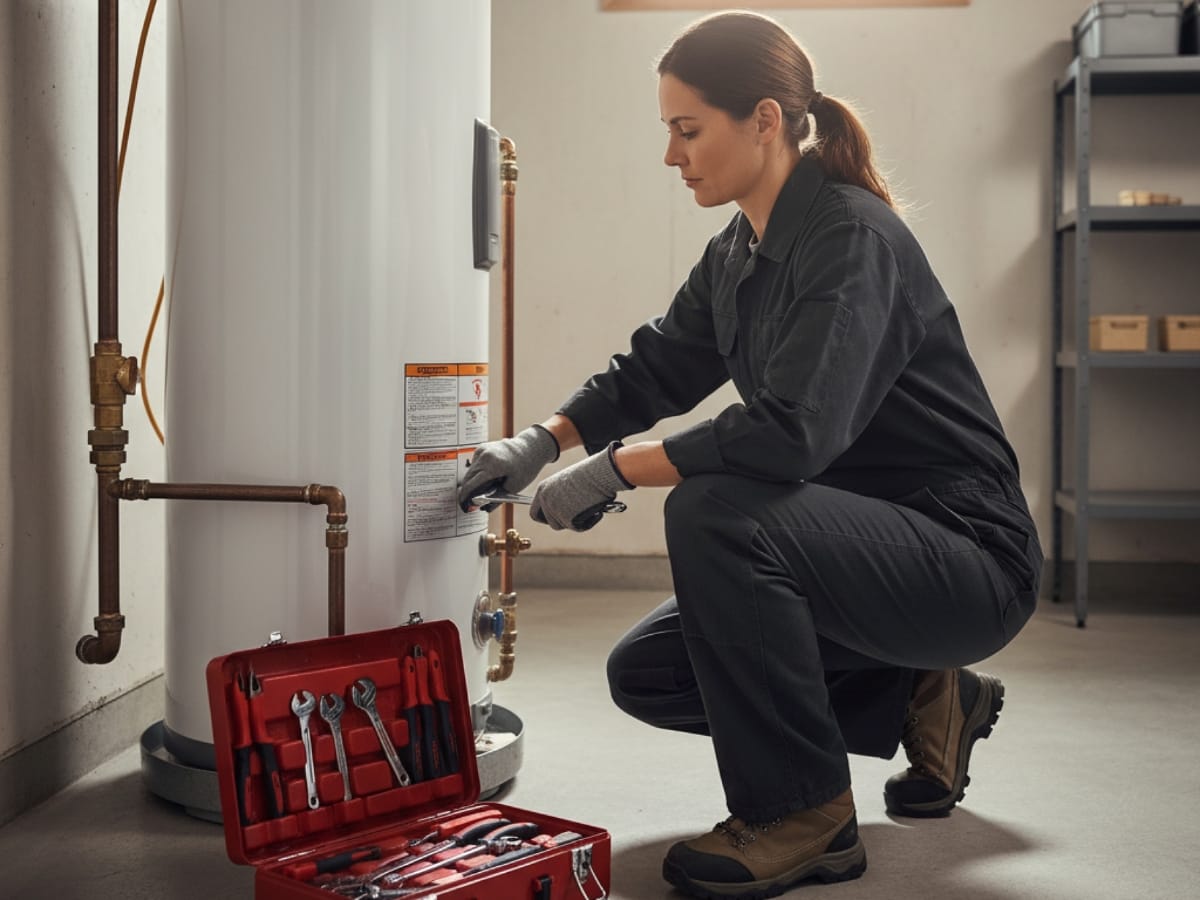
Annual maintenance supports both comfort and winter heating safety because it addresses performance and risk at the same time. When a furnace or heat pump is clean and properly adjusted, it runs more efficiently, which often translates into lower energy use. In practical terms, that means your system does not have to work as hard to keep the home at a steady temperature, even when overnight lows dip.
Maintenance can also help extend the life of your equipment. Heating systems wear down faster when they are forced to run longer cycles due to restricted airflow, dirty components, or incorrect settings. Fixing those issues early helps reduce strain on major parts and can delay costly replacements.
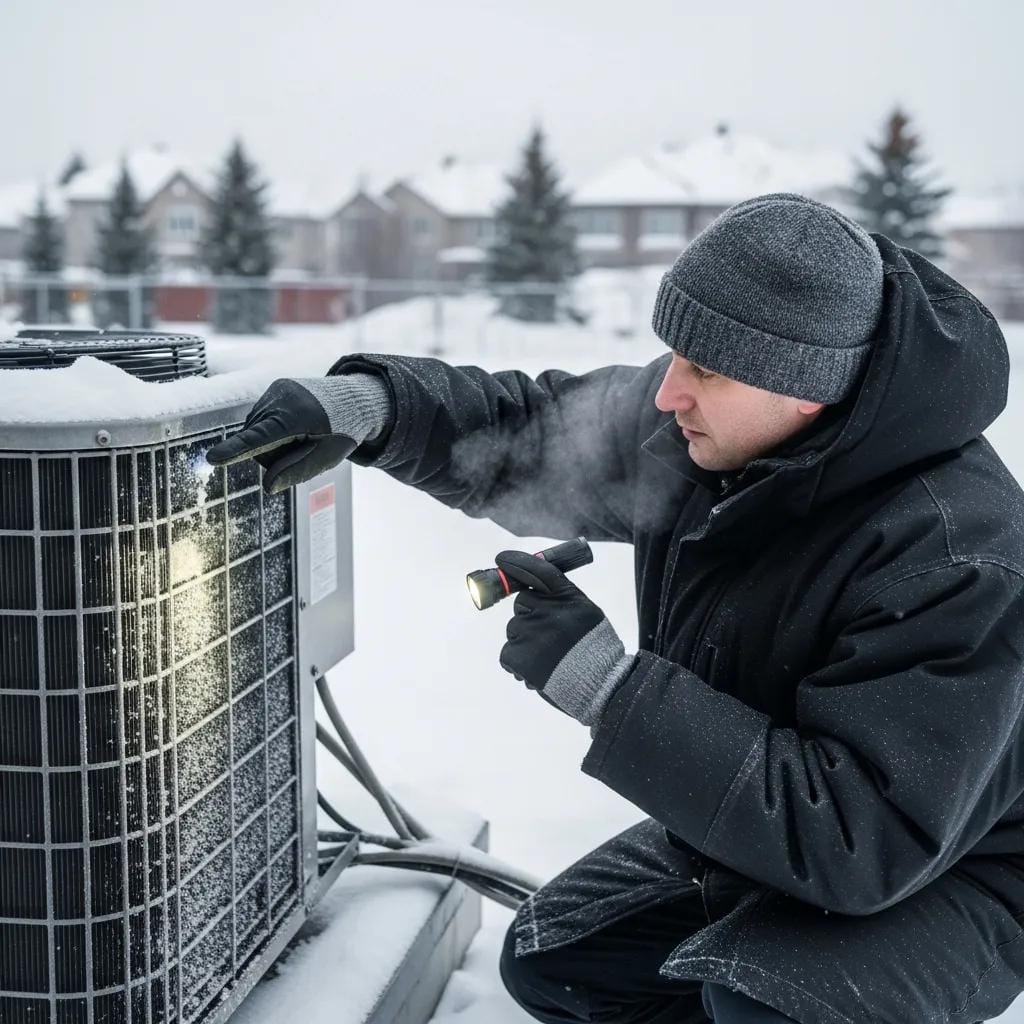
Safety is another major reason to keep up with inspections. For gas furnaces, a routine check can identify issues that could contribute to carbon monoxide problems, such as venting concerns or incomplete combustion. For heat pumps, inspections often focus on electrical connections, defrost cycles, and overall system operation, all of which can affect reliability. Even if everything seems fine, having a technician confirm that the system is operating correctly adds a layer of reassurance during the months when heaters run the most.
How Do Smart Thermostats Enhance Winter Heating Efficiency?
Smart thermostats can improve winter comfort and efficiency, but their biggest value comes from how they help you control temperature patterns without constant manual changes. Many homeowners heat their homes more than necessary simply because the thermostat stays at the same setting all day, even when no one is home. A smart thermostat lets you adjust settings remotely and build schedules that match your routine, which can reduce wasted runtime.
Some models also learn patterns over time and make automatic adjustments, while others focus more on giving you clear controls and helpful energy insights. Either way, a smart thermostat can support winter heating safety by helping you maintain a consistent baseline temperature during cold snaps. That can reduce the risk of frozen pipes and prevent the system from working overtime to recover from big temperature setbacks.
Bringing Winter Safety Habits Together
A safer winter routine is usually a mix of prevention and consistency. Maintenance helps your heating system run reliably, smart thermostat settings can reduce unnecessary runtime, and simple home habits, like keeping indoor temperatures steady during cold nights, can protect both your comfort and your home. When you combine those steps, winter heating safety becomes less about reacting to problems and more about avoiding them in the first place.
Conclusion
Keeping your Atlanta home warm during winter shouldn’t come at the expense of safety. By following essential precautions—like changing filters, keeping vents clear, and installing carbon monoxide detectors—you can protect your family while enjoying a cozy season. For the ultimate assurance, have your heating system professionally inspected and maintained by the heating and cooling experts at CoolPro Heating & Cooling. Ensure a safe and comfortable winter. Fill out our site form or call 770-694-6232 today to schedule your heating safety check. Let us help you enjoy the warmth with complete peace of mind.