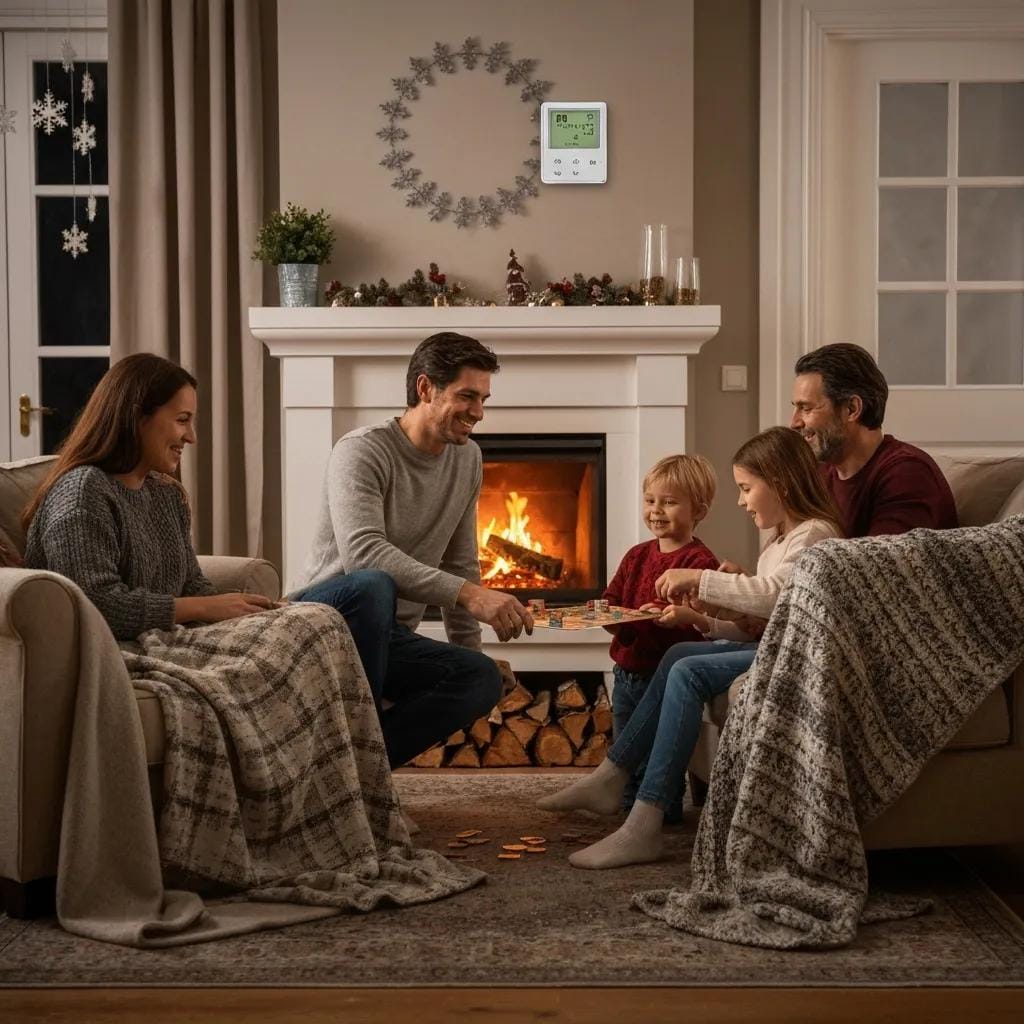
As winter temperatures arrive in Marietta, GA, finding ways to save on heating costs without sacrificing comfort becomes a top priority for homeowners. With energy prices fluctuating and colder days ahead, simple winter efficiency tips, upgrades, and mindful habits can make a significant difference in your monthly utility bills.
In this blog post, we’ll share practical winter efficiency tips—from sealing drafts and optimizing your thermostat to scheduling an HVAC tune-up—so you can stay warm and cozy while keeping more money in your pocket this season.
Winter Efficiency Tips: How to Save on Heating Costs the Smart Way
How Can You Reduce Heating Costs in Marietta This Winter?
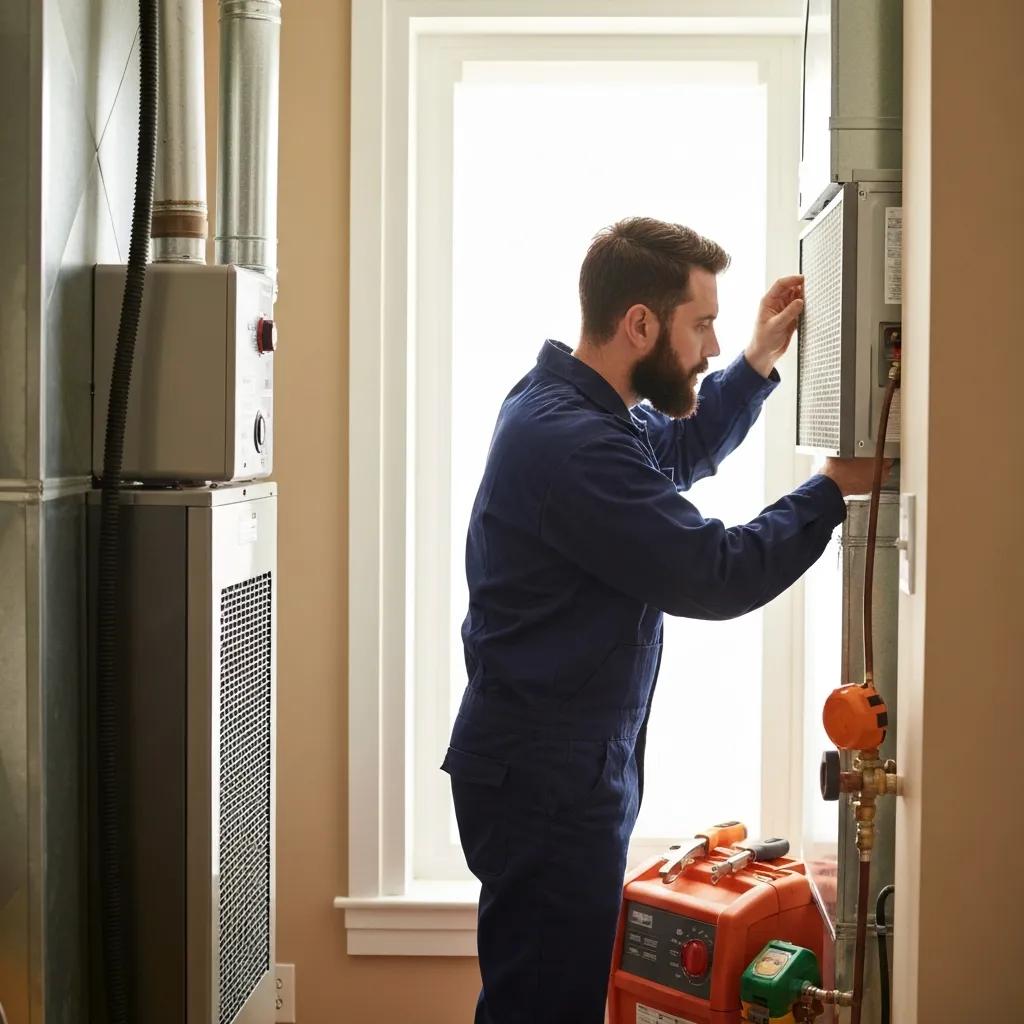
For most Marietta households, the most effective winter efficiency tips focus on keeping warm air inside, helping the system work smoothly, and making sure it only runs when you truly need it. When the shell of the house is leaky or the equipment is struggling, you end up paying for heat that never reaches your living spaces. Addressing those basics first often produces noticeable savings within a single season.
Start by looking at how quickly your home loses heat. Drafts around windows, doors, and attic accesses allow warm air to escape and cold air to creep in, which forces your furnace or heat pump to cycle more often. Caulking gaps, adding weatherstripping, and tightening up attic hatches are relatively inexpensive fixes that can make rooms feel more comfortable at the same thermostat setting. Many homeowners are surprised at how much calmer the house feels once the obvious leaks are sealed.
Next, consider how you use your thermostat. Instead of large swings, aim for modest setbacks of two to four degrees when you are sleeping or away for the day. These small changes reduce run time without making the house feel uncomfortably cold when you return. A steady strategy like this is one of the simplest winter efficiency tips to apply, and it works particularly well in Georgia’s milder climate where extreme lows are not as frequent.
Airflow inside the home matters just as much as temperature settings. Clean filters, open vents, and clear returns help your system move air with less strain. Check that furniture, curtains, or rugs are not blocking supply registers, especially in rooms that always seem a little cooler. When air can move freely, your system does not have to work as hard to maintain the same indoor temperature.
Over time, many Marietta homeowners also choose to support these efforts with better controls. Smart thermostats and zoning options allow you to direct more heat to the areas you use most and scale back in rarely occupied rooms. Even if you are not ready for major upgrades, combining modest setbacks, basic air sealing, and simple airflow checks creates a strong foundation for lower winter bills.
What Are The Most Effective Furnace Efficiency Tips For Georgia Homes?
A furnace that is clean, tuned, and correctly sized for the home will usually deliver more heat for every dollar you spend. Filter changes are the starting point. Follow your manufacturer’s guidance on MERV ratings so you do not restrict airflow, and replace or clean filters on schedule. This protects the blower motor, keeps ducts cleaner, and helps the furnace reach your set temperature more quickly.
Ductwork is another quiet source of waste. In many homes, portions of the duct system run through attics, basements, or crawl spaces that are not conditioned. Small gaps at joints or connections allow heated air to leak before it reaches your rooms. Sealing those joints and insulating accessible ducts can noticeably improve comfort at the far ends of the house and reduce runtime during cold mornings.
Pay attention to early warning signs from the equipment itself. Yellow or flickering burner flames, new odors during operation, frequent on-and-off cycling, or uneven heating from room to room all point to issues that deserve a professional look. Addressing problems early often costs less than waiting for a breakdown in the coldest part of the season and can extend the life of your system.
How Do Smart Thermostats Help Lower Heating Bills In Marietta?
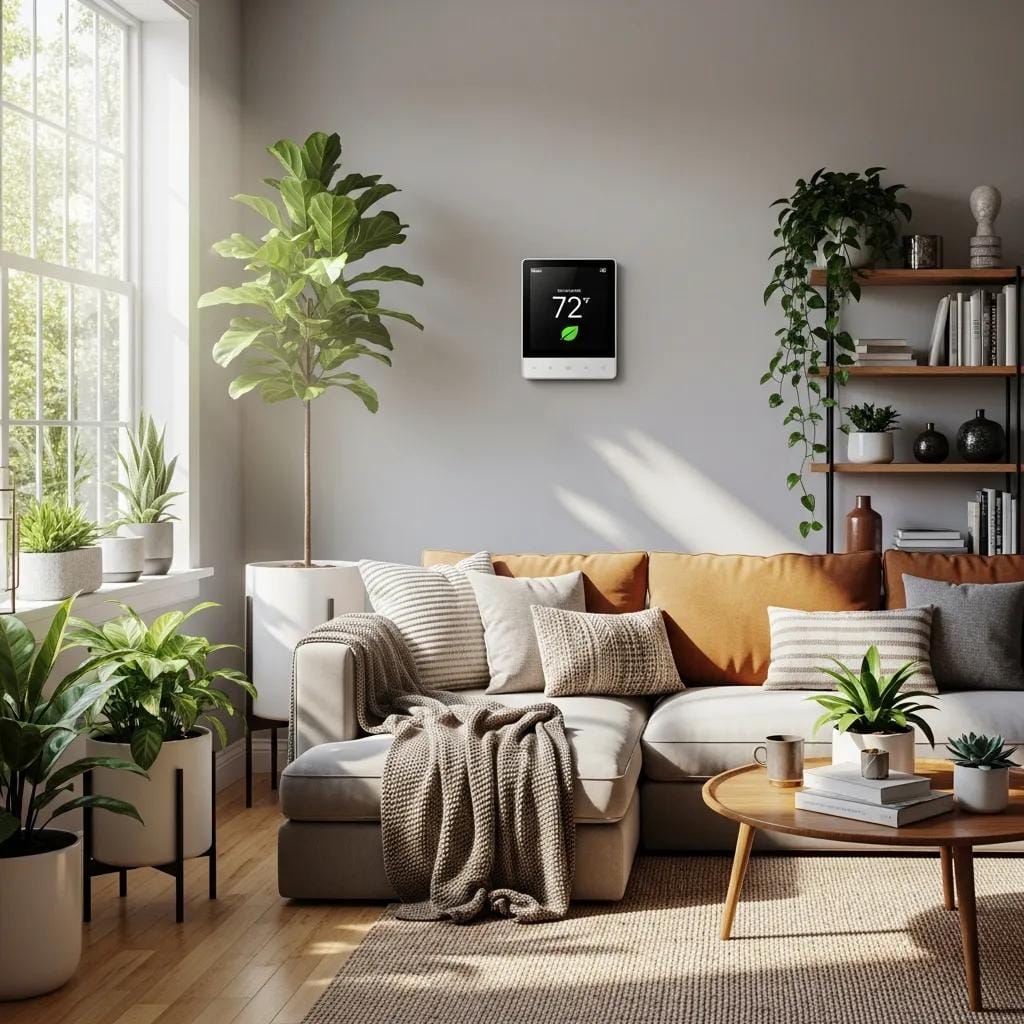
Smart thermostats support many of these winter efficiency tips by tightening control over when and how your system runs. Instead of manually adjusting the temperature several times a day, you can program schedules that match your routine or let the thermostat learn your patterns. Features like occupancy sensing and geofencing allow the system to ease back when everyone is away and recover before you return.
Remote control through a phone app is helpful when your schedule changes. If you stay out later than planned or leave town unexpectedly, you can adjust settings without wasting energy on a fully heated home. Some models also track runtime and provide simple energy reports so you can see the impact of small changes and spot unusual patterns that may signal a developing equipment problem.
In Marietta’s climate, where winter days can swing between chilly and mild, this level of control stops the system from running more than necessary and keeps comfort consistent without constant manual tweaking. When paired with solid house sealing and basic furnace care, smart controls round out a practical approach to keeping heating costs in check all winter.
What Are the Best Winter Energy Savings Strategies for Atlanta and Surrounding Areas?
For Atlanta-area homes, the most effective winter efficiency tips combine a tighter building envelope with smarter control of your heating system. When your house holds on to heat and your equipment runs only as much as it needs to, you see the biggest drop in bills. In practice, that often means improving attic insulation, sealing and insulating ducts that run through attics or crawlspaces, and using a programmable or smart thermostat to manage temperatures throughout the day.
Attic insulation upgrades tend to offer strong returns, especially if your home has an older or underinsulated attic. Increasing insulation levels in that space alone can trim roughly 10 to 20 percent from heating use in many homes, because warm air is less able to escape through the roof. Duct sealing and insulation are another high-value move when ducts run through unconditioned spaces. Reducing leaks and keeping air warmer inside those ducts often recovers 5 to 15 percent of heat that would otherwise be lost before it reaches your rooms.
Control upgrades round out these winter efficiency tips. A smart thermostat is a relatively small investment that can save several percent on heating costs each year by applying consistent setbacks and avoiding unnecessary runtime. For many households, the best strategy is to start with low-cost air sealing and thermostat improvements, then add insulation and duct work as budget allows. That layered approach lets you see results quickly while building toward deeper savings over time.
How Can Heat Pump Winter Performance Be Improved In Atlanta’s Climate?
Many Atlanta homes rely on heat pumps, which perform well in mild winters when they are maintained and controlled correctly. To keep a heat pump working efficiently, it is important to protect airflow and avoid operating patterns that trigger expensive auxiliary heat. Keep the outdoor unit clear of leaves, grass, and other debris, and trim plants back far enough that air can move freely around the cabinet. Indoors, clean or replace filters on schedule so the system does not have to fight clogged media to pull air through the coil.
Thermostat habits matter too. Large, rapid setbacks can push a heat pump into emergency or auxiliary heat modes that use more energy than standard operation. Instead, use smaller adjustments and let the system maintain a steady baseline temperature. If you notice increased noise, frequent defrost cycles, or difficulty reaching the setpoint on cold mornings, a professional tune up that includes coil cleaning, refrigerant checks, and control verification can bring performance back in line. When these steps are combined with basic winter efficiency tips like sealing leaks and improving insulation, the heat pump does not have to work as hard to keep the home comfortable.
Which Simple Home Insulation Tips Save Energy And Reduce Heating Costs?
Simple insulation and air sealing projects can make a noticeable difference in winter comfort and cost, especially in older Marietta and Atlanta homes. The attic is often the first place to look. If joists are visible or insulation looks shallow and uneven, adding more can significantly reduce heat loss. Pair that with sealing gaps around recessed lights, attic hatches, plumbing penetrations, and other openings so warm air is not constantly escaping into the attic.
Around the living areas, weatherstripping on exterior doors and caulking at window trim help cut drafts that make rooms feel cooler than the thermostat reading suggests. Insulating and sealing ducts that run through attics or crawlspaces prevents heated air from losing temperature before it reaches registers, which shortens runtime and improves comfort in distant rooms. Even small steps, such as adding door sweeps, using heavier winter window coverings, and insulating accessible hot water pipes, contribute to overall efficiency.
These practical measures show why many experts recommend starting with the building shell before considering major equipment changes. By combining targeted insulation projects, basic air sealing, and thoughtful thermostat use, homeowners can apply winter efficiency tips that deliver reliable savings and a more comfortable home throughout the season.
What Are the Top Smart Thermostat Benefits for Heating Efficiency in Marietta?
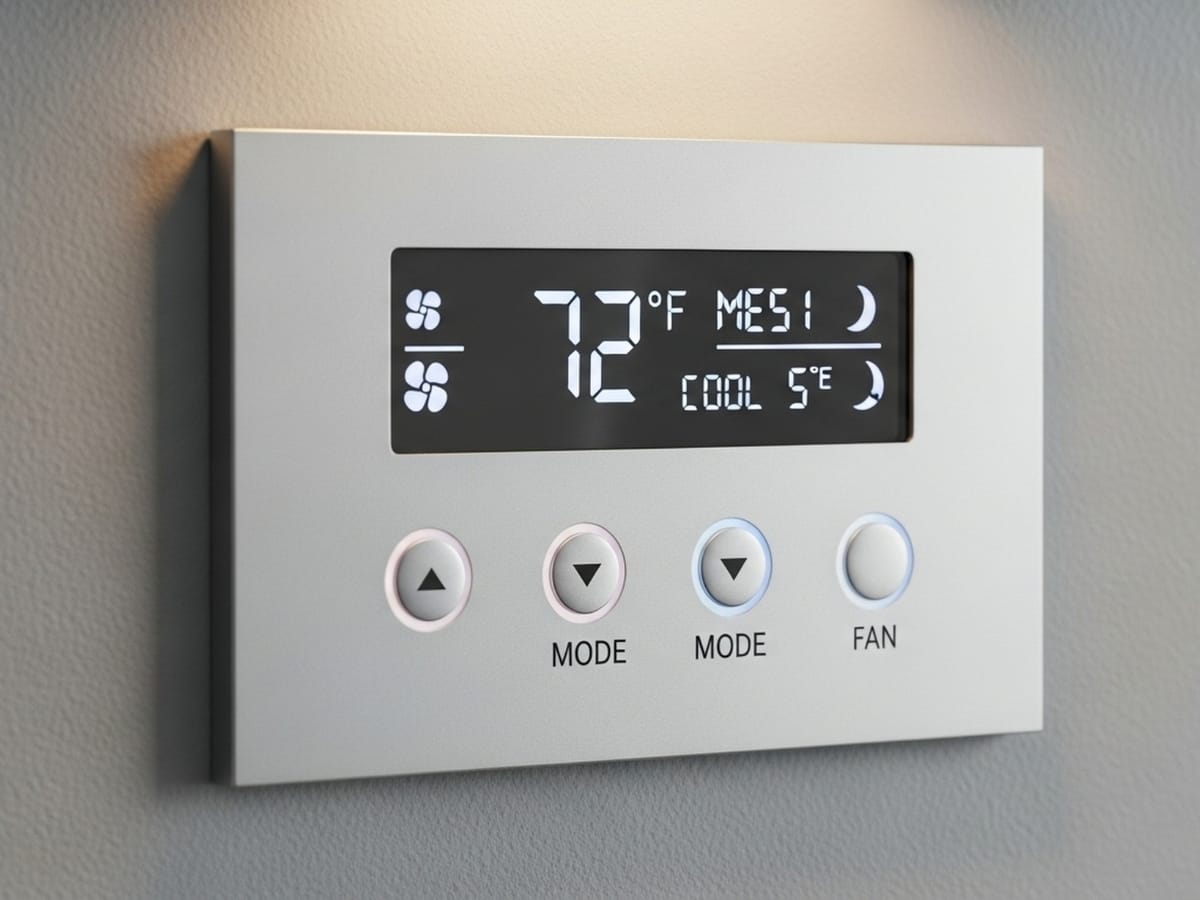
Smart thermostats fit naturally into many winter efficiency tips for Marietta homes because they help your heating system work only when and where it is needed. Instead of relying on constant manual adjustments, you can let the thermostat manage schedules, setbacks, and small corrections in the background, which adds up to real savings over a full season.
What Are The Top Smart Thermostat Benefits For Heating Efficiency In Marietta?
For most Marietta homeowners, the clearest benefit of a smart thermostat is lower run time without a noticeable loss of comfort. These devices “learn” when your home is typically occupied, then apply small temperature changes when rooms are empty or everyone is asleep. That helps reduce wasted heating during mild winter days, which are common in metro Atlanta. Remote control from a phone or tablet is another practical advantage, since it lets you correct settings if you forget to adjust the thermostat before leaving or returning home.
Usage reports and energy summaries are also helpful. Many smart thermostats show how long the system ran, when peak use occurred, and how schedule changes affected consumption. That information makes it easier to fine tune your own winter efficiency tips, such as deciding whether to lower nighttime settings further or adjust weekend schedules. When you combine that data with regular HVAC maintenance, you get a more accurate sense of how well your equipment is performing and where additional improvements might pay off.
How Do Programmable Thermostats Optimize Heating Schedules?
Programmable thermostats focus on one main job: automating a schedule so you are not constantly adjusting the temperature by hand. In a typical Marietta home, that means setting modest setbacks during known away periods during the workday and slightly cooler temperatures at night. Small changes of 2 to 4 degrees are often enough to trim heating costs without making mornings or evenings uncomfortable. Because the thermostat handles these changes automatically, you are less likely to override settings in the moment, which keeps savings on track.
The timing of these adjustments matters. It helps to delay a setback until an hour or two after people leave and to begin warming the house shortly before they return, instead of letting the system run at the same temperature all day. This approach avoids deep temperature swings that can be hard on equipment and can trigger less efficient backup heat on some systems. When programmed thoughtfully, even a basic thermostat becomes one of the most reliable winter efficiency tips you can use, since it delivers savings every day with no extra effort.
Can Smart Thermostats Integrate With Other Home Energy Systems?
A growing advantage of smart thermostats is their ability to work with other home systems rather than operating alone. Many models connect to home automation platforms, zoned ductwork, or smart vents to direct heat where it is most useful. In an open plan or multi-story home, this can mean prioritizing occupied rooms and easing back on spaces that are rarely used in winter, which further reduces unnecessary heating.
Some smart thermostats can also participate in demand-response or energy management programs offered by utilities, which may provide bill credits in exchange for small, temporary adjustments during peak periods. When integration is designed and installed correctly, the thermostat becomes the “brain” of a wider comfort and efficiency strategy, coordinating equipment, controls, and your household routine. Used alongside insulation improvements and sensible air sealing, these integrated tools turn smart controls into one of the most effective winter efficiency tips for keeping Marietta homes comfortable while holding energy costs down.
Which Quick Winter Maintenance Tips Help Save On Heating Costs In Marietta?
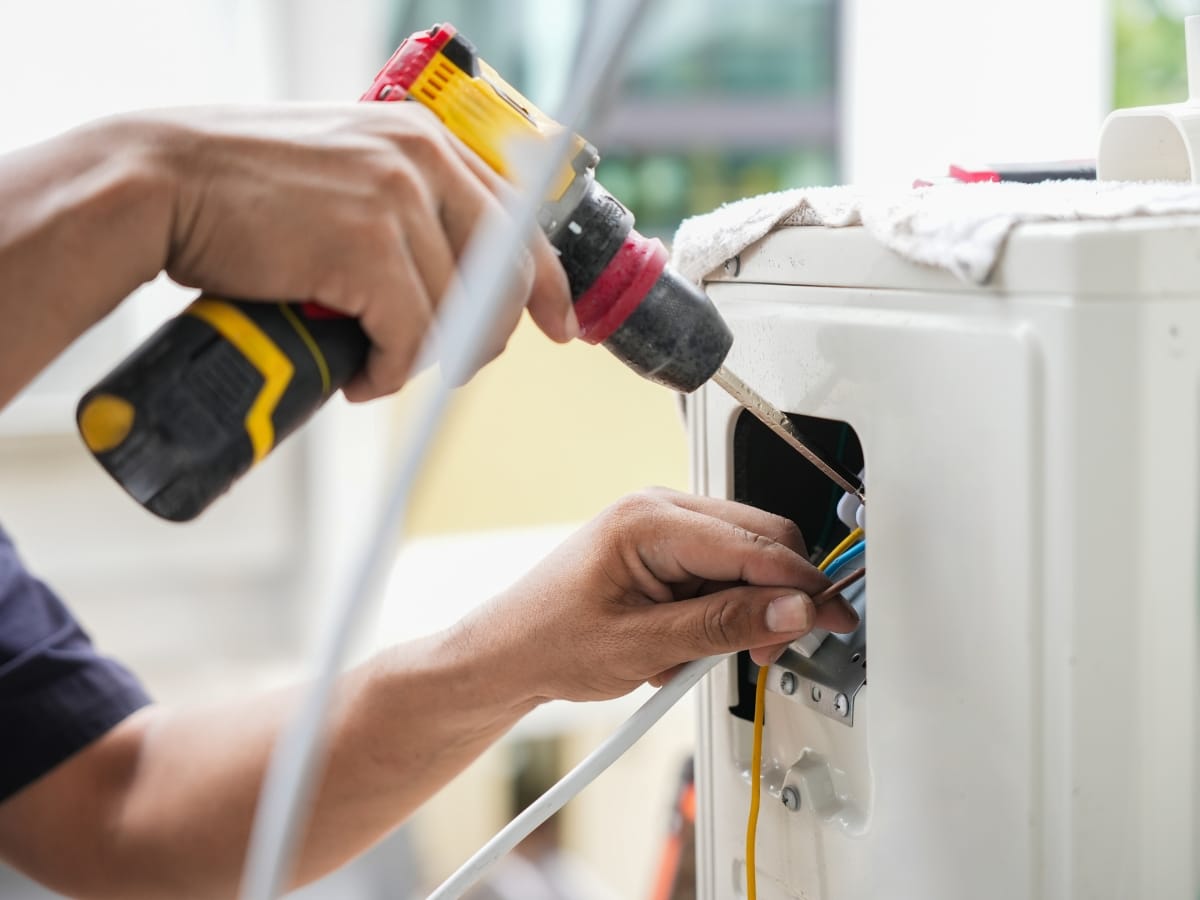
When people think about winter efficiency tips, they often jump straight to new equipment or big insulation projects. Those upgrades matter, but in Marietta a lot of wasted energy comes from small maintenance issues that are easy to overlook. Simple, consistent care keeps your furnace or heat pump running closer to its rated efficiency, which means lower bills, fewer breakdowns, and a more comfortable house on colder nights.
One of the quickest wins is filter replacement. Every time a filter fills with dust and pet hair, it restricts airflow and forces the system to run longer to reach the same temperature. In most metro Atlanta homes, changing the HVAC filter every 1 to 3 months is enough to keep air moving freely, protect the blower, and maintain even room temperatures. If you have pets, allergies, or a lot of dust from nearby roads or construction, you may need to check more often.
It also helps to pay attention to vents and returns inside the home. When furniture, rugs, or storage boxes block registers, the system cannot deliver or pull back air efficiently, which drives up run time and can create hot and cold spots. A quick walk-through at the start of the season to clear supply and return vents, open dampers fully in frequently used rooms, and confirm that nothing is pushed tight against grilles can make your other winter efficiency tips work harder for you.
For homes with heat pumps, the outdoor unit needs regular attention as well. Leaves, pine straw, and yard debris can collect around the cabinet and against the coil. Clearing a generous area around the unit and brushing off debris every month or so during the heating season keeps airflow unobstructed and reduces stress on the compressor. In cold snaps, it is also worth glancing at the unit to make sure it is not buried in ice or blocked by snow piles after rare storms.
Thermostat checks are an easy step that many people skip. Replacing batteries before winter, verifying that the thermostat reads room temperature accurately, and confirming that programmed schedules match your actual routine all help the system cycle on and off at the right times. If you have moved a thermostat recently, or added new lighting or electronics nearby, it is worth confirming that those changes are not tricking the sensor into thinking the room is warmer than it really is.
Beyond homeowner tasks, an annual professional tune up is one of the most reliable winter efficiency tips for Marietta properties. For furnaces, a technician should perform combustion checks, inspect and clean burners, verify flue integrity, and confirm that safety controls are operating correctly. For heat pumps, the focus is on refrigerant charge, coil cleanliness, defrost operation, and electrical components. Catching small issues like weak capacitors, dirty coils, or marginal inducer motors early often prevents mid season breakdowns and keeps efficiency from drifting downward over time.
You can think of the core maintenance steps in three groups: filter and airflow care, outdoor unit cleaning, and a yearly professional service. The table below summarizes how often to tackle each one and how much it affects system performance.
| Maintenance Task | Frequency | DIY Difficulty | Impact On Efficiency |
|---|---|---|---|
| Replace HVAC filter | Every 1 to 3 months | Low | High |
| Clear outdoor unit debris | Monthly in season | Low | Medium |
| Professional tune up (furnace or heat pump) | Once per year | High (pro only) | High |
Staying on top of these basics keeps your heating system from wasting energy on avoidable restrictions and malfunctions. When you combine regular maintenance with other winter efficiency tips, such as modest thermostat setbacks, better attic insulation, and sealed ductwork in attics or crawlspaces, the savings tend to show up quickly in your utility bills and in fewer urgent repair calls during the coldest weeks of the year.
Frequently Asked Questions
Using practical winter efficiency tips can make a noticeable difference in how comfortable your home feels and how much you spend on heating in Marietta. These answers walk through the basics so you can decide where to start and when to bring in a professional.
What are the benefits of regular HVAC maintenance during winter?
Regular winter maintenance keeps your heating system running safely and closer to its intended efficiency. Over time, dust, restricted airflow, and worn parts make equipment work harder than it should, which raises energy bills and increases the risk of midseason breakdowns. Simple habits such as changing filters on schedule, keeping supply and return vents clear, and booking an annual professional tune up help protect the system and maintain steady comfort. When you pair these habits with other winter efficiency tips, you usually see better performance and fewer surprise repairs.
How can I tell if my heating system needs professional service?
Your system is asking for help if you notice odd noises, new rattles, or banging sounds, uneven temperatures from room to room, or energy bills that jump without a clear reason. Frequent short cycling, where the system turns on and off repeatedly, is another warning sign. On gas furnaces, yellow or flickering flames, unusual smells, or a noticeable drop in heat output should always be treated as urgent cues to call a qualified technician. Responding early to these signs usually keeps a small issue from turning into a major repair.
What insulation materials are best for improving home energy efficiency?
Fiberglass batts, spray foam, and cellulose are the most common choices for improving envelope performance. Fiberglass batts are often the most budget friendly and work well in accessible attics when installed carefully to avoid gaps. Spray foam combines high R value with strong air sealing, so it is often used in attics, rim joists, and tricky cavities. Cellulose, made from treated recycled paper, offers solid thermal performance and is a good fit for dense packing in walls or attics. The best option depends on whether you are working in an open attic, finished walls, or a crawlspace, as well as your budget and how deep you want to go with winter efficiency upgrades.
Are there any local rebates or incentives for energy efficient upgrades in Marietta?
Many Marietta and Metro Atlanta homeowners can access rebates or incentives for smart thermostats, insulation improvements, duct sealing, or high efficiency HVAC equipment. The details change over time, so it is important to check your utility provider’s website and review current federal or state programs before you start a project. Taking a little time to match your winter efficiency tips with available rebates can lower the upfront cost and shorten the payback period for improvements you already plan to make.
How does weatherstripping contribute to energy savings?
Weatherstripping provides a simple way to seal the small gaps around exterior doors and operable windows that let cold air leak in and warm air escape. By tightening these joints, you help stabilize indoor temperatures and reduce drafts that make rooms feel colder than the thermostat setting. That comfort boost often allows you to keep the thermostat a bit lower without feeling chilled. It is an inexpensive project that works well alongside other winter efficiency tips like attic insulation and smart thermostat settings.
What are the common mistakes to avoid when using a smart thermostat?
Homeowners get the most benefit from smart thermostats when they take time to set up schedules and features that match their actual routine. Common mistakes include installing a unit that is not fully compatible with the existing HVAC system, relying only on default programs, using large temperature swings that trigger auxiliary heat on heat pumps, and ignoring data about run time or setback performance. To avoid these pitfalls, start with modest setbacks, review the energy reports your thermostat provides, and adjust schedules seasonally. Combined with basic system maintenance, a well tuned smart thermostat can be one of the most effective winter efficiency tips for Marietta homes.
Conclusion
By implementing these efficiency tips, you can significantly reduce your heating costs and stay comfortable throughout Marietta’s winter without breaking the bank. For maximum savings and system performance, partner with the experts at CoolPro Heating & Cooling. Our professional HVAC maintenance, smart thermostat installations, and system optimizations are designed to keep your home warm and your energy bills low. Start saving this season—fill out our site form, or call 770-694-6232 today for an efficiency consultation tailored to your home.