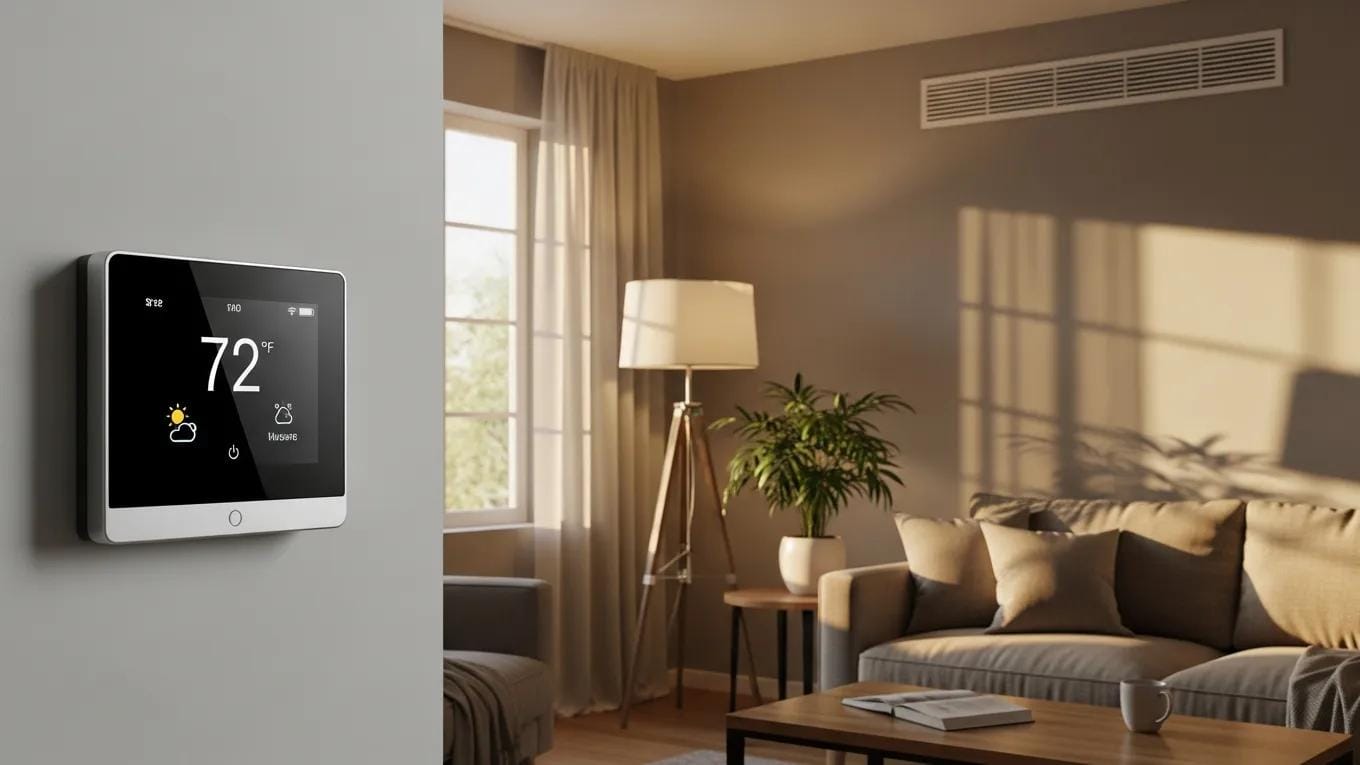
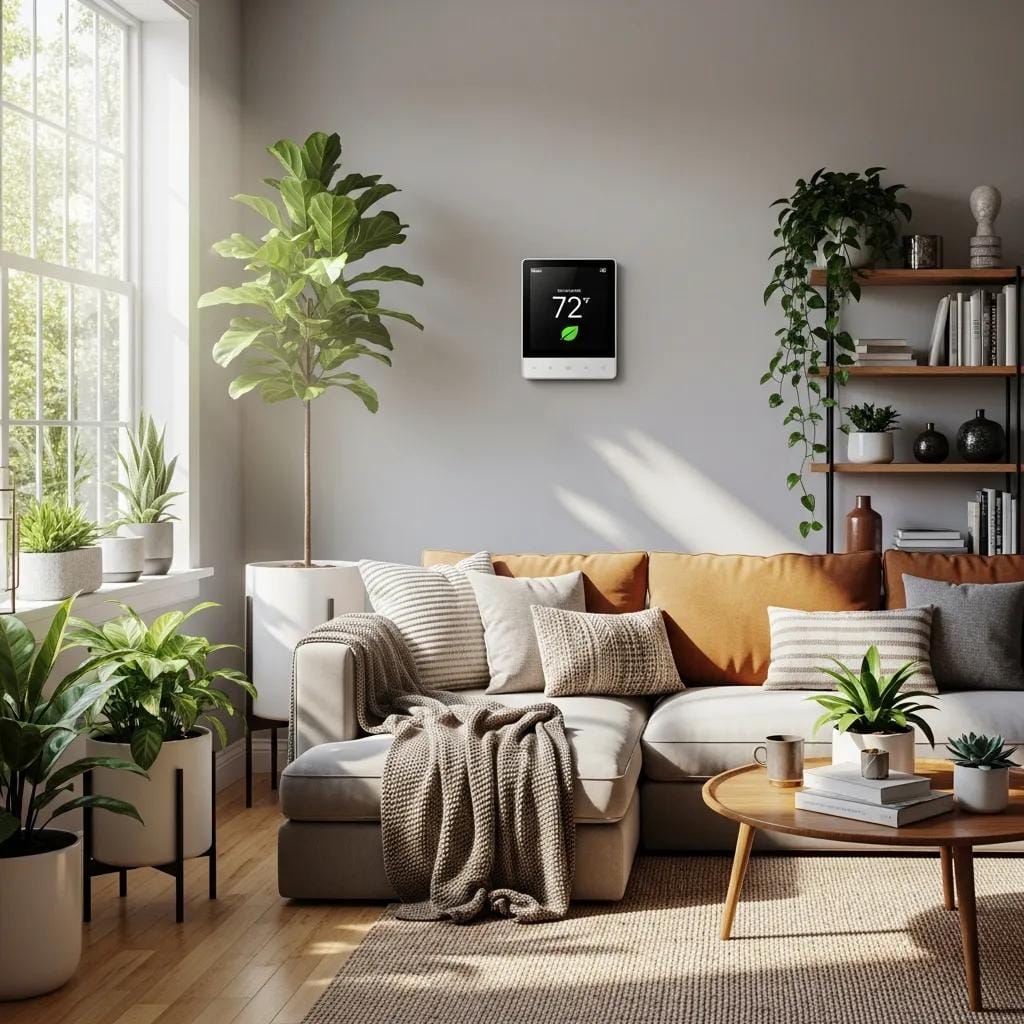
Smart thermostats offer Atlanta homeowners a powerful combination of convenience, cost savings, and climate control tailored to Georgia’s distinct seasons and temperature swings. By learning your schedule, allowing remote adjustments, and providing detailed energy usage reports, these devices optimize your HVAC system’s performance, reducing energy waste and monthly bills.
In this guide, we’ll explore the key smart thermostats benefits in your Atlanta home, from improved comfort and humidity management to potential utility rebates and a smaller carbon footprint.
Smart Thermostats Benefits That Justify the Upgrade
How Do Smart Thermostats Save Energy And Reduce Utility Bills In Atlanta?
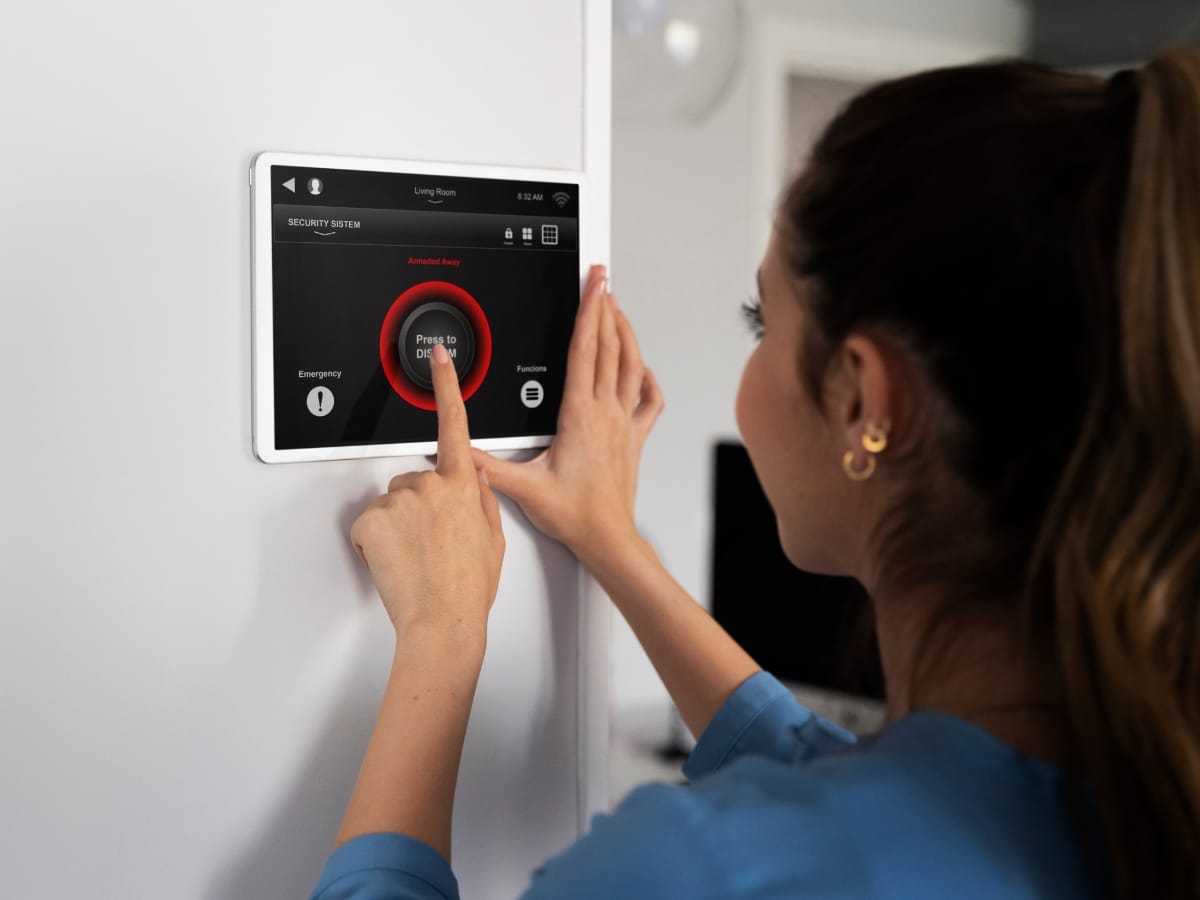
For many Atlanta households, heating and cooling is one of the biggest drivers of monthly energy costs. The main reason is simple: the HVAC system runs a lot, especially during long stretches of heat and humidity. This is where the smart thermostats benefits start to show up. Instead of keeping the home at one set temperature all day, a smart thermostat helps reduce wasted runtime by adjusting settings around your real routine.
Most smart thermostats do this through scheduling, occupancy sensing, or learning patterns over time. If the house is empty for a large portion of the day, the thermostat can ease back on cooling or heating and then bring the home back to a comfortable range before you return. That small shift, repeated day after day, can lower energy use without making the home feel uncomfortable. Many models also provide energy reports that show when the system ran and why, which helps homeowners spot habits that drive costs up.
Another often overlooked advantage is control and consistency. With remote access through an app, you can make quick changes if plans shift. If you are staying out later than expected, you can delay cooling. If you are heading home early, you can bring the temperature back sooner. That flexibility reduces the chance of the HVAC system running hard at the wrong times, which is one of the most practical smart thermostats benefits for busy households.
What Energy Savings Can Atlanta Homeowners Expect With Smart Thermostats?
Savings vary depending on the home, the HVAC system, and how consistent your schedule is, but many Atlanta homeowners see noticeable reductions over time when they use smart features properly. A thermostat that is set up with realistic schedules and sensible temperature setbacks can reduce unnecessary cooling and heating, especially in homes that sit empty during the workday.
A common mistake is expecting savings without changing anything. If a smart thermostat is installed but left on a constant temperature, it may not deliver much improvement. The best results come when homeowners use scheduling, away modes, and energy feedback to fine-tune settings. Even modest adjustments can add up, particularly during peak summer months when the system might otherwise run for long hours.
It also helps to remember that comfort does not require extreme settings. Keeping a stable, reasonable range and letting the thermostat make small changes based on occupancy is often more effective than frequent manual adjustments. Over time, the thermostat can help reduce spikes in energy use and smooth out the daily runtime of your system.
How Do Smart Thermostats Optimize HVAC Efficiency For Atlanta’s Climate?
Atlanta’s climate adds a layer of complexity because comfort is not just temperature, it is also humidity. Many smart thermostats support features that help manage how the HVAC system runs in warm, damp conditions. Some models work with indoor sensors to reduce hot and cold spots, which can prevent the system from overworking to satisfy one area of the home. Others can coordinate with compatible equipment to control fan behavior or humidity-related settings, helping the home feel cooler without forcing the system to run nonstop.
Weather responsiveness is another advantage. While a thermostat cannot change outdoor conditions, it can adapt to the way those conditions affect your home. On unusually hot afternoons, it may hold a steadier temperature strategy rather than making big swings that cause longer runtime. The goal is not just comfort in the moment, but efficient operation across the entire day.
When smart features are paired with good HVAC habits, like clean filters and sensible settings, the payoff is a system that runs more predictably and wastes less energy. For Atlanta homeowners, that combination is often the most reliable path to both comfort and lower monthly costs.
Smart Thermostat Energy Savings in Atlanta: Cut Your Utility Bills

For many homeowners, the biggest day-to-day payoff of smart thermostats is not just lower bills. It is how the house feels. Atlanta weather can shift quickly, and the combination of heat and humidity can make a home feel sticky even when the temperature looks “right” on paper. That is where the smart thermostats benefits go beyond energy savings and move into comfort and climate control.
Instead of relying on constant manual changes, a smart thermostat helps keep conditions steady. When the system runs in a more controlled way, you get fewer temperature swings, fewer rooms that feel noticeably warmer than others, and fewer moments where the HVAC kicks on hard just to catch up. Many households notice this most at night. Consistent temperatures make bedrooms more comfortable, and predictable run cycles can reduce that on-and-off feeling that comes with traditional thermostats.
Smart thermostats can also support better comfort in homes with inconsistent airflow. If you have a bonus room that runs hot, or a hallway that stays cool, a thermostat paired with remote sensors can balance how the system responds. It is not magic, but it can help the HVAC make decisions based on the rooms you actually use rather than one spot in the house.
How Do Smart Thermostats Manage Temperature And Humidity In Atlanta?
Humidity matters in Atlanta. A home can be set to a comfortable temperature and still feel uncomfortable if moisture levels are high. One of the most practical smart thermostats benefits is the ability to factor humidity into comfort. Many models use built-in sensors, while others rely on connected equipment features, to monitor indoor moisture and adjust how the system runs.
This can show up in a few ways. Some thermostats will run the air conditioning a bit longer at a slightly higher temperature to remove moisture more effectively. Others can adjust fan settings or work with compatible HVAC systems to reduce that clammy feeling. The result is often a home that feels cooler and more comfortable without needing to drop the temperature as much.
During summer, this can make a noticeable difference in rooms that tend to hold humidity, like kitchens, basements, or spaces with less airflow. Managing moisture also helps protect the home itself. Lower indoor humidity can reduce the chance of mildew smells, condensation, and other issues that show up when moisture builds over time.
What Features Enhance Home Comfort Through Smart Thermostat Automation?
Automation is where smart thermostats start to feel genuinely helpful. Scheduling is the most straightforward example. You can set the home to be comfortable when you are awake and home, and let it relax when you are at work or asleep, without having to think about it every day. This kind of routine is simple, but it is one of the smart thermostats benefits that keeps comfort consistent across the week.
Geofencing can add another layer of convenience if you have a predictable commute. When your phone signals that you are on the way home, the thermostat can adjust so the house feels comfortable when you walk in. Remote access is equally practical, especially when plans change. If you are traveling, staying late, or coming home earlier than usual, you can make small adjustments from anywhere instead of wasting energy or arriving to an uncomfortable home.
Many smart thermostats also provide reminders and alerts, such as filter change notifications or system behavior that looks unusual. While those features are not glamorous, they support comfort by helping the HVAC run the way it should. In a climate like Atlanta’s, small maintenance issues can show up fast, so having a thermostat that helps you stay ahead of them can make the home feel better year-round.
Why Choose Professional Smart Thermostat Installation Services in Atlanta?
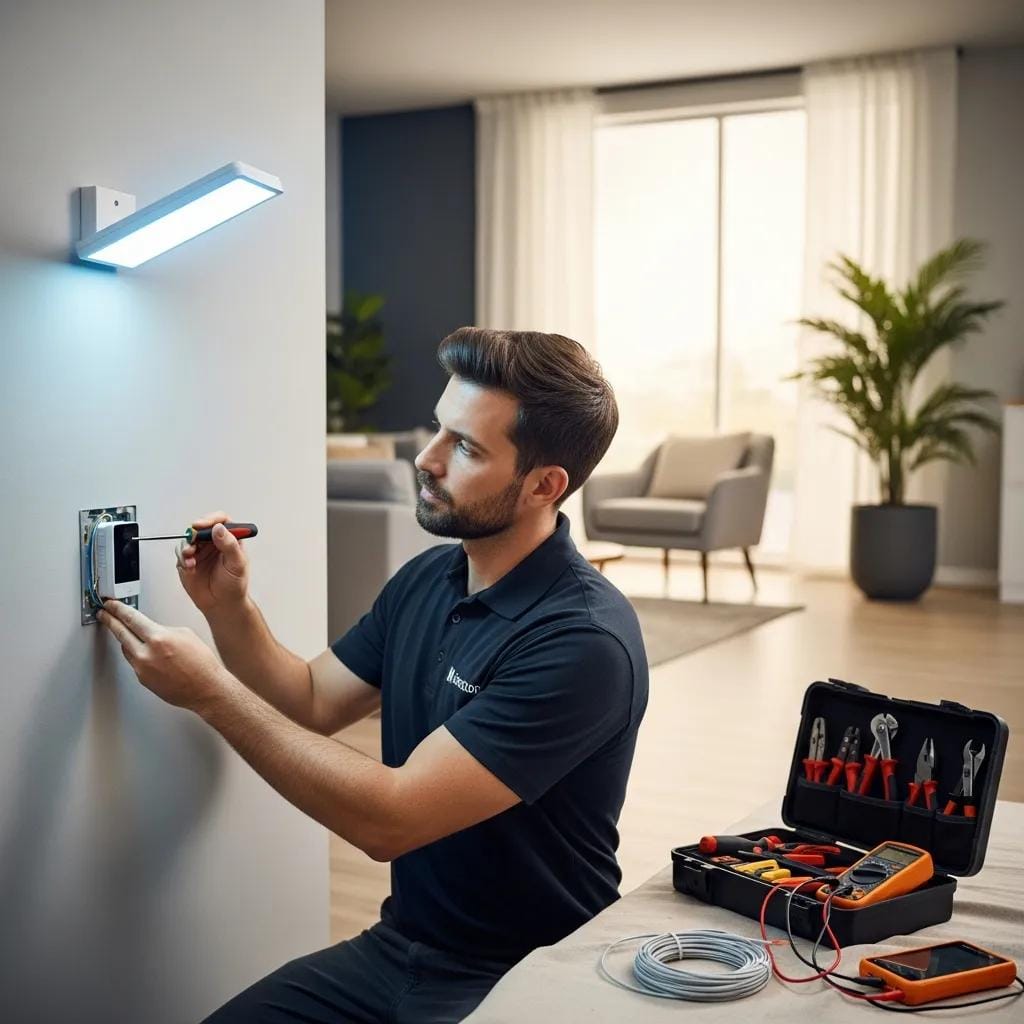
Smart thermostats are designed to be easy to use, but “easy to use” is not always the same as “easy to set up correctly.” A thermostat sits at the center of how your heating and cooling system operates, so a small wiring or configuration mistake can lead to uneven temperatures, short cycling, or a system that runs longer than it should. In a climate like Atlanta’s, where air conditioning can do a lot of heavy lifting for much of the year, getting the setup right matters.
Professional installation helps ensure the thermostat communicates properly with your specific HVAC equipment, whether you have a conventional system, a heat pump, or multi-stage heating and cooling. It also reduces the chances of compatibility surprises, like discovering your system needs a common wire or an additional accessory to support advanced features. When everything is set up correctly from the start, it is easier to actually experience the smart thermostats benefits people talk about, such as steadier comfort and better control without constant manual adjustments.
What Does The Smart Thermostat Installation Process Involve?
A solid installation usually starts with a quick review of your current setup. That includes checking the existing thermostat wiring, identifying your HVAC system type, and confirming what features your system supports. For example, some homes can take advantage of multi-stage control, while others may be best served by a simpler configuration. This step helps avoid buying features your system cannot use or missing features it could support.
After the thermostat is mounted and wired, the most important part is configuration. The installer will set the thermostat to match your equipment, then test heating and cooling calls to confirm everything responds correctly. Many smart thermostats also offer learning features, scheduling, and energy-saving modes, but those tools only work well when the initial settings are accurate. That is where professional setup can make a real difference, especially if your system has quirks like a slow-to-start fan, a heat pump with auxiliary heat, or zoning.
Finally, the thermostat is typically connected to Wi-Fi and paired with an app. Done properly, you end up with reliable remote control, useful alerts, and more accurate runtime data. That data can be surprisingly helpful for spotting patterns like an AC unit running longer than usual, which might indicate a filter issue or another maintenance need.
How To Ensure Compatibility And A Reliable Installation
Compatibility is not just about whether the thermostat powers on. It is about whether the thermostat can control your system the way it is intended to. A reliable installation includes confirming wiring requirements, ensuring the thermostat supports your system type, and verifying that key functions like fan control and staging work as expected. It also means making sure sensors, schedules, and energy settings are tuned to your household routines rather than left at generic defaults.
If you are comparing options, focus on the practical outcomes: consistent comfort, fewer temperature swings, and settings that make sense for how your home is used. When the thermostat is installed and configured correctly, the smart thermostats benefits become much more noticeable day to day. You are not just adding a gadget to the wall, you are improving how your heating and cooling system responds to real life.
Which Are the Best Smart Thermostat Brands for Atlanta Homes?
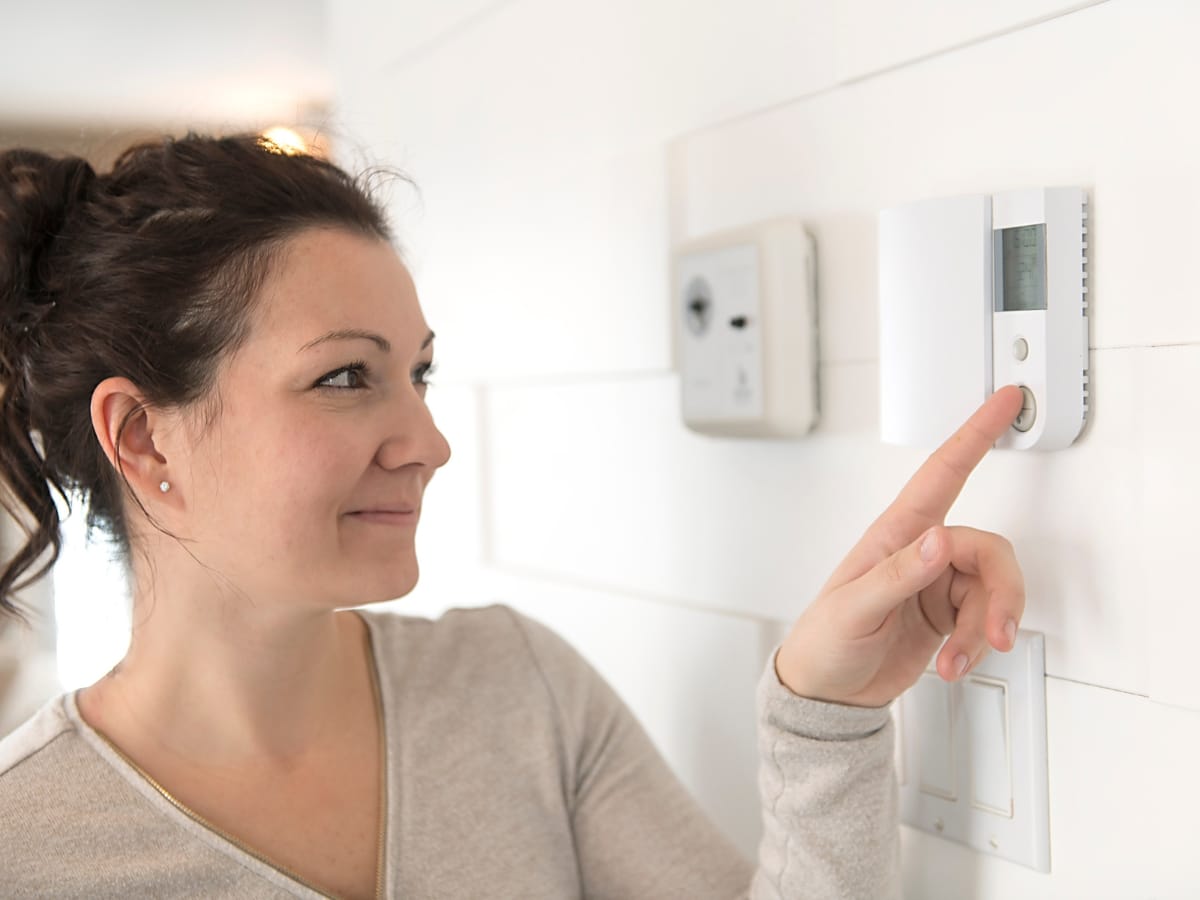
Choosing a smart thermostat is less about finding the most popular name and more about matching the device to how your home and HVAC system actually operate. Atlanta weather swings from humid summers to cooler winter stretches, so a thermostat that handles both efficiently can make daily comfort easier to manage. For many homeowners, the short list usually includes Nest, Ecobee, and Honeywell, largely because each brand has models that work well across common residential systems and each takes a slightly different approach to comfort and energy management.
The main differences come down to how hands-off you want the experience to be, whether your home has hot and cold spots, and how much detail you like when it comes to tracking energy use. If you focus on those factors first, it becomes easier to narrow the options and choose a model that actually delivers the smart thermostats benefits you are expecting.
How Do Nest, Ecobee, And Honeywell Compare For Atlanta Homeowners?
Nest is often associated with its learning features. If you like the idea of setting a temperature a few times and letting the thermostat adapt over time, Nest tends to appeal to that preference. It is built for people who do not want to constantly tweak schedules, and it can be a good match for households with consistent routines. In Atlanta, where cooling costs can add up, a device that fine-tunes itself around your habits can be useful, especially if you often forget to adjust settings when you leave.
Ecobee is a strong option when temperature balance is the bigger issue. Many Atlanta homes have rooms that run warmer upstairs or cooler in shaded areas, and Ecobee’s room sensors are designed to help with that. Instead of only reading the temperature in the hallway where the thermostat sits, it can factor in other rooms and average things out based on where you actually spend time. If you have a larger home or deal with uneven comfort, this can make the smart thermostats benefits feel more immediate because the system is responding to real conditions, not just a single spot on the wall.
Honeywell models vary widely, but the brand is commonly chosen by homeowners who want more control and clearer reporting. Many Honeywell options lean into customization and energy insights, so if you like reviewing usage trends and adjusting schedules based on what you see, this brand can be a good fit. It can also be a practical choice if you prefer a more straightforward interface and settings you can fine-tune without relying on auto-learning.
What Features Should Atlanta Homeowners Consider When Choosing A Smart Thermostat?
Before picking a brand, it helps to think through a few features that affect everyday use. Learning capability matters if you want a thermostat that adapts to your routine, but it is less helpful if your schedule changes often or you prefer to control things manually. Remote access is also important, especially in Atlanta summers when you might want to adjust cooling before you get home or check that the system is not running unnecessarily while you are away.
Energy reports are another feature that can be more useful than it sounds. A good report can show patterns, like frequent runtime during specific hours, which may point to habits you can change or comfort issues worth addressing. Finally, consider whether your home has uneven temperatures from room to room. If it does, sensor support can make a bigger difference than a long list of extra features.
When the right features match your home, the smart thermostats benefits are easier to notice, from steadier comfort to better control over how hard your system works throughout the week.
Conclusion
For Atlanta homeowners, a smart thermostat is more than a gadget—it’s a practical upgrade that delivers significant energy savings, enhanced comfort, and effortless control over your home’s climate. By intelligently adapting to your schedule and the local weather, it optimizes your HVAC system’s performance year-round. To select, install, and integrate the perfect smart thermostat for your home, trust the HVAC experts at CoolPro Heating & Cooling. Ready to save money and boost your comfort? Fill out our online site form or call 770-694-6232 today for a consultation. Let’s make your home smarter and more efficient.