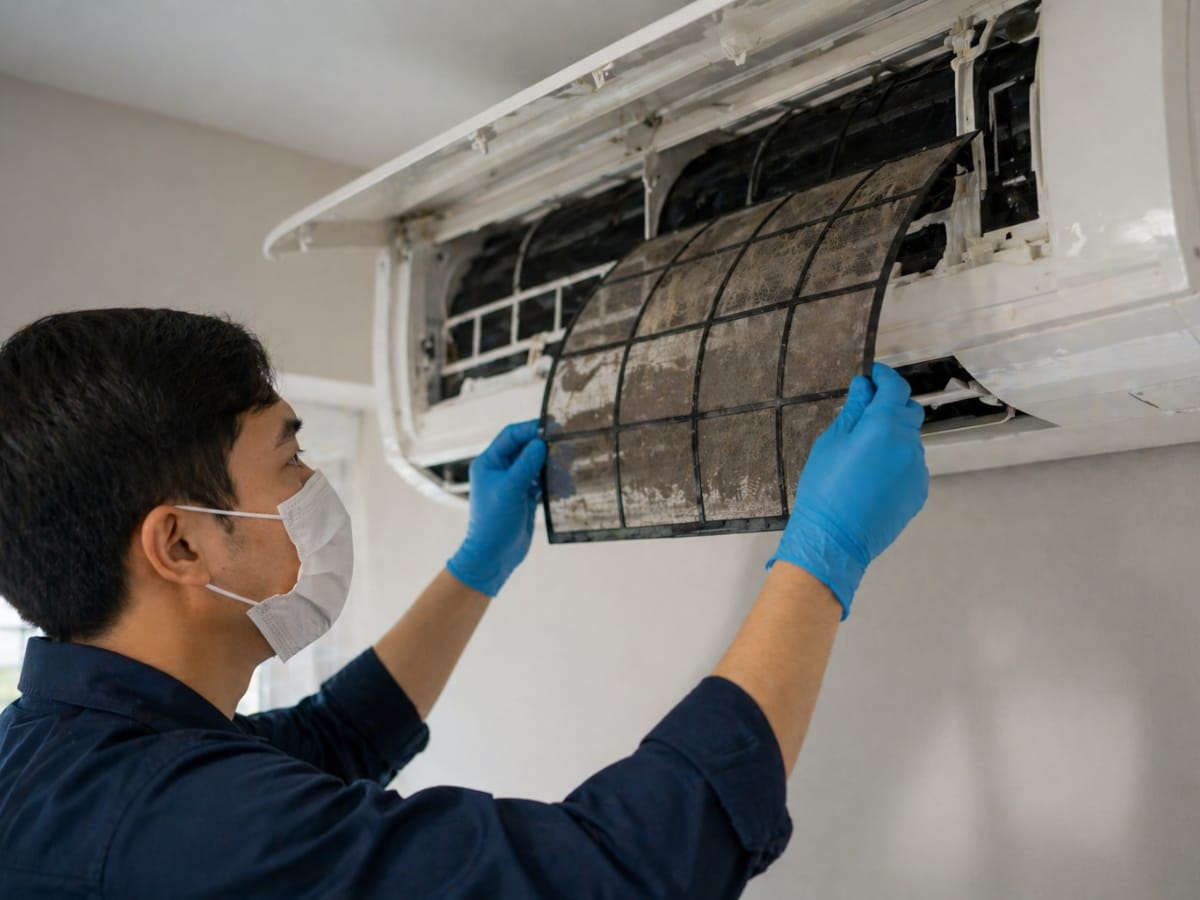
Weak airflow, uneven cooling, and rising energy bills often trace back to one overlooked task: a dirty AC filter. When dust and debris build up, your system has to work harder to push air through, reducing efficiency and comfort at the same time. Keeping the filter clean is one of the simplest ways to improve performance.
A step-by-step AC filter cleaning guide for better airflow helps you restore proper circulation without complicated tools or experience. With the right approach, you can remove buildup, support consistent cooling, and reduce strain on your system.
Regular filter maintenance not only improves airflow but also helps extend the life of your AC and keeps your indoor air cleaner throughout the season.
AC Filter Cleaning for Better System Performance
Why Regular AC Filter Cleaning Matters for Home Comfort
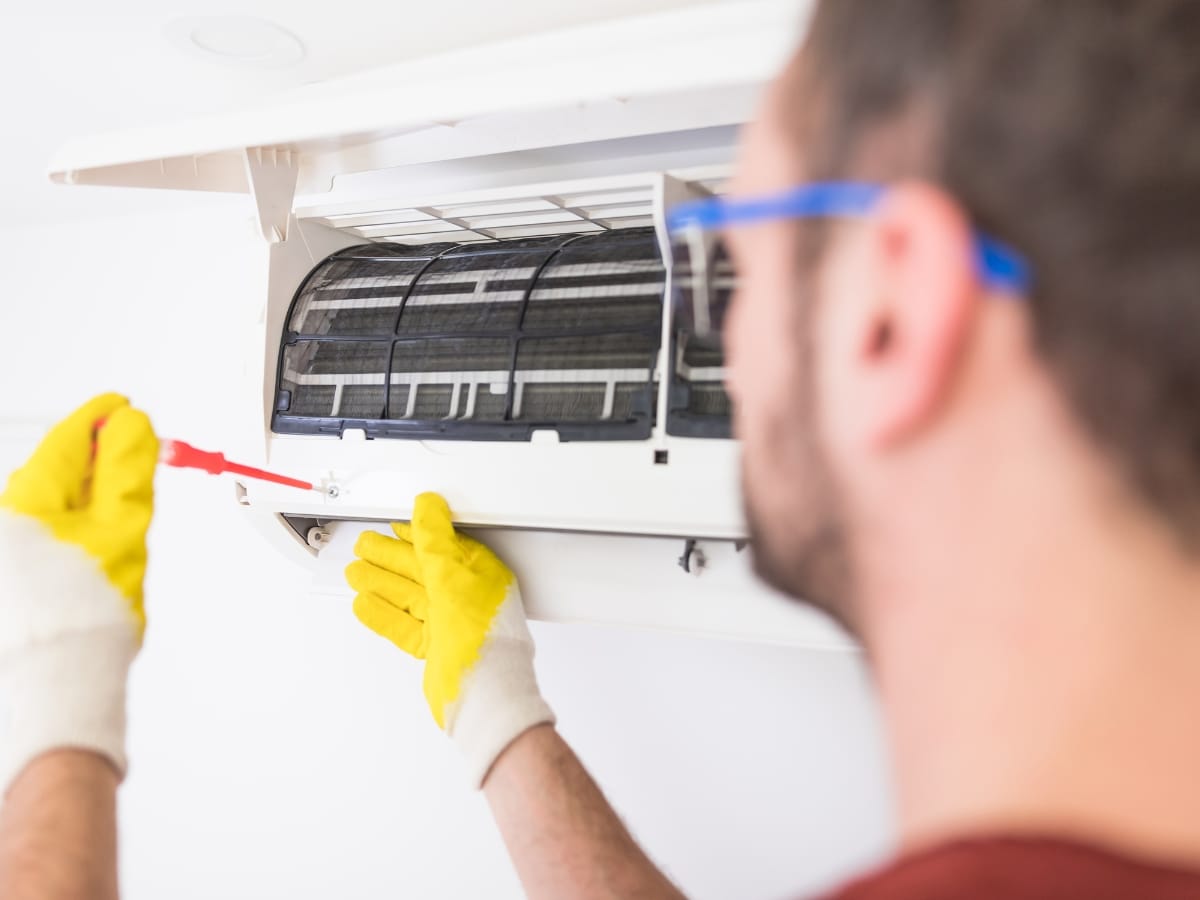
Regular AC filter cleaning plays a bigger role than most homeowners expect. It affects how efficiently your system runs, how comfortable your home feels, and even the quality of the air you breathe every day.
When filters are left unattended, they gradually fill with dust, debris, and airborne particles, which can quietly impact performance over time.
A clogged filter restricts airflow, forcing your HVAC system to work harder just to maintain the same temperature. This added strain can lead to higher energy use and unnecessary wear on internal components. Over time, that extra effort may shorten the lifespan of the system and increase the likelihood of repairs.
Beyond performance, AC filter cleaning is also closely tied to indoor air quality. The same particles that block airflow do not disappear. They continue circulating through your home, which can affect comfort and health in subtle but noticeable ways.
How Clean Filters Improve Energy Efficiency And System Function
One of the most immediate benefits of AC filter cleaning is improved airflow. When air can move freely through the system, it does not need as much energy to reach the desired temperature. This allows the unit to operate more efficiently without overcompensating.
Even a partially clogged filter can disrupt this balance. The system may run longer cycles, struggle to cool evenly, or produce inconsistent airflow in different rooms. These issues often develop gradually, which makes them easy to overlook until energy bills start to rise.
Maintaining a clean filter helps the system return to normal operation. Air circulates more evenly, temperature control becomes more consistent, and the overall workload on the unit decreases. Over time, this translates into more stable performance and lower operating costs.
The Connection Between Filter Maintenance And Air Quality
While efficiency is a major factor, AC filter cleaning also has a direct impact on the air inside your home. Filters are designed to capture particles such as dust, pollen, and pet dander. When they are clean, they can do this job effectively. When they are overloaded, they lose that ability.
As filters become saturated, some of these particles can pass through or re-enter circulation. This can lead to a noticeable buildup of dust, as well as discomfort for people with allergies or respiratory sensitivities. In homes with pets or high outdoor pollen levels, this effect can become more pronounced.
Keeping filters clean helps reduce the number of airborne contaminants moving through your living space. The result is a fresher environment that feels more comfortable and easier to maintain. It also supports better long-term air quality, especially in homes where the HVAC system runs frequently.
Preventing Long-Term Wear And Costly Repairs
Another important benefit of consistent AC filter cleaning is protecting the system itself. When airflow is restricted, internal components such as the blower motor and evaporator coil are placed under added stress. This can lead to overheating, reduced efficiency, or gradual damage that requires professional repair.
Over time, these issues can become more expensive than simple maintenance would have been. A neglected filter might seem minor at first, but it can contribute to larger system problems if left unchecked. Regular cleaning helps prevent this chain reaction by keeping airflow stable and reducing unnecessary strain.
This preventive approach is one of the simplest ways to extend the life of your HVAC system. It also helps ensure that when the system is needed most, it performs reliably without unexpected interruptions.
Making AC Filter Cleaning Part Of Routine Maintenance
The key to getting these benefits is consistency. AC filter cleaning does not require complicated tools or advanced knowledge, but it does require attention. Checking the filter regularly and cleaning or replacing it when needed keeps the system operating as intended.
Homes with pets, high usage, or more dust may need more frequent attention, while others can follow a more relaxed schedule. The important part is staying aware of how quickly filters accumulate debris and adjusting maintenance accordingly.
In the end, AC filter cleaning is a small task with a meaningful impact. It supports efficiency, protects your system, and improves the air you live in, all without requiring major time or expense.
What Are The Different Types Of AC Filters And Why Do They Matter For Cleaning?
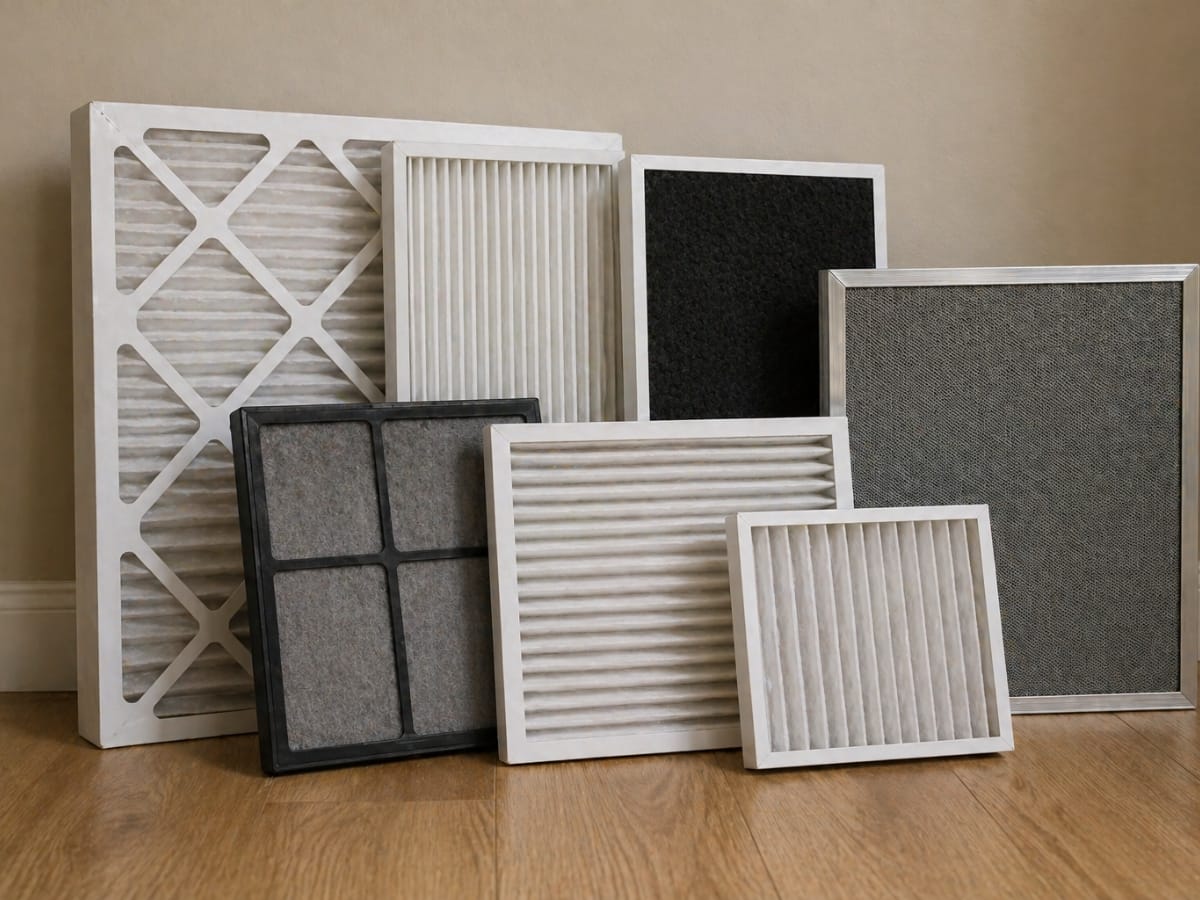
Not all AC filters are built the same, and understanding the differences can make AC filter cleaning much more effective. Each type is designed with a specific purpose in mind, whether it is improving airflow, capturing fine particles, or reducing odors. Because of these differences, the way you maintain and clean them will vary.
Choosing the right approach starts with knowing what kind of filter your system uses. A cleaning method that works well for one type may not be suitable for another, and using the wrong technique can reduce performance or even damage the filter.
Reusable Vs Disposable Filters And Their Maintenance Needs
One of the most important distinctions is whether a filter is reusable or disposable. Reusable filters, often made from materials like electrostatic mesh or reinforced fiberglass, are designed for repeated AC filter cleaning.
These filters can typically be rinsed or vacuumed and then placed back into the system once they are completely dry. The cleaning frequency for reusable filters usually falls within a one to three-month range, depending on how often the system runs and the level of dust in the home.
Homes with pets or higher air pollution may require more frequent attention. Disposable filters, on the other hand, are meant to be replaced rather than cleaned. Attempting to wash them can damage the structure and reduce their ability to trap particles.
These filters follow a similar replacement timeline, often every one to three months, but the focus is on timely replacement instead of cleaning. There are also high-efficiency filters, such as HEPA options, which are typically used in specialized systems.
These are designed to capture extremely fine particles and usually require replacement or very careful maintenance according to manufacturer guidelines.
How Filter Materials Influence Cleaning Methods
The material of a filter plays a major role in how AC filter cleaning should be handled. Washable fiberglass and electrostatic filters are generally the most straightforward. They can be cleaned using a gentle vacuum or rinsed with water to remove dust and debris. The key is to avoid excessive pressure that could damage the structure.
Activated carbon filters are designed to reduce odors and may require a more cautious approach. While some can be lightly rinsed, they must be thoroughly dried before being reinstalled. Any retained moisture can affect their performance and lead to unwanted issues inside the system.
More delicate filters, such as HEPA-style materials, are not typically suited for washing. In many cases, they should either be replaced or cleaned very carefully with low-suction vacuuming if the manufacturer allows it. These filters are designed for precision, and improper handling can reduce their effectiveness.
Understanding these material differences helps prevent common mistakes. Instead of treating every filter the same, you can tailor your approach to maintain performance without causing unnecessary wear.
Matching Cleaning Methods To Real-World Conditions
Beyond the filter type itself, real-world conditions also influence how often and how thoroughly cleaning should be done. A home in a high-dust area or one with multiple pets will place more strain on the filter compared to a low-traffic environment.
This means AC filter cleaning should be adjusted based on usage rather than following a fixed schedule alone. Checking the filter visually can provide a quick indication of whether it needs attention. If it appears clogged or discolored, it is likely affecting airflow and should be addressed.
By combining knowledge of filter type with actual conditions in the home, maintenance becomes more practical and effective.
What Are The Step-By-Step AC Filter Cleaning Procedures For Optimal Results?
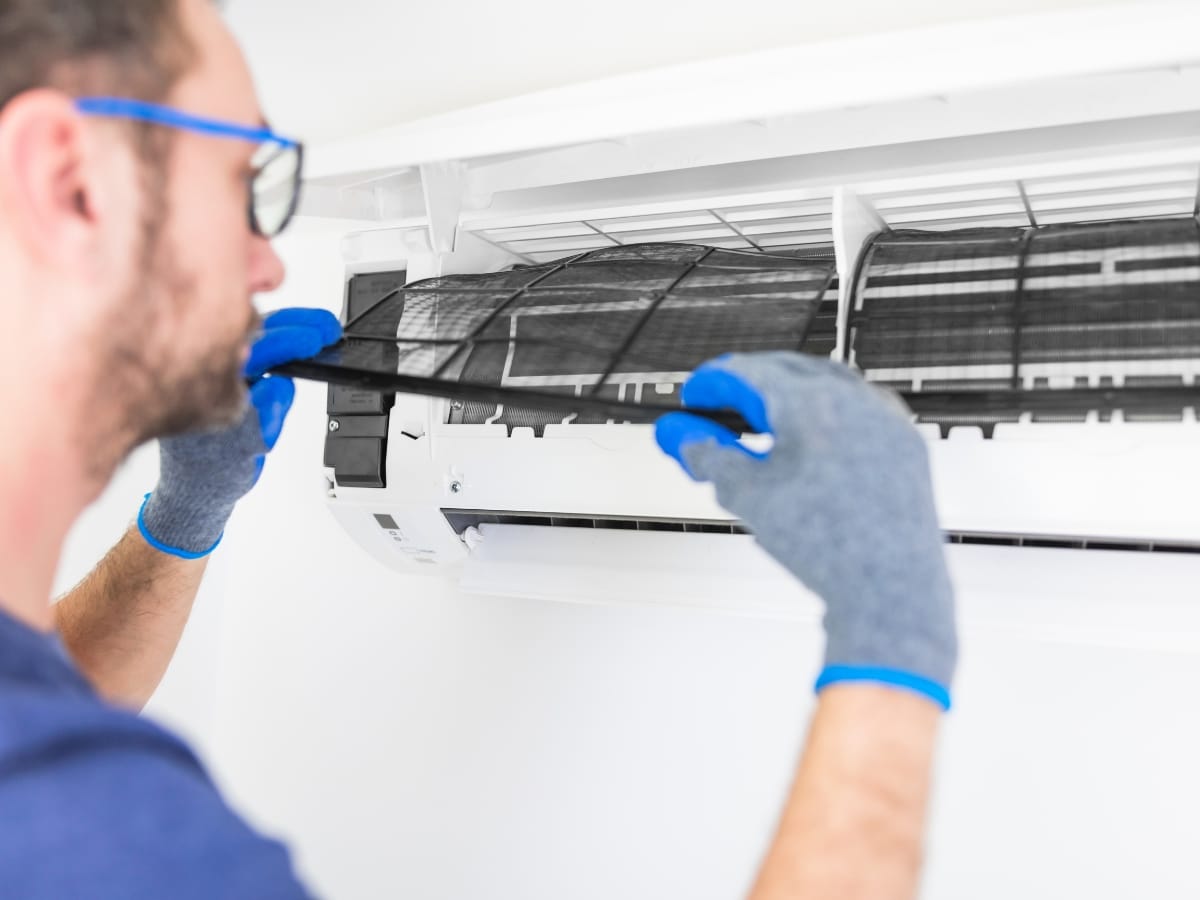
Keeping your HVAC system running efficiently often comes down to consistent AC filter cleaning. While the process itself is simple, doing it correctly can make a noticeable difference in airflow, energy use, and overall system performance.
Taking a few extra minutes to follow a clear approach helps ensure you get the best results without damaging the filter.
Preparing For AC Filter Cleaning Safely And Effectively
Before starting, it is important to prepare both your workspace and your system. Always turn off your HVAC unit first. This step prevents dust from circulating while the filter is removed and protects the system during maintenance.
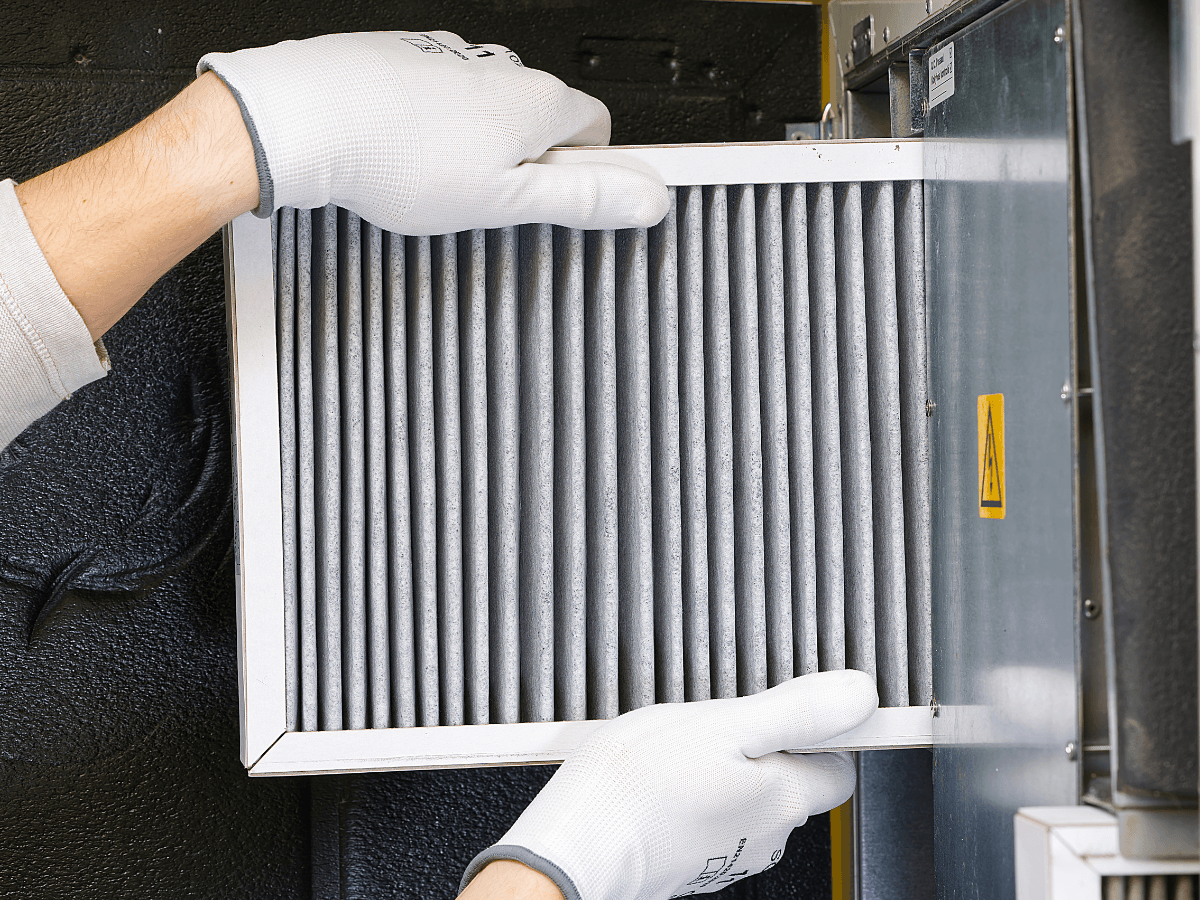
Once the system is off, locate and remove the filter carefully. Most filters slide out easily, but it is still worth checking how it is positioned so you can reinstall it the same way later. Taking a quick look at the filter will also give you a sense of how much buildup you are dealing with.
Having the right tools nearby makes the process smoother. A vacuum with a brush attachment works well for removing loose debris, while a soft brush can help with areas where dust has settled more deeply.
If your filter is washable, access to clean water will also be necessary. Wearing basic protective gear such as gloves or a mask can make the process more comfortable, especially if the filter is heavily soiled.
Cleaning Reusable Filters Without Causing Damage
For reusable filters, the goal is to remove buildup without affecting the structure of the material. Start by using a vacuum to gently lift dust from the surface. Move in the direction of the airflow when possible, as this helps clear particles more effectively.
If the filter still looks dirty after vacuuming and is designed to be washed, rinsing is the next step. Use a steady flow of water rather than high pressure, which can damage the filter. Let the water run through until it appears clear, indicating that most of the debris has been removed.
Drying is just as important as cleaning. The filter should be completely dry before it is returned to the system. Reinstalling it while damp can lead to airflow issues or even introduce moisture into the unit, which is something you want to avoid.
Handling Disposable Filters The Right Way
Disposable filters require a different approach, and this is where many people make mistakes. These filters are not designed for AC filter cleaning, so attempting to wash or reuse them can reduce their effectiveness.
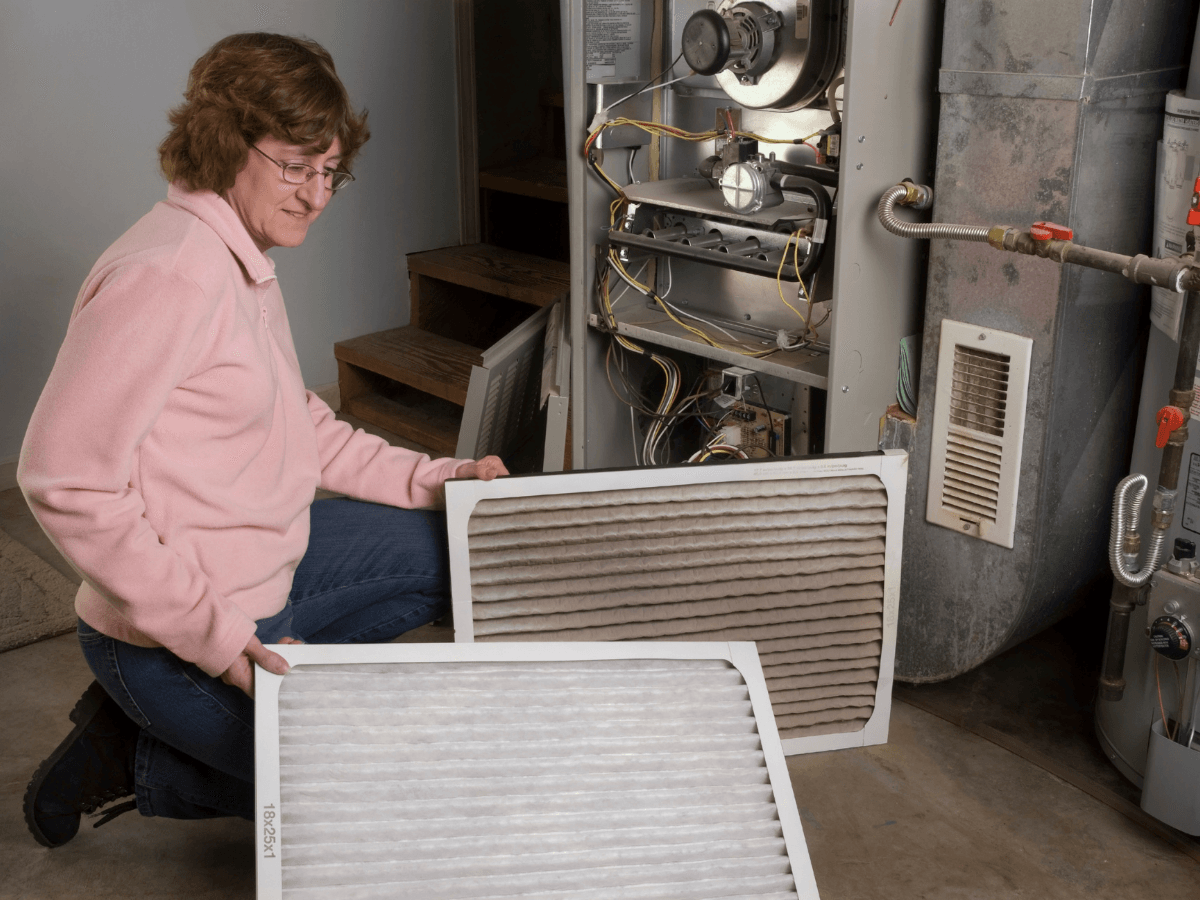
Instead, focus on proper replacement. Remove the old filter and check the size and type before installing a new one. Paying attention to the airflow direction arrow on the frame ensures it is installed correctly, which helps maintain proper system function.
Keeping a consistent replacement schedule is key. Even if the filter does not look completely clogged, regular changes help maintain steady airflow and prevent unnecessary strain on the HVAC system.
Creating A Routine That Supports Long-Term Performance
The most effective AC filter cleaning routine is one that fits your home’s conditions. If you have pets, live in a dusty area, or run your system frequently, you may need to clean or replace filters more often than the standard recommendation.
Checking the filter monthly is a simple habit that can prevent bigger issues. Instead of waiting for performance to drop, regular inspection keeps things running smoothly and reduces the chance of buildup affecting air quality.
Over time, this routine becomes less of a chore and more of a quick maintenance step. With consistent care, your HVAC system can operate more efficiently, and your indoor environment will feel noticeably cleaner and more comfortable.
How Often Should You Clean Or Replace Your AC Filters For Best Performance?
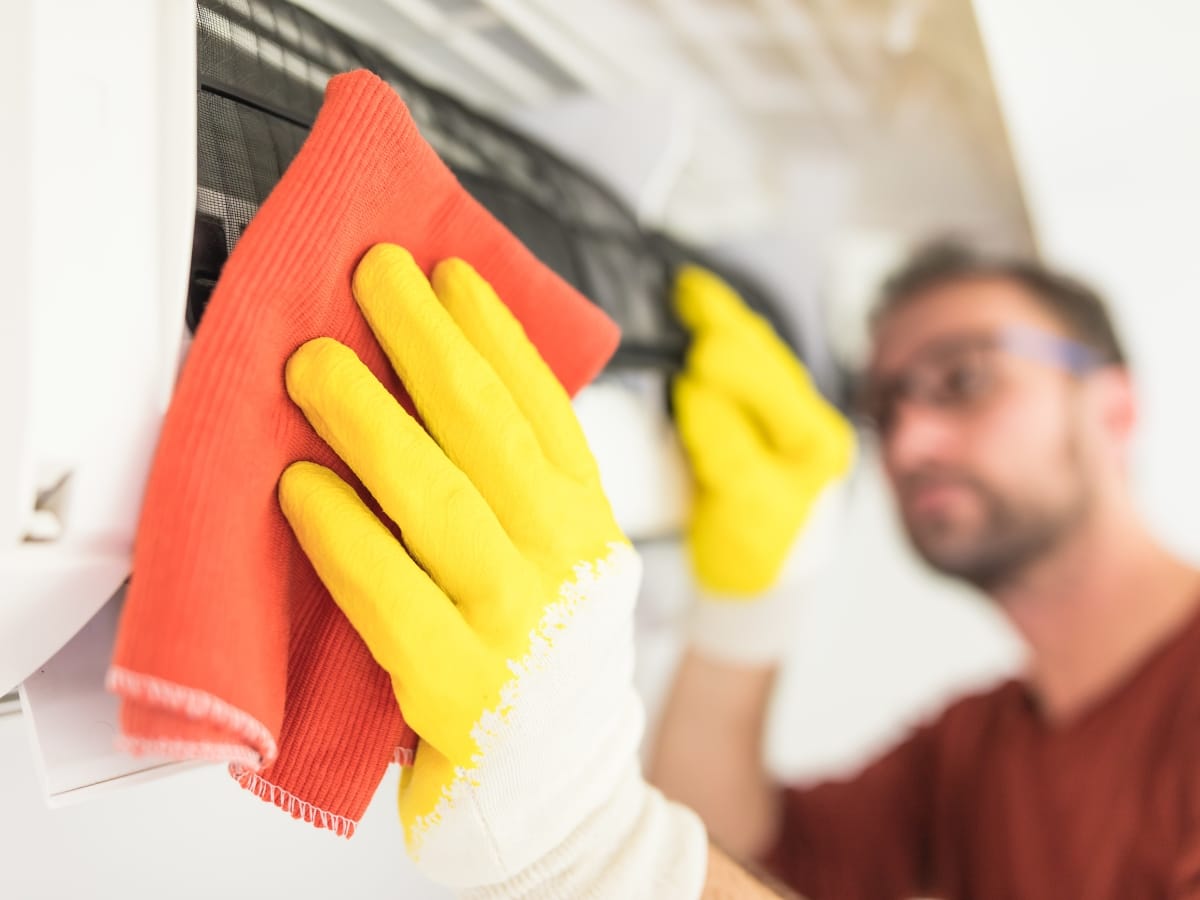
Knowing when to clean or replace your filter is just as important as the AC filter cleaning process itself. Even a well-maintained system can lose efficiency if the filter is left unchanged for too long.
The right schedule depends on how your system is used and the conditions inside your home. Rather than relying on a fixed timeline, it helps to think in terms of usage patterns and environment.
A home that runs air conditioning daily in a warm climate will naturally require more frequent attention than one where the system is only used occasionally. Checking your filter regularly gives you a clearer picture of when maintenance is actually needed.
What Factors Influence Your AC Filter Maintenance Schedule?
Several variables play a role in how often AC filter cleaning or replacement should happen. The type of filter is the starting point. Reusable filters are designed to be cleaned and reinstalled, while disposable filters are meant to be replaced entirely.
Household conditions also matter. Homes with pets tend to collect more hair and dander, which can clog filters faster. Similarly, if anyone smokes indoors or if the home is located in a dusty area, filters will accumulate debris more quickly. These factors can shorten the time between cleanings.
Seasonal demand is another key consideration. During peak cooling or heating months, your system runs more frequently, pulling more air through the filter. This increased workload often means the filter needs attention sooner than it would during milder seasons when the system is used less.
How To Build A Practical Cleaning Routine
Instead of guessing, a simple routine can help you stay on top of AC filter cleaning. Checking the filter once a month is a reliable habit that prevents buildup from going unnoticed. Even if it does not need immediate cleaning or replacement, a quick inspection helps you stay ahead of potential issues.
For reusable filters, this check allows you to decide whether a light cleaning is enough or if a more thorough rinse is needed. For disposable filters, it helps you avoid waiting until airflow is already restricted before replacing them.
Over time, you will start to notice patterns. Some households find that their filters last closer to three months, while others may need attention every four to six weeks. Adjusting your routine based on what you observe is more effective than following a generic schedule.
Why Disposable Filters Should Always Be Replaced
One common question is whether disposable filters can be cleaned to extend their life. While it may seem like a practical shortcut, these filters are not designed for AC filter cleaning. Washing or vacuuming them can damage the material and reduce their ability to trap particles.
Replacing disposable filters is the better approach. A fresh filter ensures proper airflow and helps maintain indoor air quality without putting extra strain on the system.
Most homes benefit from replacing these filters every one to three months, though conditions like pets or high dust levels may require more frequent changes.
Keeping Performance Consistent Over Time
Staying consistent with AC filter cleaning and replacement helps your HVAC system perform the way it was designed to. Clean filters allow air to move freely, which reduces energy use and keeps temperatures stable throughout your home.
More importantly, a steady maintenance routine prevents small issues from turning into larger ones. When filters are checked regularly and addressed as needed, the system does not have to work harder than necessary.
Over time, this simple habit can make a noticeable difference in both comfort and long-term performance.
What Are Common Troubleshooting Tips And FAQs About AC Filter Cleaning?
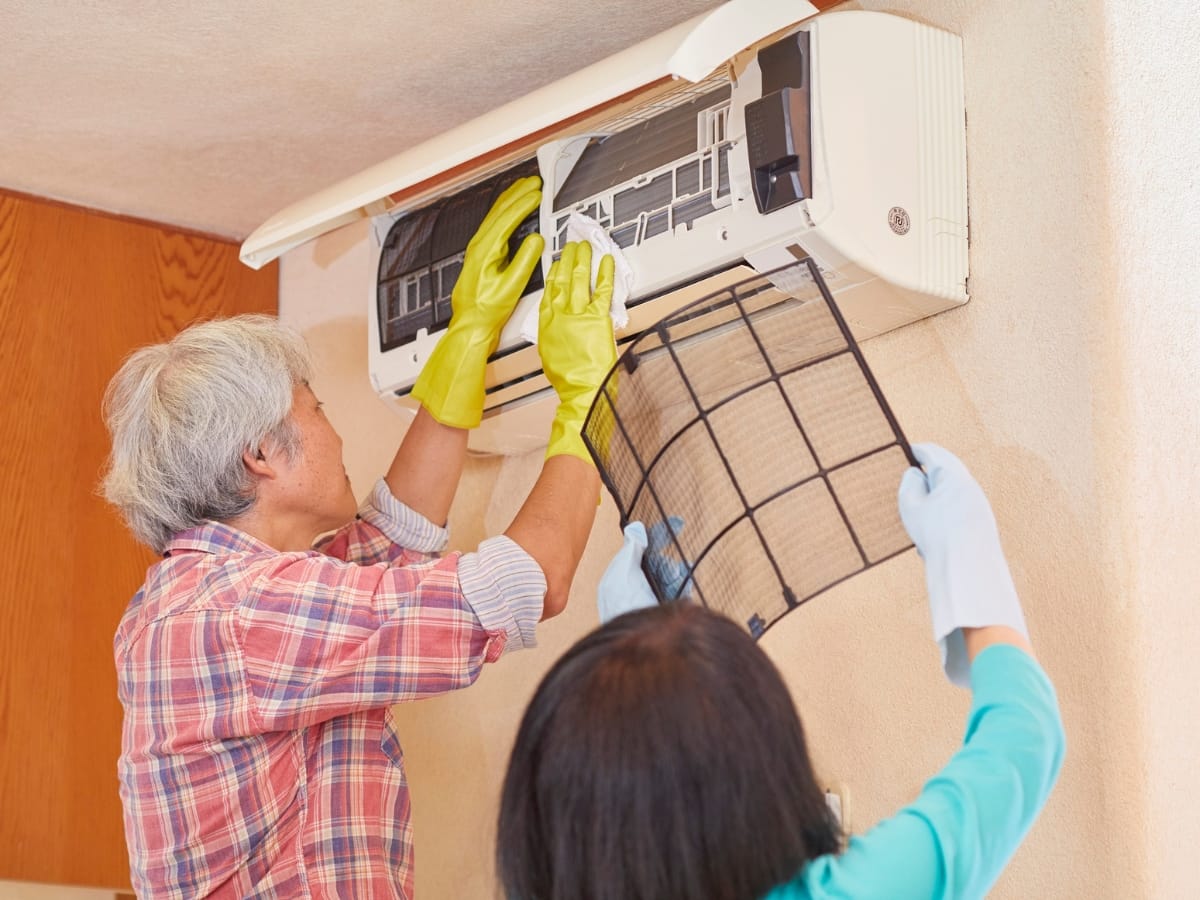
Even with a regular maintenance routine, questions and small issues can come up. Understanding what to look for and how to respond makes AC filter cleaning more effective and helps prevent unnecessary strain on your HVAC system. Most problems are easy to spot early if you know the signs.
How To Tell When Your AC Filter Needs Attention
One of the most common concerns is knowing when a filter actually needs cleaning or replacement. In many cases, your system will give subtle signals before performance noticeably drops.
Weak airflow is often the first sign. If the air coming from your vents feels reduced or uneven, a clogged filter could be restricting circulation. This forces the system to work harder just to maintain the same level of comfort.
Another clue is a sudden increase in energy bills. When airflow is blocked, the system runs longer cycles, which leads to higher energy use. If your usage habits have not changed, but your bill has, the filter is a good place to start checking.
Sometimes the answer is more obvious. If you remove the filter and see a visible layer of dust or debris, it is time for AC filter cleaning or replacement. Even a thin layer can impact efficiency over time, so it is better to act early rather than wait for the buildup to worsen.
Why Small Issues Can Lead To Bigger Problems
Ignoring early warning signs can affect more than just airflow. A clogged filter can cause the system to overheat or struggle to maintain consistent temperatures. Over time, this added strain can shorten the lifespan of key components.
It can also affect indoor air quality. When a filter is overloaded, it becomes less effective at trapping particles, allowing dust and allergens to circulate through your home. Addressing filter issues quickly helps avoid both comfort and air quality concerns.
Best Practices To Keep Filters In Good Condition
Between cleanings, a few simple habits can make a noticeable difference. Checking your filter regularly is one of the easiest ways to stay ahead of problems. A quick monthly inspection helps you catch buildup before it affects performance.
Proper installation also matters more than many people realize. If a filter is not seated correctly, air can bypass it entirely, reducing its effectiveness. Taking a moment to ensure it fits securely can prevent unnecessary wear on your system.
Keeping your home environment clean supports AC filter cleaning efforts as well. Regular dusting, vacuuming, and minimizing indoor pollutants can slow down how quickly debris accumulates in the filter. This not only extends the time between maintenance but also improves overall air quality.
What To Do When Problems Persist
If you have cleaned or replaced your filter and still notice issues like poor airflow or uneven cooling, it may point to a different problem within the system. In those cases, the filter is no longer the limiting factor, and further inspection may be needed.
However, in many situations, consistent AC filter cleaning is enough to resolve common performance concerns. Staying proactive, rather than reactive, keeps your system running efficiently and helps avoid more complicated repairs down the line.
By understanding how to troubleshoot these everyday issues, you can approach HVAC maintenance with more confidence and keep your HVAC system performing at its best.
Conclusion
Regularly cleaning or replacing your AC filter is one of the simplest and most effective ways to maintain strong airflow, improve indoor air quality, and keep your cooling system running efficiently.
For professional HVAC maintenance and expert guidance on keeping your system in peak condition, trust CoolPro Heating & Cooling. Ready to breathe easier and cool more efficiently?
Call 770-694-6232 today or book your service request through our website form to schedule your filter check or comprehensive tune-up. Let our certified technicians help you get the most from your AC, season after season.