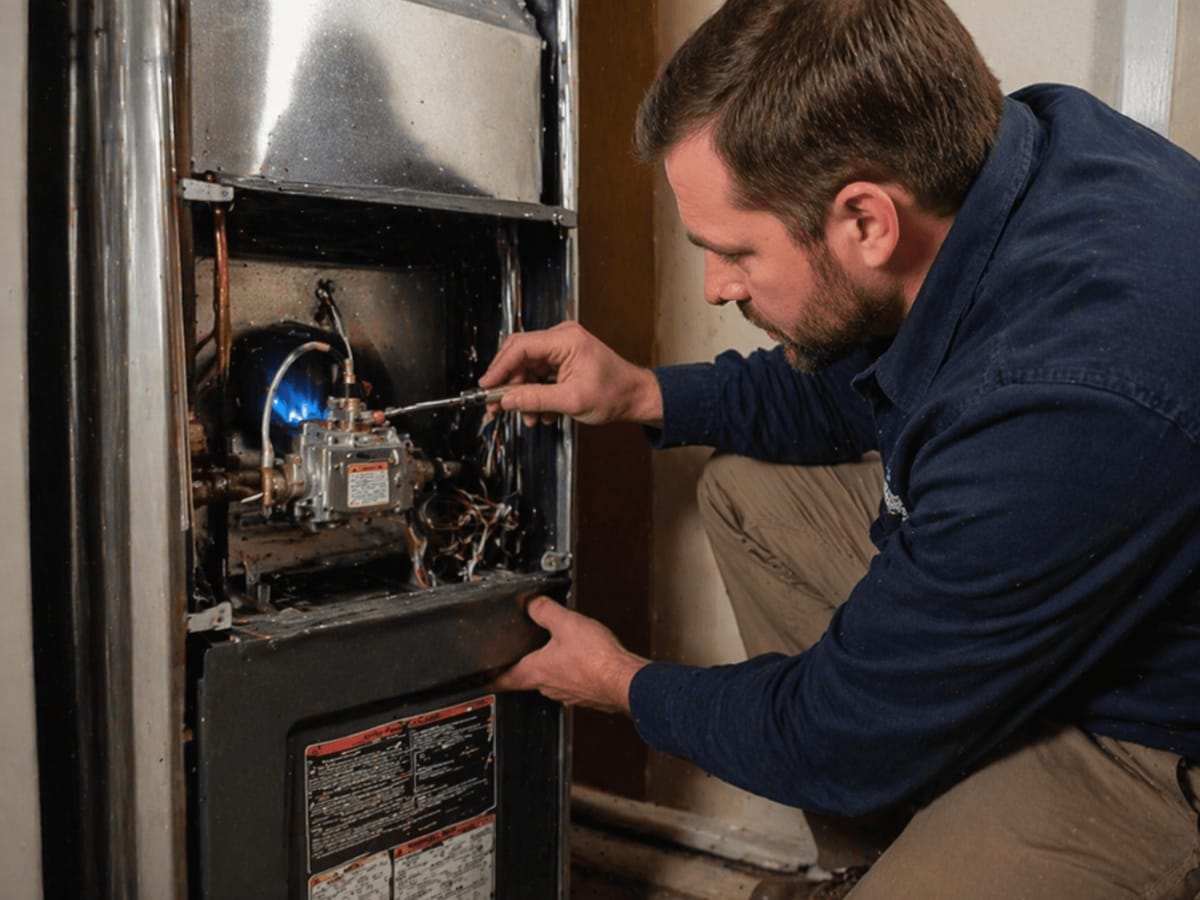
When your furnace pilot light won’t stay lit, it’s more than a minor inconvenience. It’s a clear sign that something isn’t working as it should.
Without a steady pilot flame, your heating system can’t operate reliably, leaving your home colder than expected when you need heat the most. Knowing how to fix a furnace pilot light that won’t stay lit can help you address the issue before it leads to a complete system failure.
Several common problems can cause the pilot light to go out repeatedly, including a dirty thermocouple, gas supply issues, or drafts affecting the flame. Some fixes are simple, while others may require professional attention.
Understanding the potential causes and solutions allows you to take the right next step and restore consistent heating in your home.
Fixing Pilot Light Issues Before They Get Worse
Why Does My Furnace Pilot Light Keep Going Out?
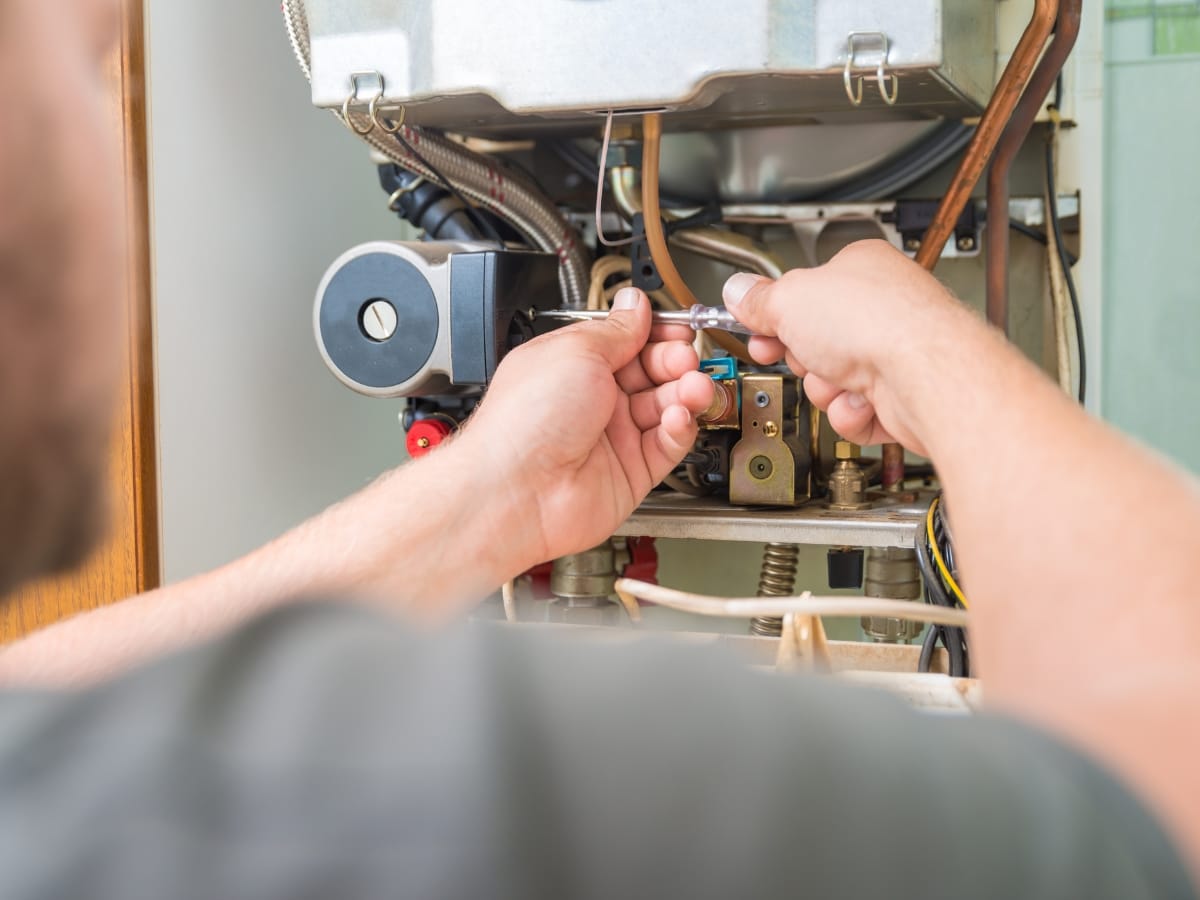
A furnace that will not stay lit can be frustrating, especially when temperatures drop, and you need consistent heat. The pilot light plays a key role in starting the burner, so when it keeps going out, it usually points to an underlying issue that needs attention. In many cases, the problem is not severe, but it does require a closer look to keep the system running safely and reliably.
If your pilot light goes out occasionally, it may be caused by something simple like airflow changes. However, repeated issues often signal a component that is wearing out or a buildup that is affecting performance. Understanding the most common causes can help you narrow down what is happening and decide what to check first.
What Are The Common Causes Of Pilot Light Failure?
Several issues can interfere with pilot light stability, and they tend to fall into a few clear categories. Some relate to airflow, while others involve parts inside the furnace.
A faulty thermocouple is one of the most common reasons a pilot light will not stay lit. This small safety device monitors the flame and shuts off the gas if it senses that the flame has gone out. When it starts to fail, it may cut the gas supply too soon, even if the flame is still present.
Air drafts can also play a role. Small gaps around doors, windows, or even the furnace area can create enough airflow to extinguish the flame. This is especially noticeable in colder months when temperature differences increase air movement inside the home.
Another frequent issue is a dirty burner or pilot opening. Over time, dust and debris can build up and interfere with the gas flow. When this happens, the flame may appear weak or inconsistent, making it easier for the pilot light to go out.
How Does A Thermocouple Affect Pilot Light Stability?
The thermocouple acts as a safety control, and its function is straightforward but important. When the pilot light is burning, the thermocouple is heated and produces a small electrical current. This current signals the gas valve to stay open.
If the thermocouple is dirty, misaligned, or worn out, it may not generate enough current. As a result, the gas valve closes, and the pilot light shuts off. This can happen even if the flame looks normal at first.
In many cases, adjusting or cleaning the thermocouple can restore proper function. If the issue continues, replacing the part is often the next step. Keeping this component in good condition is essential for maintaining a steady pilot light and safe furnace operation.
How To Troubleshoot A Pilot Light That Keeps Going Out
Before assuming a major repair is needed, it helps to go through a few basic checks. A simple process can often reveal the cause:
- Observe the flame. A strong pilot light should be steady and mostly blue. A weak or flickering flame may indicate dirt or airflow issues.
- Check for drafts around the furnace area. Even small air movements can affect the flame.
- Inspect the pilot opening for buildup. Cleaning it carefully can improve gas flow.
- Look at the thermocouple position. It should sit close to the flame so it can heat properly.
Working through these steps can help you identify whether the issue is minor or something that requires more attention.
When To Take Persistent Pilot Light Issues Seriously
If your pilot light continues to go out after basic troubleshooting, it may point to a deeper problem within the furnace. Gas flow issues, worn components, or internal damage can all affect how the system operates. At that point, further inspection is usually needed to avoid repeated shutdowns.
A reliable pilot light is essential for consistent heating. When it starts failing regularly, it is a sign that something in the system is no longer working as it should. Addressing the issue early can help prevent larger repairs and keep your furnace running more efficiently over time.
How To Safely Relight A Furnace Pilot Light
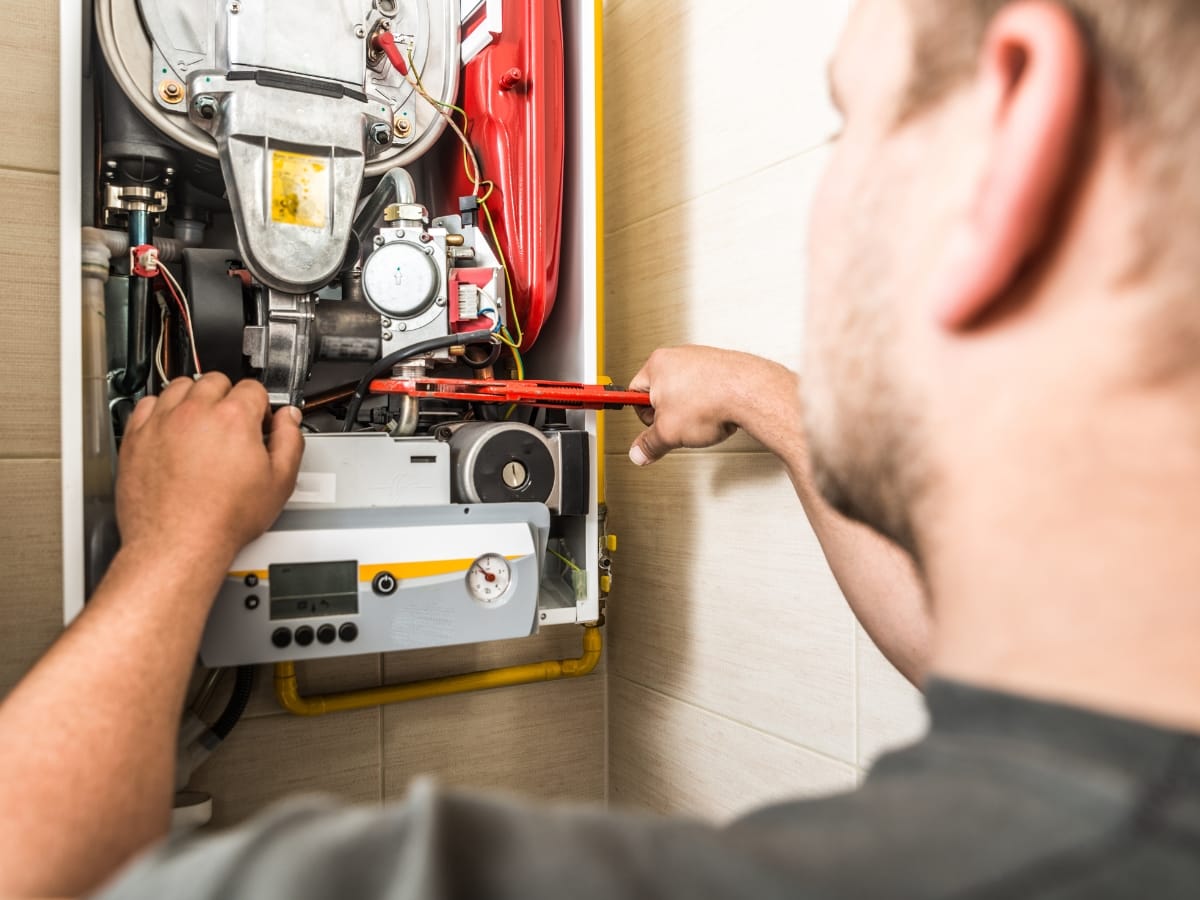
If your furnace has stopped working because the pilot light went out, relighting it is often a straightforward task. Still, it is important to approach it carefully. Working with gas appliances requires attention to detail, and taking a few extra minutes to prepare can help avoid unnecessary risks.
Before you begin, make sure you understand where the pilot light assembly is located and how your furnace controls work. While most systems follow a similar setup, small differences can affect the process. Taking a moment to review your unit helps ensure that you relight the pilot light safely and correctly.
What Safety Precautions Should I Take Before Relighting?
Safety should always come first when dealing with a pilot light. Even if the process seems simple, a few checks can make a big difference.
Start by turning off the furnace and any connected power sources. This prevents accidental ignition while you are working. Next, check for any signs of gas buildup. If you notice a strong gas smell, stop immediately and allow the area to air out before doing anything else.
Good ventilation is also important. Open nearby windows or doors to help disperse any lingering gas. This step is especially helpful if the pilot light has been out for a while and gas may have accumulated in the area.
It is also worth taking a quick look at the surrounding components. Dirt or debris around the burner or pilot opening can affect how the flame lights. Clearing away any buildup can improve your chances of getting a steady pilot light once you relight it.
What Is The Step By Step Process To Relight The Pilot Light?
Once you have taken the proper precautions, you can move on to relighting the pilot light. The process is simple, but it helps to go step by step to avoid mistakes.
- Locate the pilot light assembly. This is usually behind a small access panel near the bottom of the furnace.
- Turn the gas control knob to the off position and wait at least five minutes. This allows any remaining gas to clear out.
- Switch the knob to the pilot setting.
- Press and hold the reset or control button while using a long lighter or match to ignite the flame.
- Keep holding the button for about 30 seconds after the flame appears, then release it slowly.
If the pilot light stays lit, you can turn the gas control back to the on position and restore power to the furnace.
What To Do If The Pilot Light Will Not Stay Lit
Sometimes, the pilot light will ignite but go out again shortly after. When that happens, the issue is usually related to airflow, buildup, or a worn component rather than the lighting process itself.
If the flame does not hold, check that it is strong and steady. A weak or flickering flame may point to a dirty pilot opening or inconsistent gas flow. Cleaning the area gently can sometimes resolve the problem.
If the pilot light continues to go out, the thermocouple may not be detecting the flame correctly. In that case, adjustment or replacement may be needed. Repeated issues with the pilot light are a sign that the system needs closer attention.
Keeping Your Pilot Light Working Reliably
Relighting a pilot light is only part of maintaining your furnace. Keeping the area clean, checking for drafts, and paying attention to how the flame behaves can help prevent future problems.
A stable pilot light should burn evenly and remain consistent over time. If you notice changes in how it looks or performs, it is often an early warning that something needs to be addressed. Taking care of these small issues early can help keep your furnace running smoothly when you need it most.
How To Inspect And Replace A Faulty Thermocouple
A steady pilot light depends on a properly working thermocouple. When this small component begins to fail, it can interrupt the gas flow and cause the flame to go out without warning. If your pilot light will not stay lit or behaves inconsistently, checking the thermocouple is often a good place to start.
Understanding how this part works can make the process easier. The thermocouple senses heat from the pilot light and signals the gas valve to remain open.
When it stops doing that reliably, the system shuts off as a safety measure. Inspecting and replacing it when needed can restore normal operation and prevent ongoing issues.
How Do I Identify A Defective Thermocouple?
A faulty thermocouple usually shows a few clear warning signs. The most common issue is a pilot light that lights briefly but goes out soon after. This happens because the thermocouple is not registering enough heat to keep the gas flowing.
You may also notice visible changes in the part itself. If the metal looks burnt, corroded, or discolored, it may no longer function as it should. These changes often develop over time as the component is exposed to heat and normal wear.
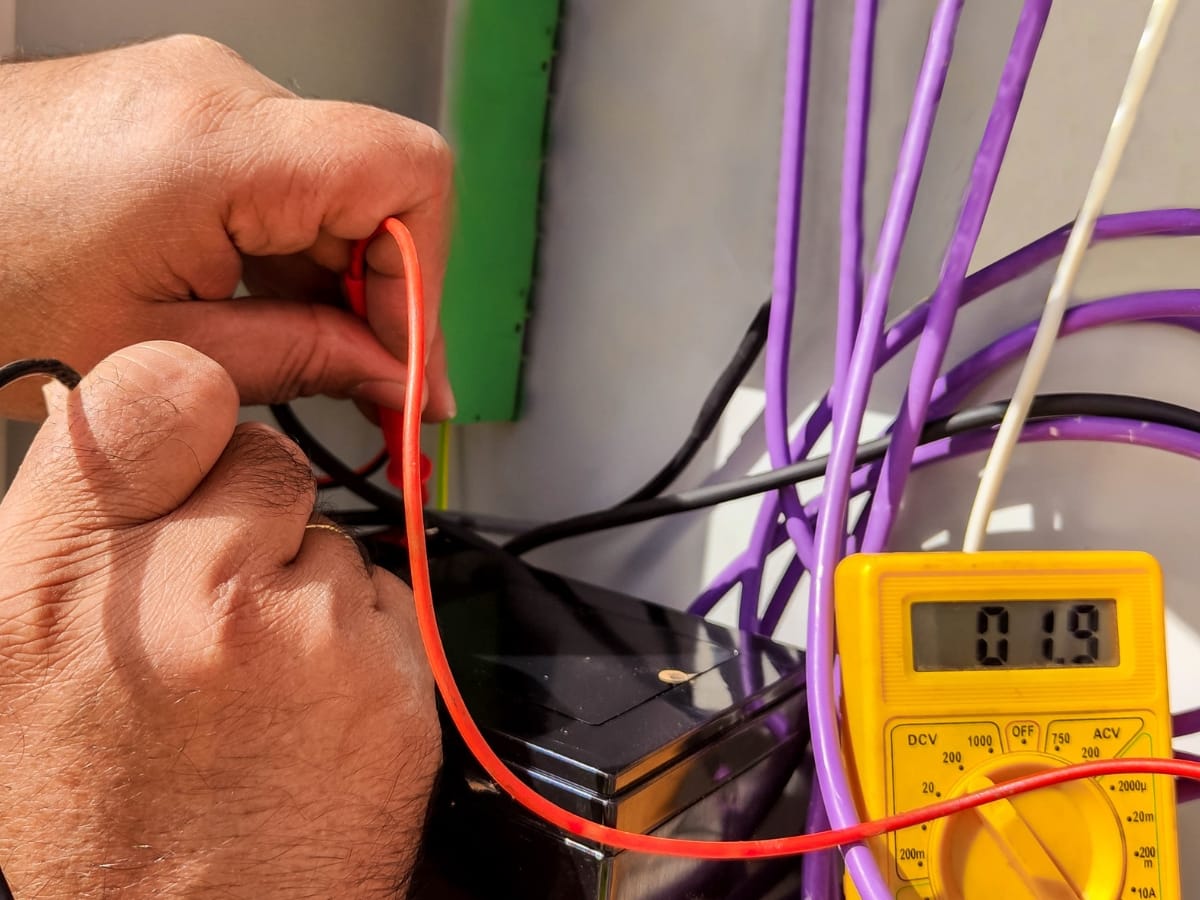
Another way to confirm a problem is through testing. Using a multimeter, you can check the voltage output of the thermocouple.
A low reading typically means it is not generating enough power to keep the gas valve open. Even without testing tools, repeated pilot light failure is often a strong indicator that the thermocouple needs attention.
What Are The Steps To Replace A Thermocouple Safely?
Replacing a thermocouple is manageable if you take your time and follow a clear process. The goal is to remove the worn component and install a new one without disturbing the surrounding parts.
- Turn off the gas supply completely before starting. This is an important safety step.
- Allow the furnace to cool if it has been running.
- Locate the thermocouple near the pilot light assembly and disconnect it from the gas valve.
- Remove the old thermocouple from its mounting bracket.
- Position the new thermocouple so the tip sits close to the pilot flame area.
- Reconnect it to the gas valve and secure it in place.
Once installed, you can relight the pilot light and observe how it behaves. If the flame remains steady, the replacement was successful.
Why Proper Positioning Matters For The Pilot Light
Installing a new thermocouple is only part of the process. Placement is just as important as the part itself. The tip of the thermocouple must sit directly in the path of the pilot light flame. If it is too far away, it will not heat properly, and the gas valve may still shut off.
Take a moment to check alignment after installation. The flame should wrap slightly around the tip rather than just touch it. This ensures consistent heat transfer and helps the system respond correctly. Small adjustments can make a noticeable difference in how stable the pilot light remains.
When To Replace Instead Of Adjust
In some cases, a thermocouple may simply need cleaning or repositioning. Dust or slight misalignment can affect how it performs. However, if the pilot light continues to go out after adjustments, replacement is usually the better option.
Thermocouples wear down over time, and once performance drops, they rarely return to full reliability. Replacing the part can prevent repeated shutdowns and help your furnace run more consistently.
Keeping your pilot light stable often comes down to maintaining small components like this one. A properly working thermocouple supports steady ignition and helps ensure your heating system operates safely and efficiently.
When Should I Call A Professional HVAC Technician?
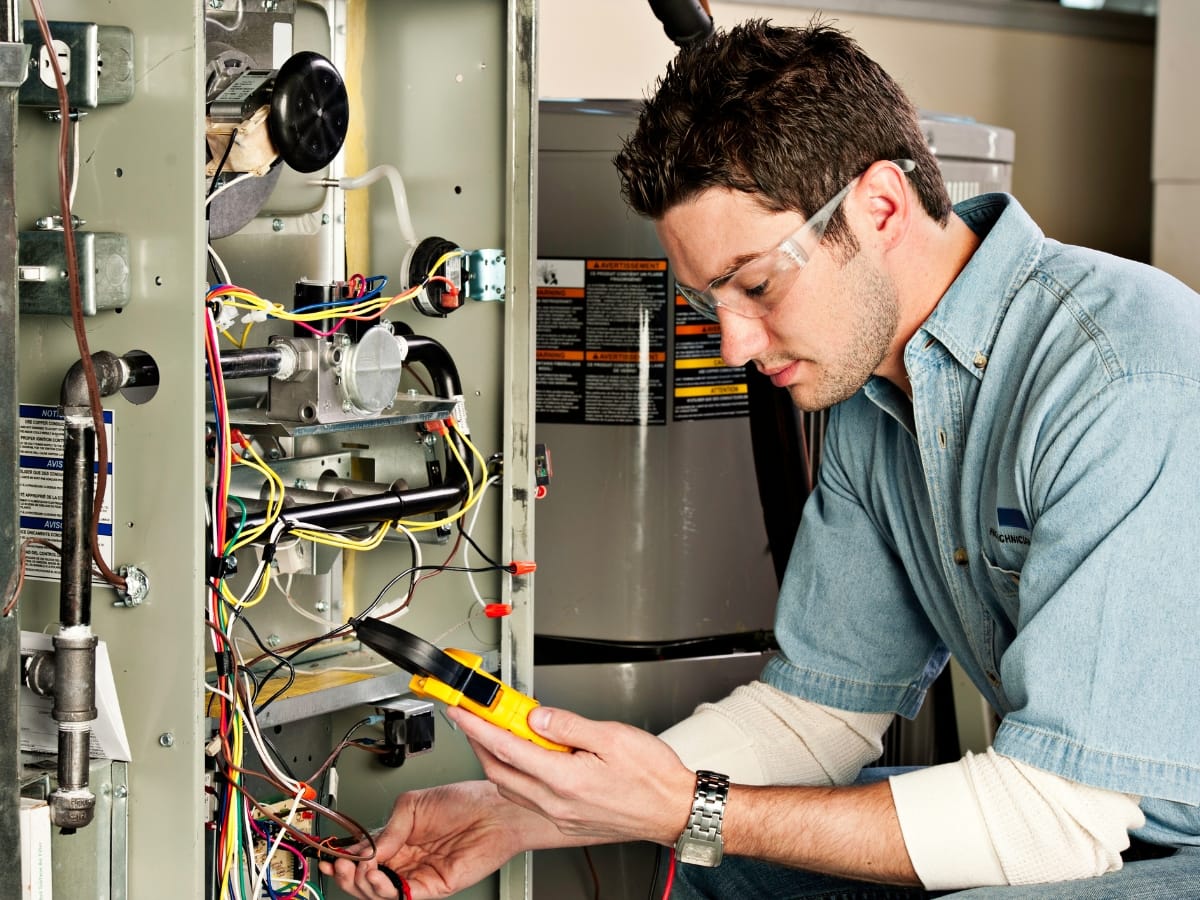
Many pilot light issues can be handled with basic troubleshooting, especially when the cause is something simple like a draft or minor buildup.
However, there are times when the problem goes beyond a quick fix. Knowing when to bring in a professional can help prevent repeated issues and avoid unnecessary wear on your furnace.
If you find yourself relighting the pilot light often, it usually means something deeper is affecting how the system operates.
While it might seem manageable at first, repeated problems can point to worn components or internal faults that require a trained eye. Addressing these issues early can save time and reduce the risk of more extensive repairs later.
What Signs Indicate Professional Service Is Needed?
Some warning signs suggest that a pilot light issue is not just a one-time inconvenience. These situations are worth paying attention to, especially if they continue over time.
Unusual sounds coming from the furnace, such as hissing or banging, may indicate problems with gas flow or internal components. These are not issues to ignore, as they can affect both performance and safety. A pilot light that struggles to stay lit alongside these noises is often part of a larger problem.
Weak airflow or inconsistent heating is another sign that something is off. Even if the pilot light appears to be working, the furnace may not be operating efficiently. This can happen when internal parts are not functioning as they should, which often requires a more detailed inspection.
Frequent relighting is one of the clearest signals. If the pilot light goes out regularly, it is rarely just a coincidence. It usually points to a failing thermocouple, airflow issues, or other mechanical concerns that need to be addressed properly.
Why Ongoing Pilot Light Issues Should Not Be Ignored
A pilot light that will not stay consistent can affect more than just your comfort. It can reduce efficiency and put extra strain on your heating system. Over time, this can lead to higher energy use and uneven heating throughout your home.
There is also a safety aspect to consider. Because the pilot light is tied to the gas supply, repeated issues may indicate that the system is not regulating gas flow as intended. While modern furnaces include safety features, it is still important to resolve any recurring problems as soon as possible.
Taking action early can help prevent small issues from turning into larger ones. Even if the furnace continues to run, a pilot light that behaves unpredictably should not be left unchecked.
How Professional Maintenance Supports A Stable Pilot Light
Routine maintenance plays a key role in keeping a pilot light working as it should. During a standard inspection, a technician will check components like the thermocouple, burner, and gas connections. Cleaning and adjusting these parts can improve performance and reduce the chances of the pilot light going out.
Regular service also helps identify early signs of wear. Instead of waiting for a failure, small adjustments or part replacements can be handled before they affect the system. This approach keeps the furnace running more consistently and can extend its overall lifespan.
Finding The Right Balance Between DIY And Professional Help
Handling minor pilot light issues on your own can be practical, especially when the cause is clear and easy to fix. At the same time, it is important to recognize when a problem goes beyond basic troubleshooting.
If the pilot light continues to go out, behaves unpredictably, or is paired with other performance issues, bringing in a professional is the safer choice.
A reliable pilot light is essential for proper furnace operation, and getting the right support when needed helps keep your system dependable over time.
Essential Safety Guidelines for Handling Furnace Pilot Lights
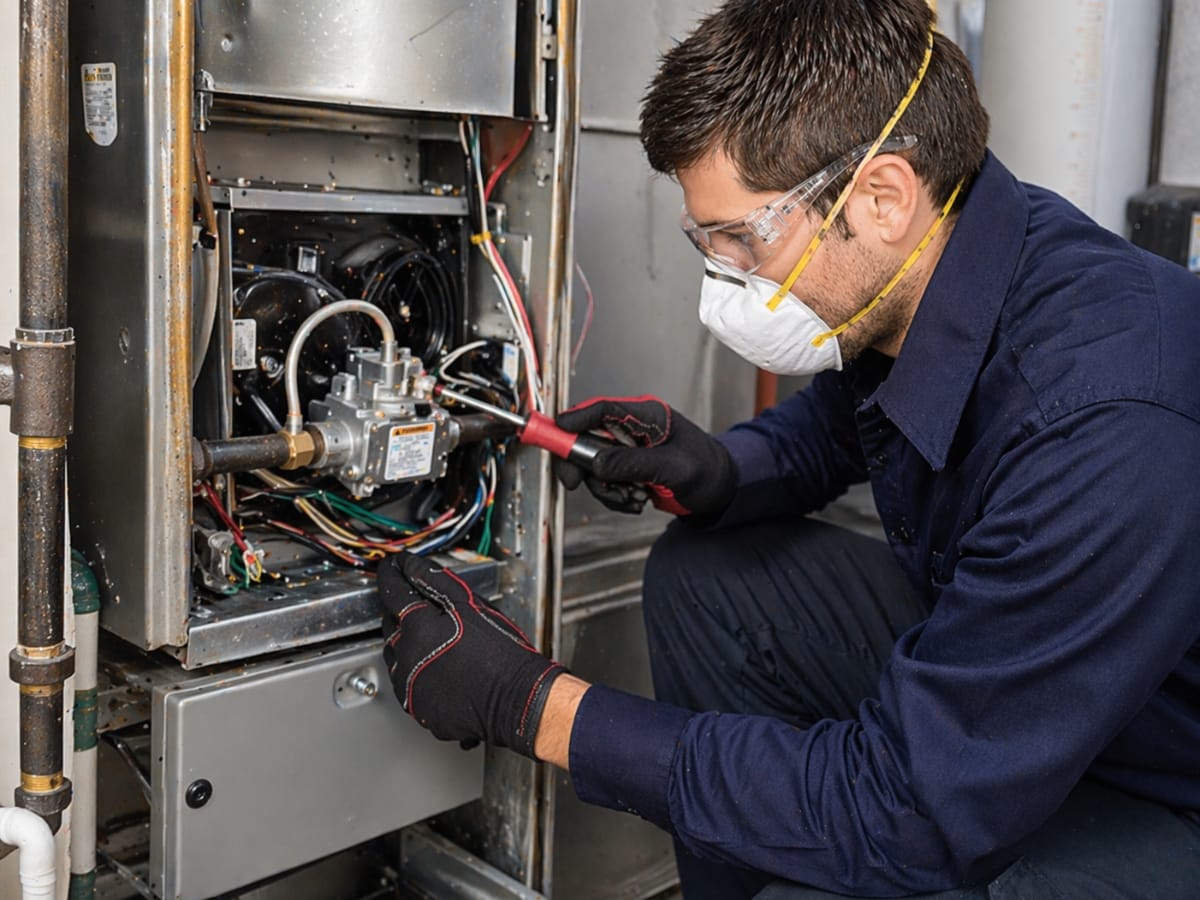
Working with a pilot light may seem routine, but it still involves gas and heat, which means safety should always be the priority.
Even small mistakes can lead to bigger issues if they are ignored. Taking a careful and consistent approach helps ensure your furnace operates safely while reducing the risk of accidents.
Before doing anything with a pilot light, it helps to slow down and check your surroundings. Make sure the area is clear, well-lit, and free of strong gas odors.
If something does not seem right, it is better to pause than to move forward too quickly. A stable pilot light depends not only on proper technique but also on a safe environment.
How To Detect Gas Leaks And Avoid Hazards
Gas leaks are one of the most important concerns when dealing with a pilot light. While they are not always obvious, there are simple ways to check for potential problems before you relight or adjust anything.
A gas leak detector can provide an added layer of awareness. These devices are designed to alert you when gas levels are higher than they should be. Even without a detector, you can use a basic method like applying soapy water to connections. If bubbles form, it may indicate a leak that needs attention.
It is also important to trust your senses. If you notice a strong gas smell, avoid lighting the pilot light right away. Allow the area to ventilate fully and identify the source before continuing. Keeping airflow steady by opening windows or doors can help reduce risk while you assess the situation.
Regular checks around your furnace can make a difference over time. Small issues often develop gradually, so taking a few moments to inspect connections and components can help prevent larger problems from forming.
What Are Manufacturer Guidelines For Furnace Pilot Light Maintenance?
Every furnace is designed with specific requirements, and following those guidelines helps keep the pilot light working as intended. While the details may vary by model, the general principles remain consistent across most systems.
Routine cleaning is one of the simplest ways to support a stable pilot light. Dust and debris can collect around the pilot assembly and burner ports, which can affect how the flame burns. Keeping these areas clean helps maintain proper gas flow and ignition.
Annual inspections are also recommended for long-term performance. During a checkup, components like the thermocouple, gas connections, and burner assembly can be evaluated to ensure everything is functioning correctly. This type of maintenance often catches small issues before they turn into recurring problems.
Following the operating instructions provided with your furnace is just as important. These guidelines are designed to match your specific system, so sticking to them can help avoid unnecessary complications.
Why Consistency Matters When Maintaining A Pilot Light
A reliable pilot light depends on consistent care rather than occasional fixes. When maintenance is done regularly, the system tends to run more smoothly and with fewer interruptions. Small habits, like checking for buildup or watching how the flame behaves, can help you notice changes early.
If the pilot light starts to flicker, weaken, or go out more often, it is usually a sign that something needs attention. Addressing these changes quickly helps prevent strain on the furnace and keeps it running efficiently.
Keeping Your Pilot Light Safe And Steady
Handling a pilot light does not have to be complicated, but it does require attention and care. By checking for gas leaks, following basic safety steps, and keeping up with routine maintenance, you can reduce the likelihood of unexpected issues.
A steady pilot light is a sign that your furnace is operating as it should. With a careful approach and regular upkeep, you can keep your heating system working safely and reliably over time.
How Can I Maintain My Furnace To Prevent Pilot Light Problems?
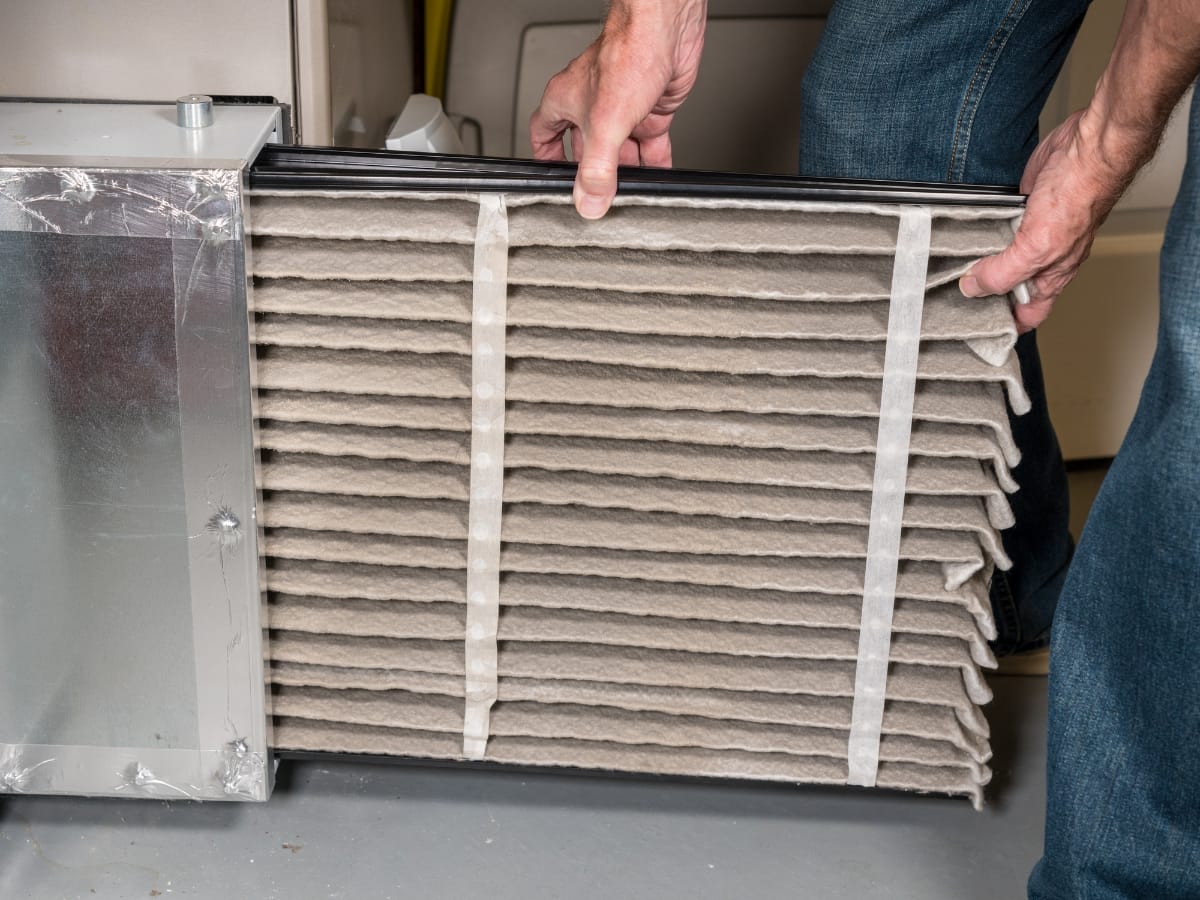
Keeping your furnace in good condition is one of the most effective ways to avoid issues with the pilot light. When the system is clean and properly maintained, the pilot light is more likely to stay steady and reliable.
Small problems often develop slowly, so regular upkeep helps catch them early before they affect performance.
A simple maintenance routine does not need to be complicated. It comes down to checking key components, keeping airflow consistent, and paying attention to how the system behaves over time. When these habits are in place, the pilot light tends to operate more consistently, and the furnace runs more efficiently overall.
What Regular Maintenance Tasks Support Pilot Light Reliability?
A few routine checks can go a long way in supporting a stable pilot light. These tasks focus on the areas that most directly affect ignition and flame stability.
Cleaning the pilot assembly is a good place to start. Dust and debris can build up around the opening, which can weaken the flame or make it harder to stay lit. Keeping this area clear allows gas to flow evenly and supports a stronger, more consistent pilot light.
It is also important to check the thermocouple from time to time. Since this part helps regulate the gas supply based on heat from the pilot light, any dirt or misalignment can cause problems. A quick inspection can help you spot early signs of wear or buildup before they lead to repeated shutdowns.
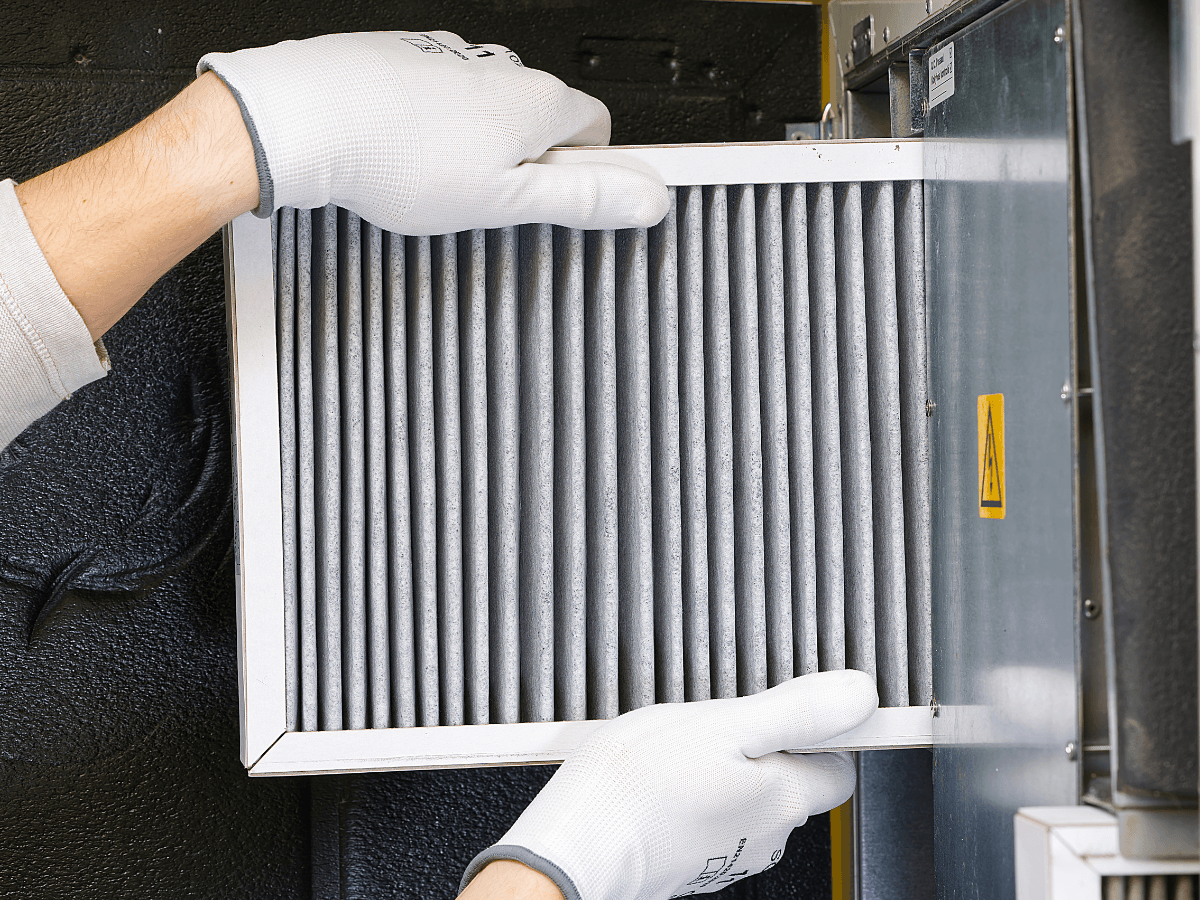
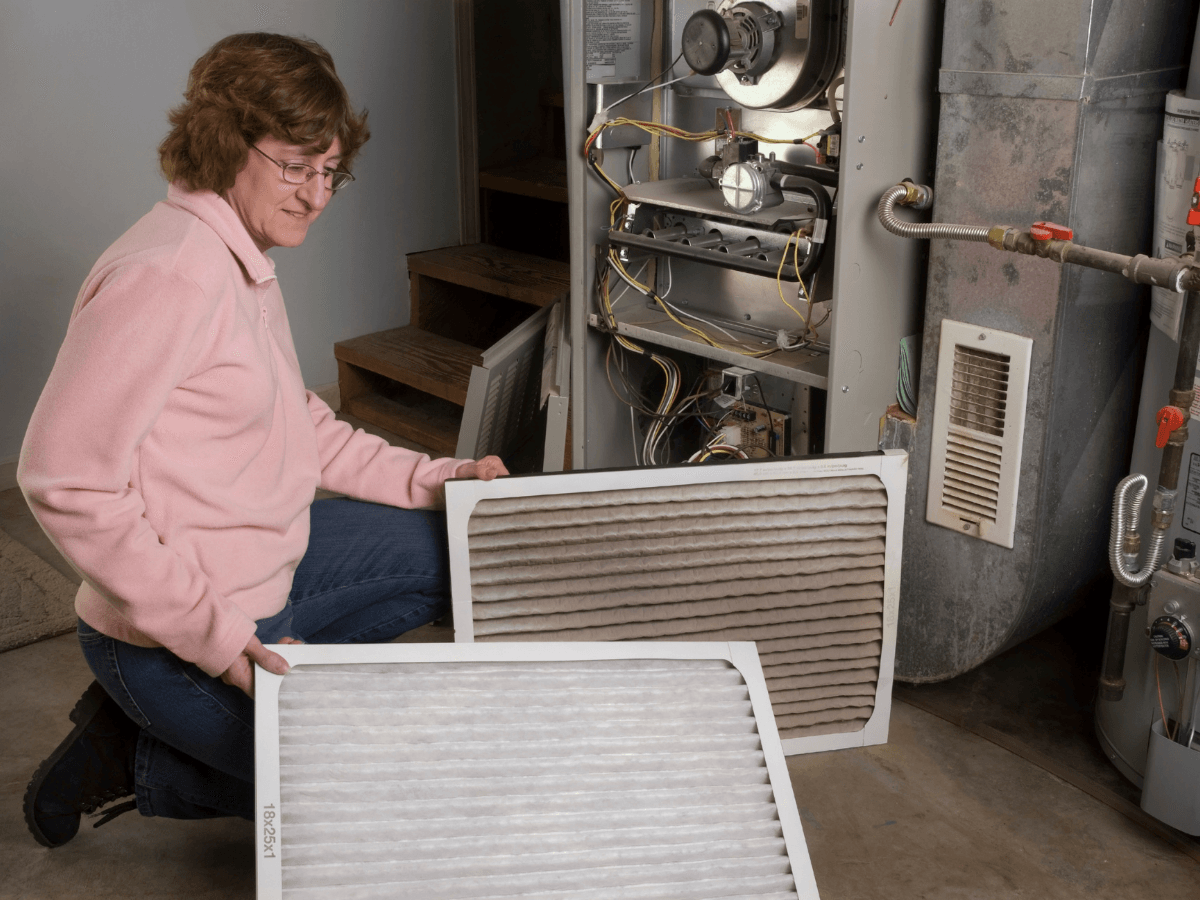
Airflow plays a larger role than many people expect. Replacing air filters regularly helps maintain steady circulation throughout the system.
When airflow is restricted, it can affect how the furnace operates, which in turn can impact the pilot light. Keeping filters clean supports both efficiency and stability.
How Do Energy-Efficient Systems Impact Pilot Light Performance?
Modern heating systems are often designed to improve energy-efficiency and reduce energy use, and these improvements can also affect how the pilot light performs.
Better insulation, more precise components, and improved airflow design all contribute to a more stable operating environment.
In many newer systems, the thermocouple and gas control components are built with tighter tolerances. This allows for more consistent regulation of the flame, which helps the pilot light stay lit under normal conditions. While these upgrades may seem subtle, they can reduce the frequency of common issues over time.
Even in older systems, understanding how each part contributes to performance can make maintenance more effective. The pilot light relies on several components working together, including:
- The thermocouple, which detects heat and signals the gas valve
- The gas valve, which controls the flow of fuel
- The burner ports, which influence how the flame forms and burns
When these parts are clean and functioning properly, the pilot light is less likely to fail.
Why Consistent Maintenance Makes A Difference
Furnace issues rarely appear all at once. In many cases, they develop gradually as components wear down or become obstructed. By keeping up with regular maintenance, you can reduce the chances of unexpected pilot light problems and avoid disruptions during colder months.
It also helps to observe how your pilot light behaves over time. A steady, blue flame usually indicates that everything is working as it should. If you notice changes in color, strength, or consistency, it may be a sign that something needs attention.
Keeping Your Pilot Light Stable Over Time
Maintaining a furnace does not require constant effort, but it does benefit from consistency. Simple tasks like cleaning, inspecting key components, and replacing filters can help keep the pilot light reliable.
When these habits become part of your routine, the system tends to run more smoothly, and small issues are easier to manage. A stable pilot light is often the result of steady care, and that care helps ensure your furnace continues to perform when you need it most.
Conclusion
A furnace pilot light that won’t stay lit is more than a minor inconvenience—it’s often a sign of underlying issues such as a faulty thermocouple, dirty pilot orifice, or larger gas flow problems that can compromise your home’s warmth and safety.
While simple fixes like resetting the system or cleaning the assembly may provide temporary relief, persistent problems require professional diagnosis to ensure reliable, safe operation throughout the heating season. For expert furnace repair and peace of mind, trust CoolPro Heating & Cooling.
Don’t let a stubborn pilot light leave you in the cold. Reach us through our site form or call 770-694-6232 today to schedule a professional inspection. Let our certified technicians restore your heat and your comfort with prompt, dependable service.