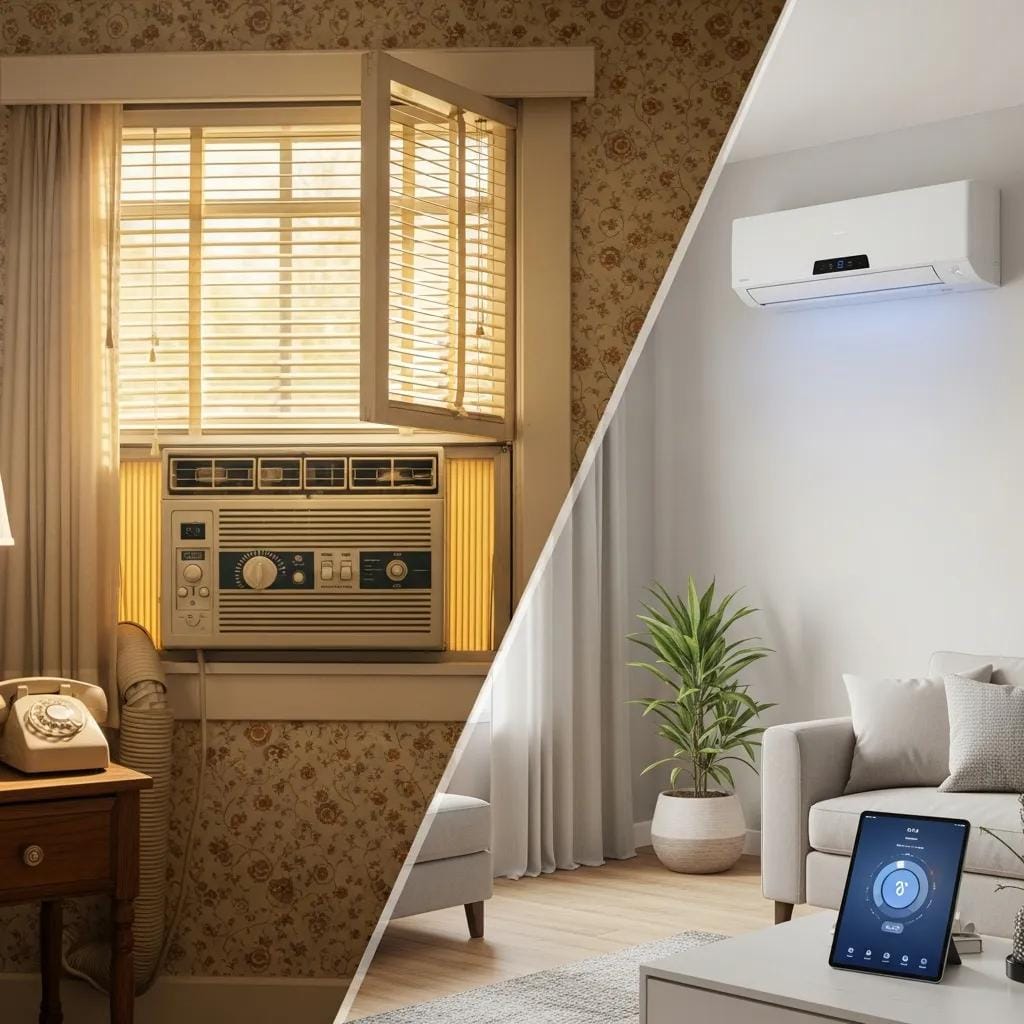
Keeping indoor spaces cool hasn’t always been as simple as adjusting a thermostat. Before modern systems, people relied on basic methods like ventilation, shade, and ice to manage heat.
The invention and evolution of air conditioning changed how homes and buildings handle temperature, making consistent indoor comfort possible.
What began as a solution for industrial humidity control developed into a system that transformed daily life, especially in warmer regions. Advances in technology improved efficiency, accessibility, and performance, shaping the way cooling systems are used today.
Understanding how air conditioning evolved offers insight into how modern systems work and why they’ve become an essential part of maintaining comfortable indoor environments.
The Evolution of Air Conditioning and What It Means Today
Who Invented the Air Conditioner and What Was Its Original Purpose?
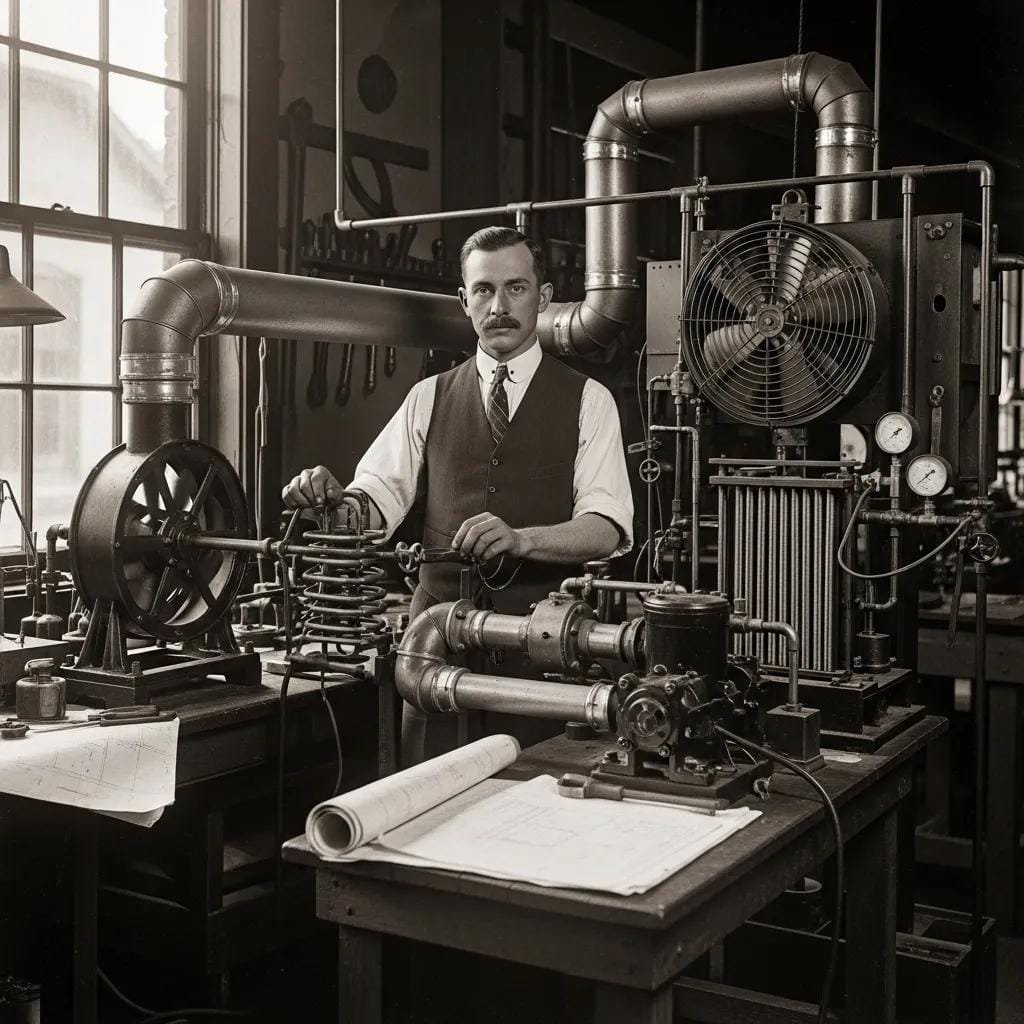
Air conditioning is often associated with comfort, but its origins are tied to a very practical problem. The first systems were not created to cool homes or offices. Instead, they were designed to control humidity and stabilize indoor environments for industrial use.
Early manufacturers needed consistent air conditions to protect materials and maintain product quality, which made air conditioning a valuable solution long before it became a household feature.
Understanding this origin gives a different perspective on how air conditioning developed. It was less about comfort at first and more about precision. By controlling both temperature and moisture, early systems helped industries operate more efficiently and with fewer errors.
Willis Carrier And The Birth Of Modern Air Conditioning
The person most closely associated with modern air conditioning is Willis Carrier. In 1902, he developed a system that could regulate humidity in a printing facility in Brooklyn, New York.
At the time, fluctuating moisture levels were causing paper to expand and contract, which led to misaligned printing and inconsistent results. Carrier’s solution involved passing air over chilled coils, which removed excess moisture while also lowering the temperature.
This approach allowed for precise control of indoor conditions, solving the problem the printing plant was facing. While it may seem like a simple concept today, it was a major breakthrough at the time.
This innovation laid the foundation for the air conditioning systems we use now. It introduced the idea that indoor air could be controlled and adjusted to meet specific needs, rather than simply reacting to outdoor conditions.
Why Humidity Control Was The Original Priority
One of the most important aspects of early air conditioning was its ability to manage humidity. In industries like printing and textiles, even small changes in moisture could affect how materials behaved. Paper would warp, fabrics would stretch, and production quality would suffer.
By maintaining a consistent level of humidity, Carrier’s system helped eliminate these variables. This allowed businesses to produce more reliable results and reduce waste. In this context, air conditioning was not a luxury. It was a tool that improved efficiency and consistency.
This focus on humidity control is still relevant today. Modern air conditioning systems continue to regulate moisture levels, which contributes to both comfort and indoor air quality. It is one of the reasons these systems feel as effective as they do in everyday use.
How Early Systems Shaped Modern Applications
After its initial success in the printing industry, air conditioning technology began to expand into other areas. Textile mills, for example, benefited from stable humidity levels that improved the quality of their products.
Over time, other industries recognized the advantages of controlled air environments and began adopting similar systems. As the technology evolved, it gradually moved into commercial and residential spaces.
The focus shifted from purely industrial needs to human comfort, but the underlying principles remained the same. Air conditioning still works by managing temperature and humidity together, creating a balanced indoor environment.
What started as a solution for a specific industrial challenge eventually became a standard feature in homes and workplaces. Today, air conditioning is widely used not just for comfort, but also for maintaining consistent conditions in a variety of settings, from offices to data centers.
By looking at its origins, it becomes clear that air conditioning was built on practical needs that still influence how it functions today. crucial for product quality.
These early systems were large, cumbersome, and expensive, limiting their use to commercial applications. Over time, as technology advanced, air conditioning began to find its way into residential homes, fundamentally changing how people lived and worked.
The initial applications of air conditioning showcased its potential to enhance comfort and productivity, setting the stage for widespread adoption.
How Did Early Cooling Technologies And Mechanical Refrigeration Develop?
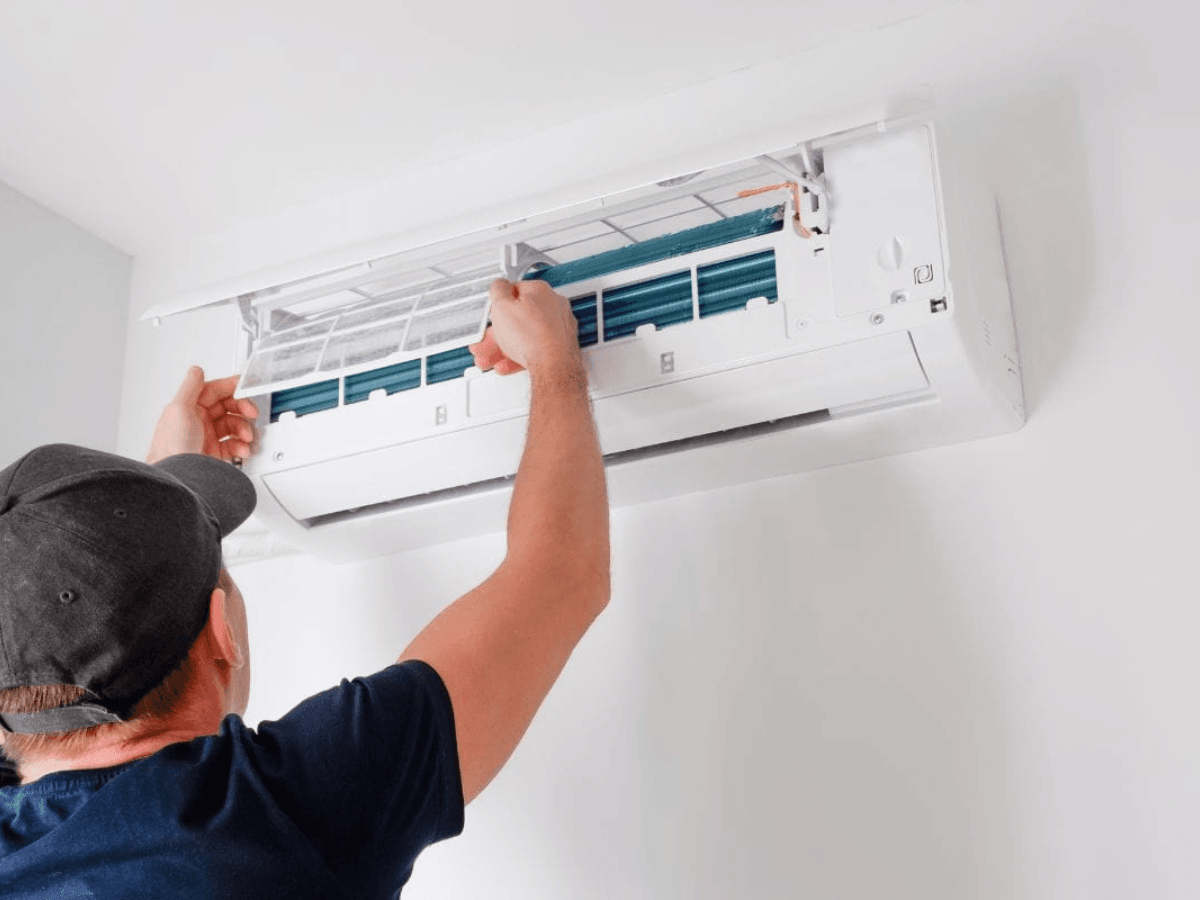
Before modern systems made indoor comfort easy, people relied on simple methods to stay cool. Early cooling techniques were based on natural processes, such as using ice or encouraging evaporation.
While these approaches offered some relief, they were limited in reach and consistency. As demand grew for more reliable solutions, especially in industrial settings, the need for controlled cooling became more apparent.
This shift led to the development of mechanical systems that could regulate temperature more precisely. Over time, these advancements laid the groundwork for what would eventually become modern air conditioning.
The progression from basic cooling methods to engineered systems reflects a broader move toward efficiency and control.
Mechanical Refrigeration Milestones Before Modern AC
The introduction of mechanical refrigeration in the 19th century marked a turning point in cooling technology. Instead of relying on natural cooling sources, engineers began developing systems that could actively remove heat from an environment.
One of the most important breakthroughs during this period was the vapor-compression cycle, which remains a core principle in air conditioning today. Inventors such as Jacob Perkins and John Gorrie played key roles in refining these systems.
Perkins is often credited with building one of the first practical refrigeration machines, while Gorrie focused on cooling air for medical purposes. His work was driven by the need to create more comfortable conditions for patients in warm climates.
These early systems were not widely accessible at first, but they demonstrated that controlled cooling was possible. As designs improved, mechanical refrigeration became more reliable and began to find applications in industries such as food storage and manufacturing.
This growing use helped set the stage for the eventual expansion of air conditioning into everyday environments.
The Role Of Refrigerants In Early Cooling Technology
Refrigerants are at the heart of any cooling system, and their development has been essential to the success of air conditioning.
In early refrigeration systems, substances like ammonia and sulfur dioxide were commonly used because of their ability to absorb and release heat efficiently. While effective, these materials came with safety concerns, including toxicity and strong odors.
As the technology evolved, there was a clear need for safer alternatives. Engineers began experimenting with new compounds that could deliver the same cooling performance without the associated risks.
This led to the gradual introduction of more stable and less hazardous refrigerants, which made systems easier to use in both commercial and residential settings.
The improvement of refrigerants was not just about safety. It also contributed to better efficiency and reliability. As these substances became more refined, air conditioning systems could operate more consistently and with fewer complications. This made them more practical for widespread use.
How Early Innovations Shaped Modern Cooling Systems
The transition from early cooling methods to mechanical refrigeration reflects a steady process of problem-solving and refinement.
Each innovation built on the last, moving from basic temperature control to systems that could maintain precise indoor conditions. What began as a solution for specific industrial and medical challenges eventually became a standard part of daily life.
Modern air conditioning systems still rely on the same foundational concepts developed during this period. The vapor-compression cycle, the use of refrigerants, and the focus on controlled environments all trace back to these early advancements.
While the technology has become more efficient and user-friendly, the underlying principles remain largely unchanged. By understanding how these early systems developed, it becomes easier to see how air conditioning evolved into the reliable and widely used technology it is today.
What Is Freon, and How Did Refrigerants Evolve Over Time?
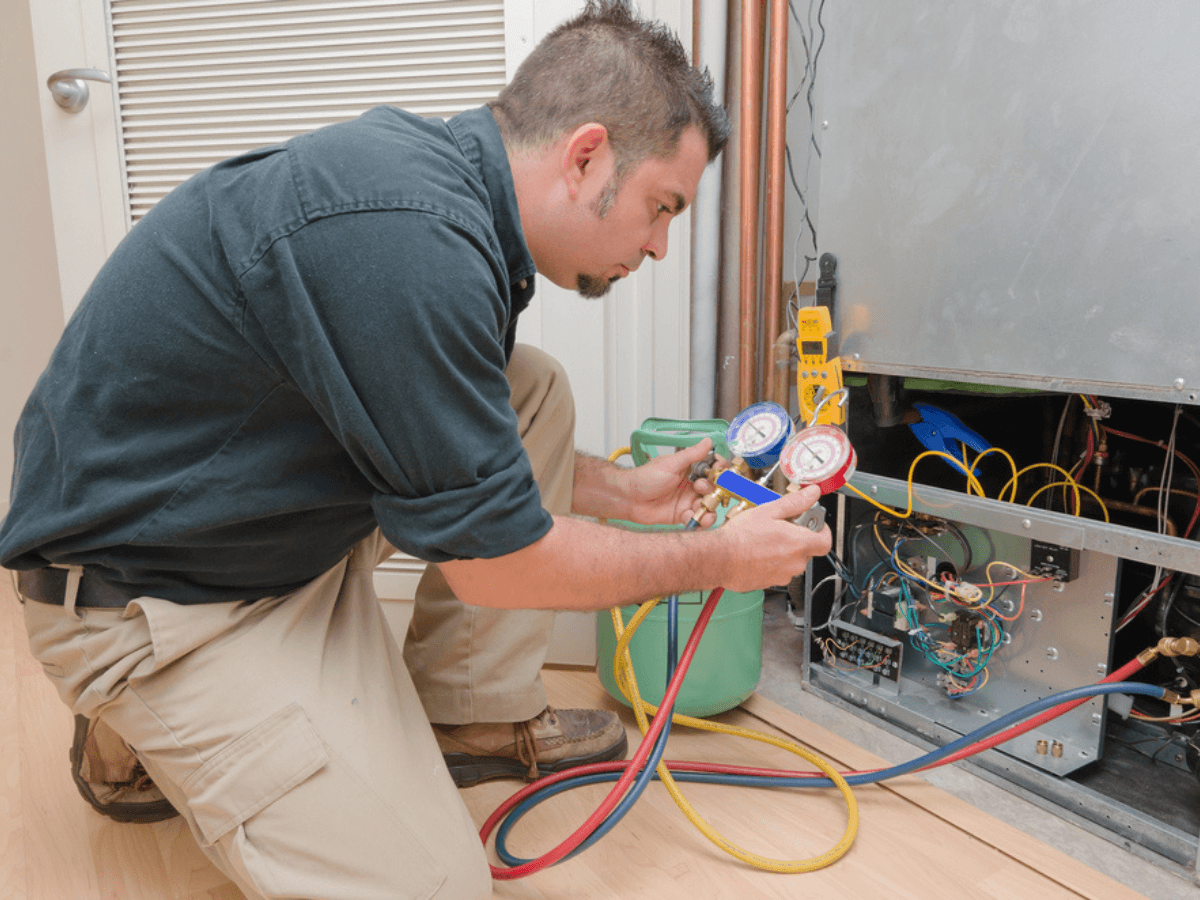
As cooling technology developed, the materials used inside these systems became just as important as the systems themselves. Refrigerants are the substances that absorb and release heat, making modern air conditioning possible.
Over time, these materials have gone through significant changes as engineers worked to improve safety, efficiency, and environmental impact. One of the most recognizable names associated with refrigerants is Freon.
For many years, it became almost interchangeable with air conditioning itself. Its introduction marked a turning point in how cooling systems were designed and used, especially in homes and commercial spaces.
How Freon Changed Air Conditioning Systems
Freon is a brand name that refers to a group of refrigerants developed in the early 20th century. Before its introduction, many refrigerants in use were either toxic or highly flammable, which made them difficult and sometimes dangerous to work with.
Freon offered a more stable alternative, which helped accelerate the adoption of air conditioning across different industries. Because it was considered safer and easier to handle, Freon quickly became the standard choice for cooling systems.
It allowed air conditioning units to be installed in homes, offices, and public buildings with fewer concerns about risk. This shift played a major role in making air conditioning more accessible and practical for everyday use.
The widespread use of Freon also contributed to the rapid expansion of the cooling industry. As more buildings adopted air conditioning, the demand for reliable refrigerants grew, reinforcing Freon’s position as a dominant solution for several decades.
Why Environmental Concerns Changed Refrigerant Use
Although Freon was effective, its long-term environmental impact became a serious concern. Scientists eventually discovered that certain types of Freon, particularly chlorofluorocarbons, were contributing to the depletion of the ozone layer.
This discovery led to increased regulation and a gradual phase-out of these substances. The shift away from Freon was not immediate, but it marked an important moment in the evolution of air conditioning technology.
Manufacturers had to rethink how systems were designed and begin developing alternatives that would reduce harm to the environment while maintaining performance.
This period highlighted the balance that modern cooling systems must achieve. It is not enough for a refrigerant to be effective. It also needs to be safe for long-term use and have a lower environmental impact.
The Rise Of Eco-Friendly Refrigerants
In response to these concerns, newer refrigerants were developed with a focus on sustainability. Hydrofluoroolefins, often referred to as HFOs, are one example of this shift. These compounds are designed to have a lower impact on the atmosphere while still providing efficient cooling.
Natural refrigerants have also gained attention as viable alternatives. Substances like propane and ammonia, when used in controlled systems, offer strong performance with a reduced environmental footprint.
While they require careful handling, advancements in system design have made them more practical for modern applications.
These changes reflect a broader effort to improve how air conditioning systems interact with the environment. By focusing on both performance and sustainability, newer refrigerants support long-term use without the same drawbacks associated with earlier options.
How Refrigerant Innovation Continues To Shape The Future
The evolution of refrigerants is still ongoing. Engineers continue to look for ways to improve energy efficiency while minimizing environmental impact. This includes refining existing compounds and exploring entirely new solutions that can meet growing demand without compromising safety.
As air conditioning remains a key part of modern life, these innovations play an essential role in shaping its future. The transition from early refrigerants to more advanced alternatives shows how the industry adapts to new challenges while continuing to improve the way cooling systems function.
How Has HVAC Technology Evolved From Early Systems To Today?
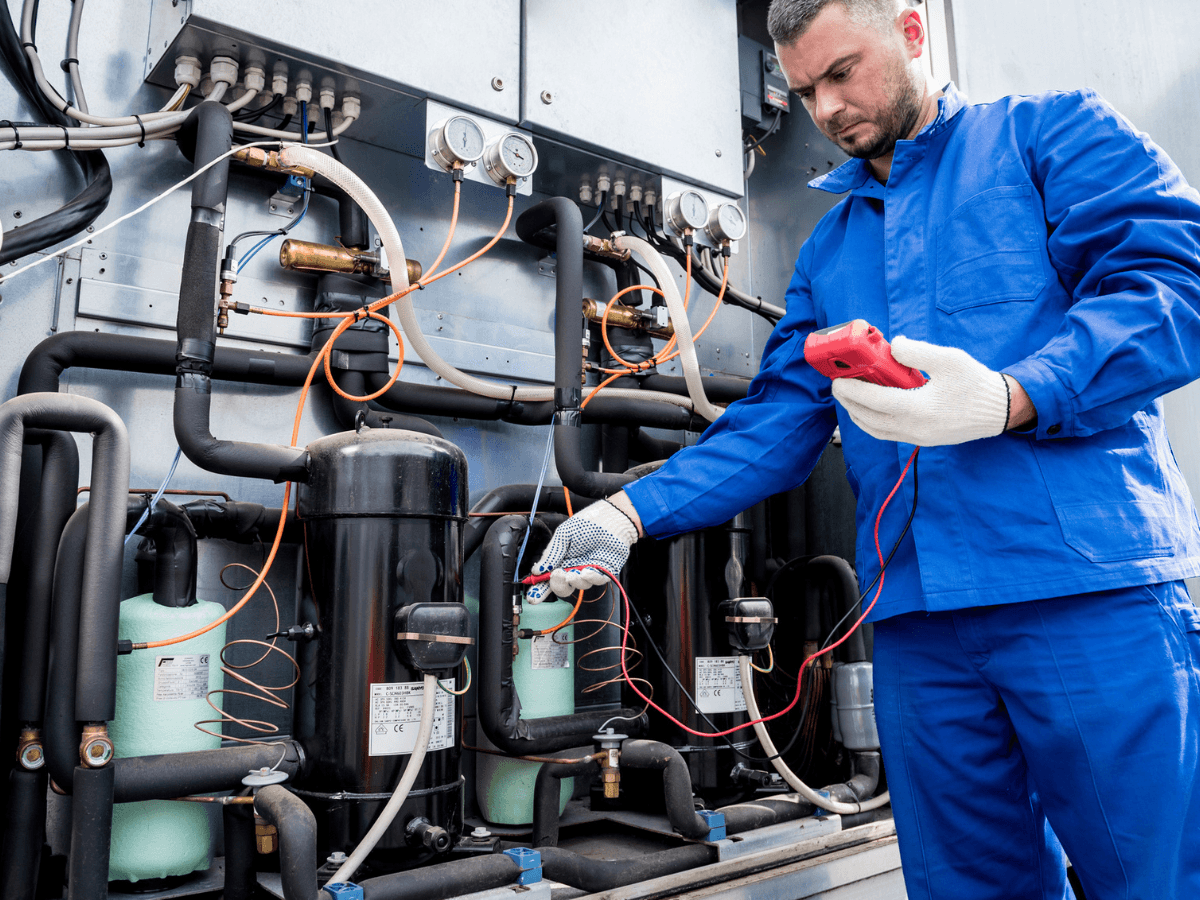
The way we experience indoor comfort today is the result of decades of steady improvement in heating and cooling technology. Early systems were designed to solve very specific problems, often in industrial settings, but over time, they evolved into the highly efficient solutions we rely on now.
Modern air conditioning is no longer just about cooling a space. It is about maintaining a balanced indoor environment that supports comfort, energy efficiency, and air quality.
This shift did not happen all at once. It reflects a series of advancements that gradually made systems more reliable, accessible, and adaptable to different needs.
From Basic Cooling To Integrated Climate Control
In the early days, cooling systems were relatively simple and focused on temperature control. They could lower indoor temperatures, but they did not offer much flexibility beyond that. As demand grew, especially in homes and commercial buildings, systems needed to do more than just cool the air.
This led to the development of HVAC systems that combine heating, ventilation, and air conditioning into a single, coordinated setup.
Instead of treating each function separately, modern systems manage airflow, humidity, and temperature together. This integration allows for more consistent indoor conditions and better overall performance.
Air conditioning became a central part of this evolution, moving from a standalone solution to a key component within a larger system designed for year-round comfort.
The Role Of Energy Efficiency In Modern Systems
One of the biggest changes in HVAC technology has been the focus on energy efficiency. Earlier systems often consumed large amounts of energy, which made them expensive to operate over time.
As energy costs increased and environmental concerns grew, manufacturers began developing systems that could deliver the same level of comfort while using less power.
This led to improvements in system design, including more efficient compressors, better insulation, and smarter controls. Modern air conditioning units are designed to adjust their output based on the needs of the space, rather than running at full capacity all the time.
This not only reduces energy use but also helps extend the lifespan of the equipment. Efficiency is no longer an added benefit. It is a core feature that shapes how systems are designed and used today.
How Smart Technology Has Changed HVAC Performance
Another major shift in HVAC development is the integration of smart technology. Today’s systems can be controlled remotely, programmed to follow daily schedules, and even adjust automatically based on indoor conditions.
This level of control allows homeowners and businesses to fine-tune their air conditioning systems in ways that were not possible in the past.
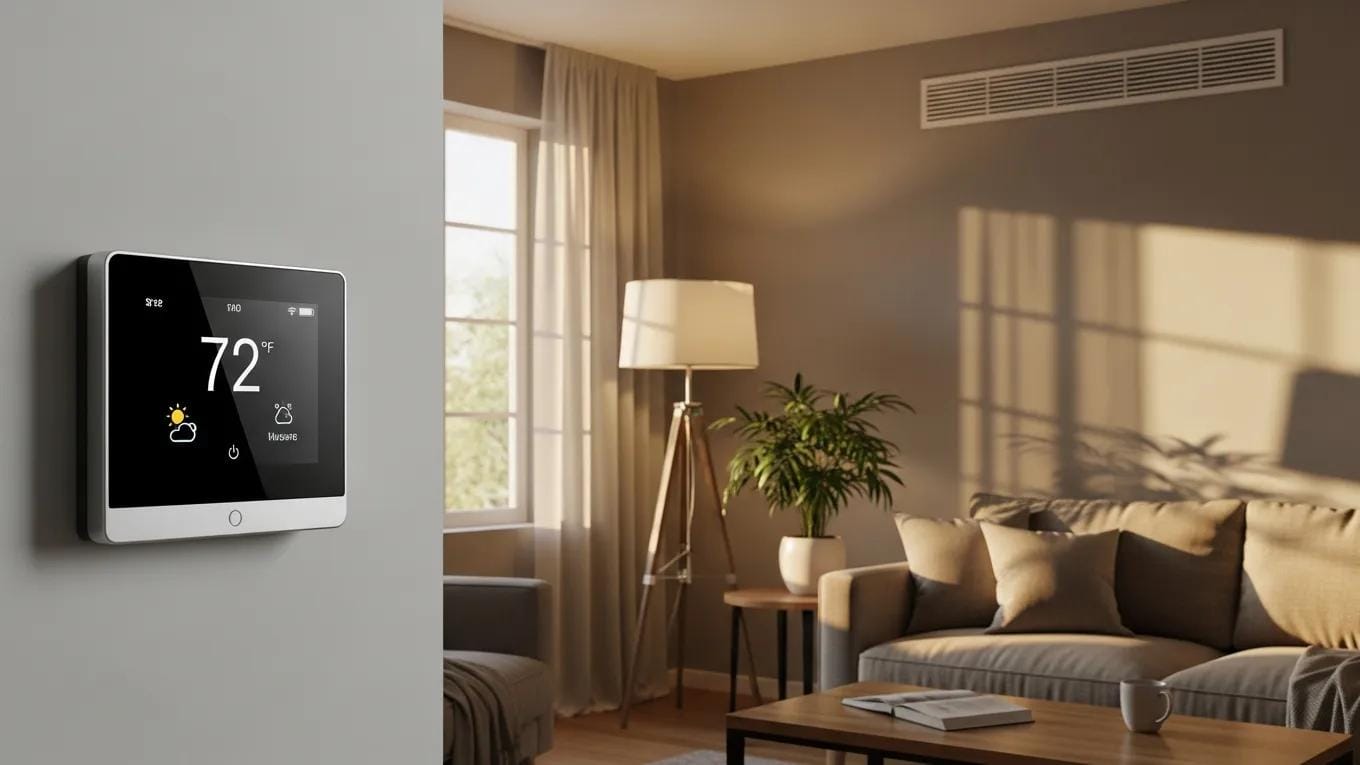
Smart thermostats, for example, can learn usage patterns and make adjustments that improve both comfort and efficiency. Sensors can detect changes in temperature or humidity and respond in real time, helping maintain a stable environment without constant manual input.
These advancements make air conditioning more responsive and easier to manage, which enhances both convenience and performance.
Adapting To Changing Needs And Environments
Modern HVAC systems are designed with flexibility in mind. Buildings vary widely in size, layout, and usage, so systems need to adapt to different conditions. This has led to the development of solutions that can be customized to fit specific spaces, whether it is a single room or a large commercial facility.
At the same time, there is a growing emphasis on indoor air quality. Ventilation systems are now designed to filter out pollutants and improve airflow, which contributes to a healthier indoor environment. This reflects a broader understanding of what air conditioning should provide beyond temperature control.
As technology continues to evolve, HVAC systems are becoming more refined and capable. What started as a basic cooling solution has developed into a comprehensive approach to managing indoor comfort, efficiency, and air quality in a wide range of settings.
What Societal And Industrial Impacts Has Air Conditioning Had?
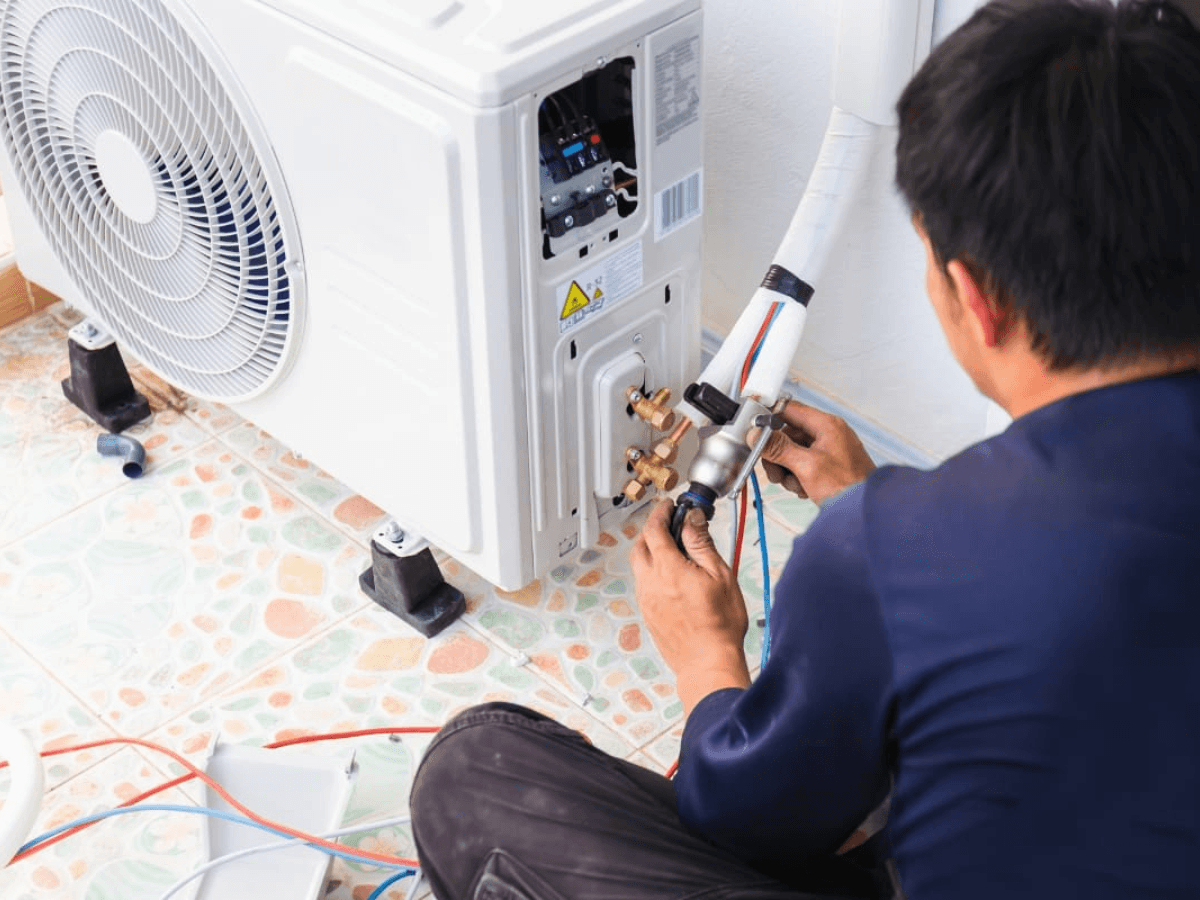
Air conditioning has influenced far more than indoor comfort. Over time, it has changed how buildings are designed, how people work, and even how cities develop. What began as a way to manage temperature and humidity in specific environments has become a defining part of modern life.
Its impact can be seen in everyday routines as well as in large-scale industries. From improving working conditions to supporting economic growth in warmer regions, air conditioning has shaped both personal comfort and broader societal patterns.
How Air Conditioning Reshaped Homes And Buildings
One of the most noticeable changes brought by air conditioning is in how homes and buildings are designed. Before widespread cooling systems, architecture focused heavily on natural ventilation. Features like shaded porches, smaller windows, and thick walls were used to manage heat.
As air conditioning became more common, these design priorities shifted. Larger windows, open floor plans, and sealed environments became more practical because indoor temperatures could be controlled consistently.
This allowed for more flexible layouts and new design possibilities that were not limited by climate in the same way. In residential settings, air conditioning made it easier to maintain a comfortable indoor environment regardless of outdoor conditions.
This consistency has become an expectation, influencing how homes are built and how people experience their living spaces.
The Impact On Workspaces And Productivity
Air conditioning has also played a significant role in shaping modern work environments. In industries where heat once limited productivity, controlled indoor climates have made it possible to maintain steady output throughout the day.
Offices, factories, and commercial spaces benefit from more stable temperatures, which can help reduce fatigue and improve focus. When employees are not dealing with extreme heat, they are better able to concentrate and perform tasks efficiently.
This has contributed to changes in how businesses operate, particularly in regions where high temperatures were once a barrier to consistent work.
In addition, air conditioning has made it possible for certain industries to expand into warmer climates. This has influenced job distribution and economic activity, allowing businesses to operate in areas that were previously less viable.
How Air Conditioning Influenced Urban Growth
The availability of air conditioning has had a direct effect on where people choose to live and work. Cities in warmer regions have experienced significant growth in part because reliable cooling systems make daily life more manageable.
Without air conditioning, extreme heat can limit both residential comfort and industrial activity. With it, cities can support larger populations and more diverse industries.
This has contributed to the expansion of urban areas in places that would otherwise face challenges related to climate. As a result, air conditioning has not only changed individual buildings but also played a role in shaping broader patterns of urban development.
Environmental Considerations And Efficiency Trends
While air conditioning offers clear benefits, it also raises important questions about energy use and environmental impact. As more systems are installed, the demand for electricity increases, which can strain resources if not managed carefully.
In response, the industry has focused on improving efficiency. Modern systems are designed to use less energy while maintaining consistent performance.
Technologies such as smart thermostats allow users to adjust cooling based on their needs, reducing unnecessary usage. Variable systems can also adapt to changing conditions, providing more precise control over temperature and energy consumption.
These advancements reflect a growing awareness of the need to balance comfort with sustainability. As air conditioning continues to evolve, the focus remains on creating systems that support modern living while reducing their overall impact on the environment.
The Evolution of Early Cooling and Mechanical Refrigeration
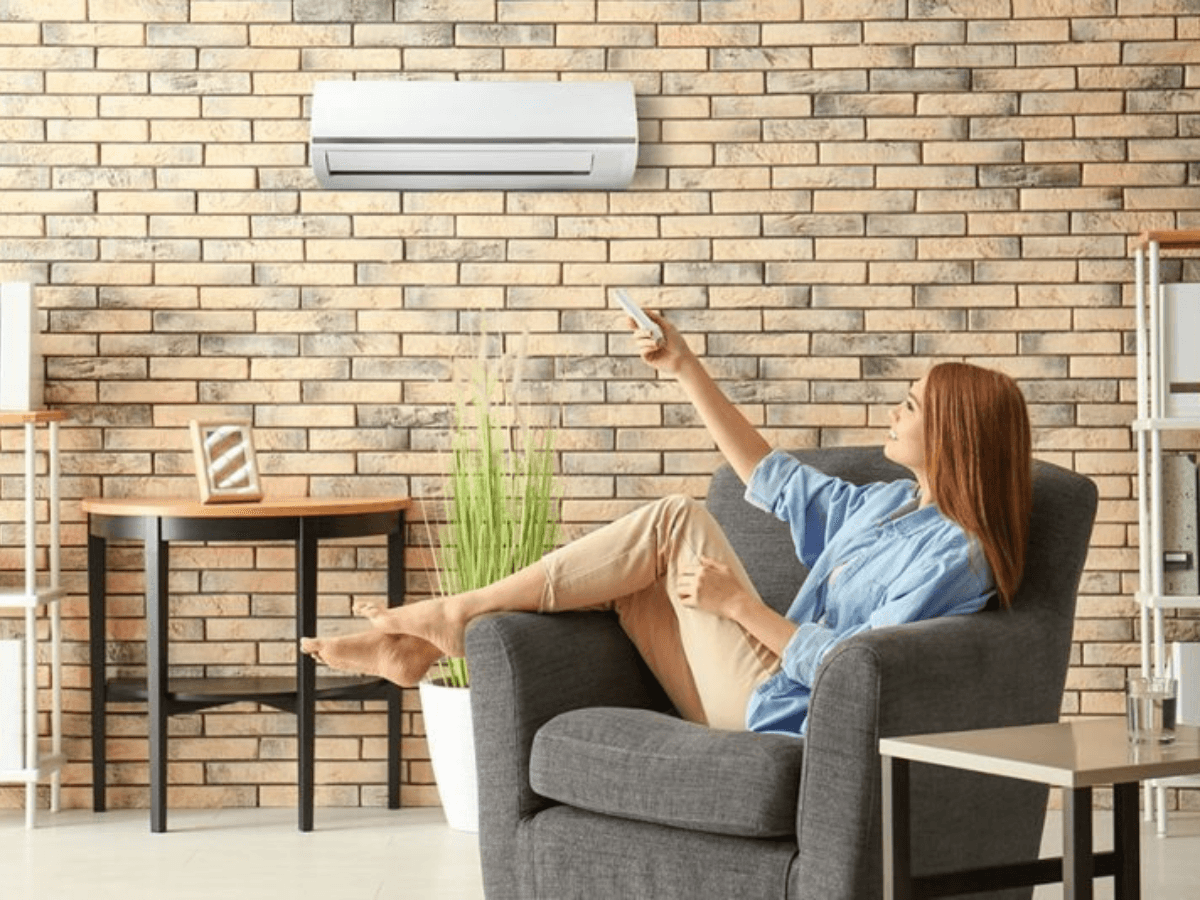
Air conditioning is continuing to evolve as technology and environmental priorities shift. While earlier systems focused mainly on cooling performance, modern developments are moving toward smarter, more efficient, and more sustainable solutions.
These changes are shaping how people interact with their systems and how those systems operate behind the scenes. Looking ahead, the future of air conditioning is not defined by a single breakthrough.
Instead, it is driven by a combination of digital integration, energy awareness, and improved system design that work together to create a more responsive and efficient experience.
How Smart Technology Is Changing Air Conditioning
One of the most noticeable trends is the rise of smart air conditioning systems. These systems are designed to connect with other devices through digital platforms, allowing users to control settings remotely and adjust performance in real time. This level of access changes how people manage their indoor environments.
For example, instead of manually adjusting a thermostat throughout the day, users can set schedules or make changes from a mobile device.
Some systems can even learn usage patterns and adjust automatically based on daily routines. This creates a more personalized experience while also helping reduce unnecessary energy use.
The integration of connected technology also makes it easier to monitor system performance. Homeowners can receive alerts about maintenance needs or changes in efficiency, which helps prevent small issues from turning into larger problems.
As these features become more common, air conditioning systems are becoming more intuitive and easier to manage.
The Growing Focus On Energy Efficiency And Sustainability
Another major direction for air conditioning technology is sustainability. As energy use becomes a larger concern, manufacturers are placing more emphasis on designing systems that deliver strong performance while consuming less power.
This shift is not only about reducing costs but also about lowering the environmental impact of cooling systems. Newer models are built to operate more efficiently by adjusting output based on the specific needs of a space.
Instead of running at full capacity all the time, these systems can scale their performance up or down, which helps conserve energy without sacrificing comfort.
In addition to system design, changes in refrigerants are playing a role in this transition. The industry is moving toward options that have a lower environmental impact while still maintaining effective cooling. These updates reflect a broader effort to align air conditioning technology with evolving environmental standards.
How Regulations Are Driving Innovation
Regulatory changes are also influencing how air conditioning systems are developed. Governments and industry organizations are introducing stricter guidelines related to energy efficiency and the use of certain materials.
These requirements encourage manufacturers to explore new designs and adopt more sustainable practices. While regulations can sometimes feel restrictive, they often lead to meaningful improvements in technology.
By setting clear standards, they push the industry to innovate in ways that benefit both consumers and the environment. Over time, these changes help raise the overall quality and performance of air conditioning systems across the board.
What The Future Of Air Conditioning Looks Like
The future of air conditioning is likely to be defined by systems that are more adaptive, efficient, and environmentally conscious. Instead of focusing solely on cooling, these systems will continue to evolve into comprehensive solutions that manage comfort, energy use, and air quality together.
As smart features become more advanced and sustainability remains a priority, air conditioning will continue to integrate more seamlessly into daily life. The result is a technology that not only meets current needs but also adapts to changing expectations over time.
Conclusion
From early ice-block cooling methods to today’s smart, energy-efficient systems, air conditioning has come a long way—transforming how we live, work, and stay comfortable in Georgia’s heat.
Modern AC units now offer advanced features like variable-speed compressors, Wi-Fi-enabled thermostats, and eco-friendly refrigerants that deliver superior performance while reducing energy costs.
To experience the latest in cooling technology and keep your system running at its best, trust the HVAC experts at CoolPro Heating & Cooling. Ready to upgrade to a more efficient, reliable AC? Call 770-694-6232 today or fill out our website form to schedule a consultation. Let our experts help you bring your home’s comfort into the future.