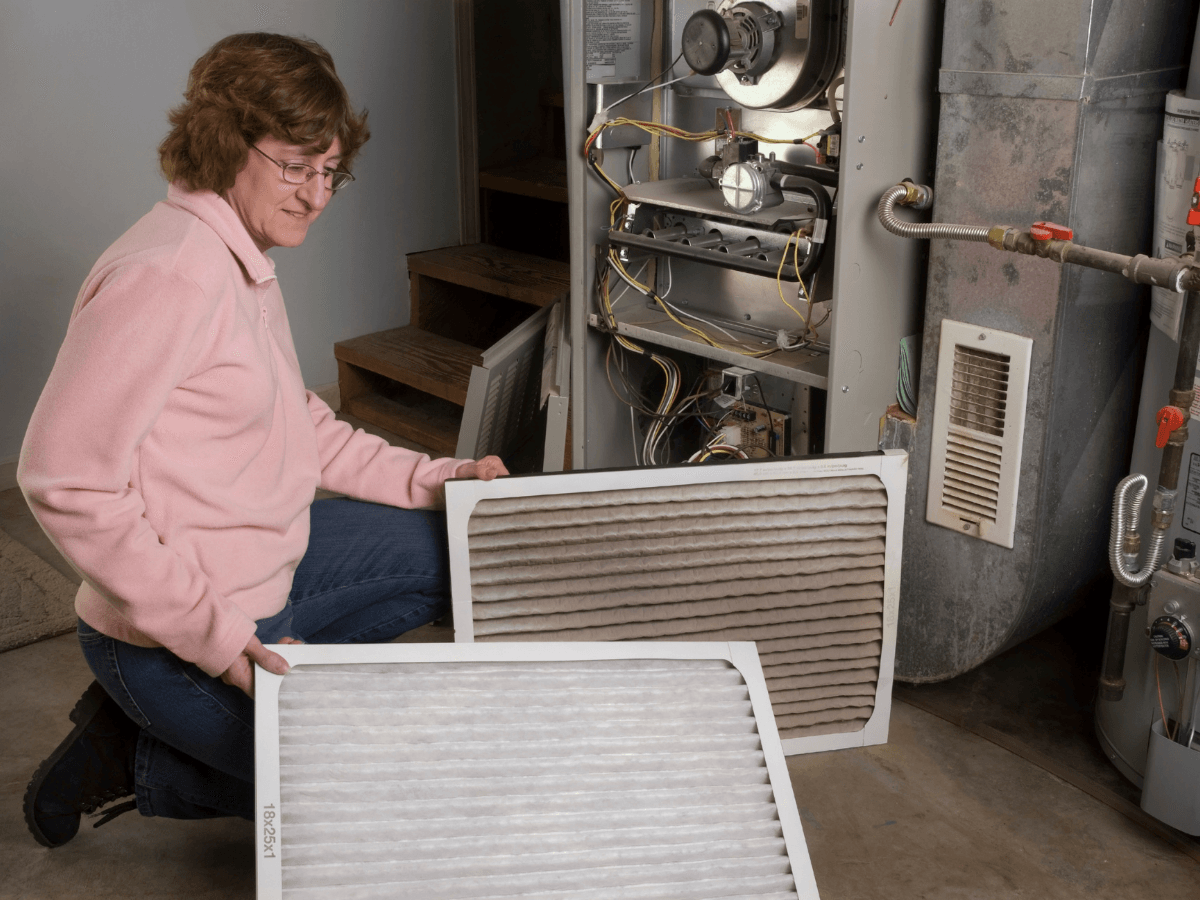
Your furnace filter does more than trap dust. It directly affects airflow, indoor air quality, and how efficiently your HVAC system operates. Choosing the wrong filter or forgetting to replace it regularly can force your system to work harder, increasing energy use and reducing overall performance.
Choosing the right furnace filters starts with understanding MERV ratings, proper sizing, and replacement schedules. Higher-rated filters can capture smaller particles, but not every system is designed to handle the same level of filtration. Finding the right balance is key to maintaining both clean air and efficient airflow.
With the right filter and maintenance routine, you can improve HVAC performance, support healthier indoor air, and help extend the lifespan of your heating system.
Best Furnace Filters for Cleaner Air and Stronger Airflow
What Are The Different Types Of Furnace Filters And Their Benefits?
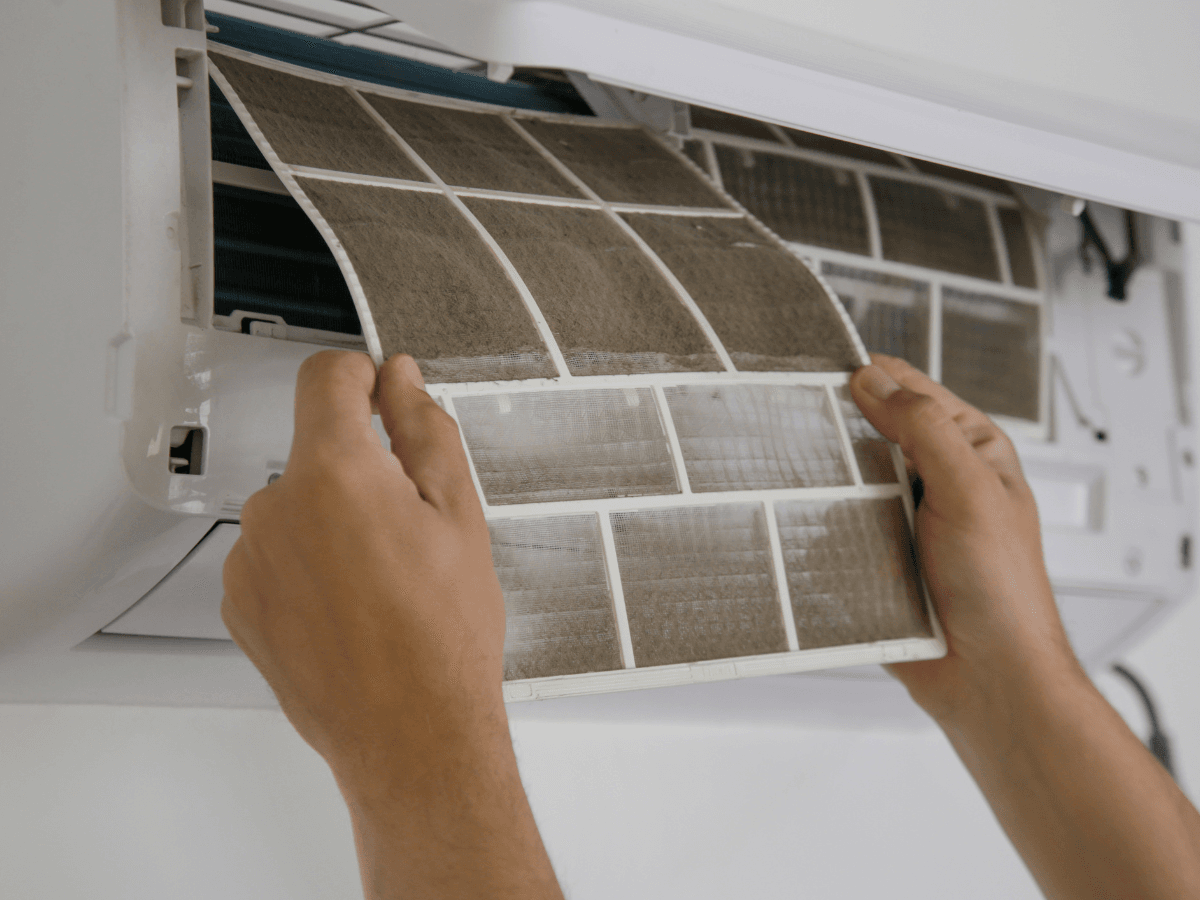
Choosing the right furnace filter can make a noticeable difference in both indoor air quality and HVAC performance.
Different types of furnace filters are designed to capture different levels of airborne particles, and the best option often depends on factors like allergies, pets, household dust, and overall system efficiency.
Because furnace filters directly affect airflow and air cleanliness, understanding the strengths and limitations of each type can help homeowners make more informed decisions. Some filters prioritize affordability, while others focus on filtration performance or long-term reusability.
How Do Pleated, Fiberglass, And Electrostatic Filters Compare?
Pleated filters are among the most common choices for residential HVAC systems because they offer a good balance between filtration efficiency and cost. Their folded design increases surface area, allowing them to trap more dust, pollen, and debris than basic flat filters.
Many homeowners choose pleated furnace filters because they improve indoor air quality without significantly restricting airflow when properly matched to the HVAC system.
Fiberglass filters are typically the most affordable option. These filters are mainly designed to protect the furnace itself rather than improve air quality throughout the home.
While they can capture larger particles like lint and dust, they are less effective at trapping smaller allergens such as pet dander or fine pollen. Homes with allergy concerns or pets often require more efficient filtration than fiberglass filters can provide.
Electrostatic filters use self-charging fibers or static electricity to attract airborne particles. Some models are disposable, while others are washable and reusable.
Reusable electrostatic furnace filters can reduce long-term replacement costs, but they require regular cleaning to maintain proper airflow and filtration performance. If maintenance is neglected, efficiency can drop significantly over time.
Each filter type serves a different purpose, and the right choice often depends on the household’s air quality needs, budget, and HVAC system requirements.
Which Furnace Filters Provide The Best Indoor Air Quality?
For households focused on cleaner indoor air, higher-efficiency furnace filters are often the best option. Pleated filters with higher MERV ratings are commonly recommended because they capture smaller airborne contaminants while still allowing sufficient airflow for most residential systems.
HEPA filters provide the highest level of filtration, capturing extremely small particles, including dust mites, mold spores, smoke particles, and certain bacteria. These filters are especially beneficial for people with allergies, asthma, or respiratory sensitivities.
However, not all residential HVAC systems are designed to handle true HEPA filtration. Because HEPA filters are denser, they may restrict airflow if the system is not specifically built for them.
Activated carbon filters are designed for a different purpose. Instead of focusing primarily on dust and allergens, they help absorb odors, smoke, and volatile organic compounds found in the air.
Homes with pets, cooking odors, or smoke concerns may benefit from activated carbon filtration as part of a broader air quality strategy.
Many homeowners find that mid-range pleated furnace filters offer the best overall balance between affordability, efficiency, and airflow. These filters improve air quality significantly without placing unnecessary strain on the HVAC system.
Why Choosing The Right Furnace Filter Matters
Using the wrong filter can impact more than just air quality. Furnace filters that are too restrictive for a system can reduce airflow, increase energy use, and force the furnace to work harder than necessary.
On the other hand, low-efficiency filters may allow excessive dust and debris to circulate through the home and accumulate inside HVAC components.
Replacement frequency also plays an important role. Even high-quality furnace filters lose effectiveness when they become clogged with dust and debris. Most filters should be checked monthly and replaced regularly based on manufacturer recommendations, household conditions, and HVAC usage.
By understanding how different furnace filters perform, homeowners can choose an option that supports both cleaner air and efficient system operation. The right filter not only protects the HVAC system but also helps create a healthier and more comfortable indoor environment year-round.
How Is the MERV Rating Explained and Which Rating Is Best for Your Furnace?
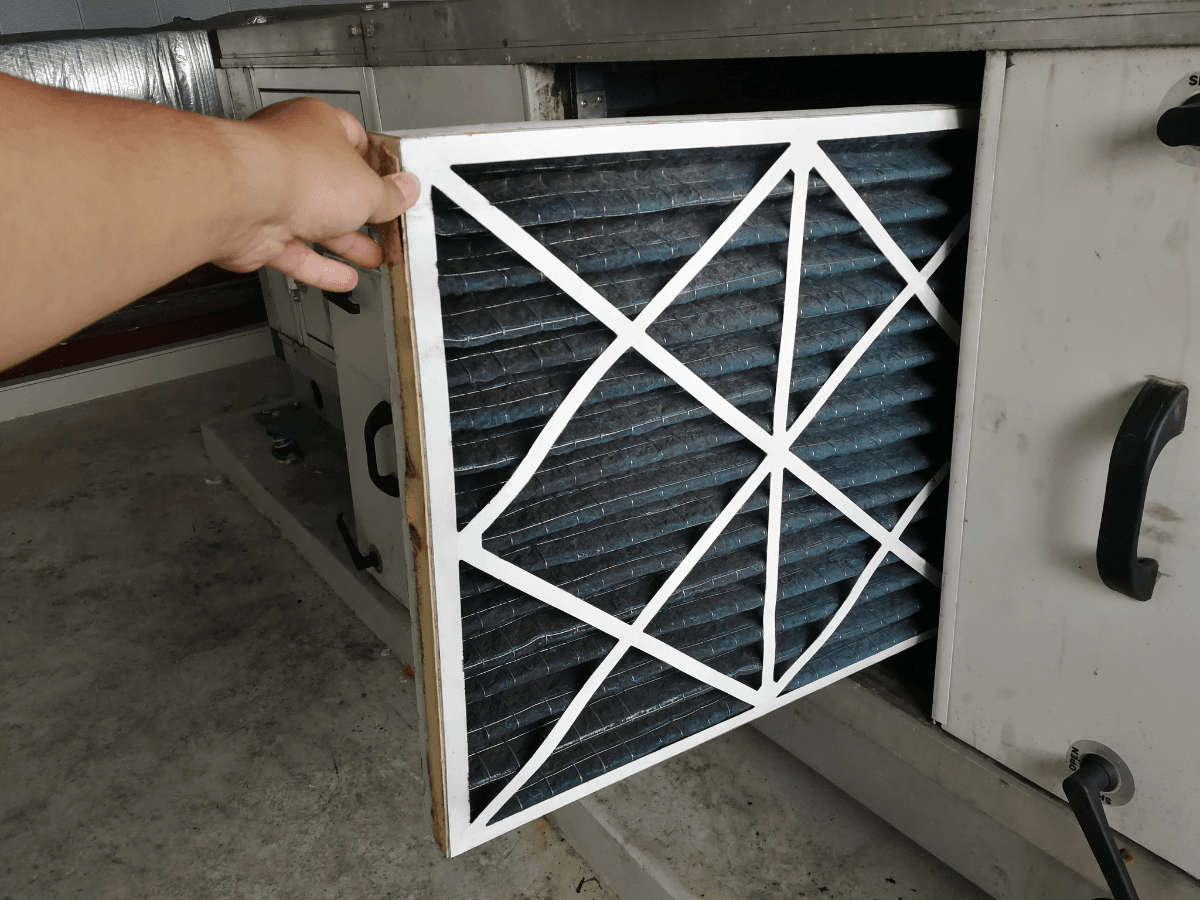
When shopping for furnace filters, one of the most important details to understand is the MERV rating. MERV stands for Minimum Efficiency Reporting Value, and it measures how effectively a filter captures airborne particles moving through an HVAC system. The higher the rating, the more particles the filter can trap.
Understanding MERV ratings helps homeowners choose furnace filters that improve indoor air quality without negatively affecting airflow or system performance.
While it may seem like choosing the highest possible rating is always best, the ideal filter depends on your HVAC system, household conditions, and air quality goals.
What Does The MERV Scale Mean For Filter Efficiency?
The MERV scale ranges from 1 to 16, with each level indicating how efficiently a filter captures particles of different sizes. Lower-rated filters primarily catch larger debris, while higher-rated filters can trap much finer contaminants.
Filters with MERV ratings between 1 and 4 are considered basic filtration options. These are often inexpensive fiberglass furnace filters designed mainly to protect HVAC equipment from large dust particles and debris. While they allow strong airflow, they do not do much to improve indoor air quality.
MERV ratings between 5 and 8 are commonly used in residential homes because they offer better filtration without placing excessive strain on most HVAC systems. These filters can capture mold spores, dust, pollen, and some pet dander, making them a practical choice for many households.
Higher-efficiency furnace filters in the MERV 9 to 13 range are often recommended for homeowners concerned about allergies, asthma, or overall air cleanliness.
These filters capture smaller particles such as fine dust, smoke particles, and additional airborne allergens while still maintaining manageable airflow in many modern HVAC systems.
Filters above MERV 13 are generally used in hospitals, laboratories, or specialized commercial environments where advanced air purification is necessary. Most residential systems are not designed to handle extremely dense filters unless specifically engineered for them.
How Do MERV Ratings Affect HVAC Performance?
While higher-rated furnace filters improve filtration, they can also restrict airflow if the HVAC system is not designed to accommodate them. This is why choosing the correct MERV rating is about balance rather than simply selecting the highest number available.
When airflow becomes too restricted, the furnace has to work harder to move air through the system. Over time, this can reduce energy efficiency, increase utility costs, and place added strain on HVAC components. In some cases, using an overly restrictive filter may even shorten the lifespan of the system.
For this reason, homeowners should always consider manufacturer recommendations before upgrading to higher-rated furnace filters. An HVAC technician can also help determine whether a specific system can safely support stronger filtration.
Regular filter replacement is equally important. Even a properly selected filter can reduce airflow once it becomes clogged with dust and debris. Checking filters monthly during heavy heating or cooling seasons helps maintain both air quality and system efficiency.
How To Choose The Best MERV Rating For Allergies And Indoor Air Quality
For most homes, furnace filters with MERV ratings between 8 and 12 provide a strong balance between filtration performance and airflow. These filters are effective at capturing common household allergens while remaining compatible with many residential HVAC systems.
Homes with pets, smokers, or allergy sufferers often benefit from filters in the MERV 11 to 13 range. These higher-efficiency filters can help reduce airborne irritants such as pet dander, pollen, dust mites, and fine particles that circulate through indoor air.
However, every home has different needs. Larger households, homes in dusty climates, or homes undergoing renovation may require more frequent filter changes regardless of MERV rating. Likewise, older HVAC systems may perform better with moderate filtration levels rather than highly restrictive filters.
Understanding how furnace filters work and how MERV ratings impact airflow allows homeowners to make smarter decisions about both comfort and HVAC maintenance. The right filter can improve indoor air quality, support system efficiency, and create a cleaner living environment throughout the year.
How To Choose The Right Furnace Filter Size For Your HVAC System
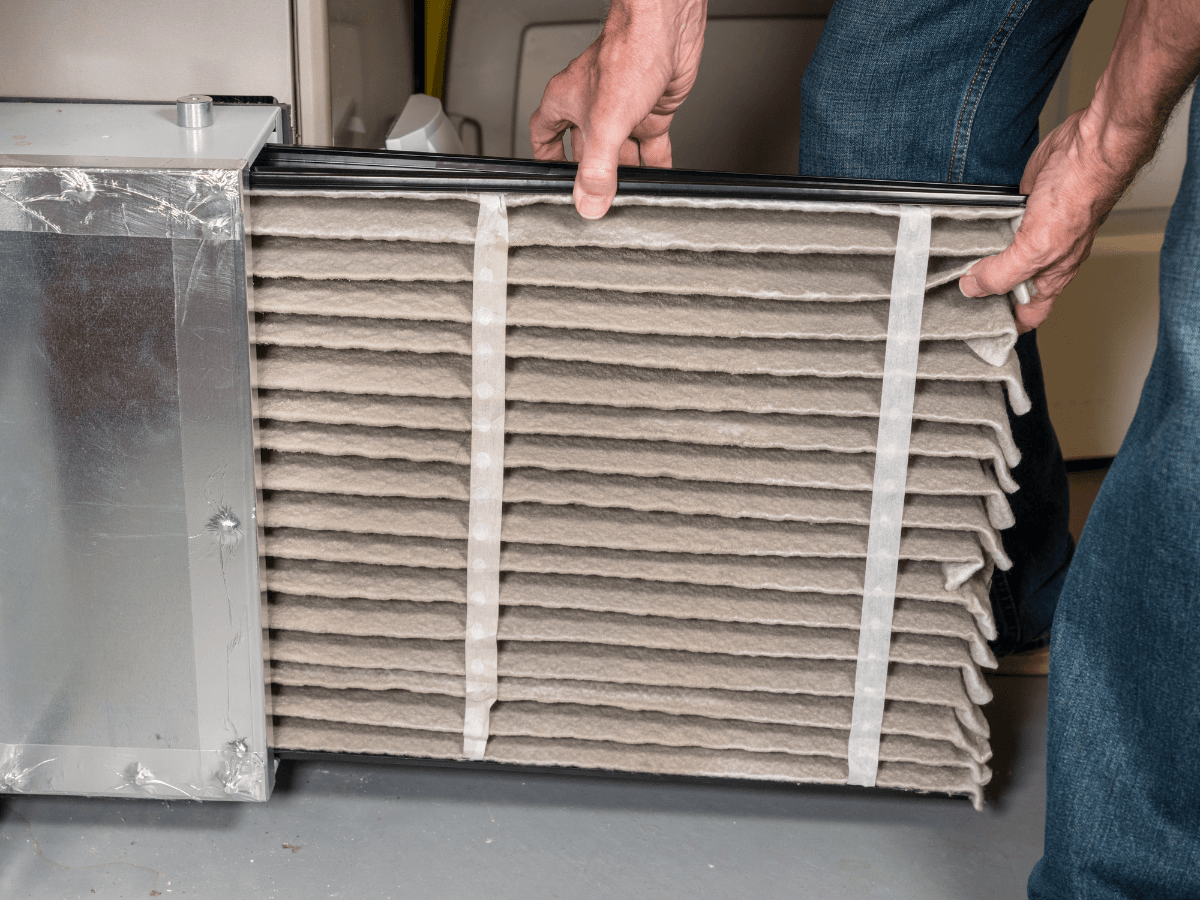
Choosing the correct size for furnace filters is just as important as selecting the right filter type or MERV rating. Even a high-quality filter cannot perform properly if it does not fit the HVAC system correctly.
A filter that is too small may allow dust and debris to bypass the filter entirely, while one that is too large can restrict airflow or fail to fit into the filter slot.
Because furnace filters play a major role in both indoor air quality and HVAC efficiency, taking the time to confirm the correct size helps protect the system and improve overall performance.
What Are Standard Furnace Air Filter Sizes?
Furnace filters come in a wide range of standard sizes, but some dimensions are more common than others in residential HVAC systems. Popular sizes include 16×20, 20×25, 14×20, and 16×25 inches.
Thickness can also vary, with one-inch filters being the most common, though some systems use thicker four-inch or five-inch media filters.
The easiest way to identify the correct size is to check the label printed on the side of the existing filter. Most furnace filters display their dimensions directly on the frame.
However, actual measurements can sometimes differ slightly from the labeled size, so homeowners may want to verify the dimensions manually if there is any uncertainty.
To measure accurately, remove the current filter and measure the length, width, and thickness in inches. Measuring the filter slot itself can also help confirm the proper fit, especially if the old filter appears loose or difficult to install.
Some homeowners assume that using a slightly smaller filter is acceptable, but gaps around the edges can allow unfiltered air to pass through the system. This reduces filtration efficiency and may allow dust, debris, and allergens to circulate throughout the home.
Why Does Proper Filter Sizing Matter For HVAC Performance?
Correct sizing directly affects airflow inside the HVAC system. When furnace filters fit properly, air moves through the system as intended, allowing the furnace to heat efficiently while trapping airborne particles.
An incorrectly sized filter can create several problems. Filters that are too tight may bend, collapse, or restrict airflow, forcing the HVAC system to work harder than necessary.
Over time, this additional strain can increase energy consumption and contribute to premature wear on system components such as blower motors and fans. Filters that are too small create a different issue.
Air naturally follows the path of least resistance, so gaps around an undersized filter allow dust and contaminants to bypass the filtration system altogether. This not only reduces indoor air quality but can also lead to dirt buildup inside ducts, coils, and other HVAC components.
Properly fitted furnace filters help maintain balanced airflow, support energy efficiency, and reduce unnecessary strain on the heating and cooling system. Consistent airflow also helps maintain more even temperatures throughout the home.
How To Make Sure You Choose The Correct Filter
Before purchasing replacement furnace filters, homeowners should review the HVAC manufacturer’s recommendations. Most systems are designed to operate within specific airflow ranges, and the manufacturer’s manual typically lists compatible filter sizes and thicknesses.
It is also important to replace filters regularly. Even perfectly sized filters lose effectiveness once they become clogged with dust and debris. Homes with pets, allergy sufferers, smokers, or ongoing renovation projects may need more frequent filter changes due to increased airborne particles.
When in doubt, consulting an HVAC professional can help avoid sizing mistakes. A technician can verify proper dimensions, recommend suitable filter types, and ensure the HVAC system is operating efficiently.
Choosing the right size furnace filters may seem like a small detail, but it has a significant impact on air quality, airflow, and long-term HVAC performance. A properly fitted filter helps the entire system run more effectively while keeping indoor air cleaner and more comfortable year-round.
Understanding MERV Ratings: Choosing the Best Filter for Your Home
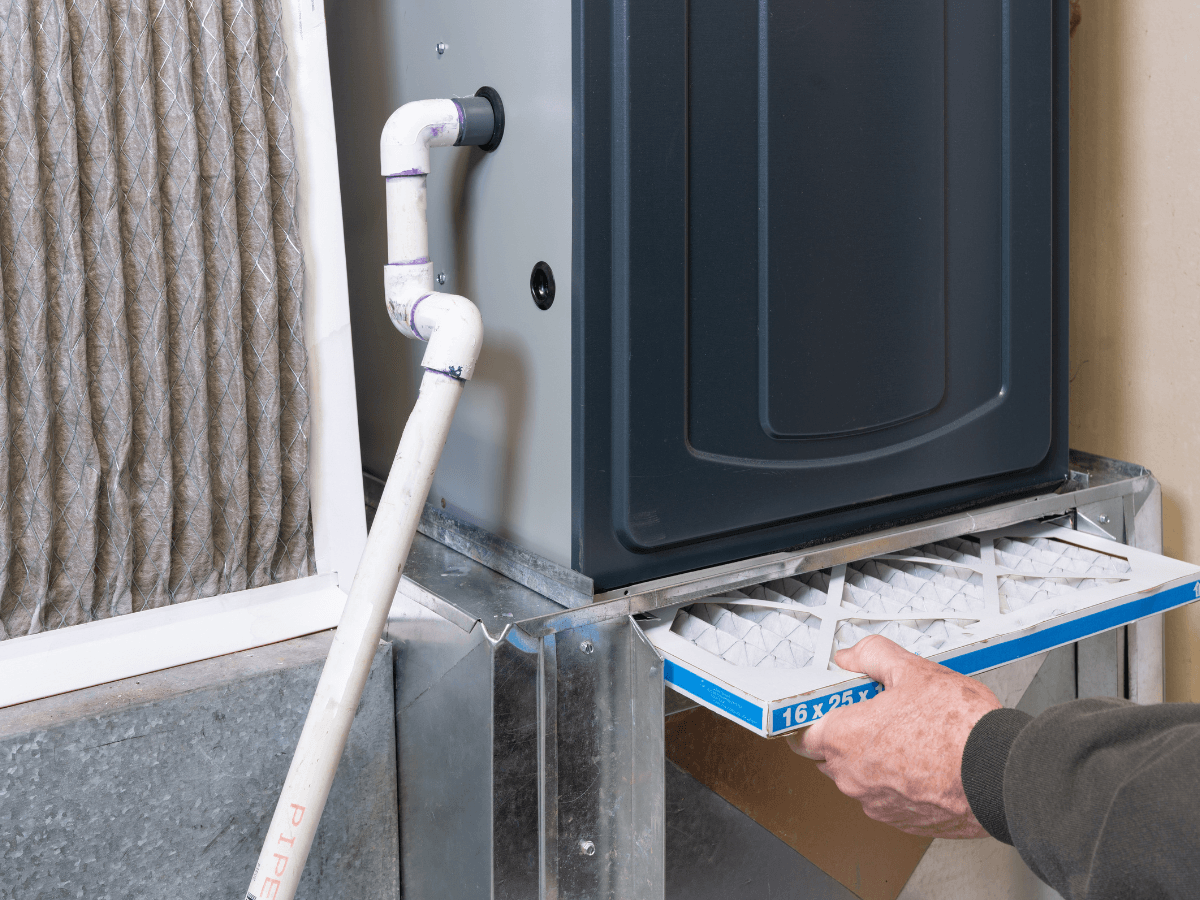
Replacing furnace filters regularly is one of the simplest ways to maintain good indoor air quality and keep an HVAC system running efficiently.
Over time, filters collect dust, pet dander, pollen, and other airborne debris. As the buildup increases, airflow becomes restricted, forcing the system to work harder to heat or cool the home.
Many homeowners overlook filter maintenance until they notice reduced airflow or higher energy bills, but staying on top of replacement schedules can help prevent unnecessary strain on the furnace and improve overall system performance.
How Often Should You Replace Your Furnace Filter?
The ideal replacement schedule for furnace filters depends on several factors, including filter type, household conditions, and how frequently the HVAC system runs throughout the year.
Standard one-inch fiberglass filters typically need to be replaced every 30 days because they collect debris quickly and have limited filtration capacity. Pleated furnace filters usually last longer and are often replaced every 60 to 90 days under normal conditions.
Homes with pets, smokers, or allergy sufferers may require more frequent replacements because additional airborne particles cause filters to clog faster. Similarly, households in areas with high dust levels or ongoing construction nearby may notice filters becoming dirty more quickly than expected.
High-efficiency filters designed for larger HVAC systems may last up to six months, but that does not mean they should be ignored between replacements. Even long-lasting furnace filters should still be checked regularly to ensure airflow remains unrestricted.
Seasonal HVAC use also affects replacement frequency. During periods of heavy heating or cooling, filters tend to accumulate dust and debris more rapidly because the system operates more often. Checking the filter monthly during peak seasons helps avoid airflow problems before they impact performance.
What Are The Signs That Indicate It’s Time To Change Your Filter?
One of the clearest signs of a clogged filter is reduced airflow from vents. If rooms begin heating or cooling unevenly, the filter may be restricting circulation throughout the system.
Increased dust buildup around the home is another common warning sign. When furnace filters become overloaded, they can no longer trap airborne particles effectively, allowing more dust to settle on furniture, vents, and surfaces.
A visibly dirty filter is often enough reason for replacement. If the surface appears gray, clogged, or coated in debris, airflow is likely already being affected. Waiting too long to replace a filter can increase strain on HVAC components and reduce overall efficiency.
Some homeowners also notice rising utility bills when filters become clogged. Restricted airflow forces the furnace or air conditioner to work harder to maintain indoor temperatures, which can increase energy consumption over time.
Unusual HVAC behavior may also point to filter problems. Systems that cycle more frequently, run longer than usual, or make unusual noises may be struggling against reduced airflow caused by dirty furnace filters.
Why Consistent Filter Maintenance Matters
Routine filter replacement does more than improve air quality. Clean furnace filters help protect internal HVAC components from dust buildup, reducing wear on motors, fans, and coils. This can help extend the lifespan of the entire system while lowering the risk of expensive repairs.
Proper airflow also improves heating and cooling efficiency, allowing the system to maintain more stable indoor temperatures without excessive energy use. In homes with allergy sufferers, clean filters can help reduce airborne irritants and improve overall comfort throughout the year.
Creating a simple maintenance routine makes filter replacement easier to manage. Many homeowners schedule replacements at the start of each season or set monthly reminders to inspect the filter regularly.
By staying proactive with furnace filters, homeowners can support better airflow, cleaner indoor air, and more reliable HVAC performance over the long term.
How Do Allergy And Air Quality Considerations Affect Furnace Filter Choice?
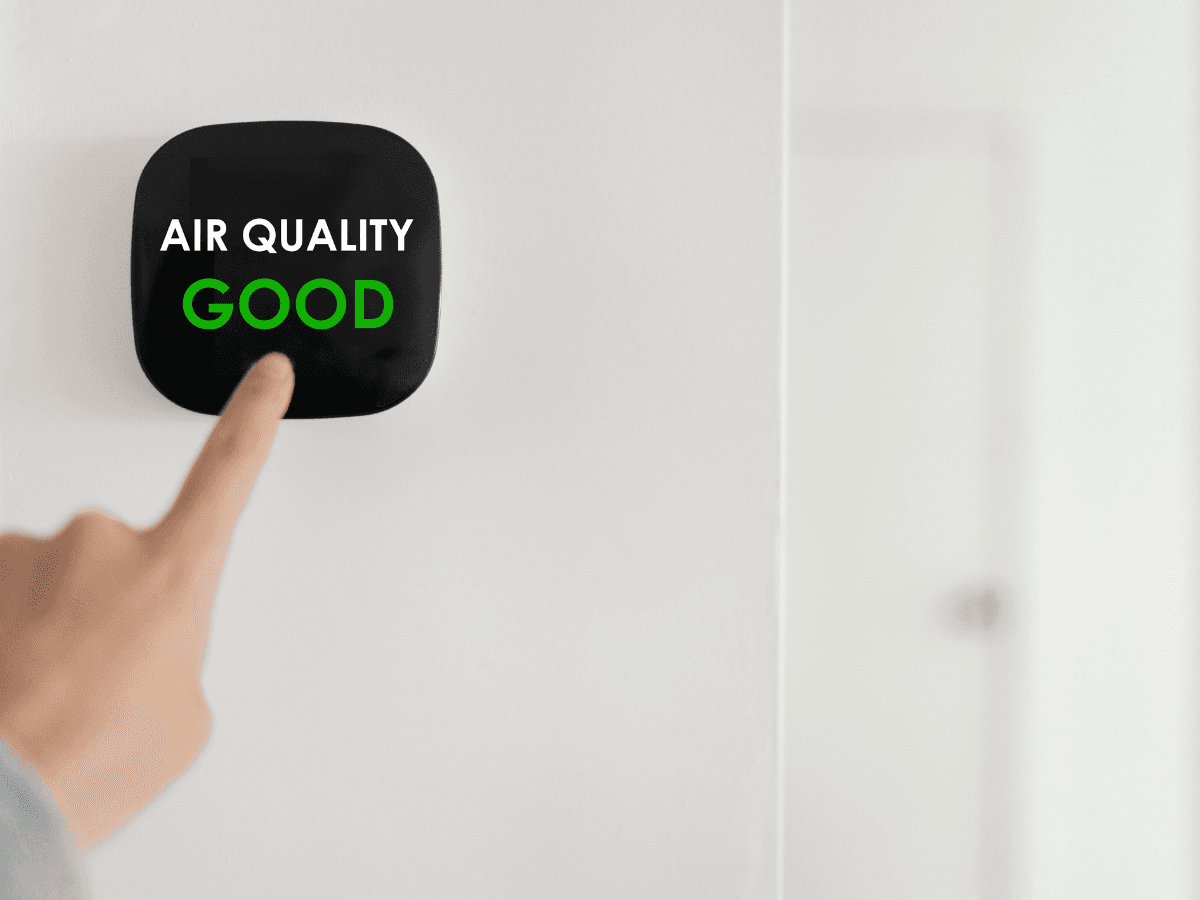
Indoor air quality has a direct impact on comfort, especially for people who deal with allergies, asthma, or other respiratory sensitivities. Dust, pollen, pet dander, mold spores, and airborne debris can circulate throughout the home every time the HVAC system runs.
Because of this, choosing the right furnace filters is an important part of creating a healthier indoor environment. Not all filters provide the same level of protection.
Some are designed mainly to protect the HVAC system itself, while others are specifically built to capture smaller airborne particles that affect air quality. Understanding how filtration works can help homeowners choose a filter that supports both cleaner air and efficient HVAC performance.
Which Furnace Filters Are Best For Reducing Allergens?
For households concerned about allergens, higher-efficiency furnace filters are usually the most effective option. Filters with higher MERV ratings can capture smaller airborne particles that standard filters often miss.
Pleated furnace filters with MERV ratings between 11 and 13 are commonly recommended for homes with allergy sufferers because they can trap pollen, dust mites, mold spores, and pet dander more effectively than lower-rated filters.
These filters provide a strong balance between filtration and airflow for many residential HVAC systems. HEPA filters offer even more advanced filtration. True HEPA filters are capable of capturing 99.97 percent of particles as small as 0.3 microns, including many microscopic allergens and airborne contaminants.
Because of their extremely dense filtration material, however, not all home HVAC systems can support HEPA filters without modifications. In many cases, homeowners may use HEPA filtration alongside standalone air purifiers or upgraded HVAC systems designed for higher airflow resistance.
Activated carbon filters address a different aspect of indoor air quality. While they are not primarily designed for allergen removal, they help absorb odors, smoke, and certain airborne chemicals.
Homes with pets, cooking odors, or smokers may benefit from combining activated carbon filtration with particle filtration for more complete air quality improvement.
How Do Higher MERV Ratings Affect Air Quality And Allergy Relief?
Higher MERV ratings generally improve a filter’s ability to capture smaller airborne particles. This can make a noticeable difference for people who experience seasonal allergies or sensitivity to indoor dust and debris.
Lower-rated furnace filters mainly trap larger particles like lint and visible dust. While these filters help protect HVAC equipment, they do less to reduce allergens circulating throughout the home. As MERV ratings increase, filters become more effective at removing finer contaminants that can affect breathing and overall comfort.
For example, filters in the MERV 8 range may capture common household dust and pollen, while filters rated between MERV 11 and 13 are better at trapping smaller allergens and microscopic particles.
Homes with pets or multiple occupants often benefit from this additional filtration because airborne particles tend to accumulate more quickly indoors.
At the same time, homeowners need to balance filtration efficiency with airflow. Extremely restrictive furnace filters can reduce airflow if the HVAC system is not designed for higher-efficiency filtration. Reduced airflow may increase system strain, lower energy efficiency, and affect heating and cooling performance.
This is why it is important to choose a filter that matches both indoor air quality goals and HVAC system capacity. Manufacturer recommendations or guidance from an HVAC professional can help determine the most appropriate filter for a specific home.
Why Air Quality And HVAC Efficiency Must Work Together
Improving indoor air quality is not just about selecting the highest-rated filter available. The best furnace filters are the ones that effectively capture airborne contaminants while still allowing proper airflow throughout the HVAC system.
Regular filter replacement is equally important. Even high-quality filters lose effectiveness once they become clogged with dust and debris. Homes with allergy sufferers may need more frequent filter changes to maintain cleaner indoor air and consistent HVAC performance.
By understanding how furnace filters affect allergens, airflow, and overall air quality, homeowners can create a healthier living environment while helping their HVAC system operate more efficiently year-round.
What Are The Latest Innovations And Smart Technologies In Furnace Filters?

Modern HVAC systems are becoming more advanced, and furnace filters are evolving along with them.
While traditional furnace filters still play an important role in maintaining indoor air quality, newer technologies are making it easier for homeowners to monitor air conditions, improve filtration efficiency, and reduce unnecessary energy use.
These innovations are especially helpful for households focused on cleaner air, allergy control, and long-term HVAC performance. As smart home technology continues to expand, many homeowners are looking for furnace filters and HVAC systems that provide more than basic particle capture.
The latest developments focus on real-time monitoring, improved materials, and better integration with connected home systems.
How Do Smart Furnace Filters Improve Air Quality Monitoring?
Smart furnace filters are designed to help homeowners stay informed about indoor air conditions and filter performance. Unlike standard filters that rely on manual inspection, smart systems use built-in sensors to track airflow, particle levels, and overall filter condition.
Some smart HVAC systems can send alerts directly to a mobile device when furnace filters need to be replaced. This helps prevent common issues caused by clogged or overdue filters, including restricted airflow, rising energy costs, and reduced indoor air quality.
Instead of relying on a calendar reminder, homeowners receive updates based on actual system performance. Certain systems also monitor airborne particle levels inside the home.
This feature gives homeowners a clearer understanding of how effectively their furnace filters are removing dust, pollen, pet dander, and other contaminants. For families with allergies or respiratory concerns, this type of monitoring can help maintain more consistent indoor air quality throughout the year.
Smart filtration technology can also improve HVAC efficiency. When airflow is monitored in real time, homeowners can catch problems early before they place additional strain on the heating and cooling system. In some cases, this can extend equipment lifespan and improve overall system performance.
What New Filter Materials Are Improving Furnace Filter Performance?
In addition to smart monitoring, manufacturers are developing new filter materials that improve both filtration efficiency and sustainability. Traditional fiberglass furnace filters are still widely used, but newer designs offer better particle capture with less airflow restriction.
Advanced pleated materials are becoming increasingly common because they provide a larger filtration surface area without significantly reducing airflow. This allows furnace filters to trap smaller airborne particles while helping HVAC systems operate more efficiently.
Some newer filters also use multi-layer construction to target different types of pollutants. One layer may capture larger dust particles, while another focuses on microscopic allergens or airborne contaminants.
Activated carbon layers are also being integrated into certain designs to help reduce odors, smoke, and volatile organic compounds inside the home.
Manufacturers are also exploring more environmentally friendly materials. Recyclable components, reusable filter designs, and lower-waste production methods are becoming more common as homeowners look for sustainable HVAC solutions.
Washable electrostatic furnace filters remain a popular option for people who want to reduce disposable waste while maintaining reliable filtration.
How Smart HVAC Technology Is Changing The Future Of Furnace Filters
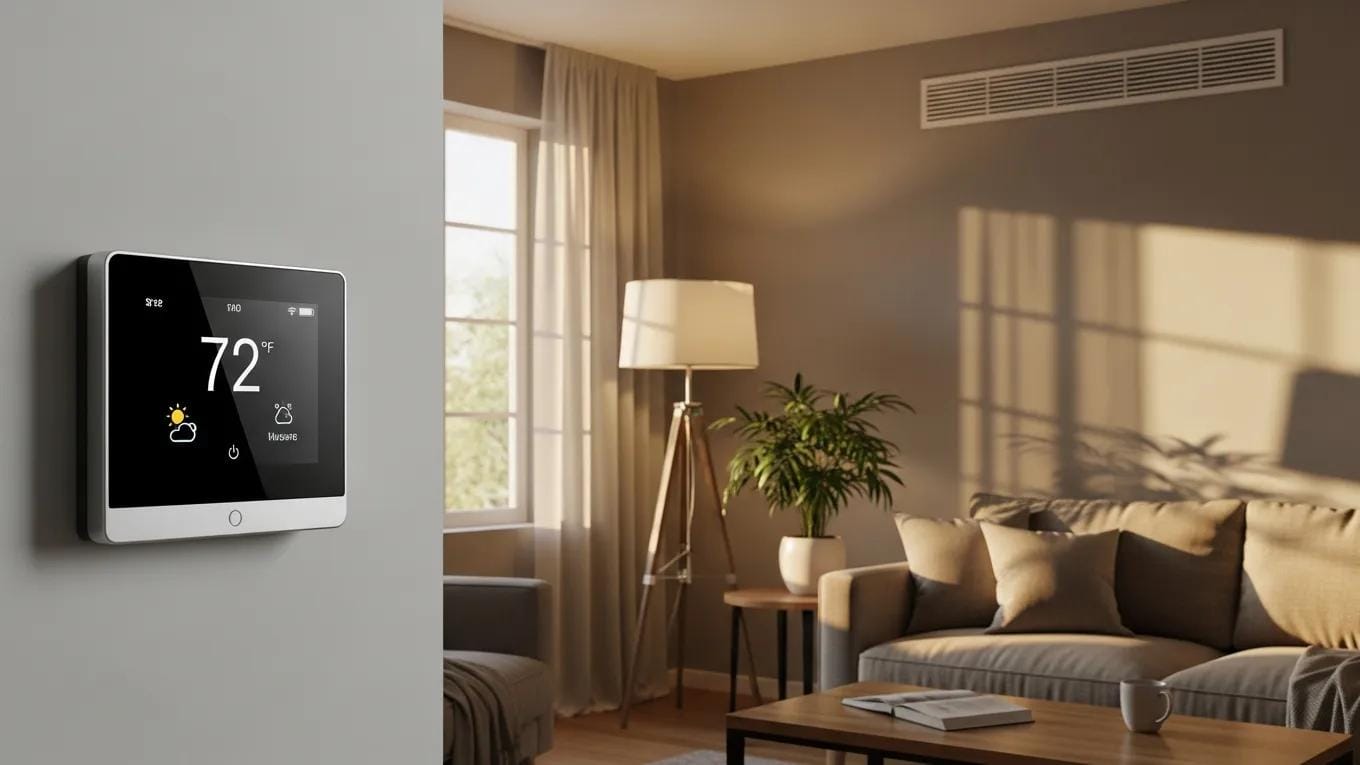
The future of furnace filters is closely connected to the broader growth of smart HVAC technology. Many newer heating and cooling systems are designed to work alongside smart thermostats, air quality sensors, and automated maintenance reminders.
This integration allows homeowners to take a more proactive approach to indoor air quality instead of reacting only when problems become noticeable. Rather than waiting for visible dust buildup or airflow issues, connected systems can identify changes early and recommend maintenance before performance declines.
As technology continues to improve, furnace filters are expected to become more efficient, easier to manage, and more responsive to changing indoor conditions.
For homeowners looking to improve comfort, energy efficiency, and indoor air quality, these newer filtration technologies offer practical benefits that go beyond basic air cleaning.
How To Maintain And Install Furnace Filters Correctly For Best Results
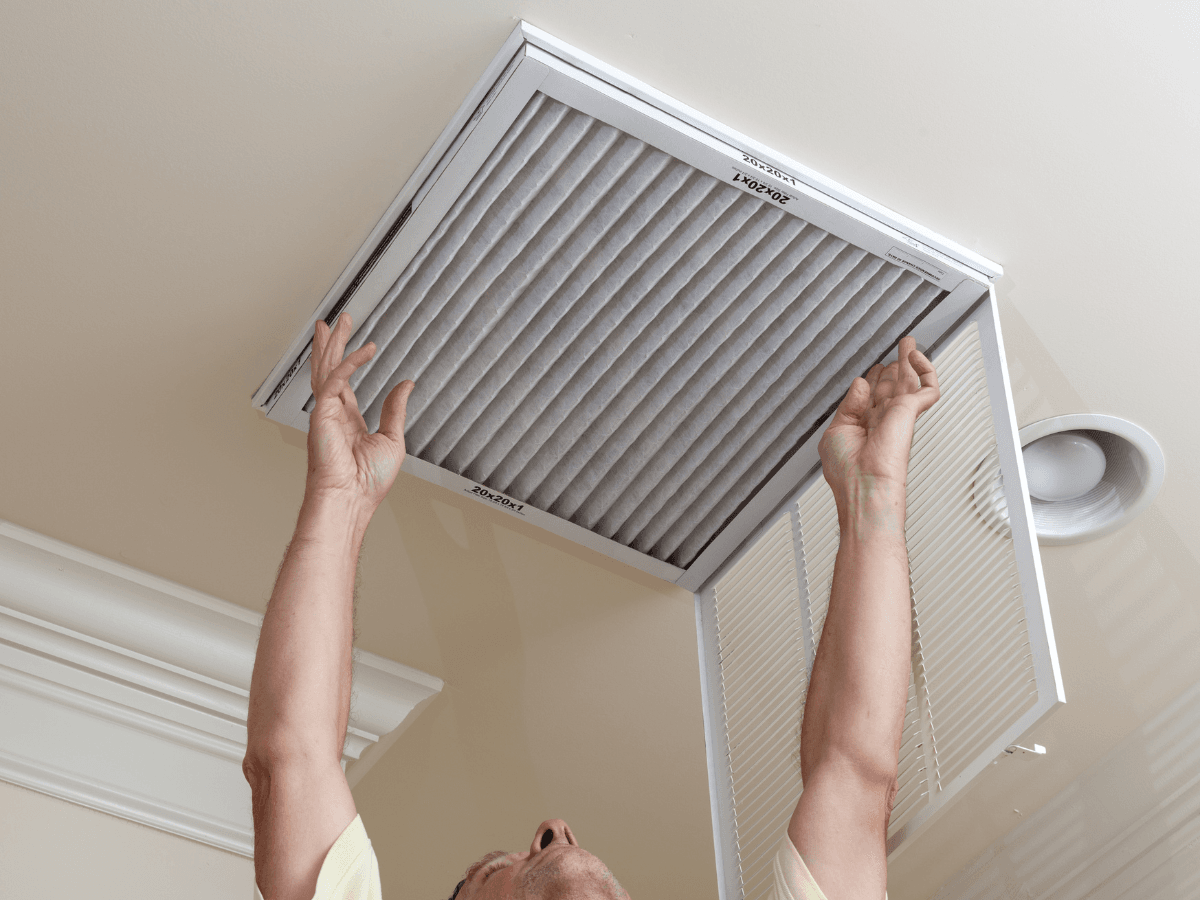
Proper installation and routine maintenance are essential if you want your HVAC system to run efficiently and your indoor air to stay clean.
Even high-quality furnace filters cannot perform properly if they are installed incorrectly or left unchanged for too long. Small mistakes, such as using the wrong size filter or placing it in the wrong direction, can reduce airflow and force your heating system to work harder than necessary.
Understanding how to care for furnace filters can help improve system performance, lower energy costs, and extend the lifespan of your HVAC equipment.
Why Proper Furnace Filter Installation Matters
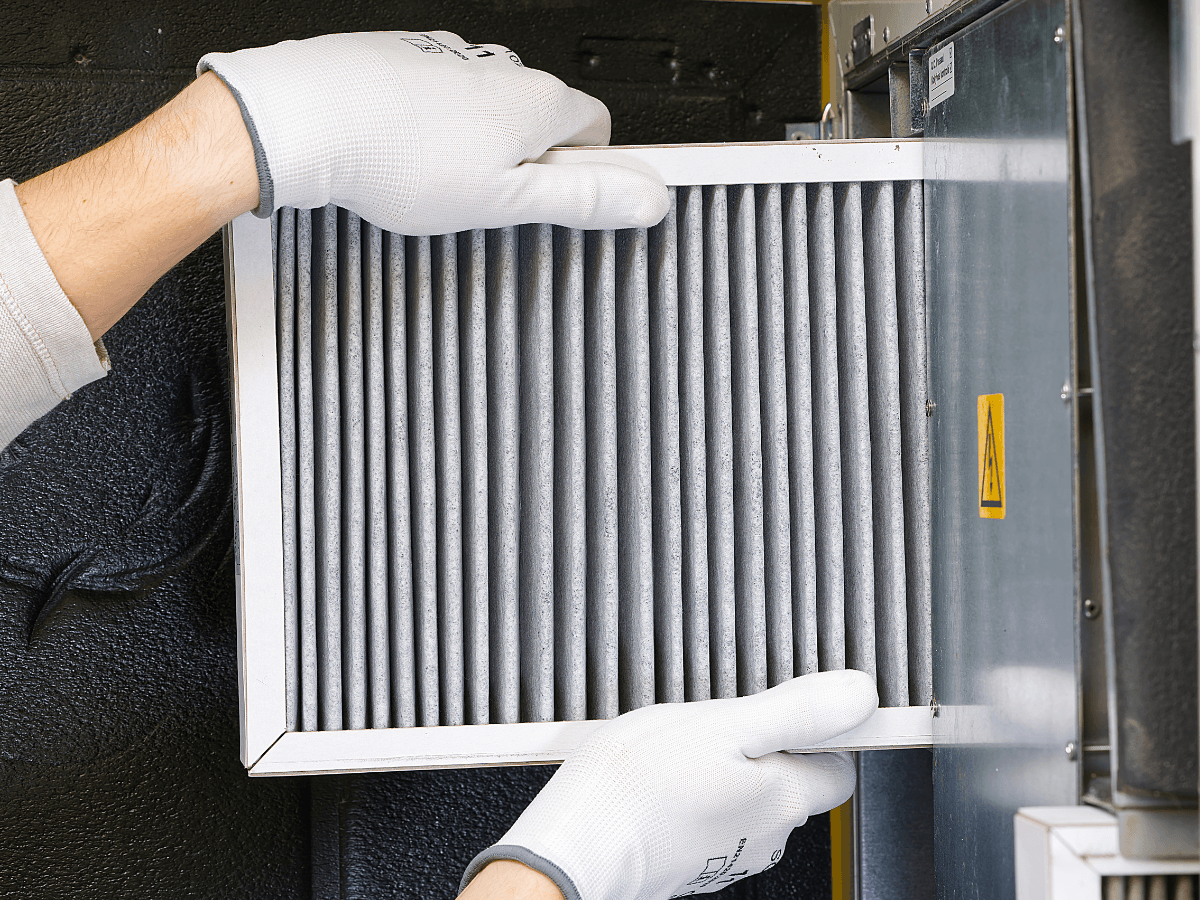
Installing furnace filters correctly is one of the simplest ways to protect your HVAC system. Every filter includes airflow arrows printed on the frame, and these arrows should point toward the furnace or air handler. This ensures that air moves through the filter the way it was designed to.
A filter installed backward may still catch some debris, but it can restrict airflow and reduce overall efficiency. Over time, this added strain can increase wear on HVAC components and make it more difficult for the system to maintain a comfortable indoor temperature.
Correct sizing is equally important. Furnace filters that are too small can leave gaps around the edges, allowing dust and airborne particles to bypass the filter completely. Oversized filters may bend or fit improperly, which can also affect airflow and filtration performance.
Before installing a new filter, homeowners should always check the dimensions printed on the existing filter or confirm the correct size in the HVAC system manual.
Step-By-Step Instructions For Installing Furnace Filters
Replacing furnace filters is usually a straightforward process, but taking a few extra moments to do it properly can make a noticeable difference in system performance.
Start by turning off the HVAC system to avoid pulling dust or debris into the unit during replacement. Remove the old filter carefully and inspect it for heavy dirt buildup, discoloration, or damage. This can also help you determine whether your current replacement schedule is working effectively.
Next, slide the new filter into place while making sure the airflow arrows point in the proper direction. Once the filter is secure, replace any access panels and turn the system back on.
After installation, listen for unusual sounds and check that airflow from vents feels consistent throughout the home. Properly installed furnace filters should support smooth airflow without causing strain on the system.
How Regular Maintenance Improves HVAC Efficiency
Routine maintenance plays a major role in how well furnace filters perform over time. Even the best filter will eventually become clogged with dust, pet hair, pollen, and other airborne particles. When buildup becomes excessive, airflow decreases, and the HVAC system has to work harder to circulate air.
Most standard furnace filters should be inspected monthly, especially during periods of heavy heating or cooling use. Homes with pets, smokers, or allergy sufferers may need more frequent filter changes due to higher indoor particle levels.
Keeping vents unobstructed is another important part of HVAC maintenance. Furniture, rugs, or curtains blocking air vents can reduce circulation and place unnecessary strain on the system. Consistent airflow helps furnace filters work more effectively and supports balanced indoor temperatures.
Regular ductwork inspections can also improve HVAC efficiency. Leaks, dust buildup, or blockages inside the ducts may reduce airflow and allow contaminants to circulate through the home. Addressing these issues early helps the entire system operate more efficiently.
Common Furnace Filter Mistakes To Avoid
One of the most common mistakes homeowners make is waiting too long to replace furnace filters. A clogged filter not only reduces indoor air quality but can also increase energy usage and shorten HVAC system lifespan.
Another issue is choosing a filter with a MERV rating that is too high for the system. While higher-rated furnace filters capture smaller particles, they may also restrict airflow if the HVAC system is not designed to handle them.
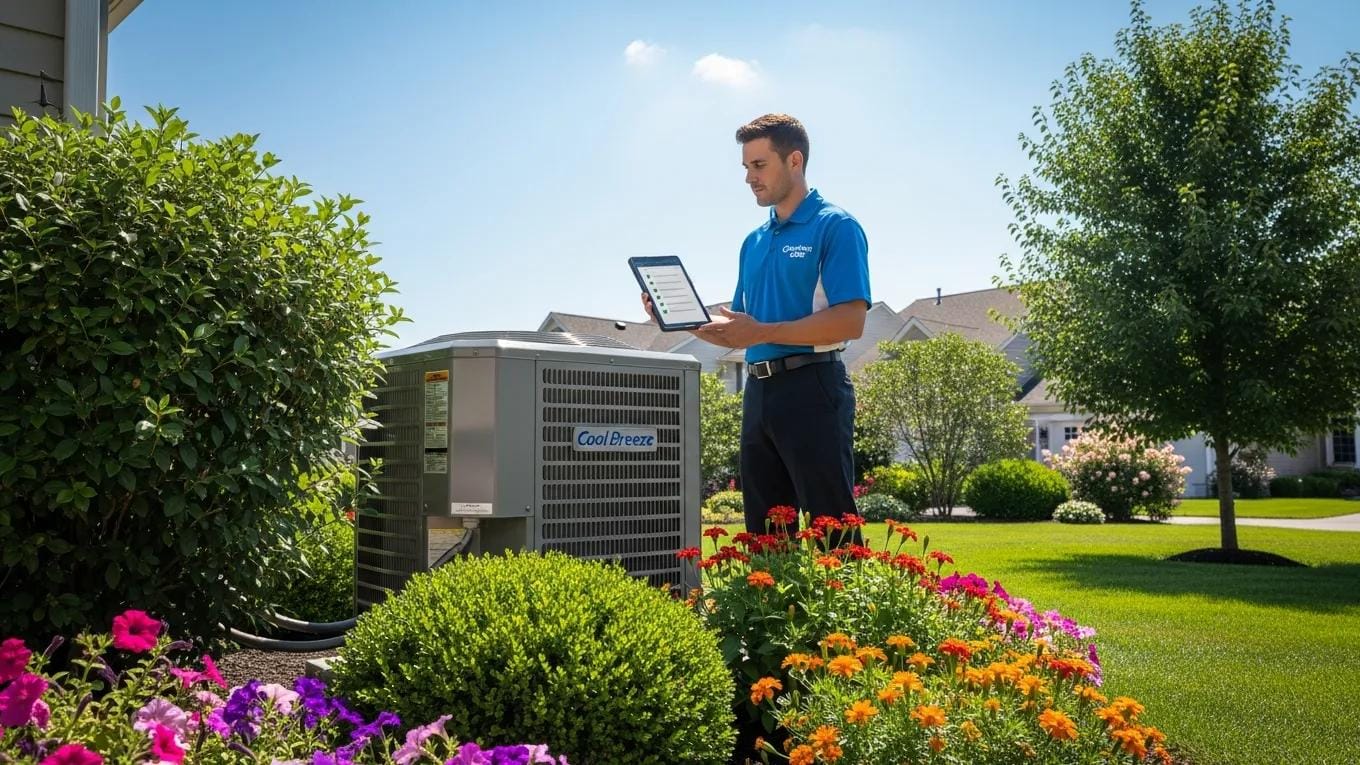
Skipping professional maintenance can also lead to long-term problems. While homeowners can manage routine filter replacement, annual HVAC inspections help identify hidden issues that may affect airflow, efficiency, or indoor air quality.
What Are Common FAQs About Choosing And Using Furnace Filters?
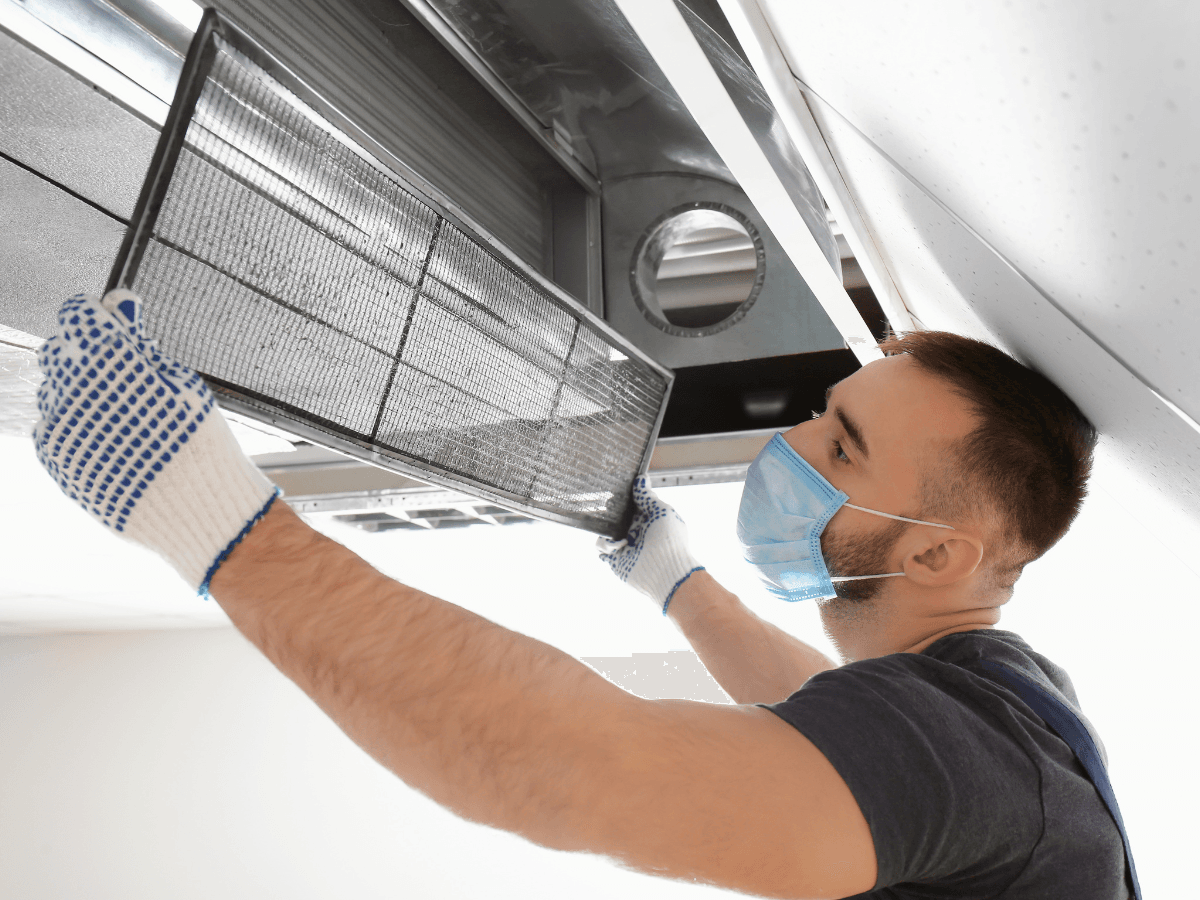
Choosing the right furnace filters can feel confusing, especially with so many filter types, sizes, and MERV ratings available. Many homeowners want better indoor air quality but are unsure how to balance filtration performance with proper HVAC airflow.
Understanding the most common questions about furnace filters can make the decision process much simpler and help you avoid issues that may affect system efficiency.
What MERV Rating Is Best For A Furnace Filter?
For most homes, a MERV rating between 8 and 12 offers the best balance between air filtration and HVAC performance. Filters within this range are effective at trapping common airborne particles such as dust, pollen, mold spores, and pet dander without significantly restricting airflow.
Lower-rated filters typically capture only larger particles, which may not provide enough filtration for households with allergies or pets. On the other hand, extremely high MERV ratings can sometimes create airflow resistance if the HVAC system is not designed to handle dense filtration materials.
Homeowners with asthma, allergies, or other respiratory concerns often benefit from filters in the MERV 11 to 13 range. These furnace filters capture smaller airborne particles more effectively and can noticeably improve indoor air quality when replaced regularly.
Before upgrading to a higher-rated filter, it is important to confirm that your HVAC system can support it. Some systems are designed for moderate filtration and may experience reduced efficiency if airflow becomes restricted.
How Often Should Furnace Filters Be Changed?
The ideal replacement schedule depends on several factors, including the type of filter, household size, indoor air quality conditions, and HVAC usage. In most homes, standard furnace filters should be replaced every one to three months.
Homes with pets, smokers, or ongoing renovation work often require more frequent filter changes because airborne debris builds up faster. During peak heating and cooling seasons, filters may also collect dust and particles more quickly due to increased system use.
Rather than relying only on a calendar reminder, homeowners should inspect their filters regularly. A visibly dirty filter, reduced airflow from vents, or an increase in indoor dust are all signs that replacement may be needed sooner than expected.
Some high-efficiency furnace filters are designed to last longer, sometimes up to six months. However, even long-life filters should still be checked monthly to ensure they are not becoming clogged.
What Are The Benefits Of High-Efficiency Furnace Filters?
High-efficiency furnace filters offer improved air cleaning capabilities by capturing smaller particles that lower-rated filters may miss. This includes fine dust, bacteria, pollen, pet dander, and other common allergens that circulate through the home.
For households focused on healthier indoor air, these filters can make a noticeable difference. Allergy sufferers often experience fewer symptoms when airborne irritants are consistently reduced throughout the home.
Another benefit is cleaner HVAC equipment. By trapping more debris before it enters the system, high-efficiency filters may help reduce dust buildup inside ductwork, blower components, and coils. Cleaner system components often support better energy efficiency and more consistent airflow over time.
However, selecting the highest-rated filter available is not always the best solution. Some HVAC systems are not built for extremely dense filtration media, which can strain the equipment if airflow becomes too restricted.
Choosing furnace filters that match both your air quality goals and your system specifications is essential for long-term performance.
How Do You Know Which Furnace Filter Is Right For Your Home?
The right filter depends on your household’s specific needs. A standard pleated filter may work well for general dust control, while homes with pets or allergy concerns may benefit from higher-efficiency options.
Climate, occupancy, and indoor activities also influence filter performance. For example, homes in areas with high pollen counts or wildfire smoke may need stronger filtration during certain seasons.
Ultimately, the best furnace filters are the ones that provide consistent airflow, improve indoor comfort, and fit your HVAC system correctly. Regular replacement and proper installation are just as important as the filter itself when it comes to maintaining clean air and efficient system performance.
Conclusion
Closing Paragraph
Choosing the right furnace filters plays an important role in maintaining healthy indoor air quality, improving HVAC efficiency, and helping your heating and cooling system last longer.
From selecting the proper MERV rating to replacing filters on a consistent schedule, small maintenance decisions can make a noticeable difference in your home’s comfort and energy performance.
If you need help choosing the right filter or maintaining your HVAC system, trust CoolPro Heating & Cooling for reliable service and expert guidance. Ready to keep your HVAC system running at its best? Call 770-694-6232 or submit a service request through our site form today.