The highest-rated HVAC filter on the shelf isn’t automatically the best choice for your home. A filter needs to capture airborne particles effectively without restricting the airflow your heating and cooling system depends on, making the right balance more important than simply choosing the highest MERV rating available.
Finding the best HVAC filters for your home means considering your system’s specifications, household needs, filter size, replacement schedule, and concerns such as dust, pet dander, or allergies. Different filter types and efficiency ratings can offer very different levels of filtration and airflow resistance.
Understanding those differences makes it easier to choose a filter that supports cleaner indoor air while helping your HVAC system operate efficiently. The right option should work with your equipment, not make it work harder.
Best HVAC Filters for Cleaner Air and Reliable Performance
What Do You Need to Know Before Choosing an HVAC Filter?
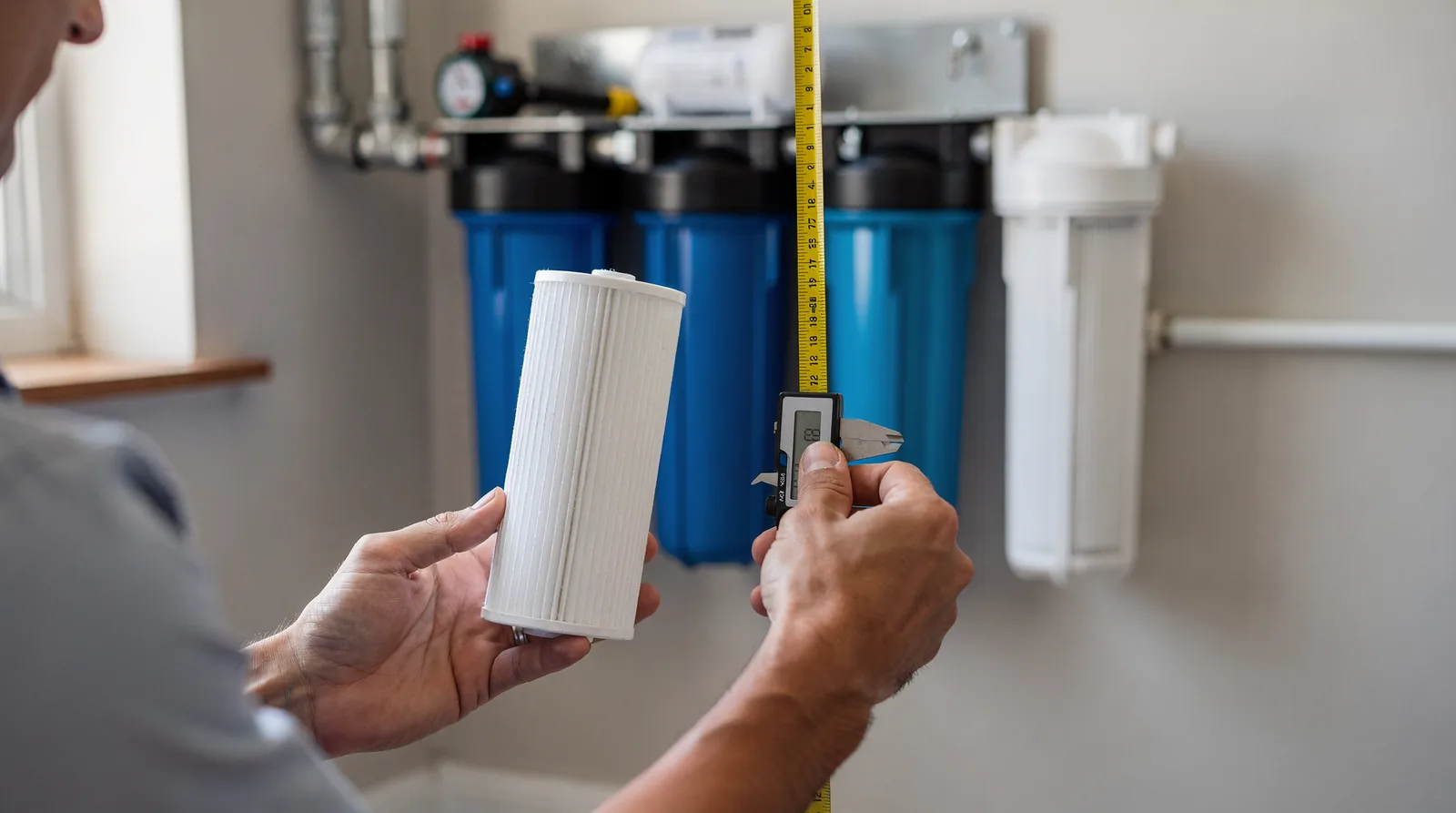
The best HVAC filters are not necessarily the ones with the highest filtration rating. The right choice has to fit the system correctly, allow adequate airflow, and provide enough particle capture for the household’s actual needs.
Buying a filter based only on price or MERV rating can lead to poor filtration, excessive resistance, or an improper fit.
Before comparing brands, gather four basic pieces of information: the filter dimensions, the filter location, the system’s recommended filtration range, and the household’s indoor-air-quality priorities.
Those details narrow the options quickly and make it easier to compare the best HVAC filters without choosing more filtration than the equipment can handle.
Start With the Exact Filter Size
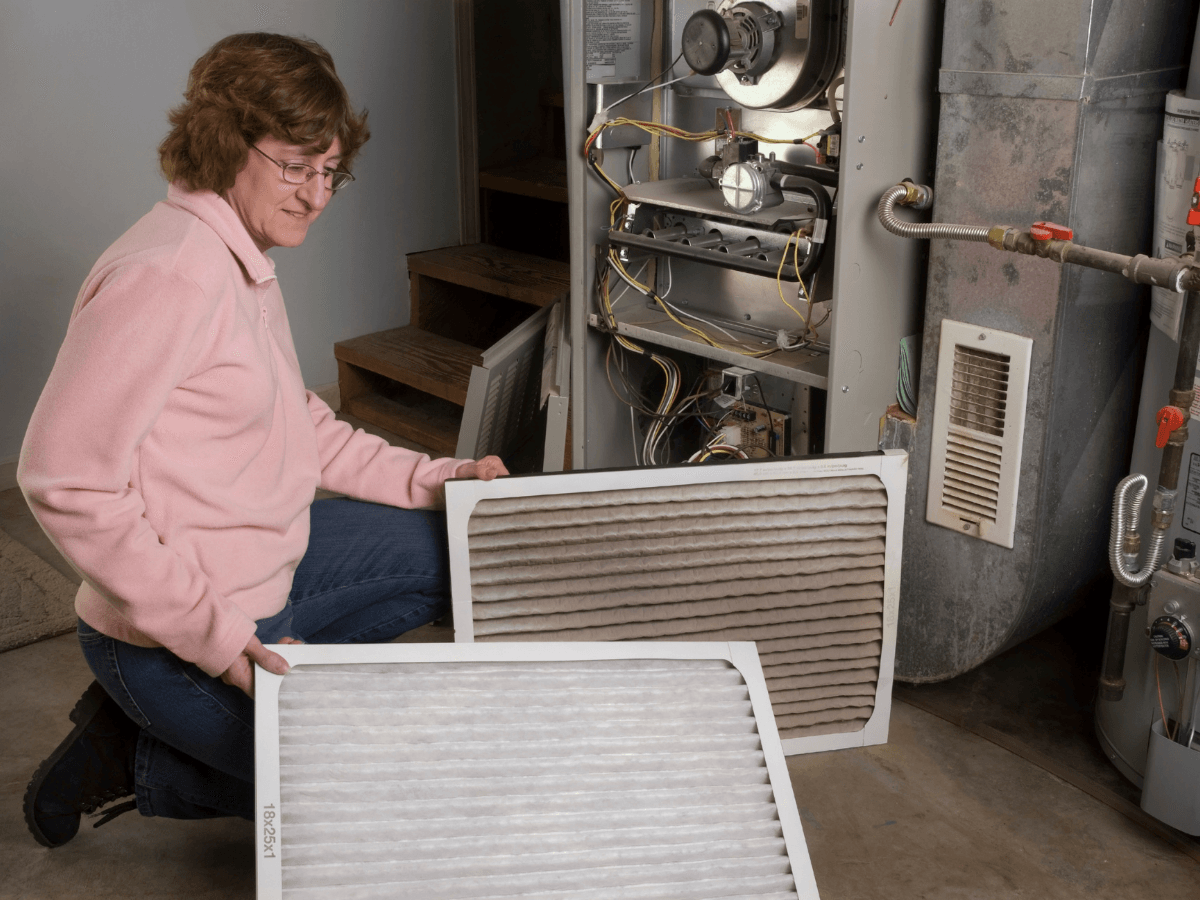
Filter size is the first thing to confirm because even a high-quality filter will not work properly if air can bypass it around the edges. Most disposable filters list nominal dimensions on the frame, such as 16 x 20 x 1 or 20 x 25 x 4.
Nominal dimensions are not always identical to the filter’s actual measurements, so check the existing filter and the slot if the fit seems unusually loose or tight.
Filter thickness and size both affect how easily air moves through the system, so choosing the right furnace filter starts with matching the filter to the existing cabinet and airflow requirements.
Thickness matters as much as length and width. A system designed for a one-inch filter should not automatically be fitted with a four-inch media filter unless the cabinet is designed for it.
Why Does MERV Rating Matter?
MERV, or Minimum Efficiency Reporting Value, describes how effectively a filter captures particles of different sizes. Higher ratings generally capture smaller particles, but they can also create more resistance to airflow depending on the filter design and the HVAC system.
That is why the highest MERV rating is not automatically the best choice. CoolPro notes that many residential systems use filters in the mid-range, while higher-efficiency options may be appropriate for households concerned about finer particles and allergens.
The system still needs to be able to move air effectively through the selected filter. A homeowner considering a much higher MERV rating than the current filter should check the equipment manual or ask a technician whether the blower and return-air system can handle the added resistance.
Does HVAC System Type Determine Which Filter You Need?
Not by itself. A furnace, central air conditioner, or heat pump may all use the same return-air filter if they share a forced-air duct system.
What matters more is where the filter sits in the airflow path, how much air the blower needs to move, the size of the return ductwork, and the pressure drop the system can tolerate. In many homes, the same filter serves both heating and cooling because the furnace or air handler and air conditioner share ductwork.
That distinction is important because homeowners sometimes assume a heat pump requires one type of filter and a furnace another. In practice, the correct filter is determined by the equipment configuration and manufacturer specifications rather than the heating method alone.
How Should Household Air-Quality Needs Affect Filter Choice?
Household conditions can justify stronger filtration, but they should be considered alongside system compatibility. Homes with pets, frequent dust, pollen exposure, smoke, or occupants who are especially sensitive to airborne particles may benefit from a more efficient filter.
Filters are only one part of indoor air quality, though. Ventilation, humidity control, cleaning, duct condition, and source control also affect what remains in the air.
Better indoor air quality also depends on ventilation, humidity control, HVAC maintenance, and reducing pollutant sources inside the home.
This broader view matters because installing a highly restrictive filter is not always the best solution to an indoor-air-quality concern.
Should You Choose a Disposable or Washable Filter?
Disposable filters are the most common choice because they come in a wide range of sizes and filtration levels. Once loaded with dust and debris, they are replaced rather than cleaned.
Washable filters can reduce replacement waste, but they require consistent cleaning and complete drying before being returned to service. Their filtration performance also varies by product, so they should not be chosen simply because they are reusable.
Homeowners comparing the best HVAC filters should consider maintenance habits as realistically as filtration performance. A sophisticated reusable filter that is rarely cleaned may perform worse in practice than a disposable filter that is replaced on schedule.
How Often Should the Filter Be Checked or Replaced?
There is no single replacement interval that works for every home. Filter thickness, system runtime, pets, household occupancy, dust levels, renovation work, and seasonal pollen can all affect how quickly a filter becomes loaded.
Checking the filter monthly is a practical starting point, especially during periods of heavy heating or cooling. Replace or clean it according to the manufacturer’s instructions and actual condition rather than relying only on the calendar.
A filter that becomes dirty unusually quickly may also reveal a larger issue, such as excessive dust, construction debris, return-air leakage, or a home with unusually high particle loads. In that situation, simply replacing filters more often may address the symptom without identifying the source.
The best HVAC filters strike a balance between particle capture and airflow. Confirm the correct dimensions first, then evaluate MERV rating, household needs, maintenance requirements, and system compatibility before deciding which filter belongs in the system.
What Filter Size and Type Fits Your HVAC System?
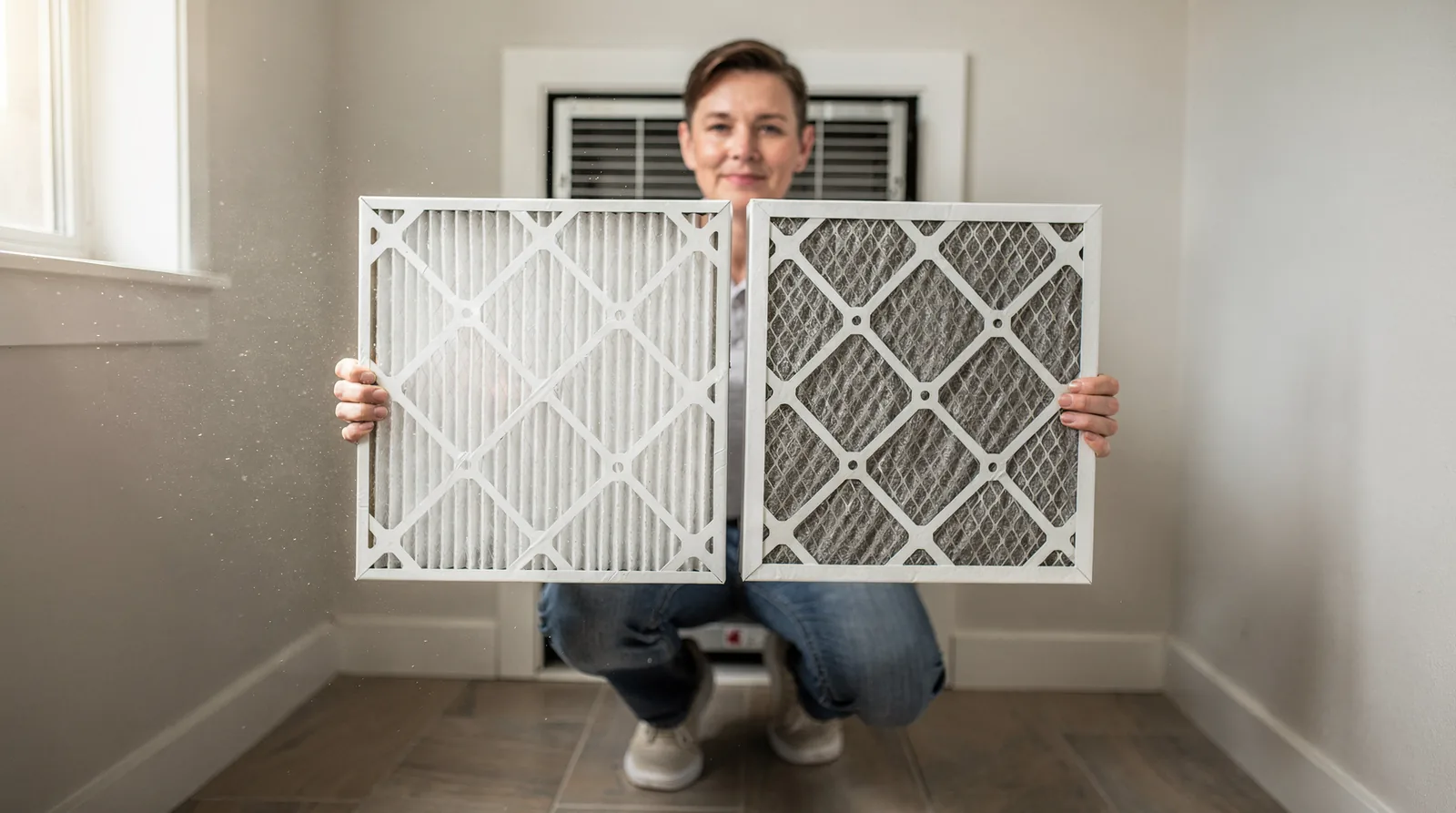
Finding the best HVAC filters starts with fit. A filter can have excellent particle-capture performance, but it will not work properly if it leaves gaps around the frame, bends inside the slot, or creates more airflow resistance than the system was designed to handle.
The most reliable starting point is the existing filter. Check the dimensions printed on the frame, note its thickness, and confirm how it sits in the filter rack or return grille. If the current filter fits poorly or the markings are missing, measure the opening instead of assuming a common replacement size will work.
How Do You Read HVAC Filter Dimensions?
Most disposable HVAC filters list three dimensions, usually in the order of length, width, and thickness. A label such as 16 x 25 x 1 refers to the filter’s nominal size, but the actual dimensions may be slightly smaller.
That distinction matters when replacing an unfamiliar filter. A product sold as 16 x 25 x 1 may not measure exactly 16 inches by 25 inches by 1 inch, so homeowners should compare the replacement with the existing filter or filter slot when fit is uncertain.
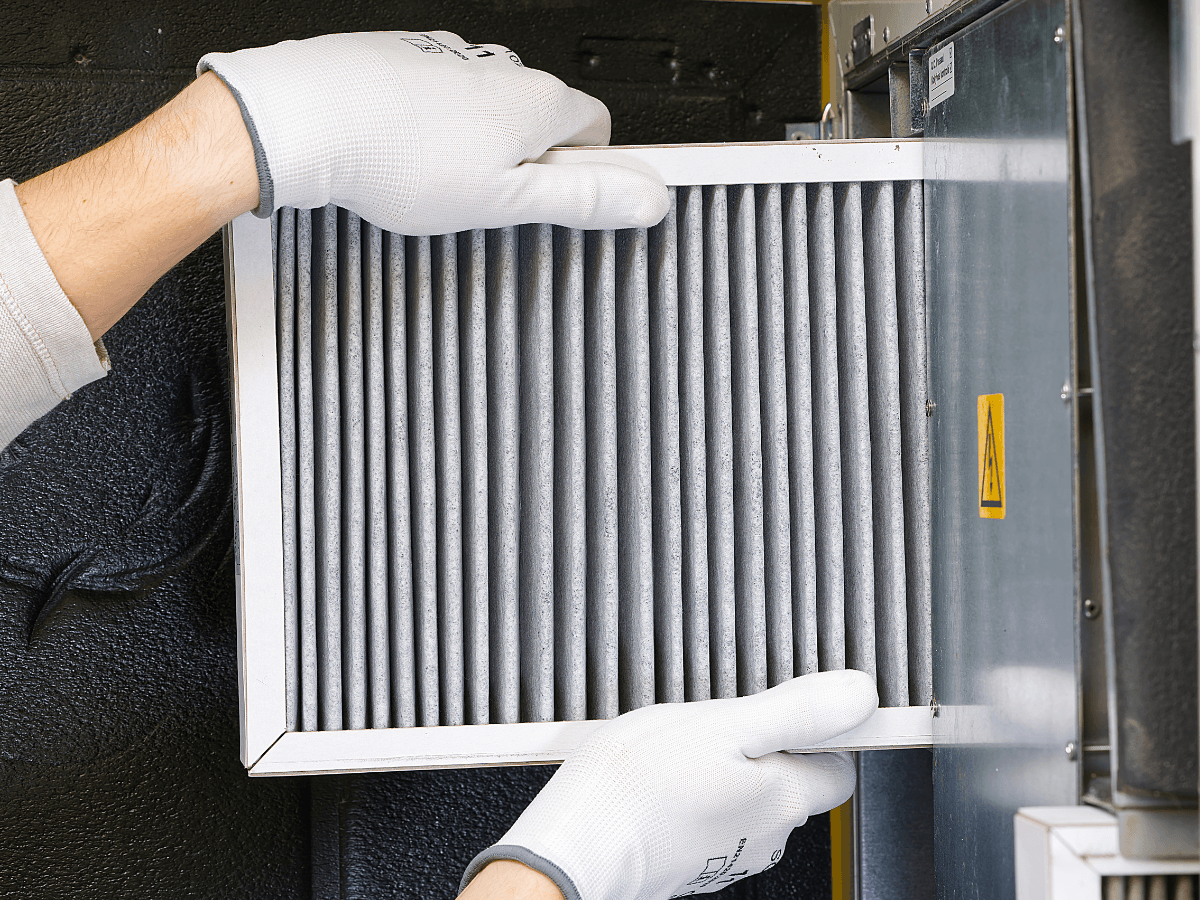
The new filter should slide into place without excessive force and sit securely enough that air cannot easily travel around the edges. An undersized filter can allow dust and debris to bypass the media, while an oversized filter may not seat correctly or may become distorted.
Does Filter Thickness Affect Performance?
Yes, but a thicker filter is not automatically interchangeable with a thinner one. One-inch filters are common in residential return grilles and filter racks, while some systems use deeper media cabinets designed for filters several inches thick.
Deeper filters can provide more surface area, which may allow greater particle capture without creating the same resistance as a very dense, thin filter. However, the HVAC system needs a cabinet specifically designed to accommodate that depth. A four-inch filter should never be forced into a slot built for a one-inch model.
Homeowners comparing the best HVAC filters should therefore treat thickness as part of the system design, not simply as an upgrade choice.
Which HVAC Filter Type Should You Choose?
Once the correct dimensions are known, filter construction becomes the next decision. Common residential options include fiberglass panel filters, pleated disposable filters, washable filters, and higher-efficiency media filters.
Fiberglass filters generally provide basic equipment protection and capture larger debris, while pleated filters offer more surface area and are available across a wider range of filtration efficiencies.
Washable filters can be reused but require regular cleaning and complete drying, while deeper media filters are designed for compatible filter cabinets and can provide greater filtration capacity.
The best option depends on the home’s air-quality priorities and the amount of resistance the HVAC system can tolerate. A filter should capture the particles that matter to the household without compromising the airflow required for normal heating and cooling.
How Can You Tell Whether a Filter Is Restricting Airflow?
Filter restriction is not always obvious from looking at the filter itself. Warning signs can include weak airflow from supply vents, longer heating or cooling cycles, unusual blower noise, or comfort problems that become more noticeable after switching to a denser filter.
Those symptoms do not prove the filter is responsible because duct restrictions, dirty coils, blower problems, and other HVAC issues can produce similar effects. A broader HVAC system analysis can evaluate airflow and overall equipment performance when the cause is unclear.
Airflow problems can also originate elsewhere in the duct system. Blocked or undersized ducts, leaking connections, sharp duct bends, or poorly balanced airflow can affect how much air reaches individual rooms, which is why air balancing may be useful when replacing the filter does not resolve comfort or airflow issues.
When Should a Technician Check the Filter Setup?
Most homeowners can replace a correctly sized filter without professional assistance. An inspection becomes more useful when the filter does not fit securely, the slot appears damaged, there is no obvious filter location, or the system develops airflow problems after a higher-efficiency filter is installed.
A technician can also determine whether the existing filter rack is allowing significant bypass around the filter or whether a different filtration setup would better match the blower and duct system. That is different from simply recommending the highest-rated filter available.
Professional evaluation is especially worthwhile when the current setup appears improvised, multiple return grilles use filters of different sizes, or the homeowner wants to move from a basic one-inch filter to a deeper media system.
Why Does Correct Filter Fit Matter Beyond Air Quality?
The filter protects more than the air occupants breathe. It also helps keep dust and debris from accumulating on components such as the blower and evaporator coil.
A poor fit can allow unfiltered air to travel around the filter, reducing that protection. A filter that creates excessive resistance can cause a different problem by reducing airflow through the equipment. Regular filter checks are therefore part of basic HVAC maintenance, not simply an indoor-air-quality task.
The best HVAC filters are the ones that fit the system correctly, provide an appropriate level of filtration, and allow the blower to move the air it was designed to handle. Confirm the dimensions and thickness first, then compare filtration efficiency and filter type within those limits.
How Do MERV and FPR Air Filter Ratings Work?
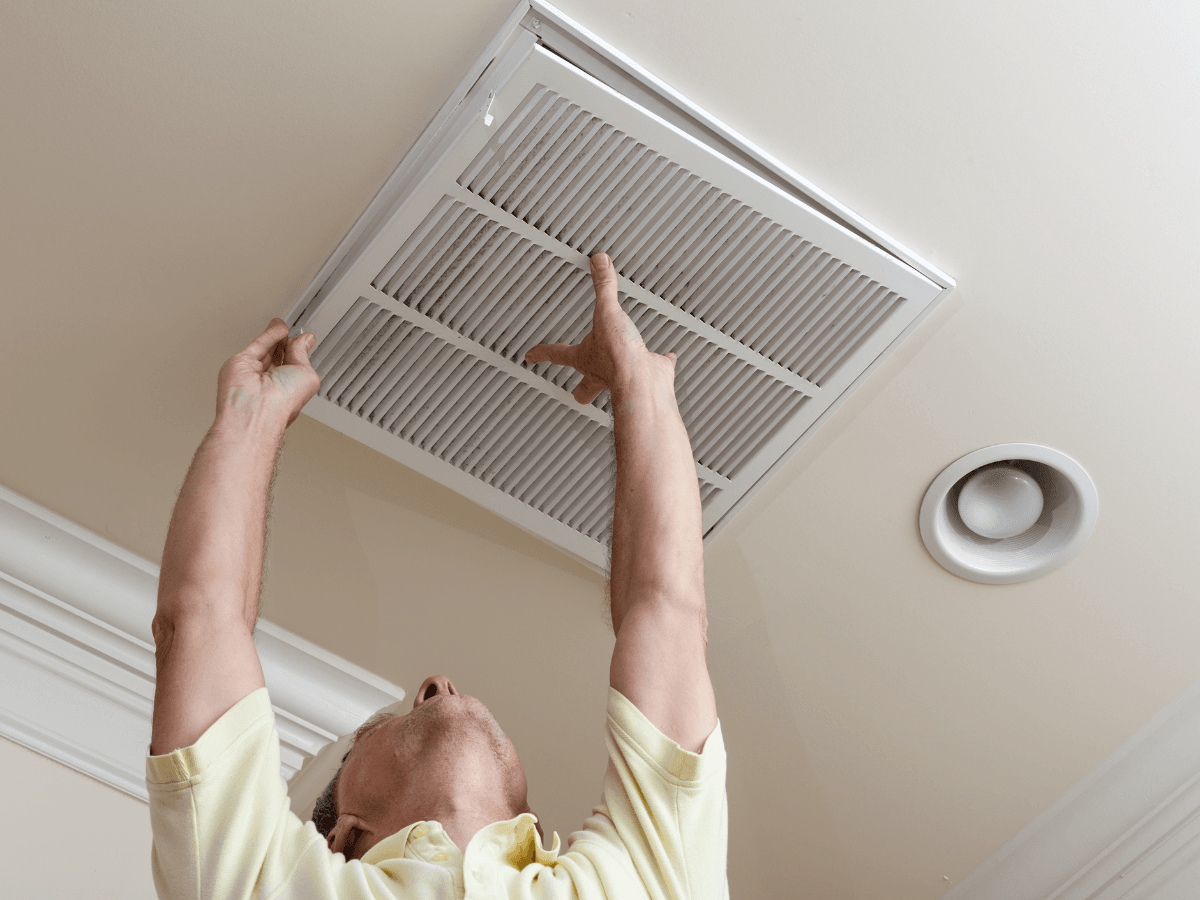
MERV and FPR both help homeowners compare HVAC filters, but they are not interchangeable rating systems. MERV is an industry-standard measure of particle filtration, while FPR is a proprietary system used by The Home Depot to organize filters sold in its stores.
Understanding the difference matters when comparing the best HVAC filters. A higher number generally indicates stronger particle capture within each system, but the rating alone does not tell you whether a filter is appropriate for your HVAC equipment.
Filter size, airflow resistance, construction, and system compatibility still need to be considered.
What Does a MERV Rating Measure?
MERV stands for Minimum Efficiency Reporting Value. The rating is based on ASHRAE Standard 52.2, which evaluates how effectively an air filter captures particles across several size ranges.
MERV ratings commonly run from 1 through 16 for general HVAC filtration. As the MERV number increases, the filter must meet progressively stronger particle-capture requirements. Lower-rated filters primarily capture larger debris, while higher-rated filters can capture a greater proportion of smaller airborne particles.
That does not mean homeowners should automatically choose the highest MERV rating available. Filters with greater efficiency can also create more resistance to airflow, depending on their construction.
If the HVAC system was not designed for that pressure drop, an unnecessarily restrictive filter may reduce airflow and affect comfort or equipment performance.
For residential use, the better approach is to choose the highest filtration level the system can accommodate while still maintaining proper airflow.
What Is an FPR Rating?
FPR stands for Filter Performance Rating. Unlike MERV, it is not an industry-wide standard. The Home Depot developed the system to compare the filters it sells based on their ability to capture both large and small airborne particles.
The calculation gives the greatest weight to large-particle capture, followed by small-particle capture, with a smaller portion based on how the filter gains weight as it collects debris over its service life. Home Depot groups many of its filters into four consumer-facing performance ranges: Good at FPR 4–5, Better at FPR 6–7, Best at FPR 8–9, and Premium at FPR 10.
Those labels make comparison easier within the store, but FPR should not be treated as a direct substitute for MERV. A numerical FPR value does not translate cleanly to the same numerical MERV value.
Can You Convert FPR Directly to MERV?
Not precisely. Conversion charts found online can provide rough comparisons, but the two rating systems use different testing and scoring methods.
For example, a filter marketed under a particular FPR category may also display a MERV rating on the packaging. That manufacturer-provided MERV value is more useful than trying to calculate an exact conversion yourself.
This distinction becomes important when the HVAC manufacturer specifies a recommended MERV range. In that situation, the MERV rating should be used to evaluate compatibility rather than assuming that a similarly numbered FPR rating means the same thing.
Does a Higher Rating Always Mean a Better HVAC Filter?
A higher filtration rating means stronger particle capture within that rating system. It does not automatically mean the filter is a better choice for every home.
The best HVAC filters balance filtration efficiency with airflow. A very efficient filter installed in a system that cannot accommodate its resistance may reduce airflow, while a low-efficiency filter may provide less particle capture than the household wants. Filter thickness and media design also matter because two filters with similar efficiency ratings can create different amounts of resistance.
Households with pets, significant pollen exposure, or greater concern about smaller airborne particles may reasonably prioritize higher filtration. Homes without those needs may be well served by a moderate-efficiency filter that provides reliable equipment protection and airflow.
Why Does Airflow Matter as Much as the Rating?
Air has to pass through the filter before filtration can occur. As a filter becomes loaded with dust and debris, resistance typically increases, which can reduce airflow if the filter is not replaced or cleaned when necessary.
That means even an appropriately selected filter can become a problem when neglected. Regular AC filter cleaning and maintenance helps reusable filters maintain airflow, while disposable filters should be replaced according to their condition and manufacturer guidance.
Weak airflow, longer operating cycles, uneven temperatures, or a noticeable change after installing a denser filter may signal that the filtration setup needs another look. Those symptoms can have other causes, but they should not be ignored simply because the filter carries a high performance rating.
Which Rating Should You Use When Comparing Filters?
Use MERV as the primary comparison when your HVAC manufacturer specifies a filtration range or when comparing products across different retailers and brands. Because MERV follows a standardized testing method, it provides a more consistent reference point.
FPR is still useful when comparing filters sold through Home Depot, especially when shoppers want a quick sense of relative filtration performance. The important point is to compare like with like rather than treating FPR and MERV as identical scales.
When choosing among the best HVAC filters, start with the correct size and the filtration range your system can support. Then use MERV, FPR, or another clearly identified rating to compare compatible products.
The number on the package should help narrow the decision, not replace the system requirements that determine whether the filter will actually work well in your home.
Frequently Asked Questions About HVAC Filters
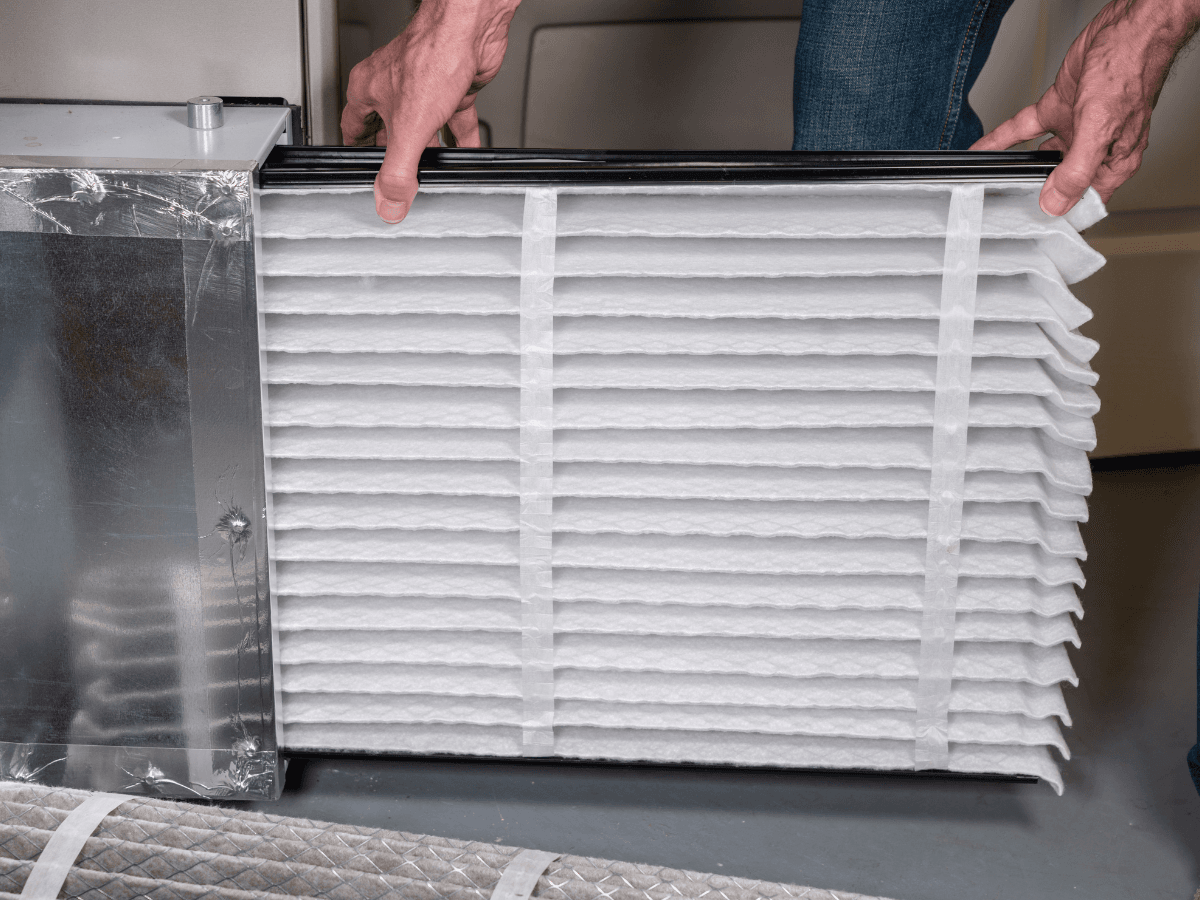
How Often Should You Replace Your HVAC Filter?
Check the filter about once a month, especially during periods of heavy heating or cooling. Many disposable filters need replacement somewhere within a one- to three-month window, but the actual schedule depends on filter type, system runtime, household dust levels, pets, renovation activity, and other conditions.
The filter’s condition is more useful than the calendar alone. If it looks heavily loaded with dust before the expected replacement date, change it sooner.
Homeowners who repeatedly find a dirty filter after only a few weeks may want to look at possible sources of excess dust rather than simply assuming frequent replacement is normal. Knowing how often to change an air filter can also help prevent a clogged filter from restricting airflow.
What Information Do You Need Before Buying a Filter?
Start with the exact filter dimensions and thickness, then check the filtration level your HVAC system is designed to accommodate. The existing filter usually lists its nominal size and MERV rating on the frame, although the equipment manual or filter cabinet may provide additional specifications.
Household needs matter after compatibility has been established. Pets, pollen exposure, smoke, and sensitivity to airborne particles may justify stronger filtration, but the best HVAC filters still need to maintain adequate airflow through the system.
A higher rating is not automatically an upgrade if the blower cannot comfortably move air through the denser media.
Can You Put Any MERV Rating in Your HVAC System?
No. Higher-MERV filters capture a greater proportion of smaller particles, but some also create more resistance to airflow. How much restriction the system can tolerate depends on the blower, return-air design, filter dimensions, and filter media.
Check the equipment manufacturer’s recommendations before making a large jump in filtration efficiency. If those specifications are unclear, an HVAC technician can evaluate the system rather than guessing based on the MERV number alone.
How Do You Know Whether an HVAC Filter Fits Correctly?
A properly sized filter should slide into its designated slot without being forced and should sit securely enough that air cannot easily bypass the edges. A filter that rattles around, leaves obvious gaps, bends during installation, or cannot slide fully into place may be the wrong size.
Pay attention to nominal versus actual dimensions as well. Two filters carrying the same common size label can have slightly different actual measurements, so comparing the replacement with the existing filter or measuring the filter slot can prevent fit problems.
When Should a Technician Check Your Filter Setup?
Professional help is useful when the correct size cannot be identified, the filter rack appears damaged, the existing filter leaves substantial gaps, or airflow changes noticeably after installing a different filter.
Weak airflow, unusually long operating cycles, or persistent comfort problems can have several causes, so the filter should not automatically be blamed.
A technician can check whether the filter size, efficiency, and pressure resistance suit the equipment while also looking for duct, blower, coil, or return-air problems. This is especially useful before moving from a basic one-inch filter to a deeper media cabinet or substantially higher-efficiency filtration.
What Are the Best HVAC Filters for Most Homes?
There is no single filter that is best for every HVAC system. The best HVAC filters combine the correct dimensions, an appropriate filtration rating, manageable airflow resistance, and a maintenance schedule the homeowner can realistically follow.
Rather than buying the filter with the highest MERV or FPR number, start with what the equipment can support. From there, choose the filtration level that best matches the home’s air-quality needs without sacrificing proper airflow.
Conclusion
Choosing the best HVAC filters for your home means balancing filtration performance with the airflow requirements of your heating and cooling system. Filter size, MERV rating, household allergens, pets, indoor air quality concerns, and replacement frequency can all influence which option makes the most sense.
Using a filter that is properly matched to your system can help capture airborne particles while supporting efficient HVAC operation and consistent comfort. For professional HVAC guidance, maintenance, and indoor air quality solutions, choose CoolPro Heating & Cooling.
If you’re unsure which filter is right for your system or your HVAC equipment needs professional attention, call 770-694-6232 to speak with the team at CoolPro Heating & Cooling or submit a Service Request today.