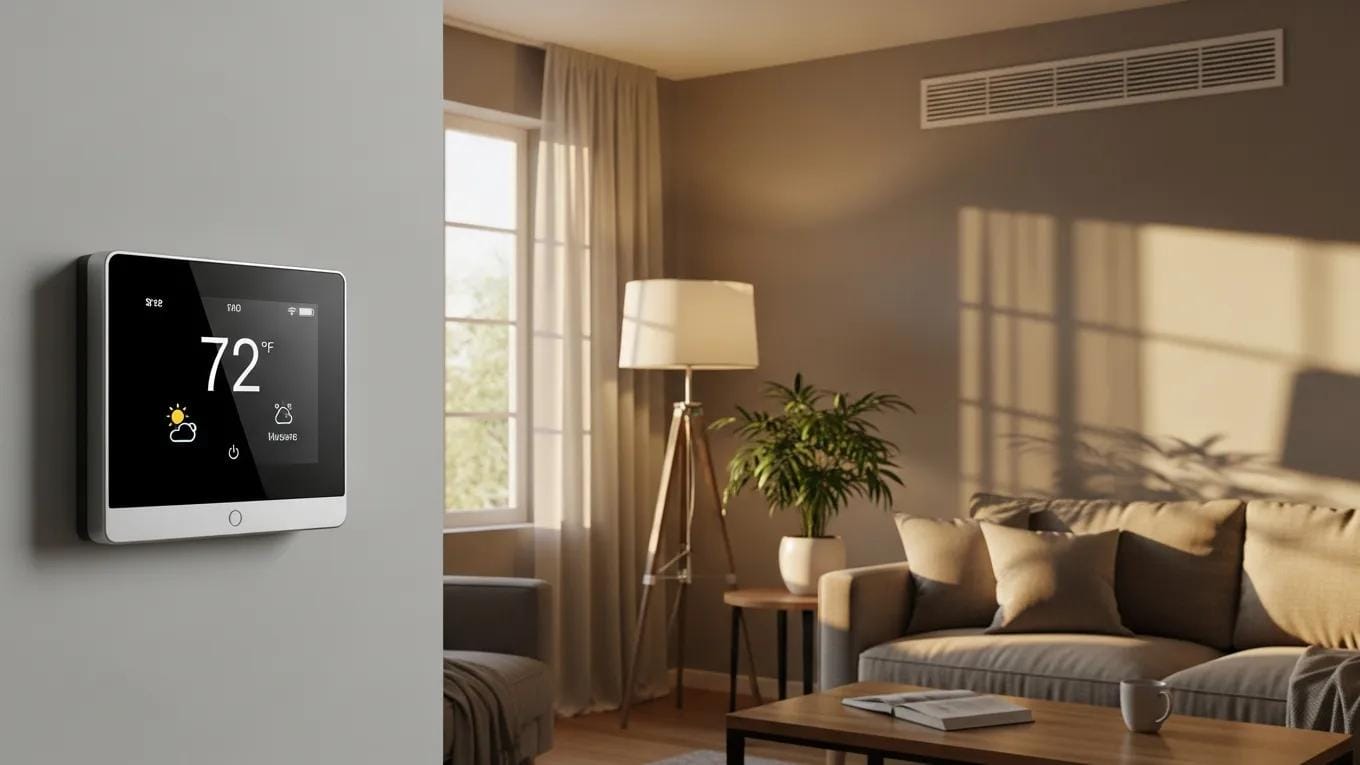
When Atlanta temperatures drop into the 20s, your furnace goes from occasional use to running for hours at a stretch. That sudden workload is when weak parts give out, which is why furnace repair calls spike during the first real cold snap of the season. A furnace that blows cold air, cycles on and off, or won’t start at all usually showed a warning sign or two first.
This guide covers the most common signs you need furnace repair in Atlanta, what you can safely check on your own, and how to decide between repairing and replacing your system so you can get your home warm again quickly.
Furnace Repair Essentials for Atlanta Homeowners
What Are the Signs Your Furnace Needs Repair?
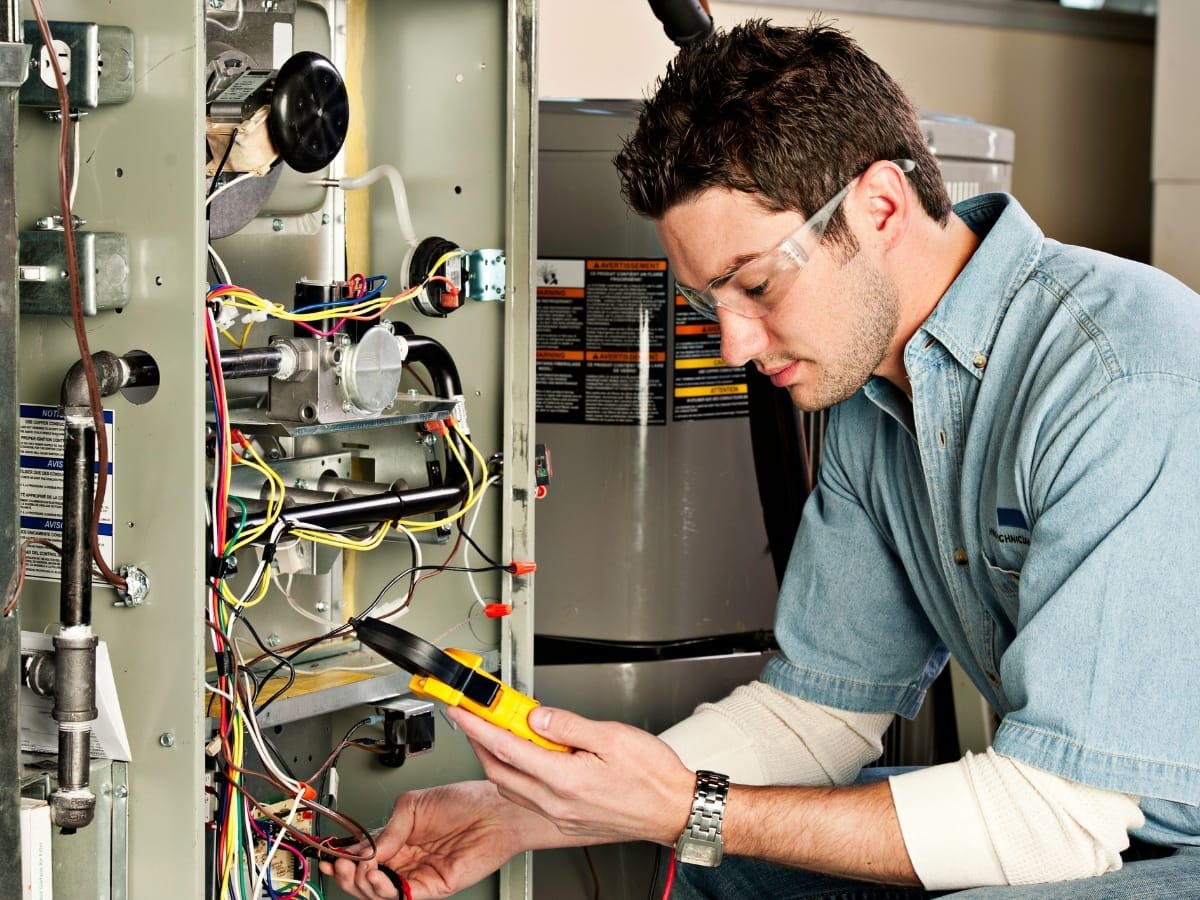
The most common signs you need furnace repair are cold air from the vents, a furnace that turns on and off every few minutes, uneven heating, new noises or smells, a sudden jump in your heating bill, and a yellow burner flame. Catching these early can mean a smaller repair bill and fewer nights in a cold house. If you notice any of the following, it’s time to have a technician take a look.
- Cold or lukewarm air coming from the vents while the system is running
- The furnace turning on and off every few minutes (short cycling)
- Some rooms staying warm while others never heat up
- Banging, squealing, grinding, or rattling noises
- A burning smell that lingers well past the first hour of the season
- A heating bill that jumps without a change in how you use your system
- A yellow or flickering burner flame instead of a steady blue one
Why Is My Furnace Blowing Cold Air?
Cold air from the vents is one of the most common complaints during a cold snap. Before assuming the worst, check that your thermostat is set to Heat and the fan is set to Auto rather than On. When the fan is set to On, it runs continuously and pushes room-temperature air between heating cycles.
If the settings are correct, the cause is often a dirty flame sensor, a failing igniter, or a problem with the gas supply. A flame sensor that can’t detect the burner flame shuts the gas off for safety, which leaves the blower moving unheated air. If you have an older furnace with a standing pilot, our guide to fixing a pilot light that won’t stay lit covers that issue in more detail.
Why Does My Furnace Keep Turning On and Off?
Short cycling happens when the furnace starts, runs briefly, and shuts down before your home reaches the set temperature. A clogged air filter is a frequent cause because restricted airflow lets the furnace overheat and trip its safety limit switch. A malfunctioning thermostat, poor thermostat placement, or a furnace that is too large for the home can also cause it.
Short cycling wears out parts faster and raises energy costs, so it’s worth addressing quickly. If you suspect the thermostat, start with these common thermostat problems and fixes.
What Do Strange Furnace Noises and Smells Mean?
A light dusty smell the first time you turn on the heat each season is normal. It’s dust burning off inside the furnace and should fade within an hour. A burning plastic or electrical smell that sticks around is different and means you should shut the system off and call for service.
Noises tell you a lot, too. Squealing often points to a blower belt or motor bearing, grinding can mean a failing motor, and a loud bang at startup can signal delayed ignition. None of these should be ignored, especially with a gas furnace.
Why Do Furnaces Break Down During Atlanta Cold Snaps?
Furnaces most often break down during cold snaps because they go from light use to running almost nonstop. Atlanta’s mild winters mean many systems sit idle for weeks, then work overtime when a cold front moves through. Parts that were borderline in November often give out on the coldest night of the year, which is also when HVAC companies are busiest.
What Are the Most Common Furnace Repairs in Winter?
- Dirty or failing flame sensor: The burner lights, then shuts off after a few seconds.
- Worn hot surface igniter: The furnace tries to start but never lights.
- Faulty pressure switch or inducer motor: The system won’t move past its startup sequence.
- Failing blower motor or capacitor: Airflow is weak, or the blower doesn’t run at all.
- Tripped limit switch: Usually caused by restricted airflow from a dirty filter or closed vents.
Many of these are straightforward repairs for a trained technician, but they involve gas and electrical components that homeowners shouldn’t try to service on their own.
What Should Atlanta Homeowners Check Before Calling for Furnace Repair?
Before calling for furnace repair, check your thermostat settings, air filter, breaker, vents, and outdoor vent pipe. These quick checks take about 10 minutes, don’t require any tools, and can sometimes get your heat back on without a service call.
- Check the thermostat. Make sure it’s set to Heat, set a few degrees above the current room temperature, and has fresh batteries if it uses them.
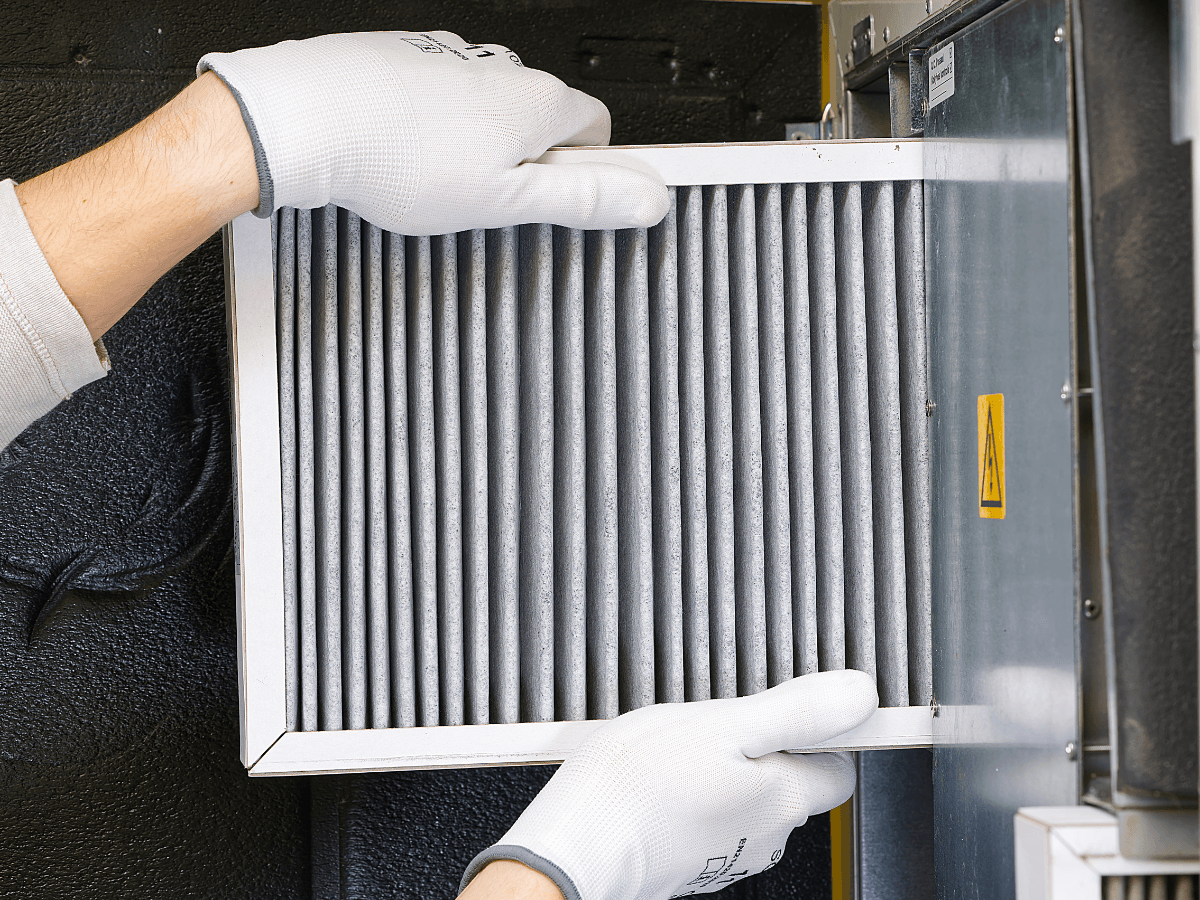
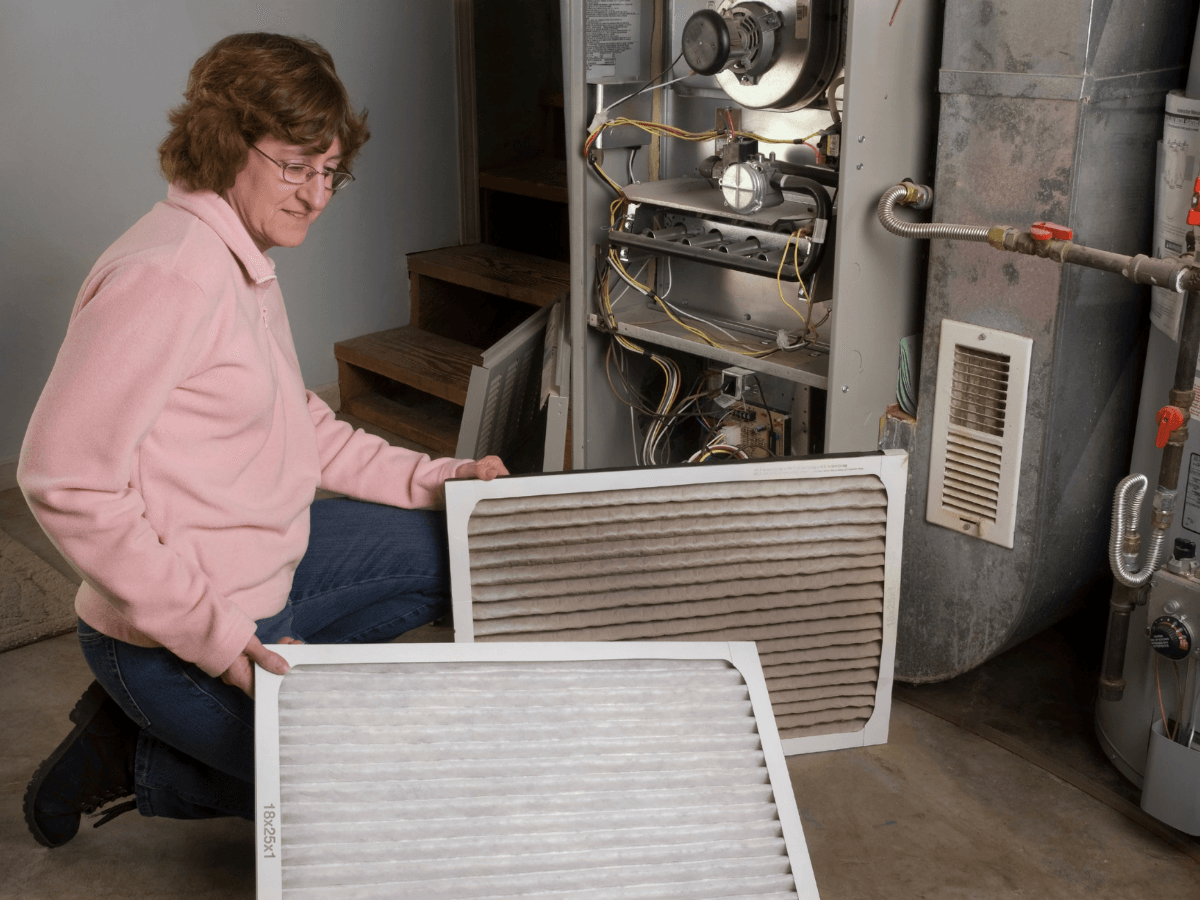
- Replace the air filter. If you can’t see light through it, it’s restricting airflow. Our guide to choosing the right furnace filters can help you pick a replacement.
- Check the breaker and furnace switch. Look for a tripped breaker in your electrical panel, and make sure the power switch near the furnace, which looks like a regular light switch, is on.
- Open vents and clear returns. Closed supply vents and blocked return grilles restrict airflow and can cause the furnace to shut down.
- Inspect the outdoor vent pipe. High-efficiency furnaces vent through PVC pipes on the side of the home. Leaves, debris, or ice can block them and stop the furnace from running.
If your furnace still won’t heat after these checks, it’s time to call a professional. Avoid removing panels or attempting repairs on gas valves, igniters, or wiring.
When Is a Furnace Problem an Emergency?
If you smell gas, leave your home immediately and call your gas utility or 911 from outside. Don’t flip light switches or use anything that could create a spark. If your carbon monoxide alarm goes off, get everyone outside and call 911.
Carbon monoxide has no smell, so working detectors near sleeping areas and on every level of your home are essential. Learn more about preventing carbon monoxide leaks from your HVAC system.
Should You Repair or Replace Your Furnace?
A repair is usually the right choice when your furnace is relatively young and the problem is limited to a single part. Replacement starts to make more sense as the system ages and repairs become more frequent or more expensive. The U.S. Department of Energy’s guide to furnaces and boilers is a helpful resource on efficiency ratings if you’re considering an upgrade.
How Long Does a Furnace Last?
Most gas furnaces last 15 to 20 years with regular maintenance. Consider furnace replacement if:
- Your furnace is more than 15 years old and needs a major repair
- The repair would cost more than half the price of a new system
- You’ve needed multiple repairs over the last two winters
- Your heating bills keep rising even after repairs
- A technician finds a cracked heat exchanger
If you’re weighing your options, these signs a new HVAC system may be needed can help you decide. A good technician will walk you through both choices with clear pricing so you can make the call that fits your home and budget.
How Can Regular Maintenance Prevent Furnace Breakdowns?
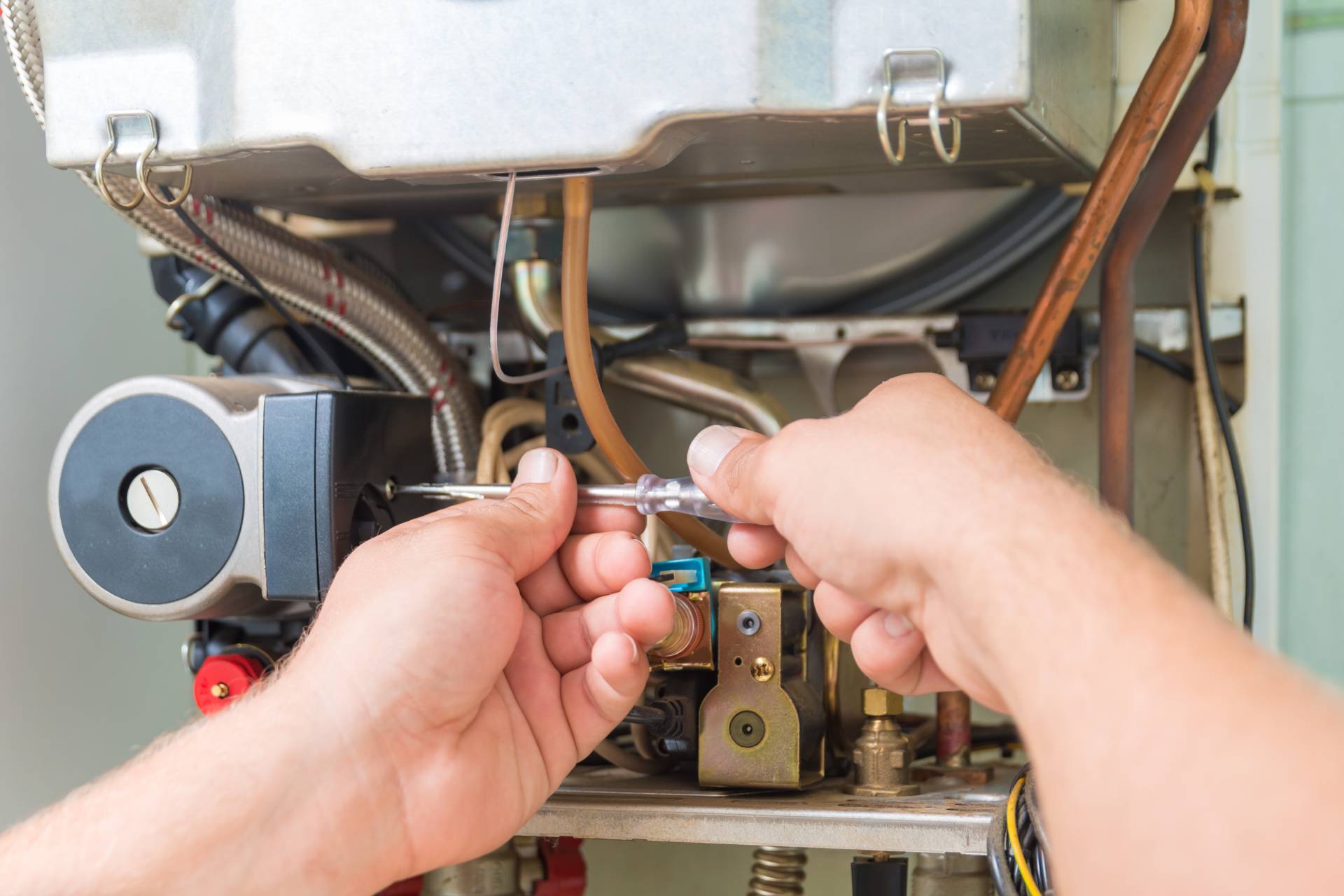
Annual maintenance is the most effective way to prevent furnace breakdowns. An annual furnace tune-up lets a technician clean the burners and flame sensor, test the igniter and safety controls, check airflow, and inspect the heat exchanger and venting. That visit catches worn parts while they’re still an easy fix instead of an emergency on a 20-degree night.
Regular maintenance also helps your furnace run more efficiently, which keeps heating costs in check during Atlanta’s coldest weeks. It’s a safety step, too: the CDC recommends having your heating system serviced by a qualified technician every year to help prevent carbon monoxide poisoning.
Furnace Repair FAQs
Why is my furnace blowing cold air?
The most common causes are a thermostat fan set to On instead of Auto, a dirty flame sensor, a failing igniter, or a gas supply problem. Check the thermostat first. If the settings are correct and the air is still cold, call a technician.
Why does my furnace keep turning on and off?
Frequent on-off cycling, called short cycling, is usually caused by a clogged air filter, a faulty thermostat, or a furnace that is too large for the home. It wears out parts faster and raises energy costs, so have it checked soon.
Is it normal for my furnace to smell when I turn it on?
A light dusty smell is normal for the first hour of the heating season. A burning plastic or electrical smell that lingers is not. If you smell gas, leave your home and call your gas utility or 911 from outside.
How often should I change my furnace filter?
Most homes should change the furnace filter every 1 to 3 months during heating season. Homes with pets, allergies, or heavy use may need to change it more often.
How long does a furnace last?
Most gas furnaces last 15 to 20 years with regular maintenance. If your furnace is over 15 years old and needs a major repair, it may be time to compare repair and replacement costs.
How often should a furnace be serviced?
A furnace should be professionally serviced once a year, ideally in the fall before heavy use. Annual service helps prevent breakdowns, improves efficiency, and confirms the system is venting safely.
Who provides furnace repair in Atlanta and Marietta?
CoolPro Heating & Cooling is a family-owned HVAC company based in Marietta, GA, that provides furnace repair, tune-ups, and replacement for homes and businesses across Atlanta and Cobb County. Call 770-694-6232 or fill out the form on our site to schedule service.
Conclusion
A furnace that’s blowing cold air, cycling constantly, or making new noises is telling you something, and a cold snap is the worst time to ignore it. Start with the simple checks, stay alert to safety warning signs, and call a professional when the problem goes beyond a filter or thermostat. For reliable furnace repair in Atlanta, Marietta, and across Cobb County, trust the heating and cooling experts at CoolPro Heating & Cooling. Fill out our site form or call 770-694-6232 today to schedule service and get your home warm again.