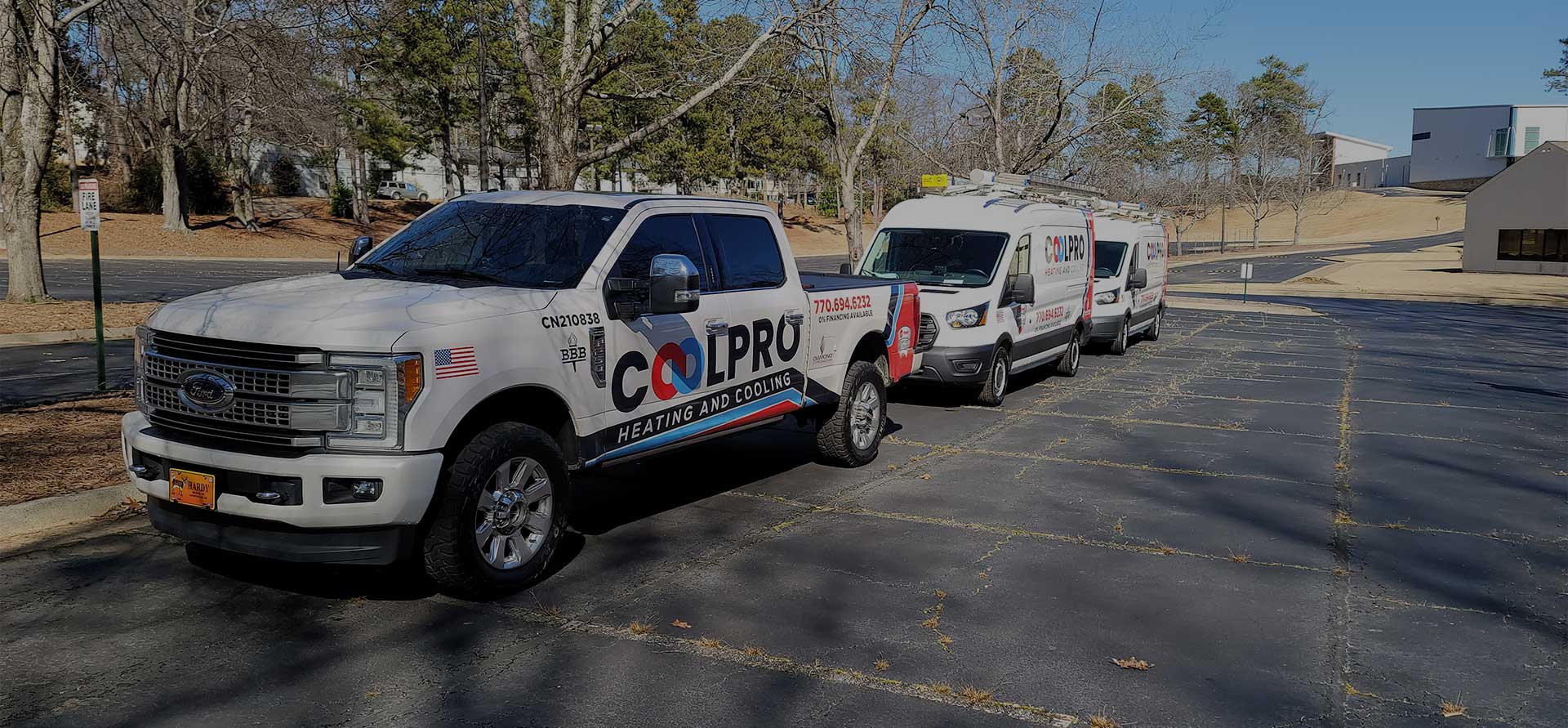
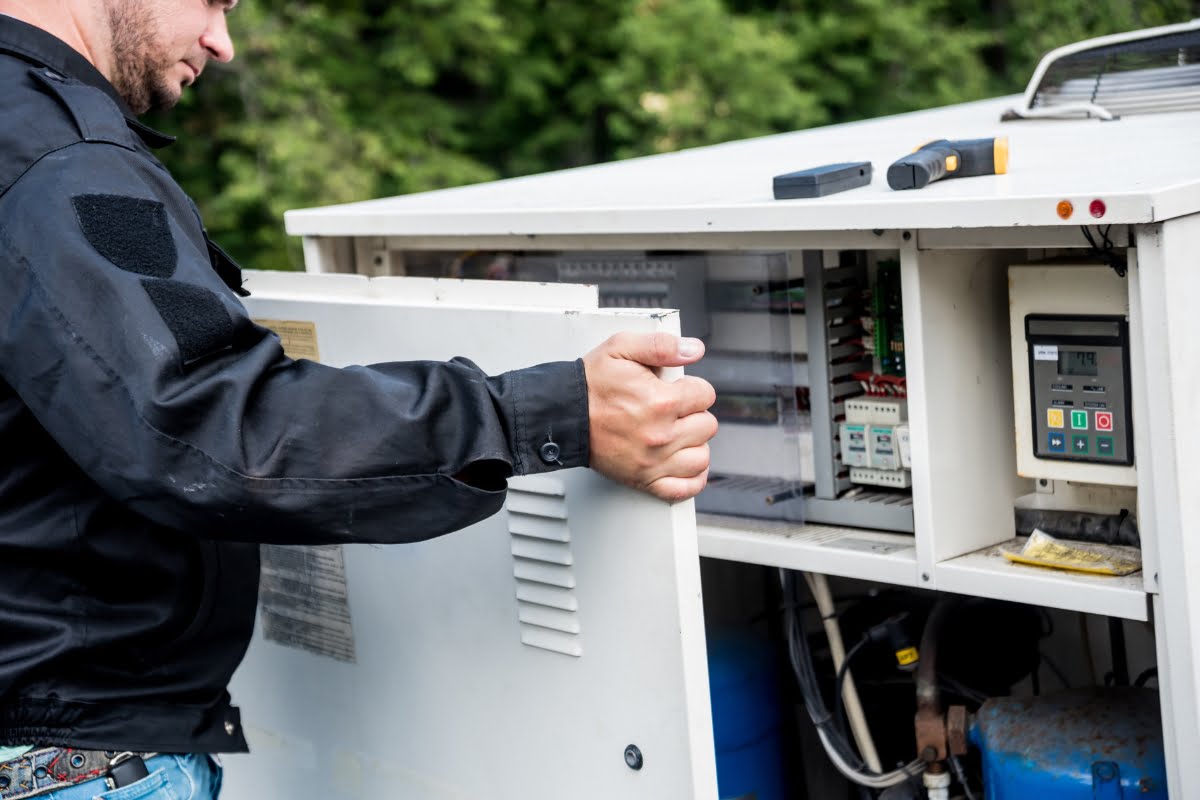
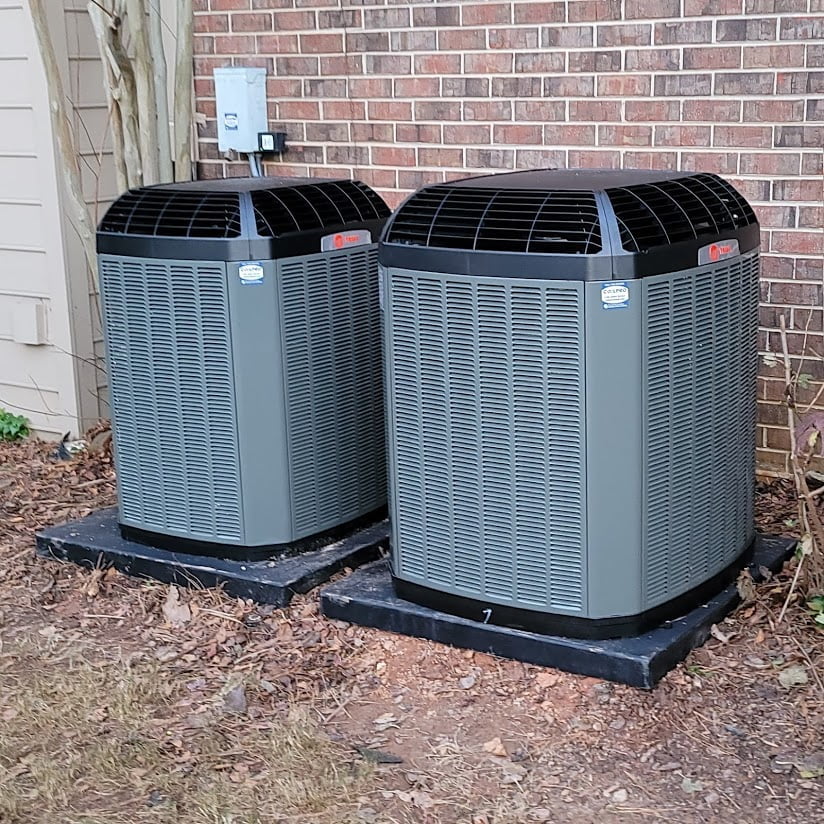
With our expert solutions tailored to your needs, efficient service and sophisticated technology, we ensure your home’s heating and cooling is always at its best.
We had an issue in our office and we had someone at our door within an hour. I have and will continue to refer these guys to everyone. Price was more than fare. Very honest.
Vincent Bubolo
“So Happy I Found Them”
These guys were helpful, knowledgeable, friendly, and most of all didn’t try to overcharge me. I’ve had multiple people look at the unit previously and they had no idea how to fix it. These guys were awesome and I’m so happy I found them.
Lora Alsher
“Best Value”
Great job!! Honest people and the best price! Best value of all the bids I got. I highly recommend them.
Kevin Denton
“Top-Notch Quality”
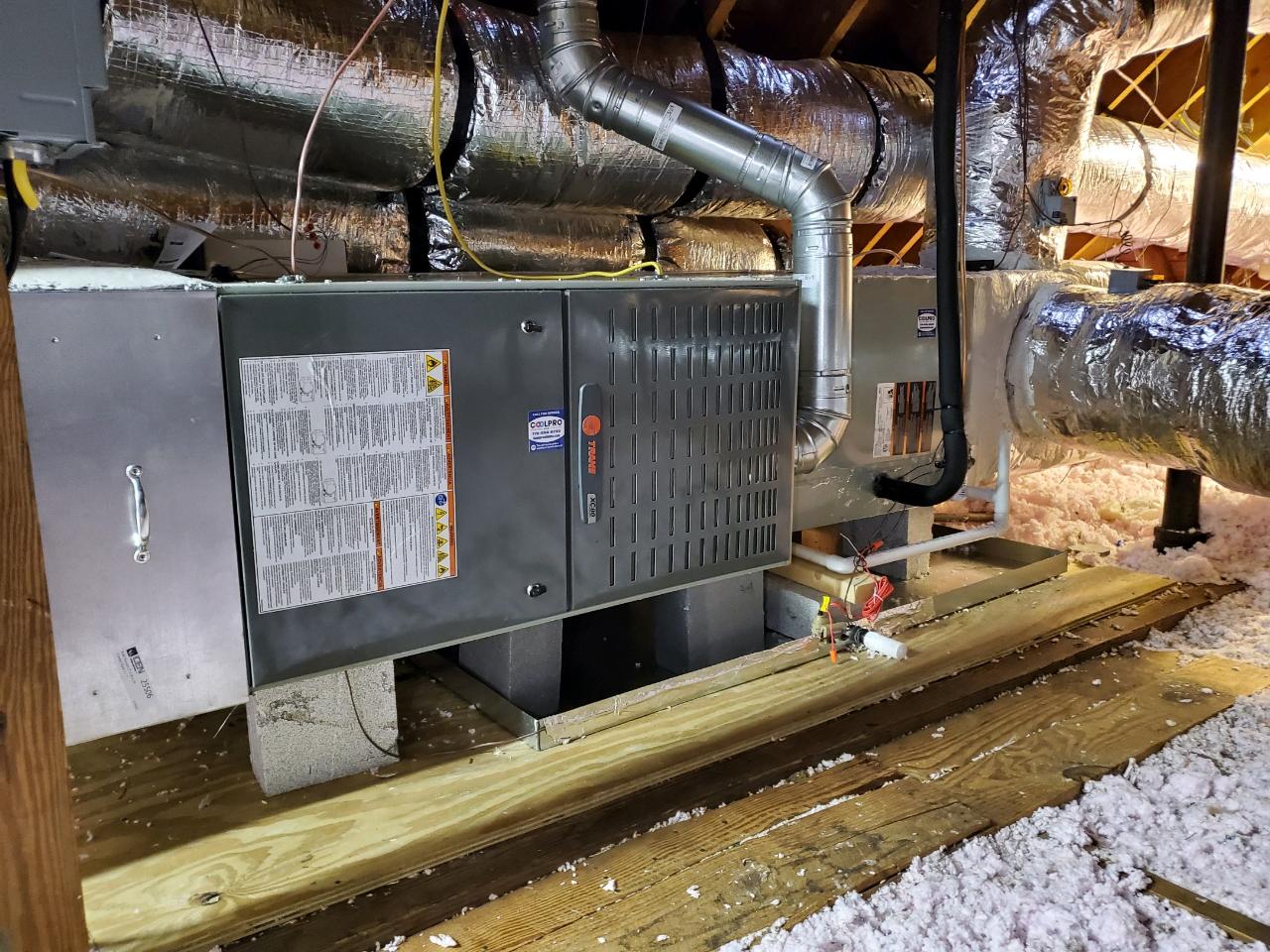
Lee and the whole team from Coolpro did an excellent job installing our new systems. They were very professional and knowledgeable about the units. The install is top notch quality. They covered all of the floors and cleaned up well after. We had a tight space to work with in the attic, but they still got everything in and out and new equipment installed in a day. Highly recommend them.
Joseph Greenway
“Coolpro is a Rare Find”
I was shocked at how quickly they were able to schedule my repair. Office staff is so kind and helpful. Lee came out and fixed my AC unit right away. Awesome to have trustworthy, quick service like this. I feel like it’s a rare find. I’d recommend Coolpro to anyone.
Kimberly Houston
“Competitive Pricing”
The team was professional and knowledgeable! Our upstairs air conditioning went out and Coolpro was able to come out and replace our entire system the day after we called. Our upstairs AC is now working perfectly. Pricing was competitive with other companies. They were even able to fix a minor issue with our other system that occurred the day of the install.
Brian Schemer
“Saved Me Money!”
Coolpro is one of the most professional HVAC companies I've used before - very prompt and knowledgeable. Most important - very honest - they don't try to rip you off.
Saved me a lot of money (compared to other companies asked to repair the same unit.) Highly recommend!
Salkhovik
“Conscientious Customer Service”
It's been a few years since they started servicing my HVAC. They respond in a timely, friendly and professional manner.”
I appreciate the fact they don't recommend services that aren't needed. I am worry free before and after servicing. It's rare to find conscientious customer service. I hope my review help you simplify your decision.
Rony Batiste
“Best Prices Around! ”
Lee and his crew were on time, got right on the install, and did a very clean and professional job! Best price around for the work I needed done! Would definitely recommend!
Daniel Freeman
“ Superior customer experience!”
From initial assessment to the installed product, Lee and team delivered a superior customer experience. So glad we selected Coolpro!
John Painter
“Above & Beyond”
Coolpro is the only company that will use from now on. I dealt with another heating and cooling service company for years. What a mistake. Lee and the other technicians went above and beyond what I expected. Thank You Coolpro Team.
Cave Man
About Our Air Conditioning Contractors
Your Guide to Optimal HVAC Solutions in Marietta
Welcome to CoolPro Heating and Cooling – your dedicated HVAC companion in Marietta, Georgia. Our mission is to empower you with a home comfort solution that truly resonates with your lifestyle.
We specialize in top-notch heating, cooling, and indoor air quality services that bring warmth, chill, and freshness right where you need it. It’s about time you navigated the HVAC terrain with ease and precision.
With CoolPro, you’re embracing a seamless experience that transforms your home into the cozy sanctuary you’ve always desired.
Family First
Rely on a family-owned business that handles your HVAC needs with the same care and dedication as our own.
Experience Matters
Since 2019, we have perfected the art of comfort, providing flawless installations and repairs every time.
Budget-Friendly
Premium HVAC services shouldn’t be costly. With Coolpro, you receive expert solutions at affordable prices.
Commercial to Homes
From expansive commercial spaces to your cozy home, Coolpro delivers climate perfection for every setting.
At CoolPro, we redefine comfort in Marietta. Our solutions are expertly tailored to your unique HVAC needs, delivered with timely efficiency. Plus, our adoption of cutting-edge technology and industry best practices ensures an unparalleled experience.
Challenges of Inadequate HVAC Services
Say No to Compromised Comfort
Are you tired of unreliable temperature control and expensive breakdowns? Is poor indoor air quality impacting your family’s health? It’s time to take control of your HVAC system.
With CoolPro, you can confidently say goodbye to compromised comfort and uncertainty about service quality.
Unreliable temperature control leaving you hot or cold
Repeated and costly breakdowns
Poor indoor air quality affecting your family’s health
Feeling uncertain about the quality and value of your HVAC service
At CoolPro, we understand your discomfort, and we commit to guiding you towards reliable, cost-saving HVAC solutions. Our team of certified professionals are not just experts in HVAC; they are dedicated guides who have been there, felt your struggle, and now stand ready to lead you through.
Comprehensive HVAC services that cover your heating, cooling, and indoor air quality needs
Expert advice and guidance to help you make informed decisions
Giving you the comfort you desire is our top priority at CoolPro. We understand the frustration of a faulty HVAC system and the relief of finding a reliable solution. Trust CoolPro to guide your journey to optimal comfort.
Coolpro is the only company that will use from now on. I dealt with another heating and cooling service company for years. What a mistake. Lee and the other technicians went above and beyond what I expected. Thank You Coolpro Team.
Cave Man
“ Superior customer experience!”
From initial assessment to the installed product, Lee and team delivered a superior customer experience. So glad we selected Coolpro!
John Painter
“Best Prices Around! ”
Lee and his crew were on time, got right on the install, and did a very clean and professional job! Best price around for the work I needed done! Would definitely recommend!
Daniel Freeman
“Conscientious Customer Service”
It's been a few years since they started servicing my HVAC. They respond in a timely, friendly and professional manner.”
I appreciate the fact they don't recommend services that aren't needed. I am worry free before and after servicing. It's rare to find conscientious customer service. I hope my review help you simplify your decision.
Rony Batiste
“Competitive Pricing”
The team was professional and knowledgeable! Our upstairs air conditioning went out and Coolpro was able to come out and replace our entire system the day after we called. Our upstairs AC is now working perfectly. Pricing was competitive with other companies. They were even able to fix a minor issue with our other system that occurred the day of the install.
Brian Schemer
“Coolpro is a Rare Find”
I was shocked at how quickly they were able to schedule my repair. Office staff is so kind and helpful. Lee came out and fixed my AC unit right away. Awesome to have trustworthy, quick service like this. I feel like it’s a rare find. I’d recommend Coolpro to anyone.
Kimberly Houston
“Top-Notch Quality”
Lee and the whole team from Coolpro did an excellent job installing our new systems. They were very professional and knowledgeable about the units. The install is top notch quality. They covered all of the floors and cleaned up well after. We had a tight space to work with in the attic, but they still got everything in and out and new equipment installed in a day. Highly recommend them.
Joseph Greenway
“Saved Me Money!”
Coolpro is one of the most professional HVAC companies I've used before - very prompt and knowledgeable. Most important - very honest - they don't try to rip you off.
Saved me a lot of money (compared to other companies asked to repair the same unit.) Highly recommend!
Salkhovik
“Best Service Ever!”
We had an issue in our office and we had someone at our door within an hour. I have and will continue to refer these guys to everyone. Price was more than fare. Very honest.
Vincent Bubolo
“So Happy I Found Them”
These guys were helpful, knowledgeable, friendly, and most of all didn’t try to overcharge me. I’ve had multiple people look at the unit previously and they had no idea how to fix it. These guys were awesome and I’m so happy I found them.
Lora Alsher
“Best Value”
Great job!! Honest people and the best price! Best value of all the bids I got. I highly recommend them.
Kevin Denton
hvac, air conditioning, heating, plumbing, plumber, general contractor, air conditioner, furnace, electrician, carrier, air conditioning repair, geothermal, hvac services, hvac service, hvac installation, hvac repair, hvac companies, electrical, air conditioning companies, ac contractors near me, local air conditioning companies, heating repair companies, best air conditioning service near me, air conditioning contractors near me, ac repair service, air conditioning contractors, heating contractors, heating company near me, hvac contractors, hvac company, hvac service near me, air conditioning companies near me, service, solutions, enable, hvac solutions, heat, heat pump, thermostat, duct, contractors, heating and cooling, indoor air quality, customer, ventilation, variable refrigerant flow, refrigerant, coolpro heating and cooling, coolpro