Atlanta summers are known for intense heat, high humidity, and long stretches of heavy air conditioner use. The last thing any homeowner wants is an AC system that struggles to keep up when temperatures soar.
A little preparation before the hottest months arrive can help prevent breakdowns, improve efficiency, and keep energy costs under control.
Summer AC prep tips for Atlanta homeowners focus on getting your cooling system ready for peak demand. Simple steps like checking filters, clearing debris around outdoor units, inspecting airflow, and scheduling routine maintenance can make a significant difference in performance and reliability.
By preparing your system before summer arrives in full force, you can enjoy more consistent comfort, lower operating costs, and greater confidence that your AC is ready for the season ahead.
Summer AC Prep Steps for Better Cooling Performance
Summer AC Preparation And Maintenance Basics
When temperatures climb and humidity levels rise, your air conditioner becomes one of the hardest-working systems in your home. That is why summer AC prep should begin before the hottest days arrive.
A little preparation in spring can help improve efficiency, reduce energy costs, and lower the risk of unexpected breakdowns during peak cooling season.
For Atlanta homeowners, the combination of heat and humidity places added strain on air conditioning equipment. Systems that have not been serviced for months often work harder than necessary, which can lead to uneven cooling, higher utility bills, and premature wear on critical components.
Taking a proactive approach to summer AC prep helps ensure your system is ready to perform reliably when you need it most.
AC Maintenance Checklist
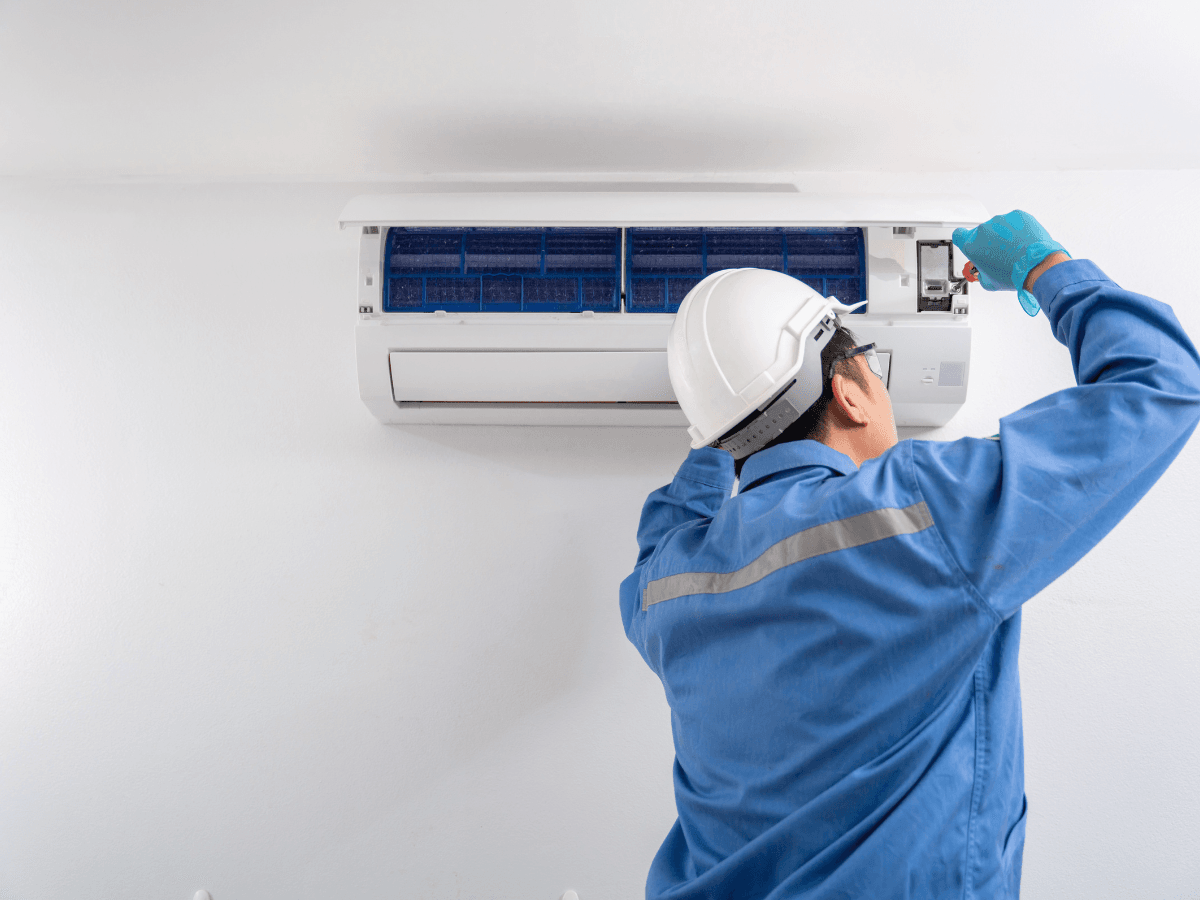
Routine maintenance is one of the most effective ways to keep an air conditioning system running efficiently throughout the summer. While some tasks can be handled by homeowners, others are best left to trained HVAC professionals.
A thorough maintenance routine typically includes cleaning the outdoor condenser unit, checking refrigerant levels, replacing or cleaning air filters, and inspecting ductwork for airflow issues. Thermostat performance should also be verified to ensure the system responds accurately to temperature settings.
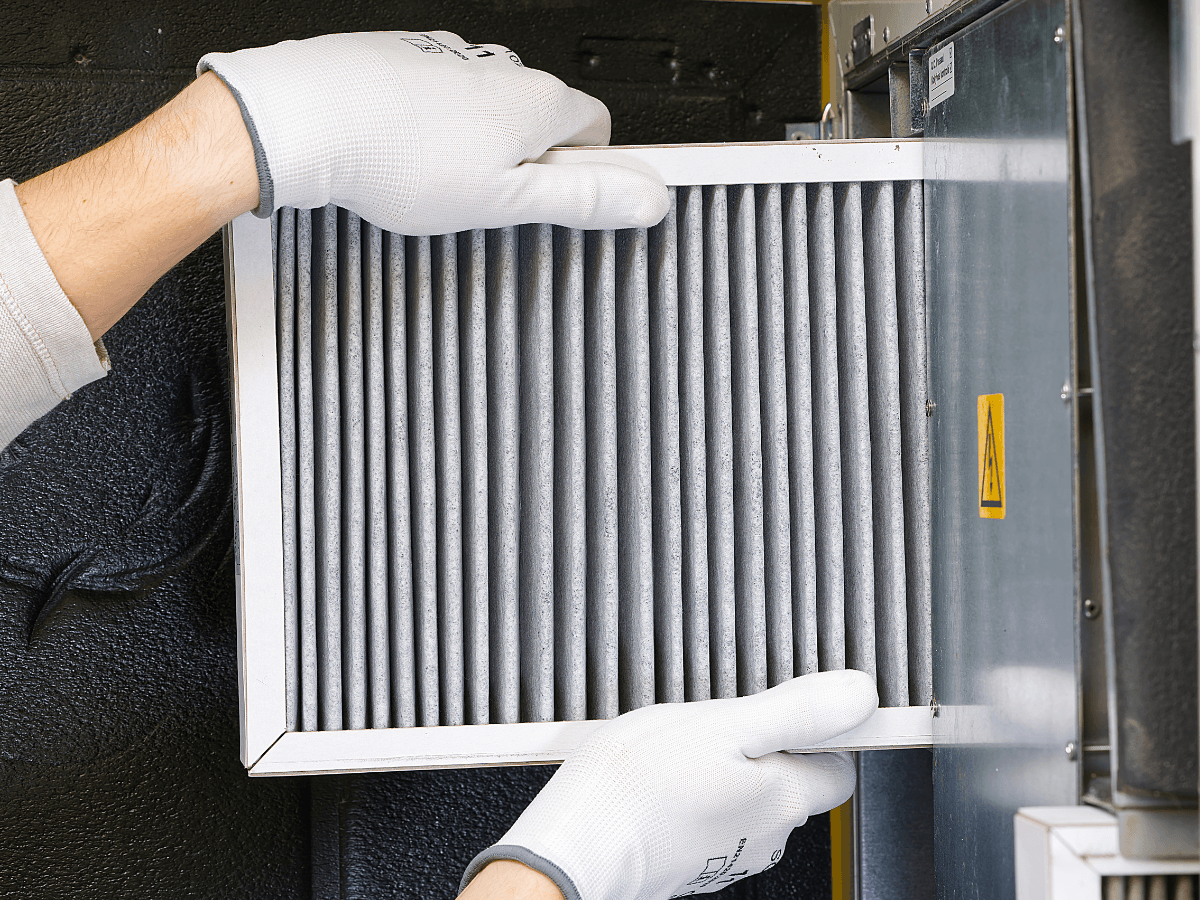
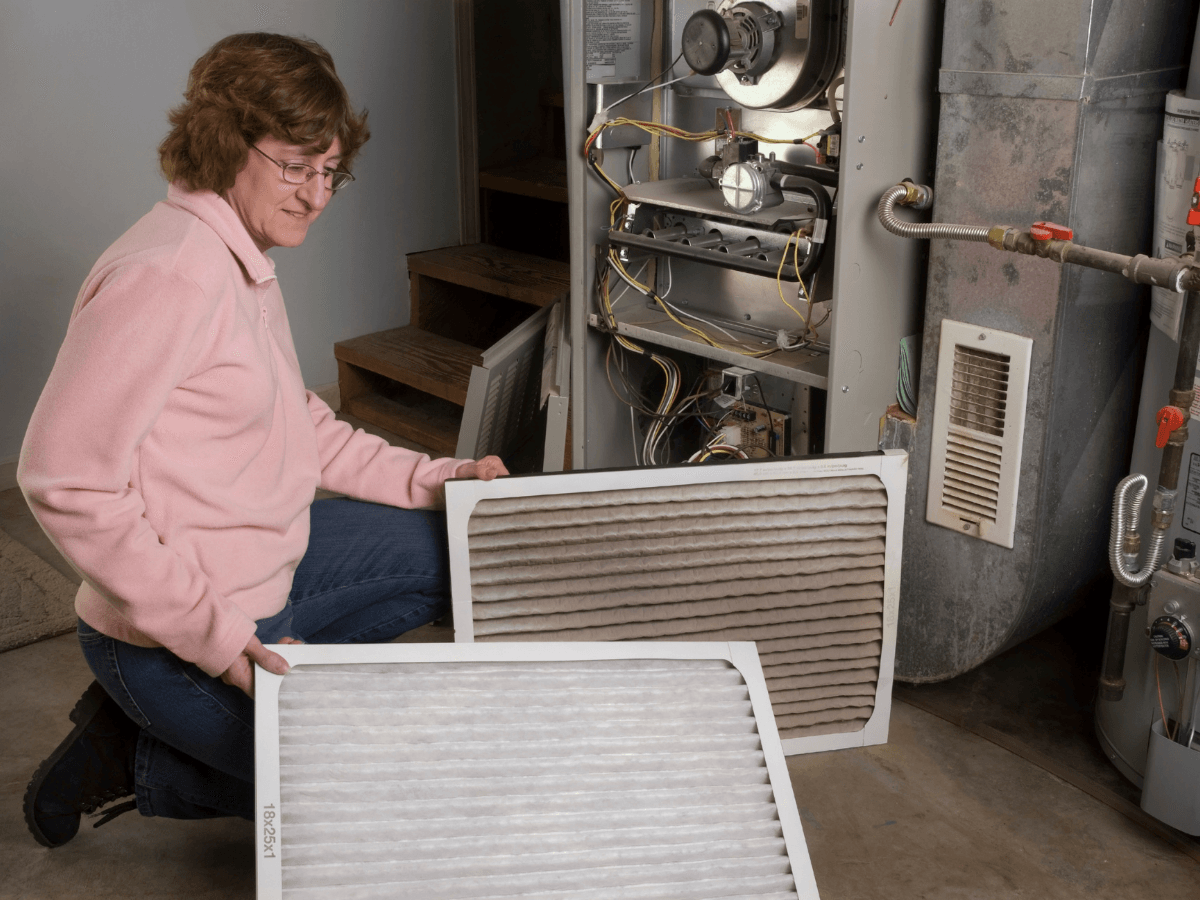
One of the most overlooked aspects of summer AC prep is filter maintenance. A dirty filter restricts airflow, forcing the system to work harder to cool the home. Regular filter changes not only improve efficiency but can also enhance indoor air quality.
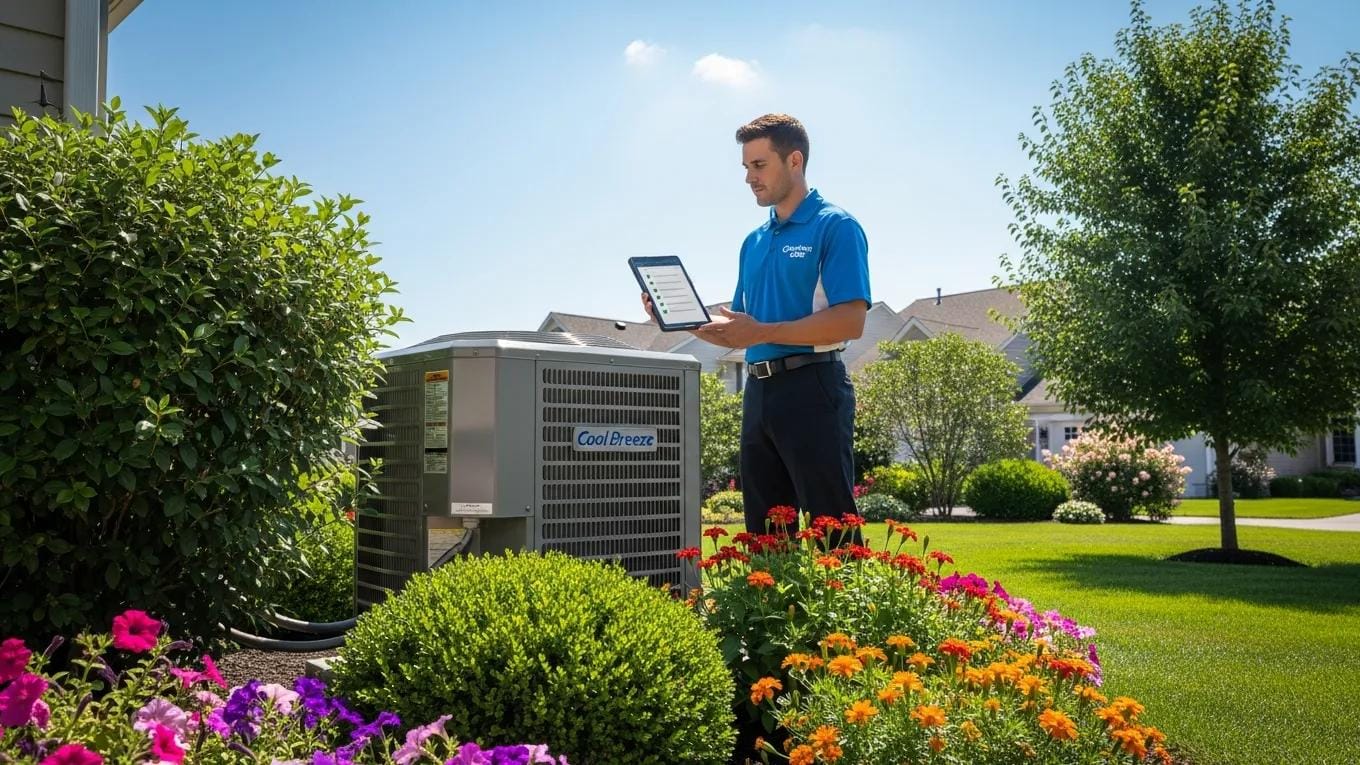
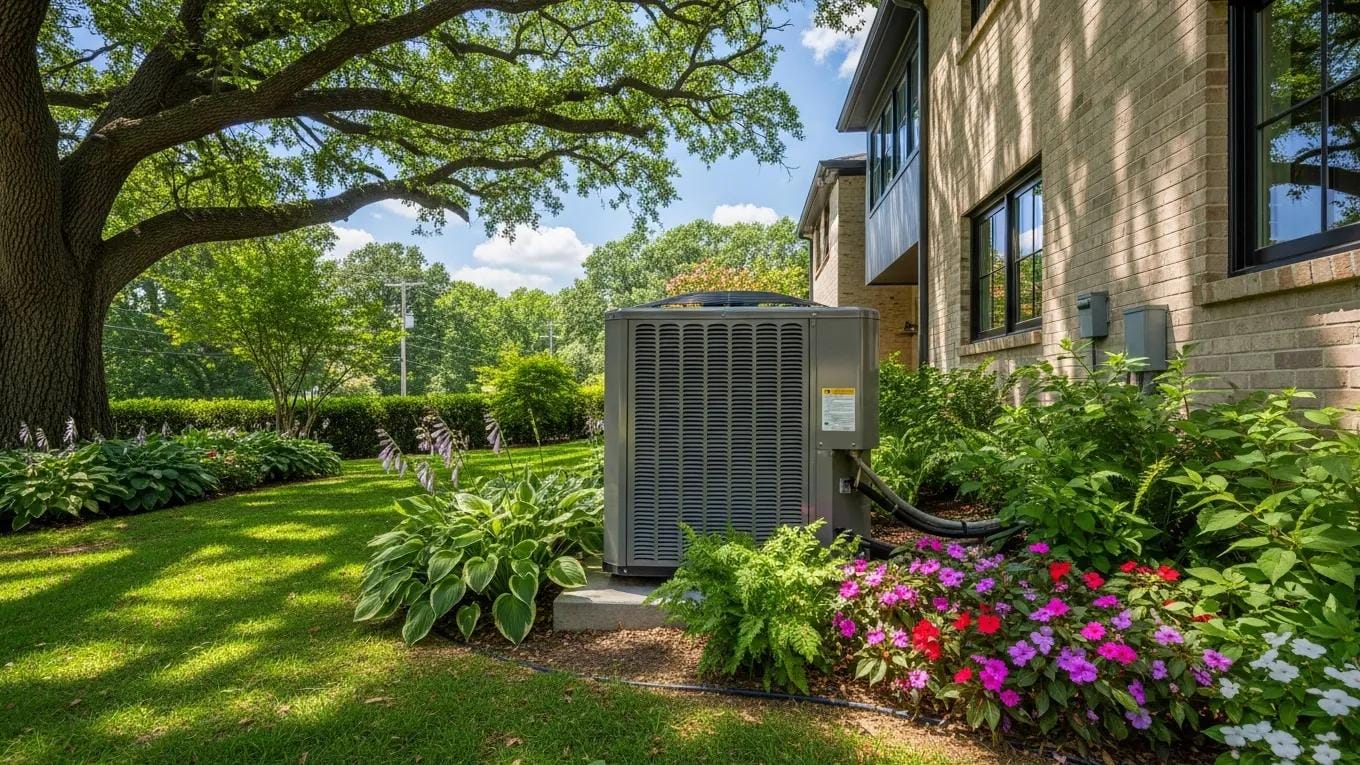
Homeowners should also pay attention to the area around the outdoor unit. Removing leaves, grass clippings, and other debris helps maintain proper airflow and allows the system to operate more effectively during periods of heavy demand.
What Does A Professional HVAC Summer Tune-Up Include For Atlanta Homeowners?
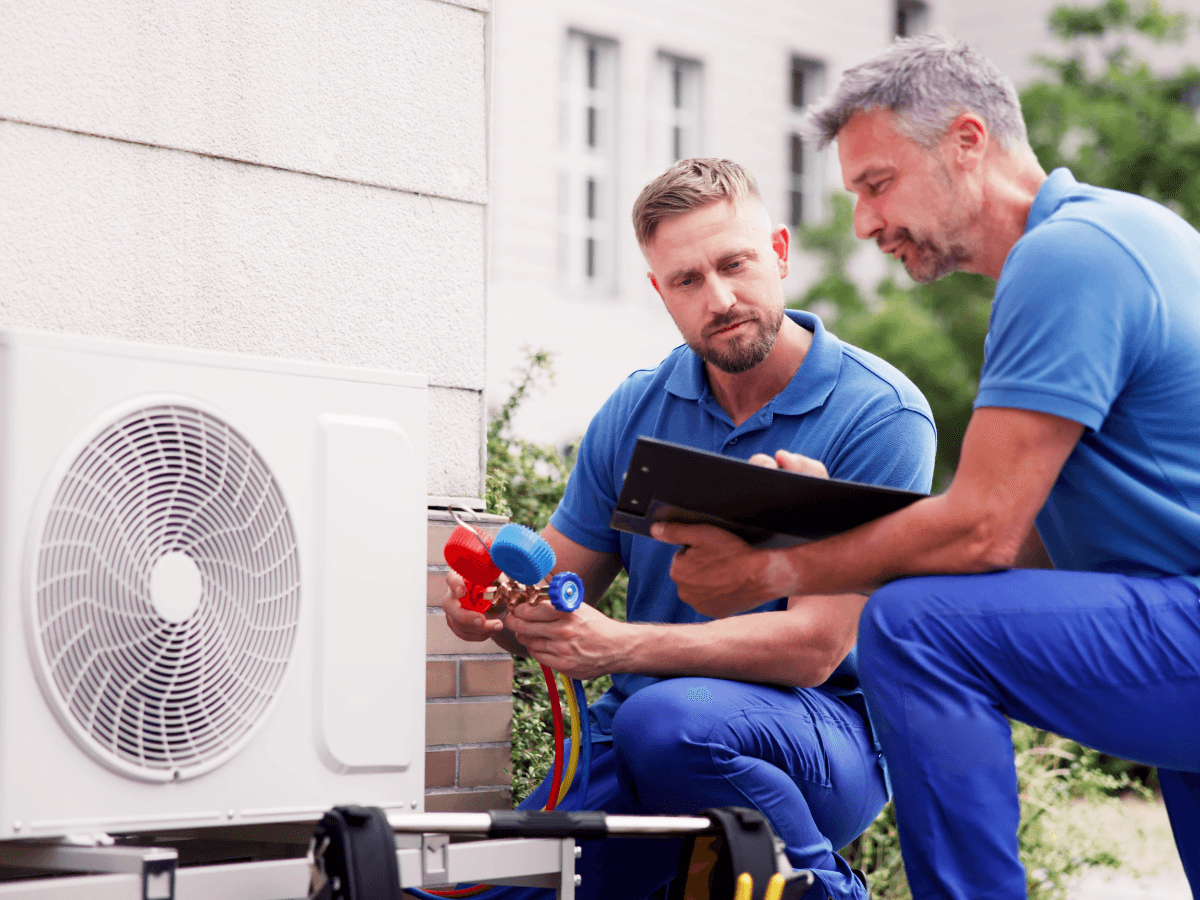
While basic maintenance is important, a professional tune-up provides a more detailed evaluation of the system’s overall condition. During a summer service appointment, HVAC technicians inspect key components, identify potential problems, and make adjustments that improve performance.
A professional tune-up typically begins with a comprehensive inspection of the entire cooling system. Technicians evaluate electrical connections, inspect moving parts, test safety controls, and look for signs of wear that could lead to future issues.
Catching these problems early can help homeowners avoid expensive repairs later in the season. Another important part of summer AC prep is ensuring the refrigerant charge is correct.
Low refrigerant levels can reduce cooling performance, increase operating costs, and place additional stress on the compressor. A professional technician can identify leaks and verify that refrigerant levels meet manufacturer specifications.
In addition to mechanical inspections, technicians often clean components that homeowners may not easily access. This includes condenser and evaporator coils, which play a critical role in heat transfer and overall efficiency.
Which Items Are On The AC Maintenance Checklist During A Professional Tune-Up?
Professional HVAC maintenance goes beyond a simple visual inspection. Technicians follow a detailed checklist designed to optimize system performance and reliability before the summer season begins.
Key services often include inspecting electrical components, tightening connections, testing system controls, and calibrating the thermostat. These checks help ensure the system starts, runs, and shuts down properly under varying operating conditions.
Coil cleaning is another essential service. Over time, dirt and debris can accumulate on condenser and evaporator coils, reducing their ability to transfer heat efficiently. Cleaning these surfaces helps restore performance and improve energy efficiency.
Ductwork inspections may also be included, especially if airflow issues are present. Leaky ducts can cause conditioned air to escape before it reaches living spaces, making the system work harder to maintain comfortable temperatures.
By combining routine homeowner maintenance with a professional tune-up, Atlanta homeowners can approach the cooling season with confidence. Consistent summer AC prep helps improve comfort, reduce energy consumption, and extend the lifespan of the entire HVAC system.
How Do You Clean and Replace AC Filters for Optimal Cooling Efficiency?
One of the most important parts of summer AC prep is making sure your air filters are clean and functioning properly. Filters play a direct role in airflow, indoor air quality, and overall system performance.
When they become clogged with dust, pet hair, pollen, and other debris, your air conditioner has to work harder to move air throughout your home.
A dirty filter can restrict airflow enough to reduce cooling efficiency and increase energy consumption. Over time, this added strain may contribute to unnecessary wear on system components.
For reusable filters, remove the filter according to the manufacturer’s instructions and rinse it with water until debris is removed. Allow it to dry completely before reinstalling it.
Disposable filters should be replaced with the correct size and type recommended for your HVAC system. Installing the wrong filter can negatively affect airflow and performance.
As part of your summer AC prep routine, take a few minutes each month to inspect your filters. This simple habit can improve comfort, lower energy costs, and help your system operate more efficiently throughout Atlanta’s hottest months.
What Are the Step-by-Step Air Conditioner Cleaning Tips for Atlanta Homes?
Beyond filter maintenance, keeping other AC components clean can make a noticeable difference in performance. Dirt and debris naturally accumulate around outdoor units, coils, and drainage systems, especially during spring and early summer when pollen levels are high.
Before beginning any cleaning, turn off the power to the air conditioner for safety. Once the system is powered down, inspect the outdoor condenser unit and remove leaves, grass clippings, and debris that may be restricting airflow around the equipment.
Next, clean the condenser coils using a soft brush or a vacuum designed for delicate surfaces. Coils coated with dirt cannot transfer heat as effectively, forcing the system to run longer cooling cycles.
It’s also important to check the condensate drain line. A blocked drain can lead to moisture problems, water damage, and reduced system performance. Clearing minor obstructions can help prevent these issues before they become costly repairs.
While cleaning, inspect the fan blades and surrounding components for dirt buildup or obstructions. Once everything has been cleaned and inspected, restore power to the unit and verify that it starts and runs normally.
Research has shown that cleaning coils and filters can significantly improve air conditioner performance and contribute to measurable energy savings.
How Often Should You Perform AC Filter Maintenance During Summer?
The frequency of filter maintenance depends on several factors, including household size, pets, indoor air quality, and how often the system runs. During Atlanta’s long cooling season, monthly filter inspections are generally recommended.
Many homeowners find that filters need attention more frequently during the summer because air conditioners often operate for extended periods each day. Homes with pets, ongoing renovations, or higher levels of outdoor pollen may require even more frequent checks.
Rather than waiting for noticeable performance issues, it is best to follow a preventative maintenance schedule. A clogged filter can gradually reduce airflow without obvious warning signs.
By the time rooms feel warmer or utility bills increase, the system may already be working harder than necessary. Checking filters every month allows homeowners to identify problems early and maintain consistent cooling performance.
Whether a filter needs cleaning or replacement, staying ahead of maintenance helps support system efficiency, protects equipment from unnecessary strain, and keeps indoor spaces more comfortable during the hottest part of the year.
When combined with other summer AC prep tasks, routine filter maintenance remains one of the simplest and most cost-effective ways to keep an air conditioning system running reliably all season long.
How to Maintain Clean AC Filters for Peak Efficiency
A well-maintained air conditioner can only perform as efficiently as the settings that control it. During summer AC prep, evaluating your thermostat settings is one of the easiest ways to reduce energy consumption without sacrificing comfort.
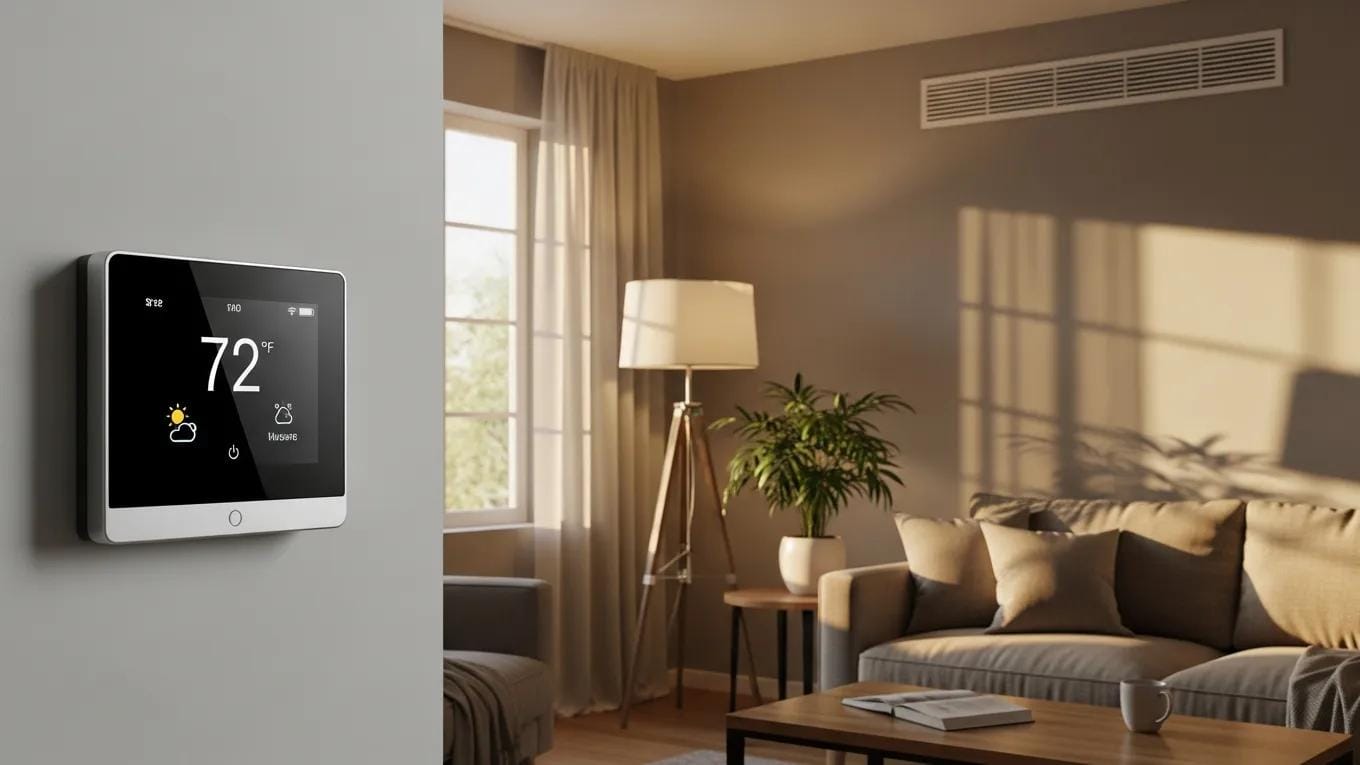
For most households, 78°F is considered the ideal thermostat setting when people are home and active. This temperature provides a comfortable indoor environment while helping limit unnecessary strain on the cooling system.
Lower settings may feel cooler initially, but they often cause the air conditioner to run longer than necessary, leading to higher utility bills.
When the home is empty for extended periods, increasing the temperature by 5 to 10 degrees can significantly reduce energy use. The goal is not to turn the system off completely but to reduce cooling demand while still protecting the home from excessive heat and humidity.
As part of a complete summer AC prep plan, homeowners should review thermostat habits before peak summer temperatures arrive. Small adjustments can have a meaningful impact over the course of an entire cooling season.
How Can Energy Saving AC Tips Optimize Thermostat Usage in Atlanta’s Climate?
Atlanta’s climate presents a unique challenge because homeowners must manage both heat and humidity. Even when outdoor temperatures are not at their highest, elevated humidity levels can make indoor spaces feel warmer and less comfortable.
Rather than continually lowering the thermostat, homeowners can focus on maintaining consistent temperatures throughout the day.
Frequent temperature swings often force the system to work harder to restore desired conditions. A steady cooling strategy typically results in better efficiency and more consistent comfort.
Scheduling slightly higher temperatures during the hottest afternoon hours can also help manage energy costs, particularly when combined with ceiling fans and proper airflow throughout the home. Fans do not lower the air temperature, but they can make rooms feel cooler by improving air circulation.
In Atlanta, thermostat optimization is not simply about choosing a number. It involves creating a cooling strategy that works with local weather conditions instead of constantly fighting against them.
What Are Recommended Temperature Settings for Summer to Balance Comfort and Cost?
Finding the right balance between comfort and operating costs is often a priority for homeowners during the summer months. While individual preferences vary, most energy experts recommend a home temperature of approximately 78°F while occupied and several degrees higher when the home is vacant.
For households with young children, elderly family members, or health-related considerations, slight adjustments may be necessary. However, keeping the thermostat excessively low can increase cooling costs without providing a substantial improvement in comfort.
Homeowners can often maintain comfort by combining reasonable thermostat settings with other efficiency measures. Closing blinds during the afternoon, sealing air leaks, and using ceiling fans can help reduce the need for lower thermostat temperatures.
These practical adjustments allow homeowners to stay comfortable while keeping energy consumption under control throughout the cooling season.
How Can Smart Thermostat Integration Enhance Summer AC Performance and Savings?
Smart thermostats have become a valuable addition to modern HVAC systems because they remove much of the guesswork involved in managing indoor temperatures. During summer AC prep, upgrading to a smart thermostat can help homeowners improve both convenience and efficiency.
Unlike traditional thermostats, smart models learn household routines and automatically adjust settings based on occupancy patterns. Instead of cooling an empty home all day, the system can reduce energy usage when no one is present and restore comfortable temperatures before residents return.
Many smart thermostats also integrate with mobile apps, allowing users to make adjustments from anywhere. Whether plans change unexpectedly or a homeowner forgets to modify settings before leaving, remote access provides greater control over energy consumption.
What Are the Benefits of Using Smart Thermostats for Energy Saving AC Tips?
One of the biggest advantages of smart thermostats is their ability to automate energy-saving decisions. Automated scheduling ensures that temperatures adjust throughout the day without requiring constant manual changes.
Many systems also provide detailed energy reports that help homeowners understand usage patterns. These insights can reveal opportunities to improve efficiency and identify habits that may be increasing cooling costs.
Remote control features add another layer of flexibility, allowing users to adjust settings while traveling, working, or running errands. Over time, these combined features can contribute to lower utility bills and more efficient system operation.
How to Set Up and Optimize Smart Thermostat Settings for Atlanta Summers?
Getting the most value from a smart thermostat requires thoughtful setup. Start by programming realistic temperature schedules that match the household’s daily routine. Cooling an empty home offers little benefit and can unnecessarily increase operating costs.
Many smart thermostats also include geofencing technology, which uses a smartphone’s location to determine when residents leave or return home. This feature allows temperature adjustments to happen automatically without manual intervention.
Finally, review energy reports regularly. These reports can highlight trends, reveal opportunities for additional savings, and help homeowners fine-tune settings throughout the season.
When combined with proper HVAC maintenance and other summer AC prep tasks, a well-configured smart thermostat can help improve comfort, reduce energy waste, and support reliable cooling performance during Atlanta’s hottest months.
Refrigerant Levels, Leak Detection, and Cooling Performance
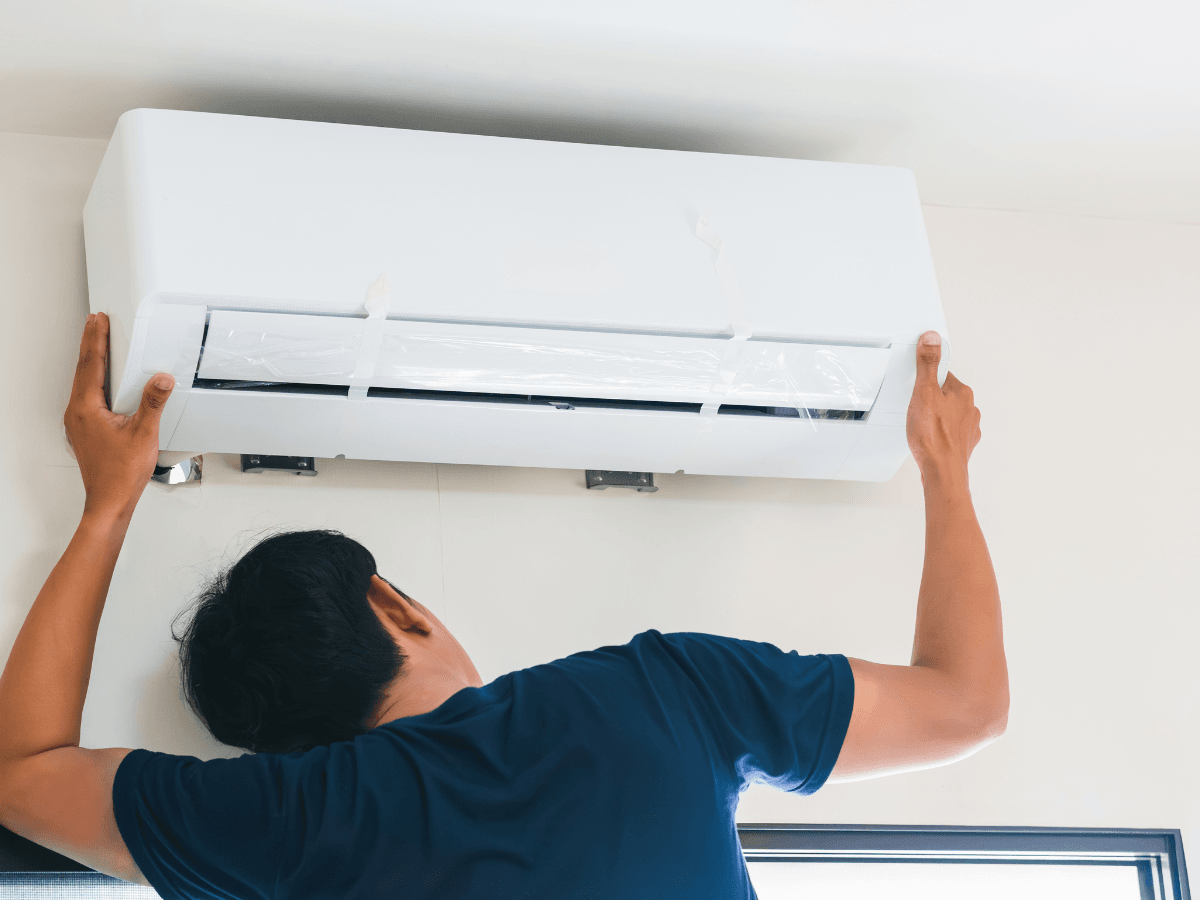
Many homeowners focus on filters, thermostats, and routine cleaning during summer AC prep, but refrigerant levels are just as important to overall system performance.
Refrigerant is the substance responsible for absorbing heat from inside the home and releasing it outdoors. Without the proper amount circulating through the system, even a well-maintained air conditioner can struggle to keep up with summer temperatures.
Unlike air filters or batteries, refrigerant does not get “used up” during normal operation. An air conditioning system is designed to operate with a specific refrigerant charge, and under normal conditions, that level should remain stable. When refrigerant levels drop, it often signals a leak somewhere within the system.
Low refrigerant can create a variety of problems that affect both comfort and efficiency. Homeowners may notice longer cooling cycles, uneven temperatures between rooms, warm air coming from vents, or higher utility bills despite normal usage habits.
In some cases, ice may form on refrigerant lines or evaporator coils, further reducing system performance. Leak detection is an important part of diagnosing these issues because simply adding more refrigerant without addressing the source of the leak provides only a temporary solution.
A professional inspection can identify damaged lines, loose connections, or worn components that allow refrigerant to escape.
There is also an environmental reason to take refrigerant leaks seriously. Depending on the type of refrigerant used, leaks can contribute to environmental concerns and may require proper handling by licensed HVAC technicians. Addressing leaks promptly helps protect both system performance and regulatory compliance.
As part of a comprehensive summer AC prep strategy, having refrigerant levels evaluated before the hottest months arrive can help homeowners avoid unexpected cooling problems when demand on the system is at its highest.
How Does Refrigerant Recharge Affect Cooling Performance and Energy Efficiency?
When refrigerant levels fall below manufacturer specifications, the air conditioner must work harder to achieve the desired indoor temperature. This added strain can reduce efficiency, increase operating costs, and place unnecessary wear on key components such as the compressor.
A refrigerant recharge restores the system to its proper operating level after any leaks have been identified and repaired. Once the correct charge is reestablished, the system can transfer heat more effectively and return to normal cooling performance.
The benefits often become noticeable fairly quickly. Homeowners may experience faster cooling cycles, more consistent indoor temperatures, improved humidity control, and reduced energy consumption.
These improvements occur because the air conditioner no longer has to compensate for an inadequate refrigerant supply.
Proper refrigerant levels also help protect the long-term health of the HVAC system. Operating with insufficient refrigerant can cause excessive stress on mechanical components, potentially leading to expensive repairs if left unresolved for an extended period.
By correcting the issue early, homeowners can help extend equipment lifespan while maintaining reliable cooling throughout the summer.
It is important to note that refrigerant recharge is not considered routine maintenance in the same way as changing filters or cleaning outdoor units. If refrigerant levels are low, the focus should be on determining why the loss occurred in the first place. A properly functioning system should not require frequent recharging.
Including refrigerant inspections in your seasonal summer AC prep can help identify hidden issues before they affect comfort, efficiency, or equipment reliability.
Combined with regular maintenance and system inspections, monitoring refrigerant levels helps ensure that your air conditioner is prepared to deliver dependable cooling throughout Atlanta’s hottest months.
Energy-Saving Strategies and Seasonal Efficiency
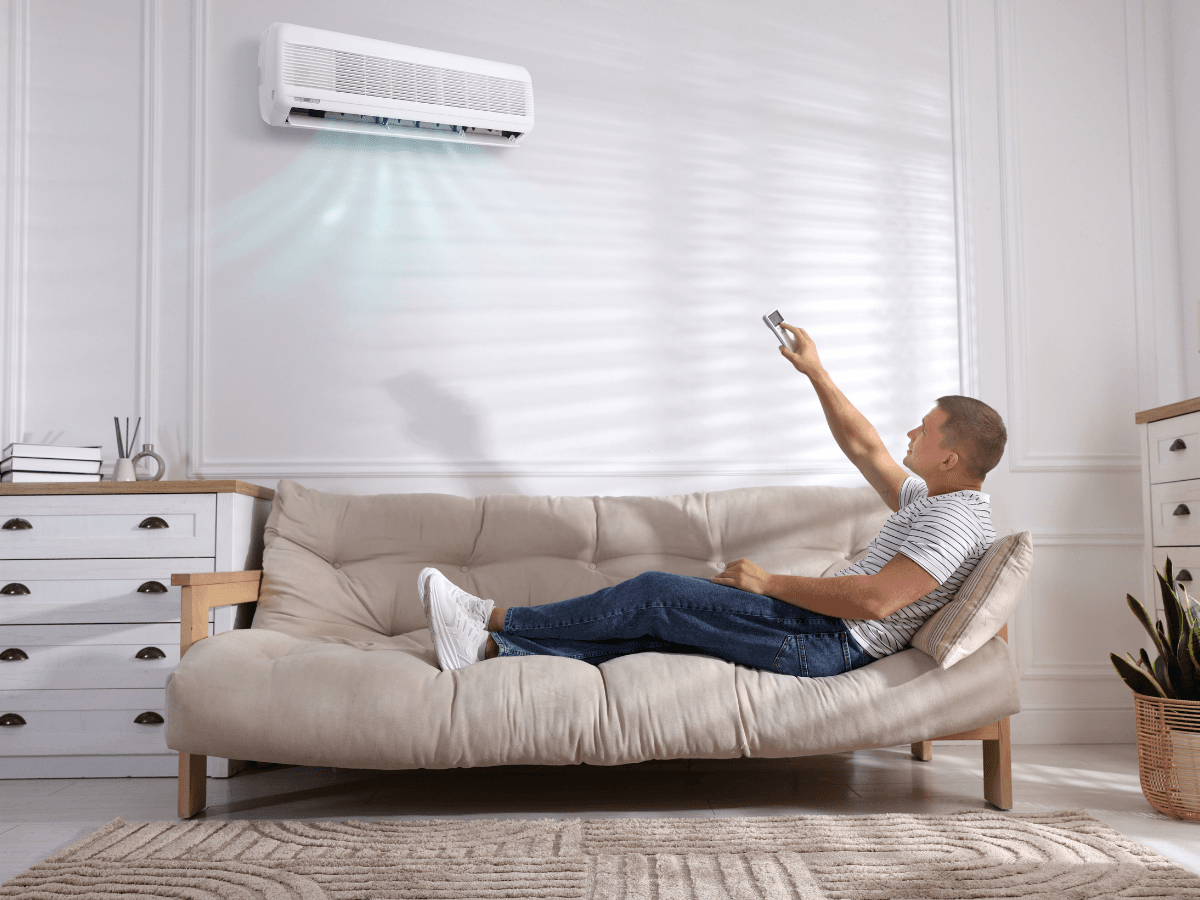
One of the primary goals of summer AC prep is reducing energy consumption without compromising indoor comfort. While many homeowners focus on equipment maintenance, daily habits and simple home improvements can also make a meaningful difference in cooling costs throughout the season.
A good starting point is managing indoor temperatures efficiently. Keeping the thermostat at approximately 78°F while the home is occupied helps balance comfort and energy savings. Pairing this setting with ceiling fans can make rooms feel cooler without requiring the air conditioner to work harder.
Home efficiency also plays a major role in cooling performance. Air leaks around windows and doors allow conditioned air to escape while letting hot outdoor air enter. Sealing these gaps helps the HVAC system maintain desired temperatures with less effort.
Similarly, closing blinds, curtains, or shades during the hottest parts of the day can reduce solar heat gain and ease the cooling load on the system. These strategies are especially valuable during periods of peak summer demand.
Research examining energy efficiency programs has found that cooling-related efficiency measures can contribute significantly to reducing electricity use during high-demand periods, highlighting the importance of both equipment performance and household energy habits.
How Does Regular HVAC Tune-Up Improve AC Efficiency and Prevent Failures?
While energy-saving habits can help lower utility bills, the condition of the HVAC system itself remains a critical factor in overall performance. A professional tune-up focuses on ensuring that all components are operating as intended before heavy summer usage begins.
During a maintenance visit, technicians typically inspect electrical connections, test system controls, evaluate refrigerant levels, clean critical components, and identify signs of wear that could lead to future problems.
These inspections often uncover minor issues that might otherwise go unnoticed until they develop into more serious repairs.
A properly tuned system operates with less strain, allowing it to cool more efficiently and maintain more consistent indoor temperatures.
In addition to lowering energy consumption, routine service can reduce the likelihood of inconvenient breakdowns during Atlanta’s hottest weeks when HVAC systems are under the greatest stress.
From a preventative standpoint, tune-ups are one of the most effective summer AC prep measures because they address potential problems before they affect comfort or system reliability.
How Does Seasonal Maintenance Impact Energy Efficiency and Cooling Costs in Atlanta?
Atlanta’s climate places considerable demands on residential cooling systems. Long periods of heat and humidity can expose weaknesses in neglected equipment, causing systems to run longer and consume more energy than necessary.
Seasonal maintenance helps ensure that HVAC systems are prepared for these conditions. Clean coils, unrestricted airflow, properly calibrated controls, and well-functioning components all contribute to more efficient operation.
When these elements are neglected, the system often compensates by running longer cycles, which increases utility costs over time.
The financial impact may not always be immediately noticeable, but inefficient operation can gradually lead to higher monthly bills throughout the cooling season. Homeowners who prioritize seasonal service often benefit from improved performance, more predictable energy costs, and fewer unexpected repair expenses.
As part of a comprehensive summer AC prep plan, seasonal maintenance serves as a proactive investment that supports both comfort and long-term system health.
What Are the 2026 Energy Efficiency Standards Relevant to Summer AC Preparation?
Homeowners considering future HVAC upgrades should be aware that energy efficiency standards continue to evolve.
Recent federal efficiency requirements have increased minimum performance expectations for newly manufactured air conditioning systems, encouraging the adoption of equipment that uses less energy while delivering improved cooling capabilities.
These standards are designed to reduce overall energy consumption and lower operating costs over the lifespan of the equipment.
While existing systems are not typically required to be replaced, understanding current efficiency requirements can help homeowners make more informed decisions when planning future upgrades.
For those evaluating replacement options as part of long-term summer AC prep, paying attention to efficiency ratings can provide valuable insight into potential energy savings and system performance.
How Much Energy and Cost Savings Can Regular Maintenance Provide?
Many homeowners view maintenance primarily as a way to avoid breakdowns, but its financial benefits can be equally significant. Studies have shown that properly maintained HVAC systems can operate considerably more efficiently than neglected units, leading to meaningful reductions in energy consumption.
In some cases, homeowners may save up to 15% on cooling costs through regular maintenance and efficiency-focused improvements.
Savings can vary depending on system age, home insulation, usage patterns, and local climate conditions, but the overall trend remains consistent: well-maintained systems typically cost less to operate.
Beyond monthly utility savings, regular service can also help extend equipment lifespan. Components that operate under less strain often experience fewer failures, reducing the likelihood of expensive repairs or premature replacement.
When viewed as part of a broader summer AC prep strategy, routine maintenance offers benefits that extend beyond immediate comfort, helping homeowners manage both short-term energy costs and long-term ownership expenses.
What Are the Common Signs of AC System Failure and How to Troubleshoot Them?
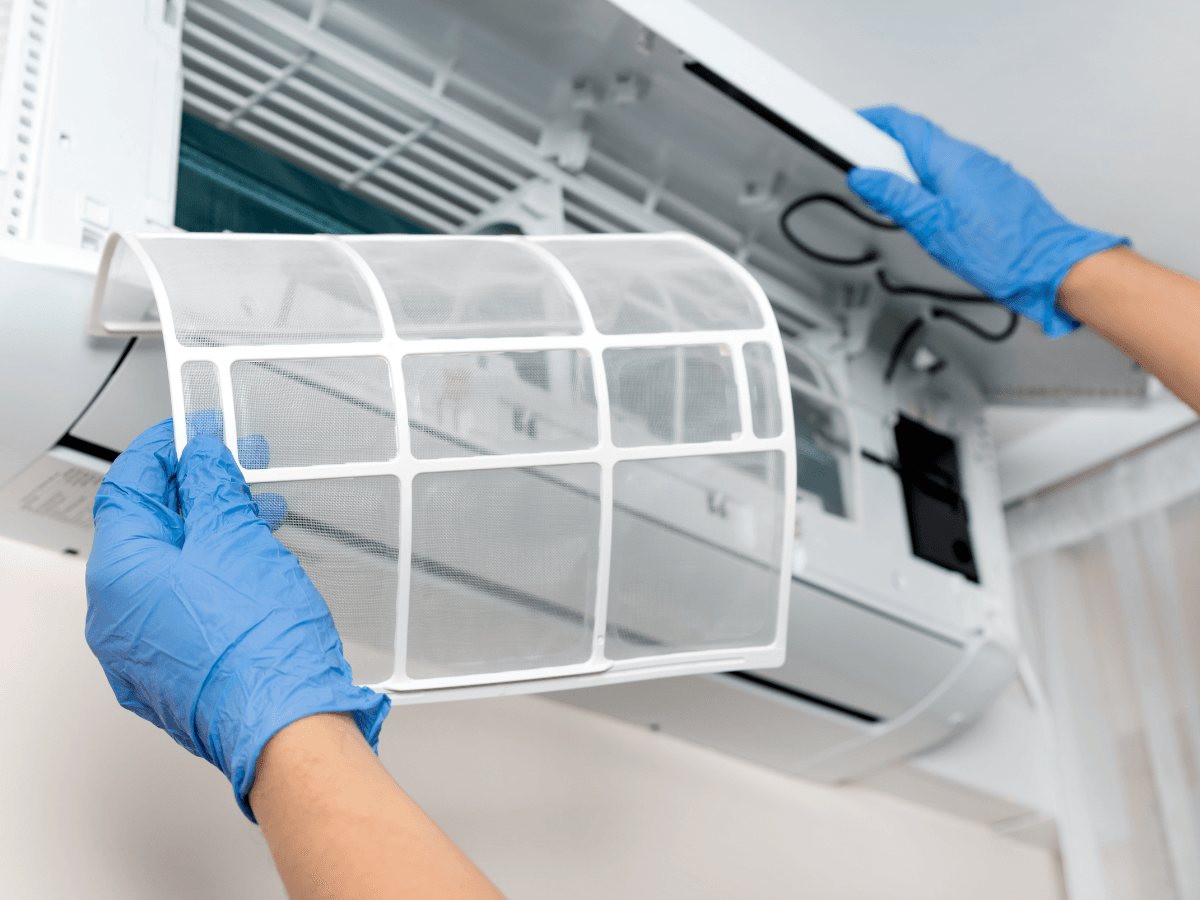
One of the most valuable parts of summer AC prep is learning how to recognize early signs of trouble before they turn into major repairs. Air conditioning systems rarely fail without warning. In many cases, homeowners notice subtle changes in performance weeks or even months before a complete breakdown occurs.
Unusual noises are often among the first indicators that something is wrong. Grinding, squealing, rattling, or banging sounds can point to worn components, loose parts, or mechanical issues that require attention. While some operational noise is normal, any sudden change in how the system sounds should not be ignored.
Inconsistent cooling is another common warning sign. If some rooms remain comfortable while others feel noticeably warmer, the issue may involve airflow restrictions, ductwork problems, thermostat calibration, or other system-related concerns.
Uneven temperatures often indicate that the system is no longer distributing conditioned air effectively.
A sudden increase in utility bills can also signal declining efficiency. When an air conditioner must work harder to achieve the same cooling results, energy consumption typically rises. If cooling costs increase without a corresponding change in weather or usage habits, it may be time to investigate the system more closely.
The earlier these warning signs are addressed, the easier it is to prevent small issues from developing into expensive repairs during the peak of summer.
Which Warning Indicators Should Atlanta Homeowners Watch for in Summer?
Atlanta’s long cooling season places significant demands on HVAC systems, making it especially important for homeowners to pay attention to changes in performance during periods of extreme heat and humidity.
Weak airflow is one of the most noticeable indicators of a developing problem. Air may still be coming through the vents, but it may not have the strength needed to cool rooms effectively. This can result from dirty filters, blocked ductwork, blower motor issues, or other airflow restrictions.
Frequent cycling is another issue that deserves attention. While some cycling is normal, an air conditioner that repeatedly turns on and off within short periods may be struggling with thermostat issues, airflow problems, or system inefficiencies.
Frequent cycling increases wear on components and can contribute to higher energy costs. Homeowners should also watch for signs of moisture around the indoor or outdoor unit.
Water pooling near equipment may indicate a clogged condensate drain line, while excessive moisture could sometimes point to refrigerant-related concerns. Both situations should be addressed promptly to avoid further complications.
Another warning sign that is often overlooked is reduced humidity control. If the home feels damp or sticky despite the air conditioner running regularly, the system may not be operating efficiently. Since humidity plays a major role in Atlanta’s summer comfort, it can significantly affect indoor conditions.
Including these checks as part of your seasonal summer AC prep can help identify potential problems before they impact comfort during the hottest months of the year.
What Are Quick Troubleshooting Tips to Improve AC Efficiency Before Calling a Pro?
Not every cooling issue requires immediate professional service. In some cases, homeowners can resolve minor problems with a few basic troubleshooting steps.
Start by checking the thermostat. Confirm that it is set to “cool” mode and that the temperature setting is lower than the current indoor temperature. Accidental setting changes are more common than many people realize.
Next, inspect the air filter. A clogged filter can restrict airflow, reduce efficiency, and cause a variety of performance issues. If the filter appears dirty, cleaning or replacing it may quickly improve airflow and cooling performance.
It is also worth examining the outdoor condenser unit. Leaves, grass clippings, and other debris can accumulate around the equipment and restrict airflow. Clearing the area around the unit helps ensure proper operation and heat transfer.
Finally, walk through the home and verify that supply vents are open and unobstructed by furniture, rugs, or curtains. Blocked vents can reduce airflow and create uneven cooling throughout the house.
These simple checks are an important part of summer AC prep and can often resolve minor efficiency issues. However, if problems persist after basic troubleshooting, a professional inspection can help identify deeper mechanical or electrical concerns before they lead to a complete system failure.
Where Can Atlanta Homeowners Find Reliable HVAC Services and Resources for Summer AC Care?

While many aspects of summer AC prep can be handled by homeowners, some maintenance tasks are best left to trained professionals. Finding a qualified HVAC company before peak summer demand arrives can make scheduling easier and help ensure that your system receives timely service when it matters most.
Many homeowners begin their search through online review platforms, local business directories, and recommendations from neighbors, friends, or family members.
These sources can provide valuable insight into a company’s reliability, responsiveness, and overall customer experience. Looking for contractors with a strong local reputation can be particularly helpful because they are often familiar with the unique cooling challenges created by Atlanta’s hot and humid climate.
Many HVAC companies also offer seasonal maintenance programs designed to prepare systems for heavy summer use. These services typically include inspections, performance testing, cleaning, and identification of developing issues that could affect efficiency or reliability later in the season.
Whether you are scheduling a professional tune-up or seeking guidance on system care, having access to trusted HVAC resources is an important part of a successful summer AC prep strategy.
How to Choose Local HVAC Contractors for Professional Summer Tune-Ups?
Not all HVAC contractors provide the same level of service, so choosing the right company requires more than simply comparing prices. A thoughtful selection process can help homeowners find a provider who delivers quality workmanship and long-term value.
One of the first things to verify is whether the contractor is properly licensed and insured. Licensing demonstrates that the company meets state and local requirements, while insurance helps protect homeowners in the event of accidents or property damage during service.
Customer reviews can provide additional perspective. Rather than focusing solely on star ratings, look for patterns in feedback. Consistent comments about punctuality, professionalism, communication, and problem-solving often reveal more about the customer experience than a single review.
It is also beneficial to request estimates from multiple contractors when comparing services. While cost is certainly a consideration, homeowners should also evaluate what is included in the inspection or maintenance package.
A slightly higher-priced service may provide a more comprehensive evaluation that identifies potential issues before they become expensive repairs.
Another factor worth considering is the company’s experience with your type of HVAC system. Contractors who regularly service similar equipment may be better equipped to diagnose issues and recommend appropriate maintenance solutions.
By taking time to evaluate credentials, reputation, and service offerings, homeowners can make more informed decisions about professional support during summer AC prep.
What Online Resources and Guides Support DIY AC Maintenance in Atlanta?
For homeowners who prefer a hands-on approach, there are many educational resources available that can help support basic AC maintenance. Reliable information can make simple upkeep tasks more approachable while helping homeowners better understand how their cooling systems operate.
Many home improvement websites offer detailed guides covering routine maintenance topics such as filter replacement, outdoor unit cleaning, thermostat adjustments, and seasonal inspections. These resources often include photographs and diagrams that make instructions easier to follow.
Video tutorials can be particularly useful for visual learners. Watching a maintenance task performed step by step can help homeowners feel more confident when completing basic procedures. Educational videos often demonstrate proper safety practices and highlight common mistakes to avoid during routine maintenance.
Manufacturer websites can also be valuable resources because they provide information specific to individual equipment models. Product manuals, maintenance recommendations, and troubleshooting guides can help homeowners better understand their system’s requirements.
While online resources can support many aspects of DIY maintenance, it is important to recognize their limitations. Tasks involving refrigerant, electrical components, or major system repairs typically require professional expertise and specialized equipment.
Attempting complex repairs without proper training can create safety risks and potentially damage the system. A balanced approach often works best.
Homeowners can use online resources to stay informed, handle routine upkeep, and improve overall system awareness while relying on qualified professionals for inspections, diagnostics, and technical repairs.
Combined with professional service when needed, these educational resources can play an important role in effective summer AC prep and long-term HVAC performance.
Conclusion
Preparing your air conditioning system before the peak of summer can help improve efficiency, reduce the risk of unexpected breakdowns, and keep your home comfortable during Atlanta’s hottest months.
Simple maintenance tasks, combined with professional inspections and tune-ups, can go a long way toward extending the life of your HVAC system and controlling energy costs. Taking a proactive approach now can help you avoid costly repairs when your AC is needed most.
For trusted HVAC maintenance and cooling solutions, choose CoolPro Heating & Cooling. If you’re ready to get your system prepared for the summer season, call 770-694-6232 to speak with the team at CoolPro Heating & Cooling or submit a Service Request through our site form today.