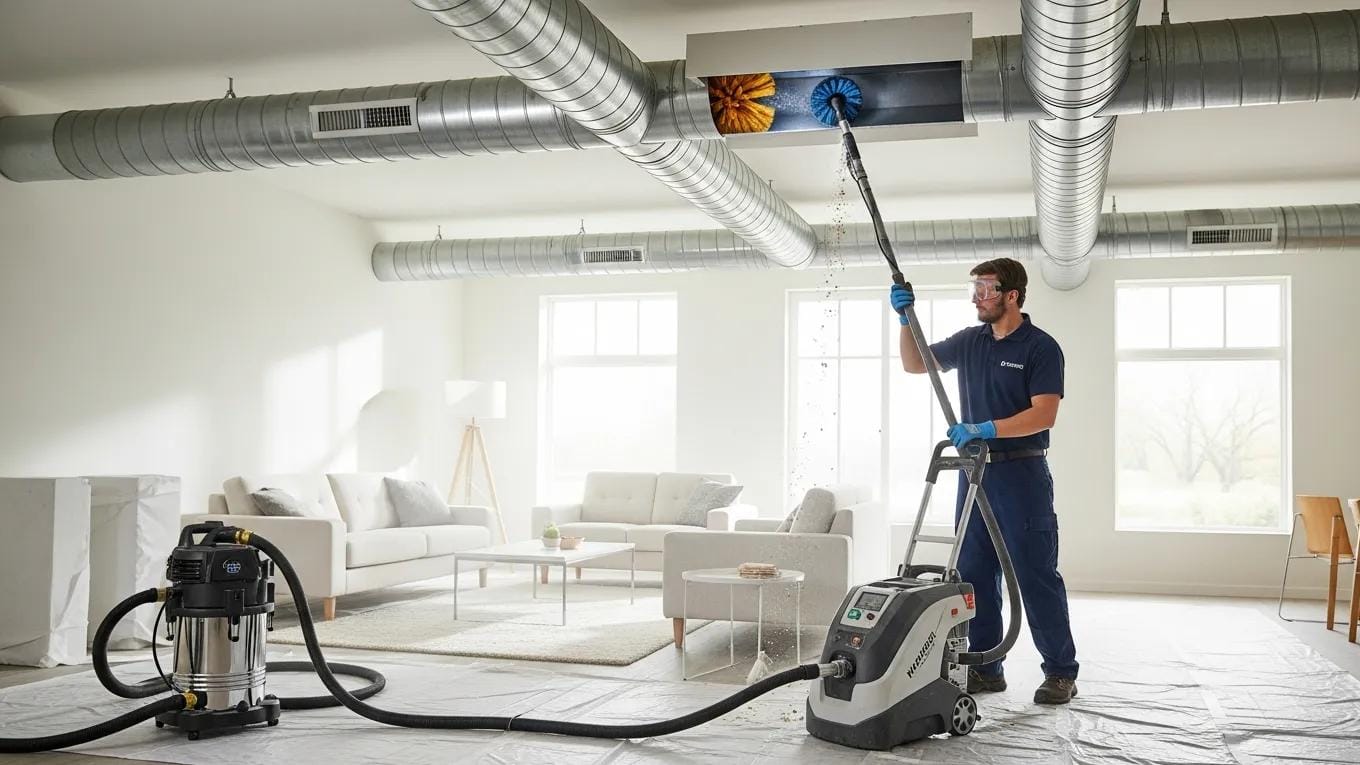
The air moving through your home passes through your ductwork every day, carrying dust, debris, allergens, and other particles along with it. Over time, buildup inside the ducts can affect airflow, indoor air quality, and overall HVAC efficiency.
While it’s easy to overlook what you can’t see, neglected ductwork can gradually impact both comfort and system performance. Understanding why to invest in professional air duct cleaning starts with knowing the benefits beyond cleaner vents.
Professional cleaning can help reduce airborne dust, improve circulation, and support a more efficient heating and cooling system. It may also help address odors and buildup that accumulate over years of use.
With the right maintenance approach, cleaner ductwork can contribute to a fresher, healthier, and more efficient home environment.
Why Professional Air Duct Cleaning Benefits Your HVAC System
Benefits Of Professional Air Duct Cleaning
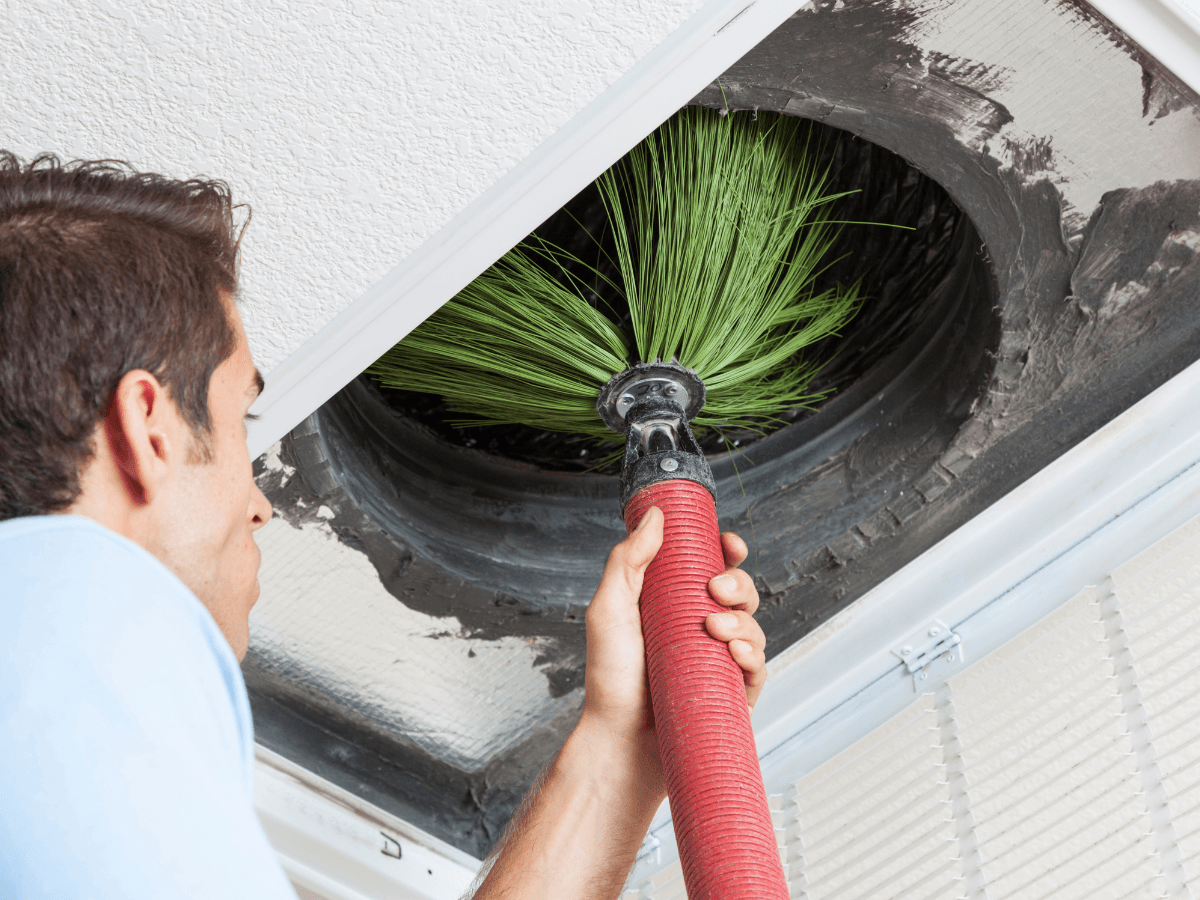
Professional air duct cleaning can have a noticeable impact on both indoor comfort and HVAC system performance. While many homeowners focus on changing air filters or maintaining heating and cooling equipment, the duct system itself is often overlooked.
Over time, dust, debris, pet dander, and other contaminants can build up inside ductwork, affecting airflow and overall air quality throughout the home.
Understanding the long-term cleaning benefits of professional duct maintenance can help homeowners create a healthier and more efficient living environment.
How Air Duct Cleaning Improves Indoor Air Quality
One of the most important cleaning benefits of air duct maintenance is improved indoor air quality. Every time your HVAC system runs, air circulates through the duct network before entering living spaces.
If dust and contaminants have accumulated inside the ducts, those particles can continue spreading throughout the home.
Professional cleaning removes much of this buildup, helping reduce airborne pollutants that may affect comfort and respiratory health. This can be especially helpful in homes with pets, smokers, recent renovation work, or family members who suffer from allergies or asthma.
Cleaner ducts also help reduce stale odors that sometimes develop from dust accumulation, moisture, or mold growth inside the system. Many homeowners notice that their home feels fresher and less dusty after a professional duct cleaning service.
Another often overlooked advantage is airflow improvement. When ducts are heavily clogged with debris, HVAC systems may struggle to distribute air evenly. Clean ducts allow air to move more efficiently, which can help maintain more consistent temperatures from room to room.
What Health Benefits Come From Clean Air Ducts
The health-related cleaning benefits of air duct maintenance are often tied to reducing irritants that circulate through the home. Dust mites, pollen, pet hair, and mold spores can all collect inside ductwork over time. When the HVAC system operates, those particles may continue moving through indoor air.
For individuals with allergies, respiratory sensitivities, or chronic sinus issues, cleaner air circulation can make a meaningful difference. Reducing airborne irritants may help minimize coughing, sneezing, congestion, and other allergy-related discomforts.
Mold prevention is another major factor. Moisture inside duct systems can create an environment where mold and mildew develop, particularly in humid climates or systems with poor ventilation. Professional cleaning can help identify and remove contamination before it spreads further through the HVAC system.
Cleaner air can also contribute to better day-to-day comfort overall. Even in households without major health concerns, reducing dust and airborne debris often creates a more comfortable indoor environment.
How Duct Cleaning Supports HVAC Efficiency
Beyond air quality, one of the biggest cleaning benefits of professional duct service is improved HVAC efficiency. Heating and cooling systems work harder when airflow becomes restricted by debris buildup inside ducts.
When airflow improves, the HVAC system can operate more efficiently and with less strain on internal components. This may help reduce energy consumption and lower monthly utility costs over time.
While duct cleaning alone will not solve every HVAC issue, it can support better system performance when combined with routine maintenance.
Cleaner systems also tend to experience less wear and tear. Dust buildup can contribute to clogged filters, blocked vents, and unnecessary stress on motors and fans. Removing contaminants from the duct system helps reduce the likelihood of certain maintenance issues developing over time.
Why Professional Cleaning Matters
While some homeowners attempt basic vent cleaning on their own, professional equipment is usually needed to clean deeper sections of the duct system effectively. Professional technicians use specialized tools designed to remove debris from areas that are difficult to reach with household equipment.
A thorough inspection is also part of the process. In many cases, professionals can identify signs of moisture problems, excessive dust buildup, damaged ductwork, or airflow restrictions that homeowners may not notice on their own.
When viewed as part of a broader home maintenance routine, the cleaning benefits of professional air duct service extend beyond appearance alone. Cleaner ducts can contribute to healthier indoor air, better HVAC performance, and a more comfortable living space throughout the year.
HVAC Efficiency, Energy Savings, And System Performance
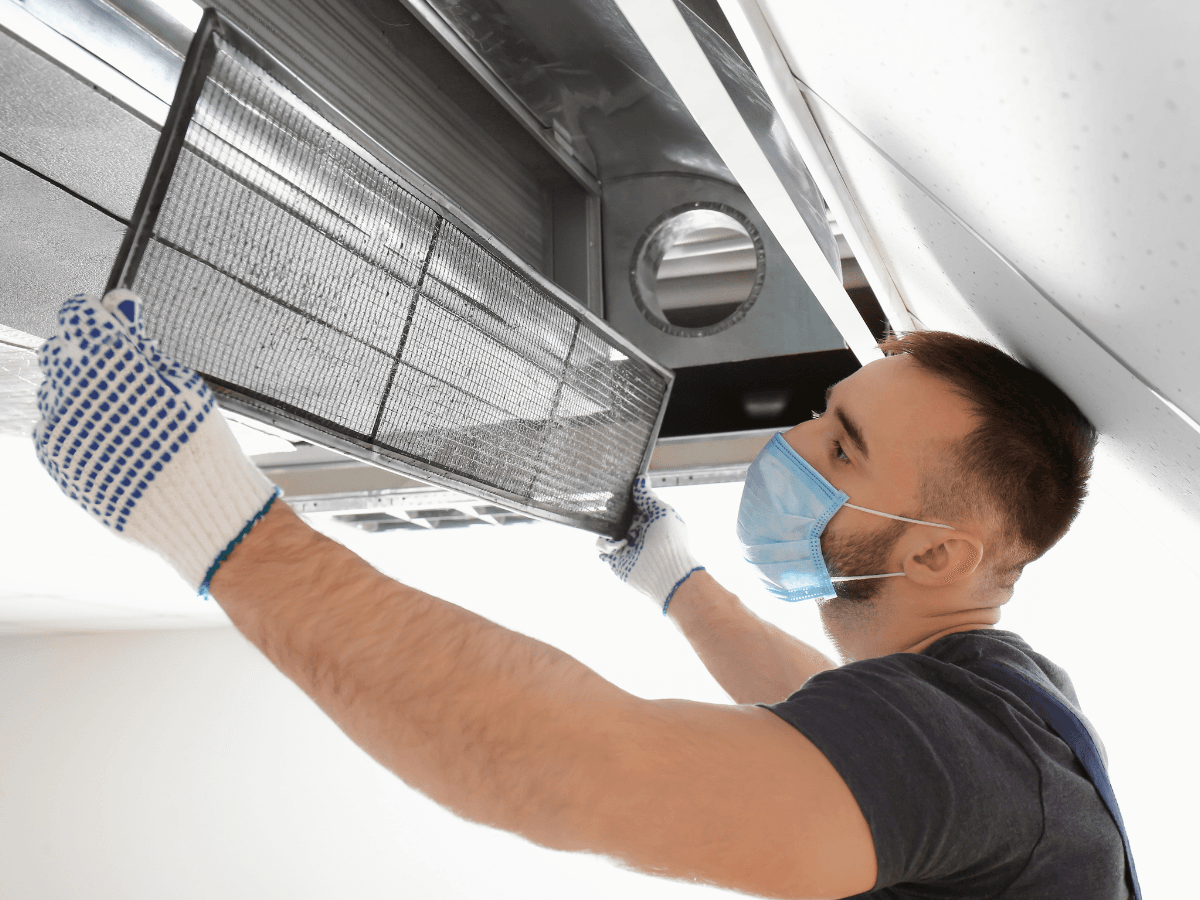
Professional duct cleaning is often associated with cleaner indoor air, but one of the most overlooked cleaning benefits is the impact it can have on HVAC efficiency and long-term operating costs.
When dust, debris, and buildup collect inside ductwork, airflow becomes restricted, forcing heating and cooling systems to work harder than necessary.
Keeping duct systems clean can support better airflow, improve system performance, and help homeowners maintain a more energy-efficient home throughout the year.
How Clean Ductwork Supports Better HVAC Efficiency
An HVAC system depends on steady airflow to heat and cool a home effectively. When ductwork becomes clogged with dust, pet hair, construction debris, or other contaminants, the system may struggle to distribute air evenly. This added strain can reduce efficiency and place unnecessary stress on major components.
One of the key cleaning benefits of professional duct service is improved airflow throughout the home. Clean ducts allow conditioned air to move more freely, helping rooms reach desired temperatures faster and more consistently.
When airflow improves, HVAC systems often cycle more efficiently and may not need to run as long to maintain indoor comfort. This can be especially noticeable in homes where certain rooms tend to feel warmer or cooler than others.
Cleaner ductwork can also support better overall system health. Excess debris circulating through the HVAC system may contribute to clogged filters, dirty coils, and increased wear on motors and fans.
By reducing buildup inside the duct network, homeowners help create a cleaner operating environment for the entire system.
What Energy Savings Can Result From Duct Cleaning
Energy efficiency is one of the most practical cleaning benefits homeowners notice after professional duct maintenance. When heating and cooling systems operate more efficiently, energy consumption often decreases as well.
Although savings vary depending on the condition of the system, some homeowners experience noticeable reductions in monthly utility costs after cleaning heavily contaminated ductwork. Systems that were previously struggling with restricted airflow may perform more efficiently once debris is removed.
Duct cleaning can be particularly beneficial in older homes, homes with pets, or properties that have recently undergone remodeling projects. Construction dust and debris can accumulate inside duct systems quickly, limiting airflow and forcing HVAC equipment to work harder over time.
It is important to view duct cleaning as part of a larger HVAC maintenance strategy rather than a standalone solution. Factors such as insulation quality, thermostat settings, filter changes, and duct sealing also affect energy efficiency.
However, professional cleaning can play a meaningful role in improving overall system performance. Over time, the energy savings associated with improved airflow may help offset part of the initial cost of the cleaning service.
Combined with reduced wear on HVAC components, cleaner ducts can contribute to lower maintenance expenses in the long run.
Why Ongoing HVAC Maintenance Matters
While professional duct cleaning provides important cleaning benefits, maintaining HVAC efficiency requires consistent upkeep throughout the year. Routine maintenance helps prevent small issues from turning into larger and more expensive repairs.
Regular HVAC inspections allow technicians to identify airflow problems, worn components, or leaks before they begin affecting system performance. Preventive maintenance can also extend the life of heating and cooling equipment by reducing strain on the system.
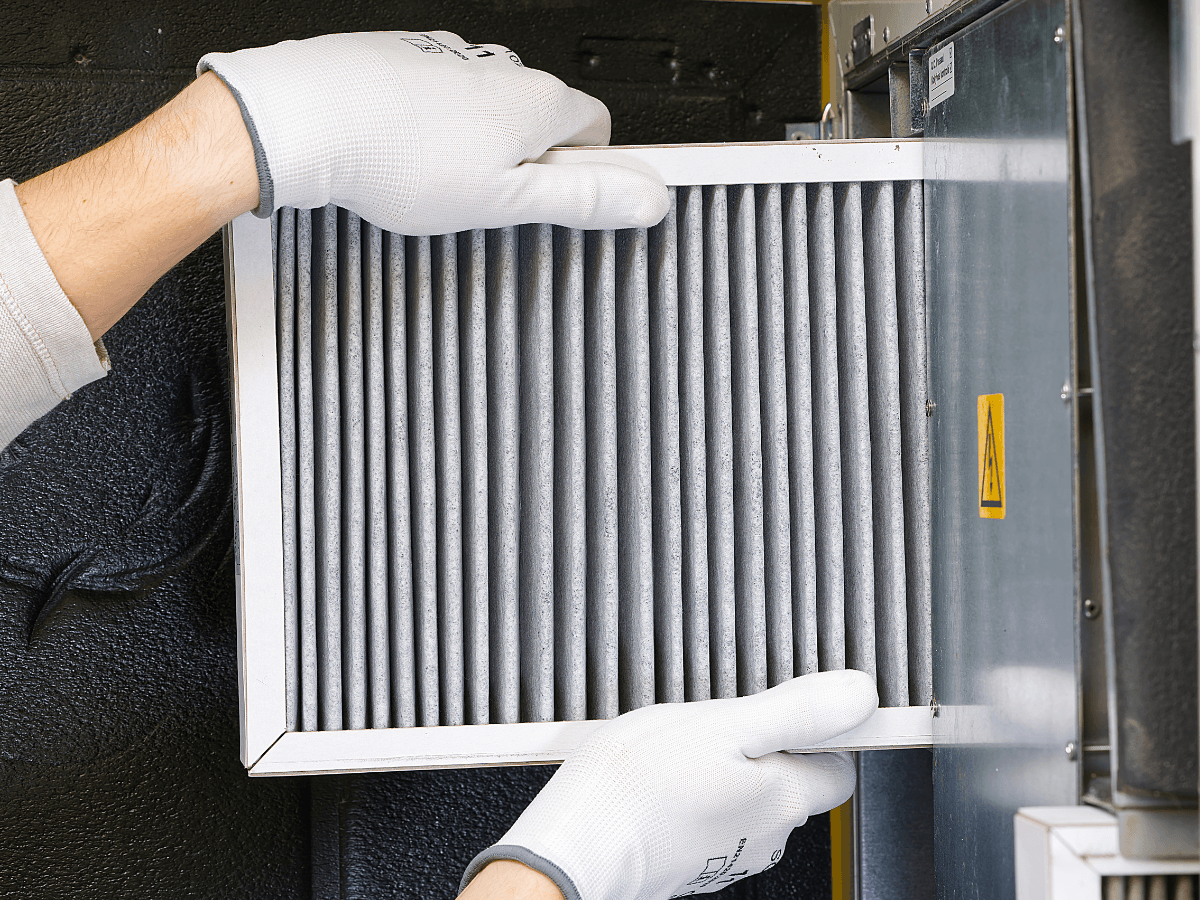
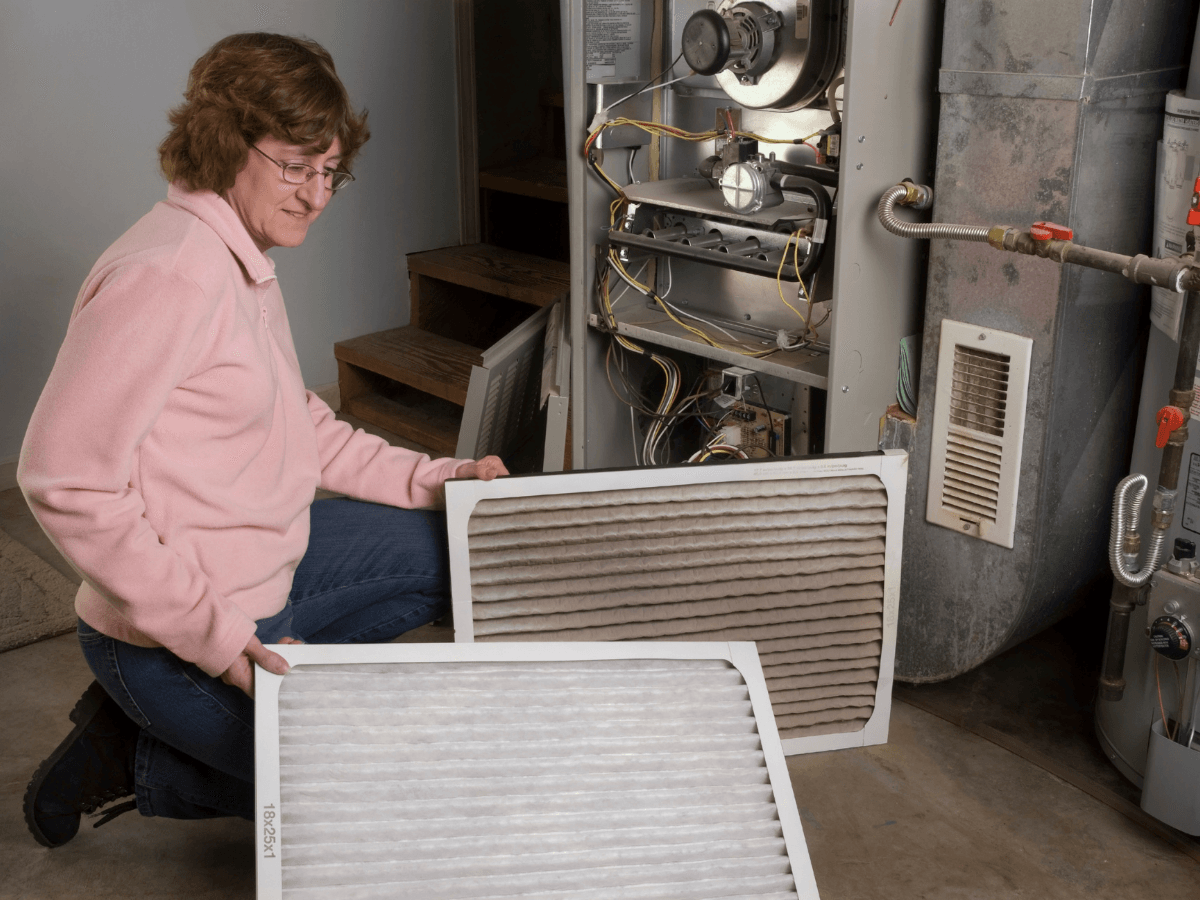
Air filter replacement is another essential part of maintaining clean airflow. Dirty filters restrict circulation and allow dust to build up more quickly inside ductwork. Replacing filters regularly helps protect indoor air quality while supporting efficient operation.
Proper duct sealing also plays a major role in performance. Even clean ducts can lose efficiency if conditioned air escapes through gaps or leaks. Sealed ductwork helps ensure that heated or cooled air reaches the intended areas of the home without unnecessary energy loss.
How Duct Cleaning Contributes To Long-Term Performance
Professional duct cleaning is not simply about removing visible dust. It is part of maintaining a healthier and more efficient home environment. One of the long-term cleaning benefits is helping HVAC systems operate under less strain, which may reduce wear on important components over time.
When combined with regular inspections, filter maintenance, and proper airflow management, clean ductwork can help homeowners maintain better comfort, lower energy costs, and more reliable HVAC performance year-round.
Professional Air Duct Cleaning Process
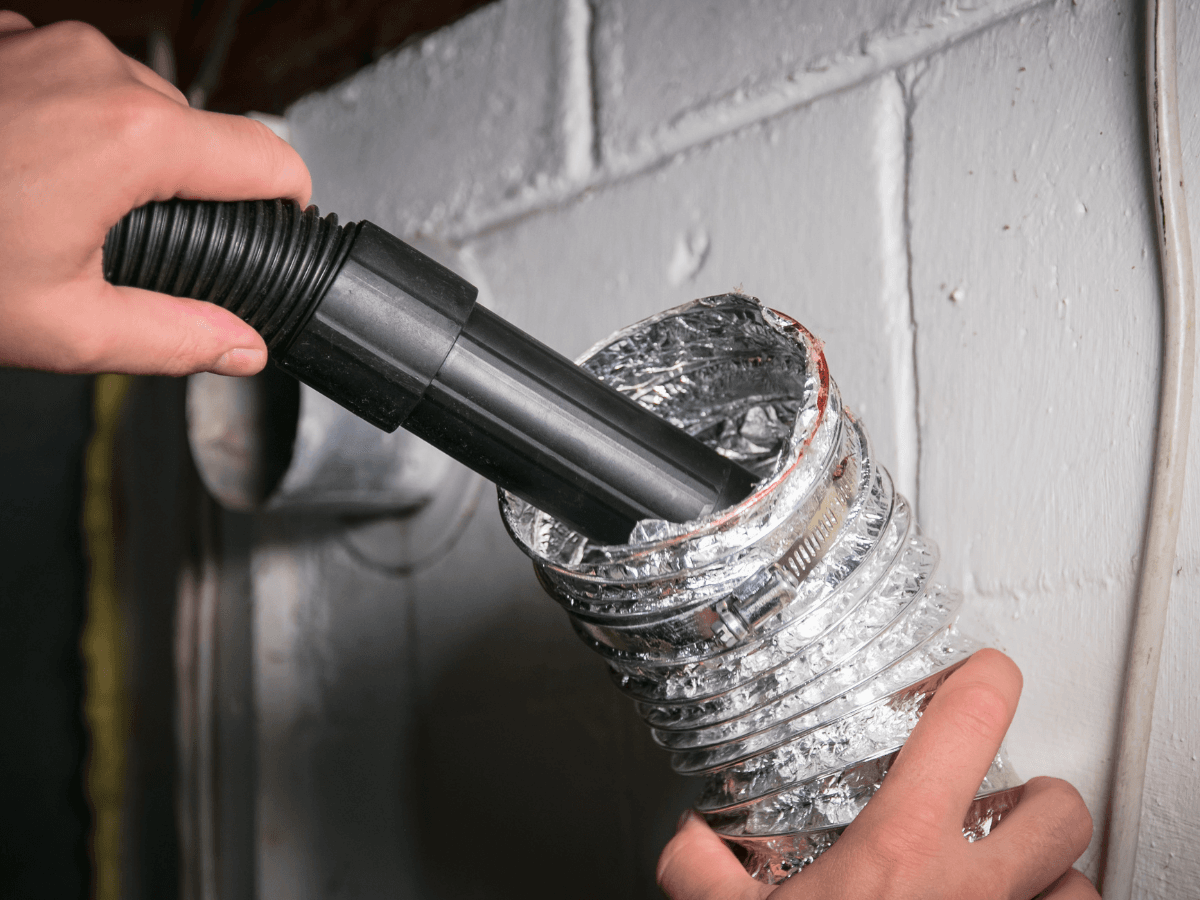
Professional air duct cleaning is a detailed service designed to remove dust, debris, allergens, and other contaminants from an HVAC system’s ductwork.
While many homeowners understand the general cleaning benefits of maintaining their heating and cooling system, fewer know what actually happens during a professional duct cleaning appointment.
Understanding the process can help homeowners make informed decisions about HVAC maintenance and better understand how clean ductwork supports air quality, airflow, and overall system performance.
What Professional Air Duct Cleaning Services Involve
Professional air duct cleaning services focus on cleaning the pathways that distribute heated and cooled air throughout the home.
Over time, these ducts can collect dust, pet dander, pollen, construction debris, and even mold in certain conditions. When buildup becomes excessive, it may affect airflow and contribute to poor indoor air quality.
One of the major cleaning benefits of professional service is the ability to remove contaminants from areas homeowners typically cannot access on their own. Unlike basic vent cleaning, professional duct cleaning targets the entire system using specialized equipment designed to clean deep inside the ductwork.
Most services begin with a full system evaluation. Technicians inspect supply and return ducts, vents, registers, and HVAC components to identify buildup, airflow issues, or signs of moisture problems. This inspection helps determine the condition of the system before cleaning begins.
Professionals also take steps to protect the home during the process. Floors, furniture, and nearby surfaces are typically covered or shielded to reduce dust spread while equipment is in use.
What The Duct Cleaning Process Usually Includes
The actual cleaning process involves several stages designed to remove contaminants thoroughly and safely. High-powered vacuum systems are commonly used to create negative air pressure inside the ductwork, helping pull debris out of the system without releasing it into the home.
Technicians often use specialized brushes, compressed air tools, or agitation devices to loosen dust and buildup stuck to the interior surfaces of ducts. Once loosened, the debris is extracted through the vacuum system.
In addition to cleaning the ducts themselves, many professional services also clean related HVAC components. This may include vents, registers, coils, blower motors, and other parts connected to airflow circulation. Cleaning these areas helps improve overall system cleanliness and efficiency.
One of the important cleaning benefits of a full-system approach is that it addresses more than just visible dust near vents. A properly cleaned HVAC system allows air to move more freely through the home, reducing strain on the equipment.
Some companies may also inspect for signs of leaks, damaged duct sections, or excessive moisture during the service. Identifying these issues early can help homeowners avoid larger HVAC problems later.
How Clean Ducts Improve HVAC Performance
A major reason homeowners invest in professional duct cleaning is to improve HVAC performance. When airflow becomes restricted by dust and debris, heating and cooling systems often need to work harder to maintain indoor temperatures.
Clean ductwork helps restore more efficient airflow throughout the home. This can improve comfort by helping rooms heat and cool more evenly while reducing unnecessary strain on HVAC components.
One of the long-term cleaning benefits of maintaining clean ducts is the potential reduction in wear on the HVAC system. Systems operating under less strain may experience fewer airflow-related issues and better long-term performance overall.
Clean ducts can also support improved energy efficiency. Restricted airflow forces systems to run longer cycles, increasing energy use. Removing buildup from the duct network allows air to circulate more effectively, which may help lower utility costs over time.
Why Routine Maintenance Matters
Professional duct cleaning works best when combined with regular HVAC maintenance. Replacing air filters consistently, scheduling annual system inspections, and addressing airflow problems early all contribute to a healthier and more efficient HVAC system.
While duct cleaning is not something most homes require constantly, periodic service can provide important cleaning benefits in households with pets, allergy concerns, smokers, or recent remodeling projects.
By keeping the entire HVAC system cleaner and functioning properly, homeowners can maintain better indoor comfort and support long-term system reliability.
Signs Your Air Ducts Need Cleaning
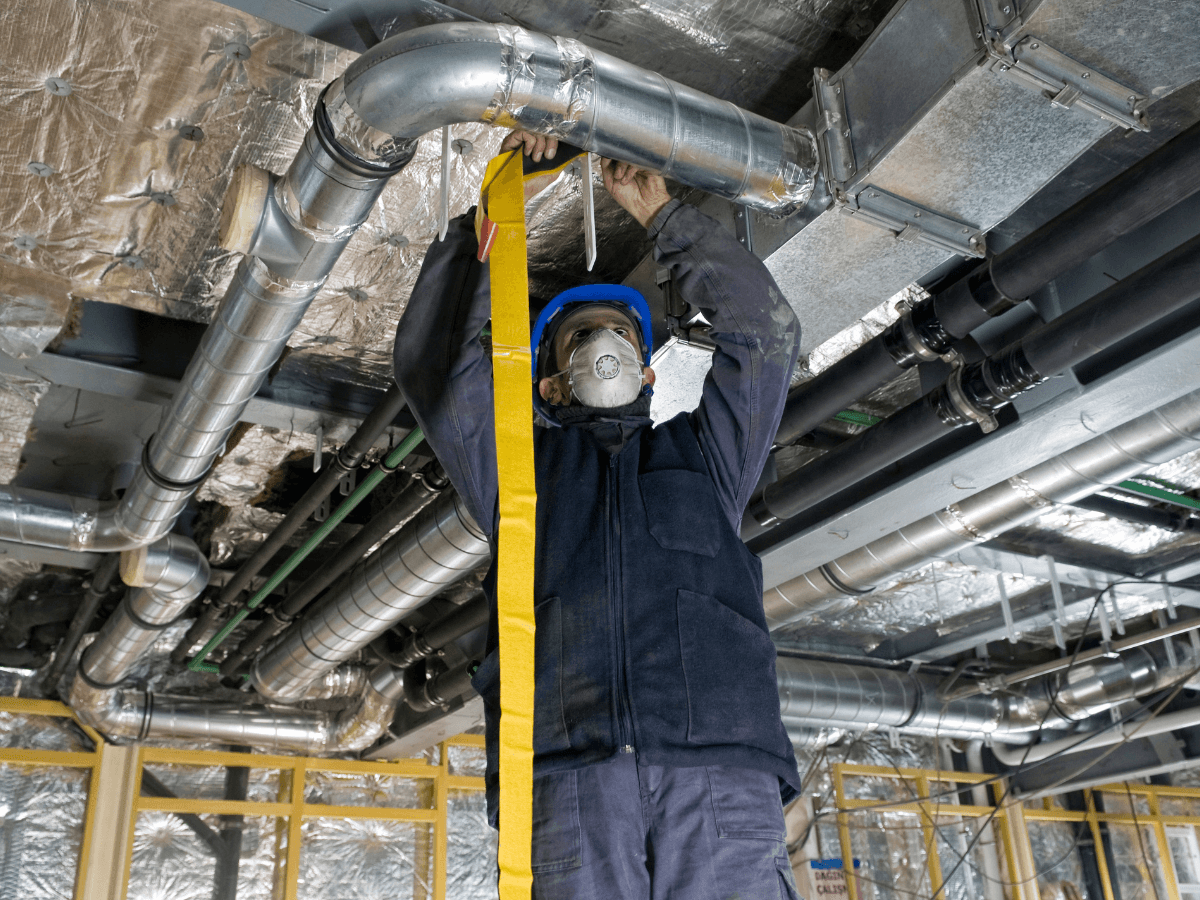
Knowing when to schedule professional duct cleaning can help homeowners maintain better indoor air quality and keep their HVAC systems running efficiently.
While air ducts are hidden behind walls and ceilings, they often show warning signs when dust, debris, or contaminants begin affecting airflow and overall system performance.
Understanding these signs can help homeowners take advantage of the long-term cleaning benefits associated with proper HVAC maintenance before small issues become larger problems.
How To Tell When Air Ducts Need Professional Cleaning
One of the most common indicators of dirty ductwork is excessive dust inside the home. If surfaces seem dusty again shortly after cleaning, or if dust collects around vents and registers, it may suggest that debris is circulating through the duct system.
Inconsistent airflow is another sign worth paying attention to. Rooms that feel stuffy, difficult to cool, or unevenly heated may point to restricted airflow caused by buildup inside the ducts. When airflow becomes limited, HVAC systems often need to work harder to maintain comfortable temperatures.
Homeowners may also notice an increase in allergy or respiratory symptoms. Dust, pollen, pet dander, and other airborne particles can accumulate in ductwork over time and continue circulating throughout the home.
One of the important cleaning benefits of professional duct service is reducing these contaminants and improving indoor air circulation.
Odors coming from vents can also indicate that cleaning may be needed. Musty smells, stale odors, or unusual scents when the HVAC system runs may point to mold, mildew, or accumulated debris inside the duct system. In some cases, moisture buildup inside ducts creates conditions where mold can develop and spread.
Another sign involves recent home renovations or construction work. Remodeling projects often create large amounts of dust and debris that can settle inside ductwork. Even when construction areas are sealed off, particles frequently make their way into the HVAC system.
Common Signs Of Dirty Or Contaminated Ductwork
Dirty duct systems do not always produce obvious symptoms right away. In many homes, buildup happens gradually over several years. However, certain warning signs tend to appear as contamination increases.
Visible debris near air vents is one of the clearest indicators. If vents release dust when the HVAC system starts, or if dark buildup appears around registers, the duct system may require professional attention.
Persistent indoor odors can also signal contamination. Mold growth, moisture issues, trapped dust, or pest activity inside ducts may create unpleasant smells that continue circulating through the home.
Higher-than-normal energy bills sometimes point to airflow problems as well. One of the overlooked cleaning benefits of air duct maintenance is improved HVAC efficiency. When debris blocks airflow, the system often runs longer cycles and consumes more energy to maintain temperature settings.
Noisy HVAC operation may also indicate restricted airflow. Whistling sounds, excessive fan strain, or unusual airflow noises can sometimes be linked to buildup inside ducts or clogged system components.
Households with pets often experience faster dust accumulation due to pet hair and dander entering the ventilation system. Similarly, smokers or homes located in dusty environments may require more frequent cleaning than average.
How Often Air Ducts Should Be Cleaned
Most professionals recommend having air ducts inspected and cleaned every three to five years, although the ideal schedule depends on the home and its conditions. Some households may benefit from more frequent service, especially if family members have allergies, asthma, or other respiratory sensitivities.
Homes with multiple pets, recent renovations, water damage, or heavy HVAC use may also require earlier cleaning. In humid climates, regular inspections become especially important because moisture inside ducts can contribute to mold growth.
Routine HVAC maintenance helps maximize the cleaning benefits of professional duct service. Replacing air filters regularly, sealing leaks, and scheduling annual system inspections all help reduce dust buildup and improve airflow throughout the system.
By paying attention to warning signs early, homeowners can maintain cleaner indoor air, support HVAC efficiency, and avoid allowing contamination to build up inside the duct network over time.
Professional Vs. DIY Air Duct Cleaning
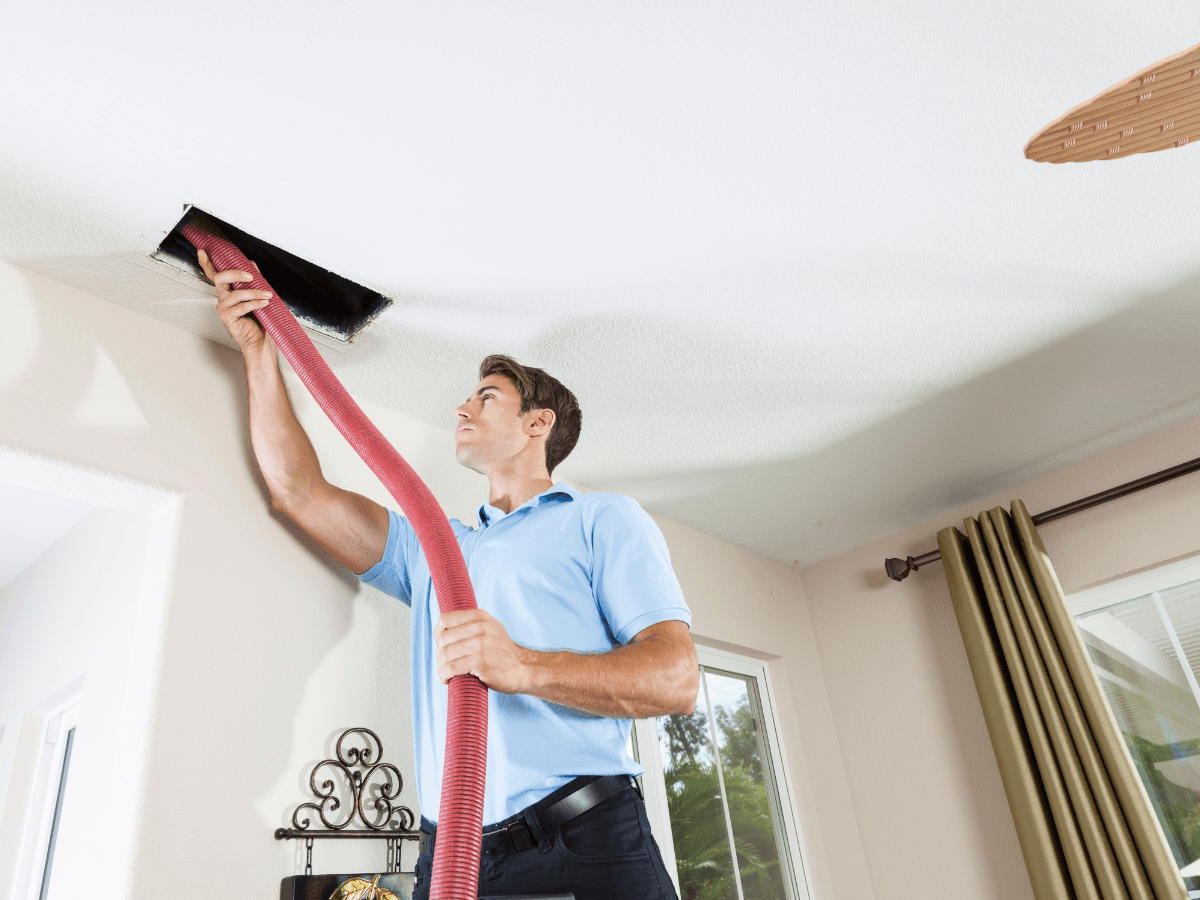
Many homeowners eventually face the decision of whether to clean their air ducts themselves or hire a professional service. While DIY maintenance can help with basic vent cleaning and filter replacement, full duct cleaning is a more involved process that requires specialized equipment and experience.
Understanding the differences between the two approaches can help homeowners make informed decisions about HVAC care and long-term system maintenance.
One of the most important cleaning benefits of professional duct service is the ability to thoroughly clean areas of the HVAC system that are difficult or impossible to reach with standard household tools.
What Separates Professional Duct Cleaning From DIY Methods
Professional air duct cleaning involves far more than vacuuming visible dust around vents. Trained technicians use commercial-grade equipment designed to remove debris from deep within the duct system without spreading contaminants throughout the home.
Most professional services begin with a detailed inspection of the HVAC system. Technicians evaluate the condition of the ductwork, identify heavy buildup, and check for issues such as moisture, mold growth, or damaged sections. This inspection helps determine the best cleaning approach for the home.
High-powered vacuum systems are then used to create negative pressure inside the ducts while specialized tools loosen dirt and debris from interior surfaces. These systems are designed to remove contaminants efficiently while minimizing the amount of dust released into living spaces.
DIY duct cleaning, by comparison, is usually limited to surface-level cleaning. Homeowners may vacuum vent covers or wipe accessible sections of duct openings, but most household equipment cannot reach deep inside the system. As a result, much of the accumulated dust and debris often remains untouched.
One of the key cleaning benefits of professional service is the thoroughness of the process. In addition to the ducts themselves, professionals may also clean components such as blower motors, coils, and registers that affect overall HVAC performance.
Why Many Homeowners Choose Professional Services
Professional duct cleaning offers several advantages that go beyond convenience. One of the biggest reasons homeowners hire experts is the level of equipment and experience involved. HVAC systems are complex, and improper cleaning methods can sometimes create more problems than they solve.
Professionals are trained to identify airflow restrictions, mold concerns, and debris buildup without damaging duct materials or HVAC components. They also understand how to safely clean different types of duct systems, including flexible ductwork and older metal ducts.
Another reason homeowners often choose professional services is improved efficiency. Thorough cleaning can help restore airflow, reduce strain on the HVAC system, and support better indoor air quality. These cleaning benefits are difficult to achieve through basic DIY methods alone.
Professional cleaning may also save time and reduce frustration. Attempting to clean an entire duct system without the proper tools can be time-consuming and may still leave large portions of the system untouched.
In homes with allergies, pets, smokers, or recent renovations, professional cleaning can be especially beneficial because it removes deeper accumulations of dust and contaminants that continue circulating through the air.
Risks And Limitations Of DIY Duct Cleaning
While DIY cleaning can help maintain vents and visible areas between professional services, it does have limitations. One of the biggest concerns is incomplete cleaning. Without commercial equipment, homeowners typically cannot access deep sections of the duct network where debris often collects.
Improper cleaning techniques may also damage ductwork. Aggressive brushing, incorrect vacuum attachments, or accidental punctures can create leaks that reduce HVAC efficiency and increase energy costs.
Another issue is the potential spread of dust and contaminants during cleaning. Without negative pressure systems designed for HVAC cleaning, loosened debris may circulate back into the home rather than being fully removed.
DIY methods may also fail to identify hidden problems such as mold growth, pest activity, moisture buildup, or disconnected duct sections. These issues often require professional inspection and repair to prevent larger HVAC or air quality concerns.
Finding The Right Balance For HVAC Maintenance
For many homeowners, the best approach combines regular DIY upkeep with occasional professional service. Replacing air filters, keeping vents clean, and scheduling annual HVAC inspections all contribute to better system performance between deep cleanings.
However, when duct systems show signs of heavy buildup, airflow problems, or indoor air quality concerns, professional cleaning often provides the most complete solution.
The long-term cleaning benefits of expert service can include improved airflow, better HVAC efficiency, cleaner indoor air, and reduced strain on heating and cooling equipment.
Costs And Value Of Professional Air Duct Cleaning
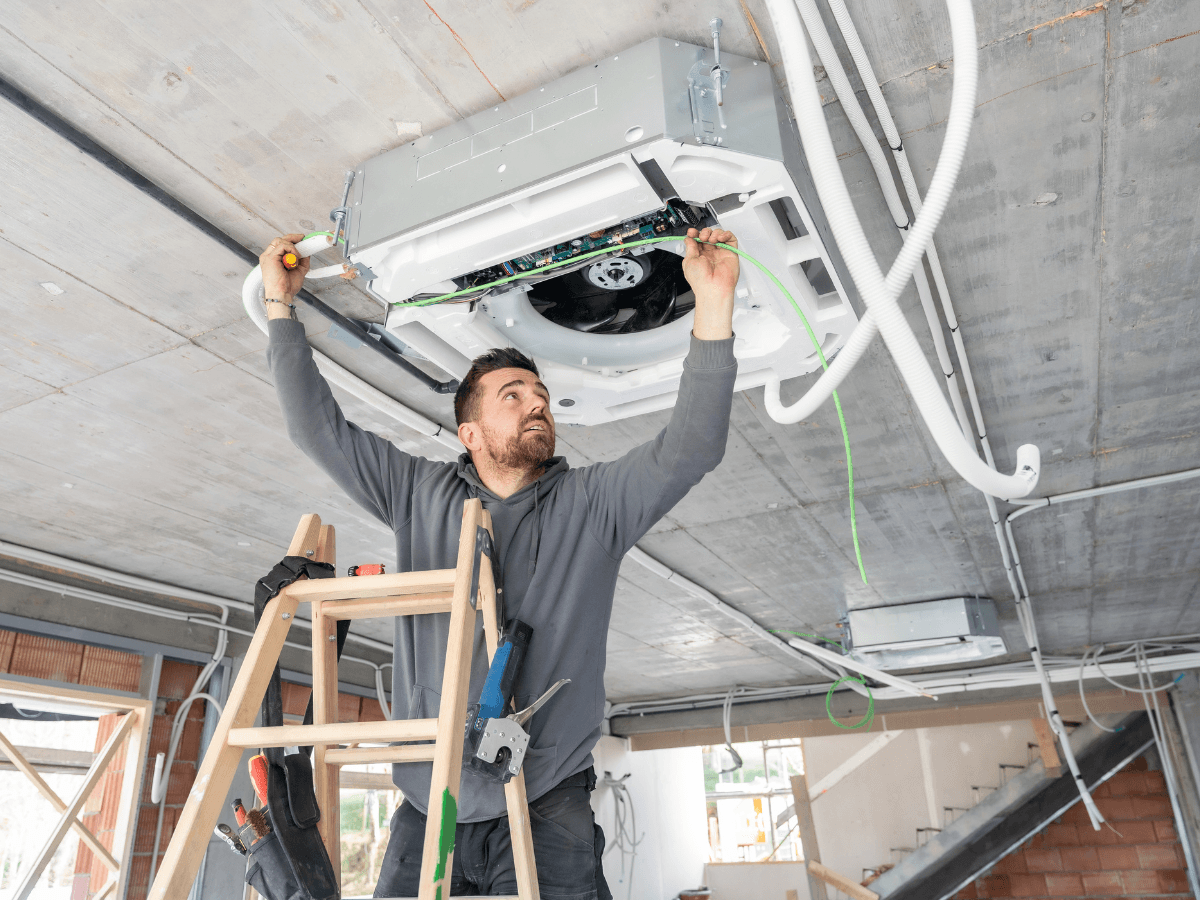
For many homeowners, the decision to schedule air duct cleaning comes down to balancing cost with long-term value.
While prices can vary depending on the home and HVAC system, professional duct cleaning is often viewed as part of a broader maintenance strategy that supports indoor air quality, HVAC efficiency, and system longevity.
Understanding the pricing structure and overall cleaning benefits can help homeowners determine whether professional service is a worthwhile investment for their property.
What Professional Air Duct Cleaning Typically Costs
The cost of professional duct cleaning depends on several factors, including the size of the home, the complexity of the HVAC system, and the condition of the ductwork. In many cases, homeowners can expect pricing to fall somewhere between a few hundred dollars and over $1,000 for larger or more complex systems.
Smaller homes with easily accessible duct systems generally cost less to clean than multi-story homes with extensive duct networks.
Homes with severe contamination, heavy dust buildup, mold concerns, or post-construction debris may also require more labor and specialized cleaning methods, which can increase the final price.
Some HVAC companies include additional services such as vent cleaning, blower component cleaning, or system inspections as part of the package. Because service quality can vary, homeowners should compare quotes carefully and understand exactly what is included before scheduling work.
One of the important cleaning benefits homeowners often consider is the potential reduction in long-term HVAC maintenance costs. Cleaner systems may operate more efficiently and experience less strain over time, which can contribute to improved performance and fewer airflow-related issues.
How Duct Cleaning Costs Are Determined
Several factors influence how companies calculate duct cleaning costs. One of the biggest variables is the type and layout of the duct system itself. Older homes, custom layouts, or systems with difficult access points often require more time and specialized equipment.
The condition of the ducts also affects pricing. Systems with years of accumulated dust, pet hair, mold growth, or debris from renovations usually require more extensive cleaning procedures than systems that have been maintained regularly.
Accessibility is another major consideration. If technicians need additional time to reach attic ducts, crawl spaces, or tightly enclosed HVAC components, labor costs may increase.
Geographic location can also influence pricing. Areas with higher labor costs or strong market demand for HVAC services may see higher average service rates. At the same time, local competition among service providers can create pricing differences between companies offering similar work.
Some providers offer financing or maintenance plans that include periodic inspections and cleanings. For homeowners planning long-term HVAC maintenance, these options may help spread out costs over time.
Evaluating The Long-Term Value Of Duct Cleaning
While cost is an important factor, many homeowners also consider the overall value of the service. One of the biggest cleaning benefits associated with professional duct cleaning is improved airflow throughout the home.
When ducts are free of heavy buildup, HVAC systems often operate more efficiently and distribute air more evenly. Cleaner duct systems may also help reduce indoor dust levels and improve air quality, particularly in households with pets, allergy sufferers, or smokers.
In homes where family members experience respiratory sensitivities, these improvements can make a noticeable difference in overall comfort.
Energy efficiency is another potential advantage. Restricted airflow caused by debris buildup forces HVAC systems to work harder and run longer cycles. Professional cleaning can help reduce that strain, which may contribute to lower utility costs over time.
The service may also support the long-term lifespan of HVAC equipment. Cleaner airflow pathways reduce stress on motors, fans, and filters, helping systems maintain more consistent performance.
Choosing A Quality Service Provider
Because pricing and service quality can vary, homeowners should research providers carefully before scheduling work. Reputable companies typically provide clear estimates, explain their cleaning process in detail, and inspect the system before beginning service.
It is also helpful to verify licensing, insurance, and customer reviews. Companies using professional-grade equipment and trained technicians are generally better equipped to deliver the full cleaning benefits associated with proper duct maintenance.
When viewed as part of a complete HVAC care routine, professional duct cleaning can provide value beyond the immediate service itself by supporting cleaner indoor air, improved system efficiency, and better long-term home comfort.
Maintaining Clean Air Ducts And HVAC Systems
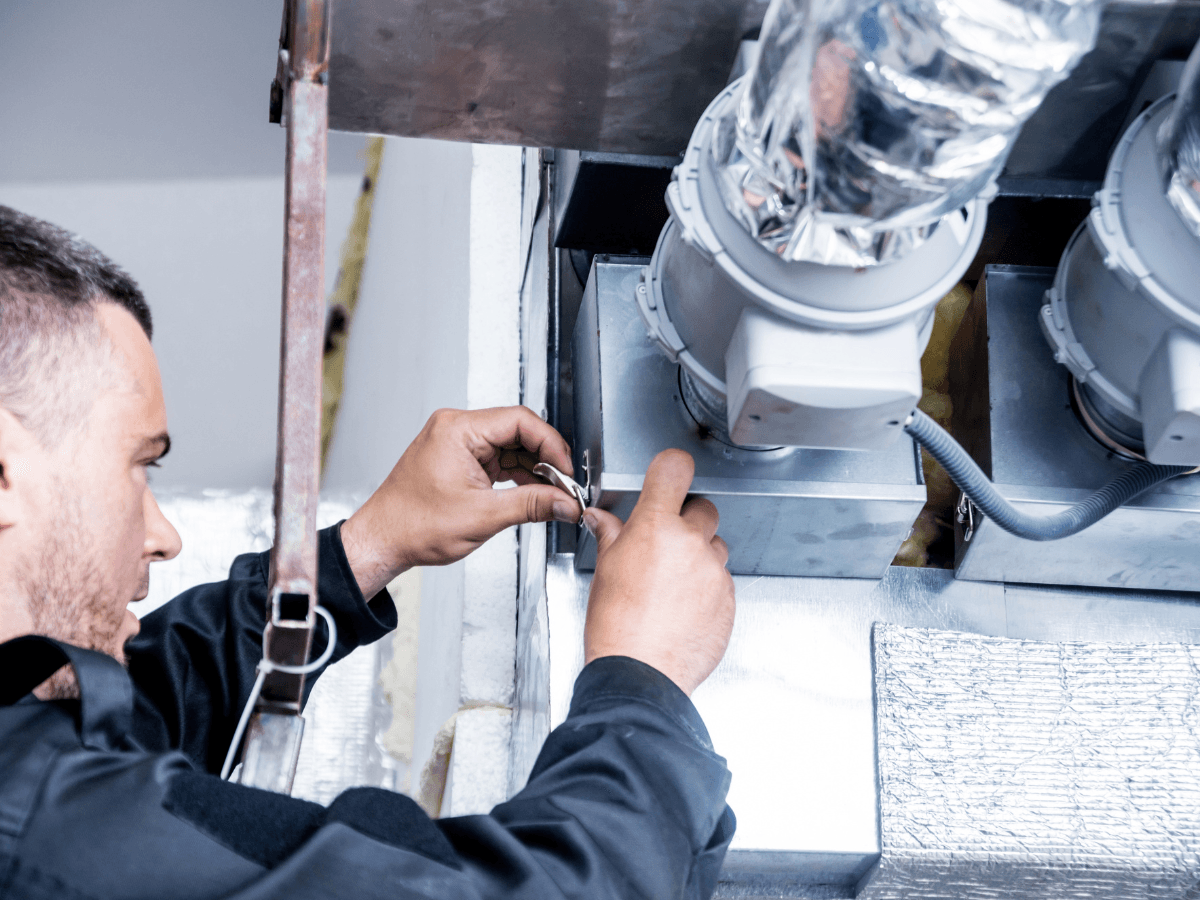
Professional duct cleaning can make a noticeable difference in indoor air quality and HVAC performance, but maintaining those results requires ongoing care.
Without regular upkeep, dust, allergens, and debris can gradually build up again, reducing airflow efficiency and limiting the long-term cleaning benefits homeowners expect from the service.
A proactive maintenance routine helps keep HVAC systems running efficiently while also supporting cleaner air throughout the home.
How To Maintain Clean Air Ducts After Professional Cleaning
Once air ducts have been professionally cleaned, one of the most important steps homeowners can take is staying consistent with routine HVAC maintenance. Even a well-cleaned system can quickly accumulate dust if filters are neglected or airflow problems go unaddressed.
Changing air filters regularly is one of the simplest and most effective ways to preserve the cleaning benefits of professional duct service.
Dirty filters force HVAC systems to work harder and allow dust and particles to circulate through the ductwork. Most homes benefit from filter changes every one to three months, although homes with pets, allergies, or high HVAC usage may require more frequent replacement.
Keeping vents and registers clean also plays an important role. Dust buildup around vents can eventually make its way back into the system. Vacuuming vents and ensuring furniture or rugs are not blocking airflow helps maintain consistent air circulation throughout the home.
Humidity control is another factor many homeowners overlook. Excess moisture inside a home can contribute to mold growth within duct systems, particularly in humid climates. Using dehumidifiers when needed and addressing leaks quickly can help prevent moisture-related contamination.
Best Practices For HVAC System Maintenance
Maintaining an HVAC system involves more than occasional filter changes. A complete maintenance plan focuses on airflow, equipment performance, and indoor air quality as a whole.
Scheduling annual HVAC inspections is one of the best ways to identify small issues before they become larger problems. During these inspections, technicians can check airflow, inspect blower components, evaluate duct connections, and ensure the system is operating efficiently.
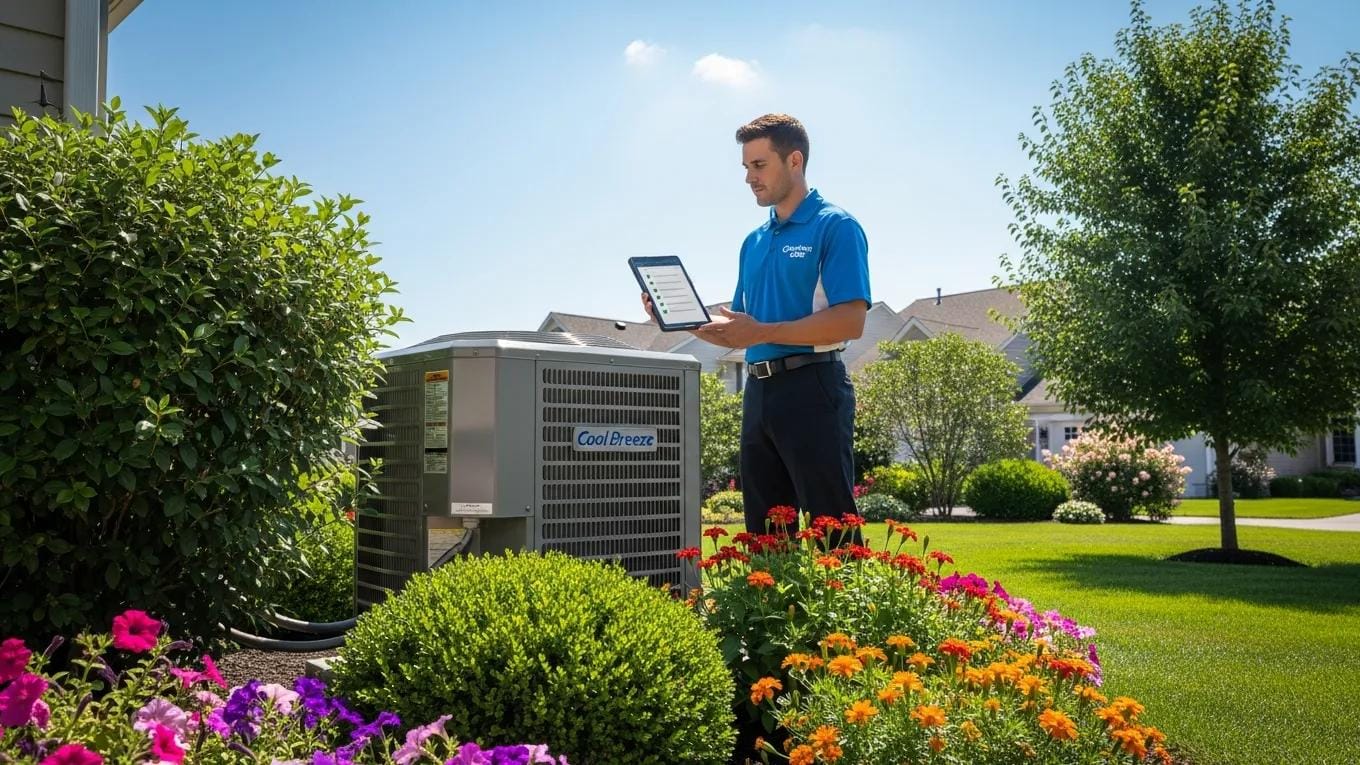
Keeping the area around indoor HVAC units clean is equally important. Dust, pet hair, and debris around the system can eventually enter the ductwork or reduce equipment performance. Homeowners should also make sure outdoor condenser units remain free from leaves, dirt, and overgrown vegetation.
Air quality monitoring has also become more common in modern homes. Indoor air quality monitors can help homeowners track humidity levels, airborne particles, and ventilation concerns. These tools provide useful insight into whether HVAC systems are maintaining healthy indoor conditions over time.
One of the often-overlooked cleaning benefits of routine HVAC maintenance is improved system consistency. Homes with well-maintained systems typically experience more even temperatures, better airflow, and fewer issues with dust buildup between cleanings.
How Regular Maintenance Extends Cleaning Benefits
Professional duct cleaning is most effective when paired with long-term maintenance habits. Without ongoing care, contaminants can slowly return to the duct system and reduce many of the improvements gained during cleaning.
Routine maintenance helps preserve airflow efficiency by preventing heavy dust accumulation inside ducts and HVAC components. This allows the system to operate with less strain, which may contribute to lower energy usage and reduced wear on critical parts.
Consistent upkeep can also help maintain healthier indoor air quality. Homes with properly maintained HVAC systems often experience fewer airborne irritants, which can be especially beneficial for people with allergies, asthma, or respiratory sensitivities.
Another advantage is system longevity. HVAC systems that operate under cleaner conditions tend to experience less stress over time. Motors, fans, and filters can perform more efficiently when airflow is unrestricted and debris levels are controlled.
Ultimately, the long-term cleaning benefits of professional air duct service depend heavily on what happens afterward. Homeowners who combine professional cleaning with regular inspections, filter replacements, and preventative HVAC care are far more likely to maintain efficient performance and cleaner indoor air for years to come.
Expert Insights on Air Duct Cleaning Benefits

Research surrounding indoor air quality continues to highlight the importance of maintaining clean HVAC systems and ductwork.
While air duct cleaning is not always necessary on a fixed schedule, many experts agree that it can provide meaningful cleaning benefits when contamination, dust buildup, mold growth, or airflow restrictions are present.
Studies focused on HVAC system performance have shown that excessive dust and debris inside duct systems can reduce airflow efficiency and place additional strain on heating and cooling equipment.
When airflow becomes restricted, systems often consume more energy to maintain indoor comfort levels. Professional cleaning helps remove these obstructions, allowing HVAC systems to operate more efficiently.
Health professionals and indoor air quality specialists also point to the connection between contaminated ductwork and respiratory irritation. Dust, pollen, pet dander, and mold spores can circulate throughout a home when ducts are heavily soiled.
For households with allergies, asthma, or other respiratory sensitivities, reducing airborne contaminants may contribute to a more comfortable indoor environment.
Experts often stress that the greatest cleaning benefits come from combining duct cleaning with broader HVAC maintenance practices. Replacing filters regularly, controlling indoor humidity, and scheduling routine inspections all help maintain cleaner air and improve system performance over time.
What Are The Latest 2024-2026 Statistics On Energy And Health Improvements?
Recent industry data from 2024 through 2026 continues to reinforce the value of HVAC maintenance and air duct cleaning in both residential and commercial settings.
Several reports suggest that clean HVAC systems can improve airflow efficiency enough to reduce energy consumption by approximately 10% to 30%, depending on the condition of the system before cleaning.
These energy savings are especially noticeable in older homes or buildings with neglected HVAC systems. When ductwork is clogged with debris, heating and cooling equipment must work harder to circulate air. Removing buildup helps systems operate more efficiently, which may lower monthly utility costs over time.
Health-related findings have also remained consistent in recent studies. Many homeowners report fewer allergy symptoms and less indoor dust after professional duct cleaning services.
While duct cleaning is not considered a cure for respiratory issues, cleaner airflow may help reduce exposure to common airborne irritants.
Another growing area of research focuses on mold prevention and moisture control within HVAC systems. Studies continue to show that excess moisture inside ductwork can contribute to mold growth, particularly in humid climates.
Professional cleaning combined with humidity management can help reduce this risk and improve indoor air conditions. These findings continue to support the long-term cleaning benefits associated with properly maintained duct systems.
Which Authoritative Organizations Endorse Professional Duct Cleaning?
Several respected organizations within the HVAC and indoor air quality industries recognize the value of professional air duct cleaning under the right conditions.
The National Air Duct Cleaners Association, commonly known as NADCA, provides industry standards and best practices for HVAC cleaning professionals.
The organization recommends cleaning when visible contamination, excessive dust buildup, mold growth, or pest infestations are present inside the duct system. The United States Environmental Protection Agency also acknowledges that duct cleaning may improve indoor air quality in certain situations.
While the EPA does not recommend routine cleaning on a fixed timeline for every home, it does support professional cleaning when contaminants are affecting airflow or indoor conditions. Industry experts frequently emphasize that professional service quality matters just as much as the cleaning itself.
Certified technicians who follow recognized cleaning standards are more likely to perform thorough inspections, use proper containment methods, and avoid damage to HVAC components during the cleaning process.
These recommendations from established organizations help homeowners better understand when duct cleaning is appropriate and how professional service can deliver meaningful cleaning benefits for indoor comfort, energy efficiency, and long-term HVAC performance.
Conclusion
Investing in professional air duct cleaning can improve indoor air quality, support HVAC efficiency, and help create a cleaner, more comfortable home environment.
Over time, dust, debris, allergens, and other contaminants can build up inside your ductwork, affecting airflow and potentially impacting the air your family breathes every day. Working with a trusted HVAC company ensures the job is done thoroughly and safely.
CoolPro Heating & Cooling offers reliable HVAC services designed to help homeowners maintain healthier, more efficient HVAC systems year-round. To learn more about the benefits of professional duct cleaning or to schedule service, call 770-694-6232 or submit a service request through our site form today.