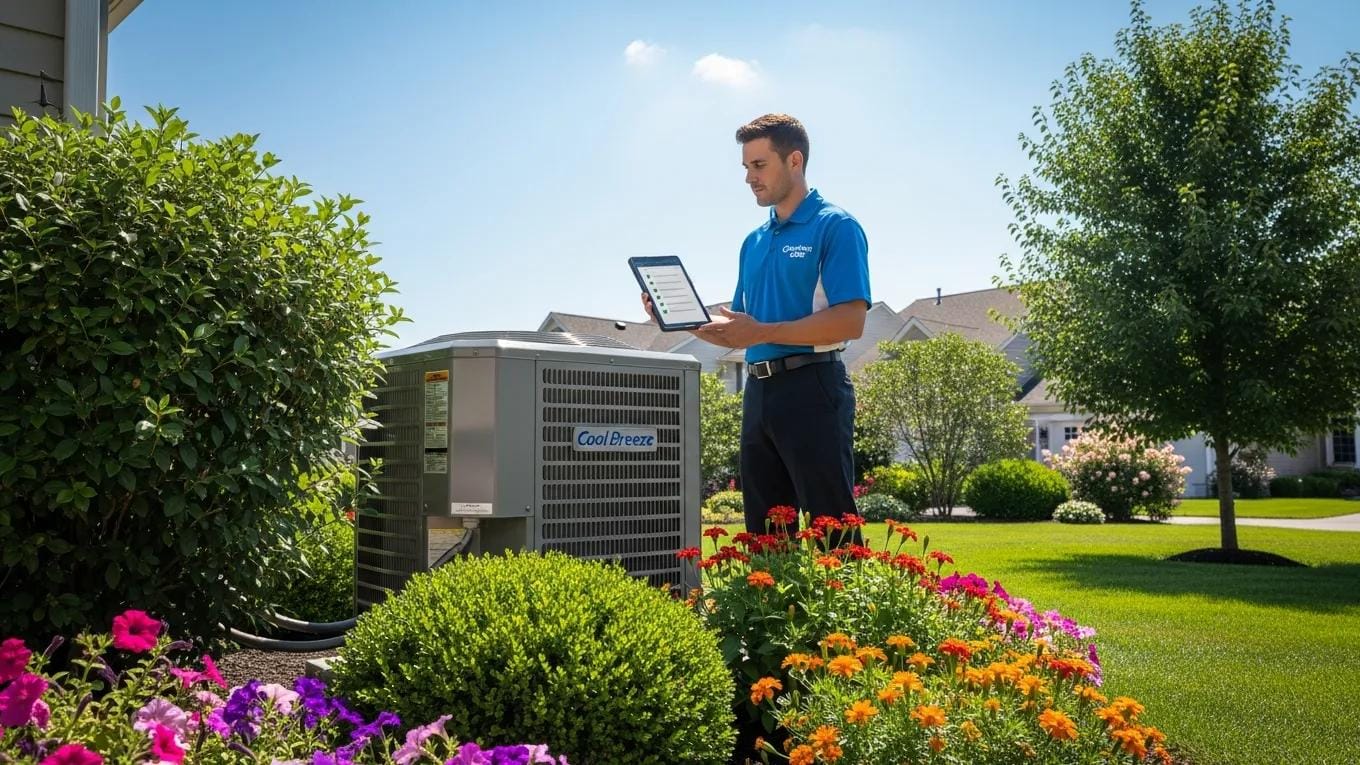
Your air conditioner works hardest during the hottest months of the year, and a little preparation before summer arrives can make a big difference in both comfort and efficiency.
Dust buildup, clogged filters, and worn components can reduce cooling performance, increase energy costs, and raise the risk of unexpected breakdowns when you need your system most.
A summer HVAC prep checklist helps ensure your system is ready for the demands of the season. Simple tasks like replacing air filters, clearing debris around the outdoor unit, checking airflow, and scheduling routine maintenance can improve performance while reducing unnecessary strain on your equipment.
By tackling these preventative steps early, you can enjoy more reliable cooling, lower utility bills, and greater confidence that your HVAC system is prepared for the summer heat.
What to Include in Your Summer HVAC Prep Routine
How to Perform a Complete Summer HVAC Prep Checklist
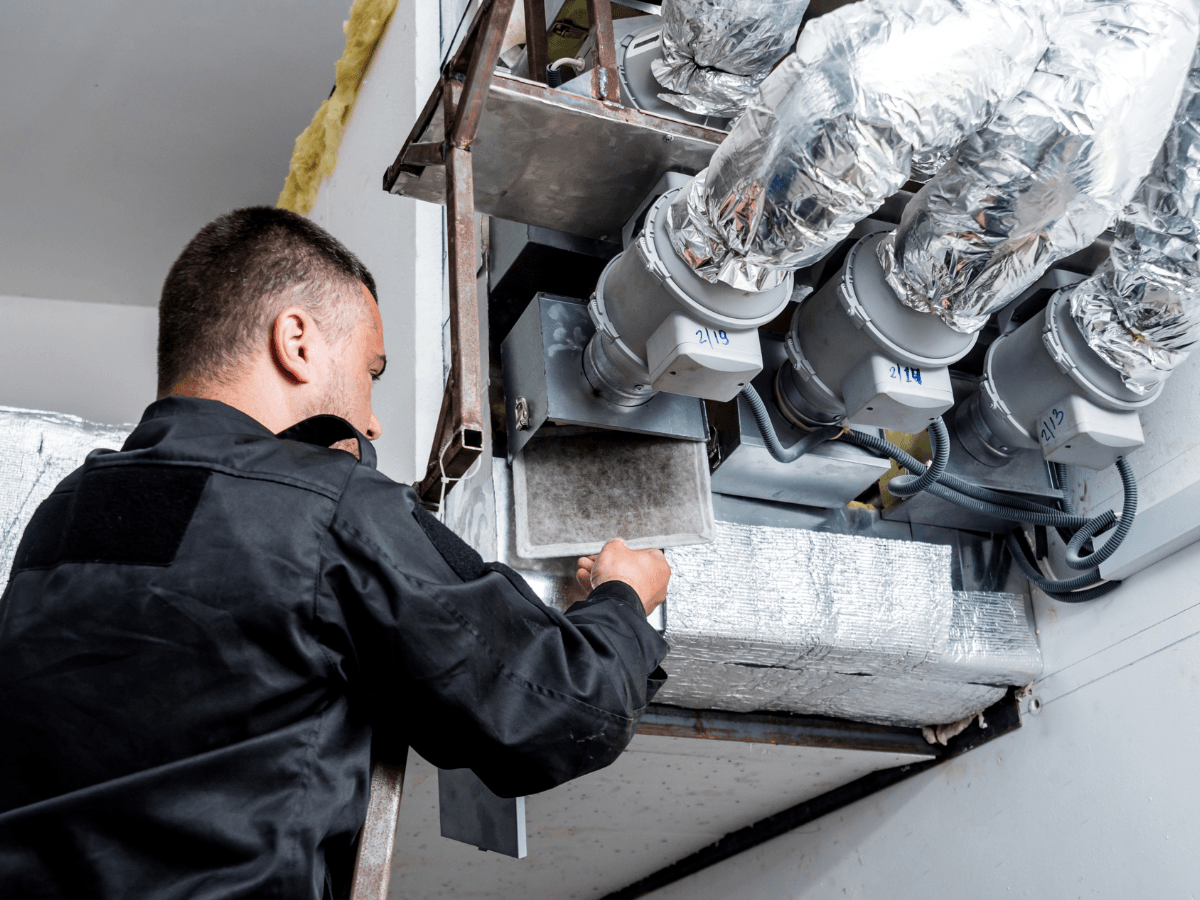
Getting your cooling system ready before temperatures climb is one of the best ways to improve efficiency, lower energy costs, and reduce the risk of unexpected breakdowns.
A thorough summer HVAC prep routine doesn’t just focus on one component. It ensures the entire system is clean, operating safely, and ready to handle extended periods of heavy use.
Whether you complete a few maintenance tasks yourself or schedule professional service, preparing early can help your air conditioner perform more reliably throughout the season.
Start With the Most Important Maintenance Tasks
A successful summer HVAC prep plan begins with a few essential maintenance steps that have the biggest impact on system performance.
Schedule a professional HVAC tune-up before peak cooling season. During a maintenance visit, a technician can inspect electrical components, test system performance, identify worn parts, and address small issues before they turn into costly repairs.
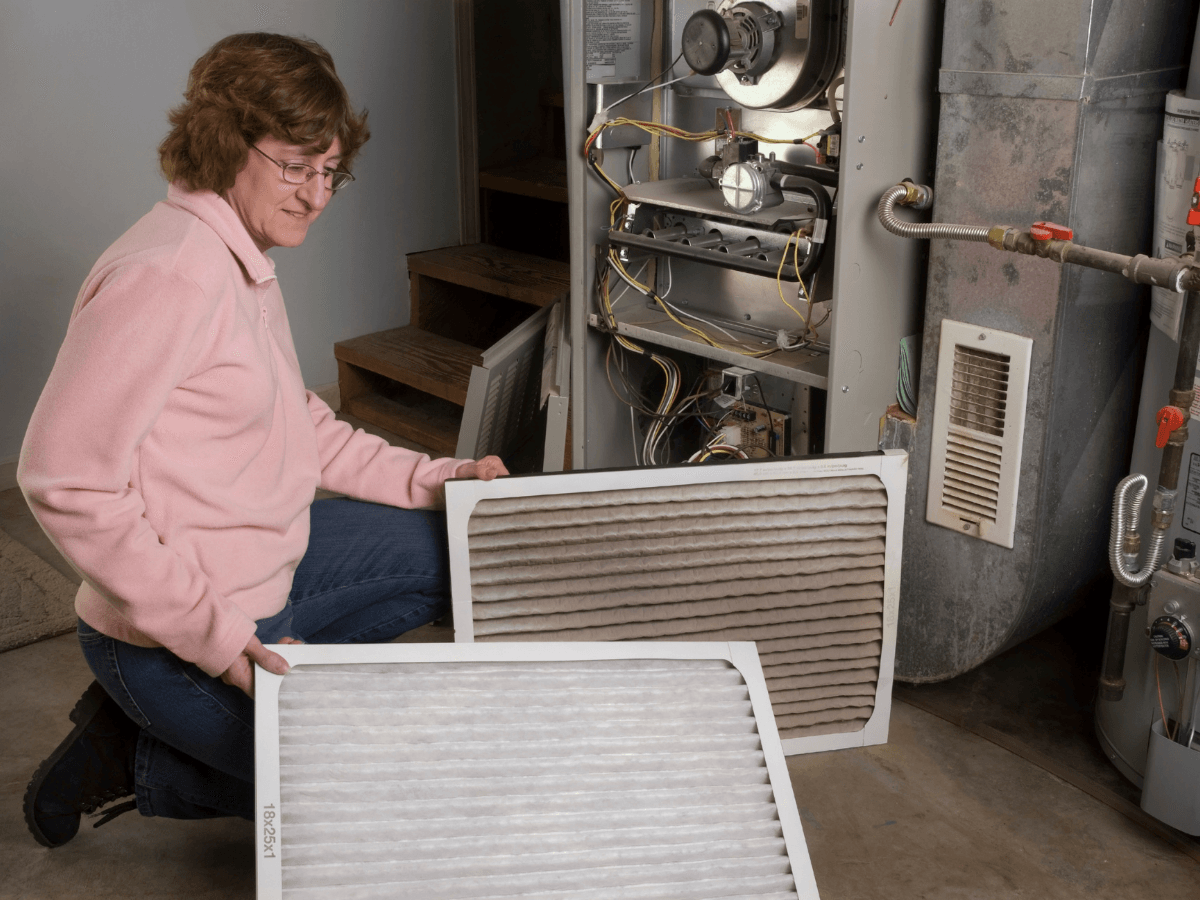
Next, check your air filter. A clogged filter restricts airflow, forcing your system to work harder while reducing indoor comfort and energy efficiency. Most homeowners should replace disposable filters every one to three months, although homes with pets, allergies, or higher HVAC usage may require more frequent changes.
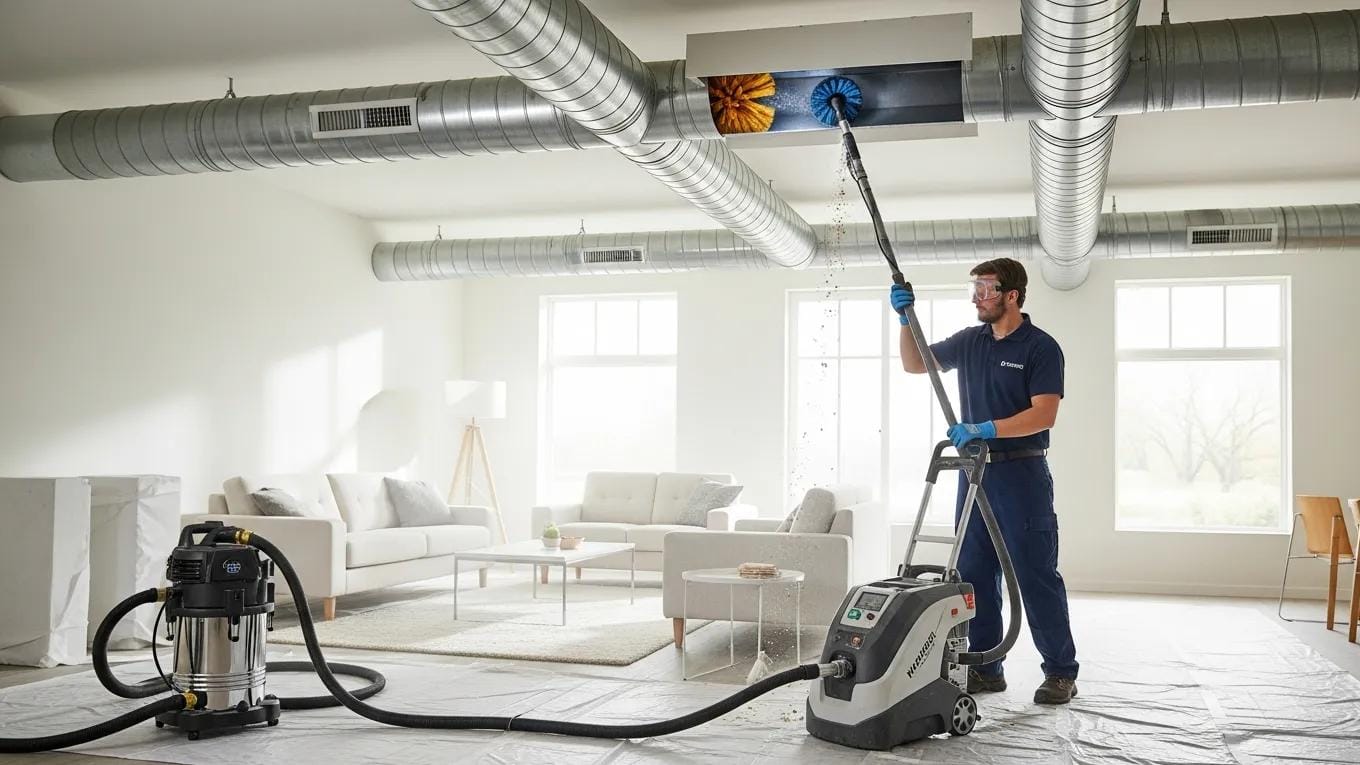
It’s also worth inspecting visible ductwork for loose connections or leaks. Air escaping through damaged ducts can significantly reduce cooling efficiency and make it harder to maintain consistent temperatures throughout your home.
Inspect the Components That Affect Cooling Performance
Several HVAC components require periodic cleaning and inspection to keep the system operating efficiently during the summer.
The evaporator and condenser coils are responsible for transferring heat. When dirt accumulates on either coil, heat exchange becomes less efficient, increasing energy consumption and placing additional strain on the compressor. Keeping these coils clean allows your system to cool your home more effectively.
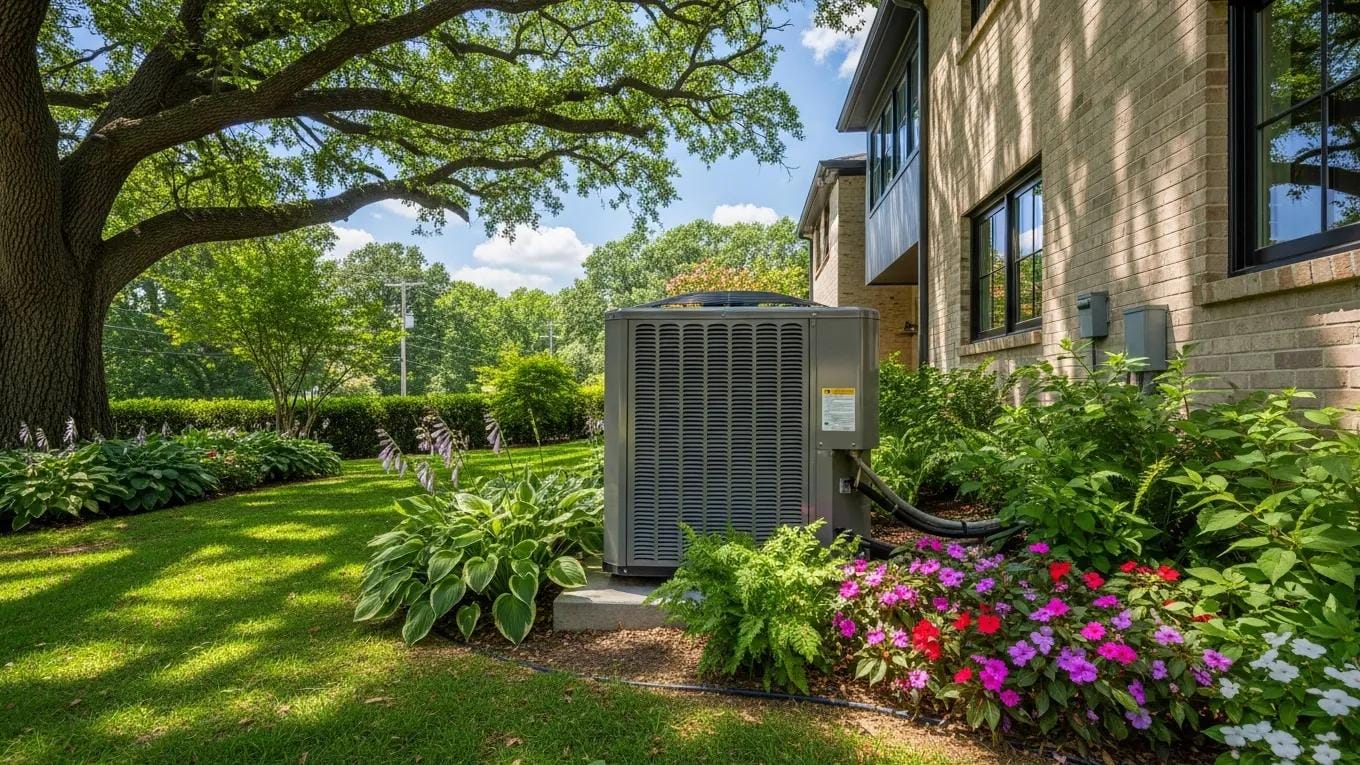
The outdoor condenser unit also needs attention. Remove leaves, grass clippings, and other debris from around the unit, and maintain at least two feet of open space on all sides to ensure unrestricted airflow.
Another commonly overlooked item is the condensate drain line. Over time, algae and debris can clog the drain, leading to water leaks, excess indoor humidity, or even automatic system shutdowns. Checking that the drain line is flowing freely is a simple step that can prevent unnecessary service calls.
How Often Should Filters and Refrigerant Be Checked?
Air filters should generally be inspected every month during periods of heavy use and replaced every one to three months, depending on the filter type and household conditions. Clean filters improve airflow, reduce energy consumption, and help maintain better indoor air quality.
Refrigerant is different. Unlike filters, refrigerant is not something that should require routine topping off. Your air conditioner operates as a sealed system, so low refrigerant levels usually indicate a leak that requires professional repair.
During a seasonal maintenance appointment, an HVAC technician should verify refrigerant pressure and inspect the system for leaks if cooling performance appears to have declined.
Additional Summer HVAC Prep Tips
A few extra maintenance steps can further improve system performance before the hottest weather arrives:
- Test your thermostat to ensure it’s reading temperatures accurately and following programmed schedules.
- Listen for unusual noises or vibrations when the system starts, as these can indicate worn components.
- Check that all supply and return vents remain open and unobstructed by furniture or rugs.
- Trim vegetation surrounding the outdoor condenser to maintain proper airflow.
These simple inspections often reveal minor issues before they develop into expensive repairs.
Completing a thorough summer HVAC prep routine each year helps your cooling system operate more efficiently, improves indoor comfort, and reduces the likelihood of unexpected breakdowns during the hottest months.
By combining routine homeowner maintenance with annual professional service, you can maximize the lifespan of your HVAC system while keeping energy costs under control throughout the summer.
Improve HVAC Efficiency and Lower Summer Cooling Costs
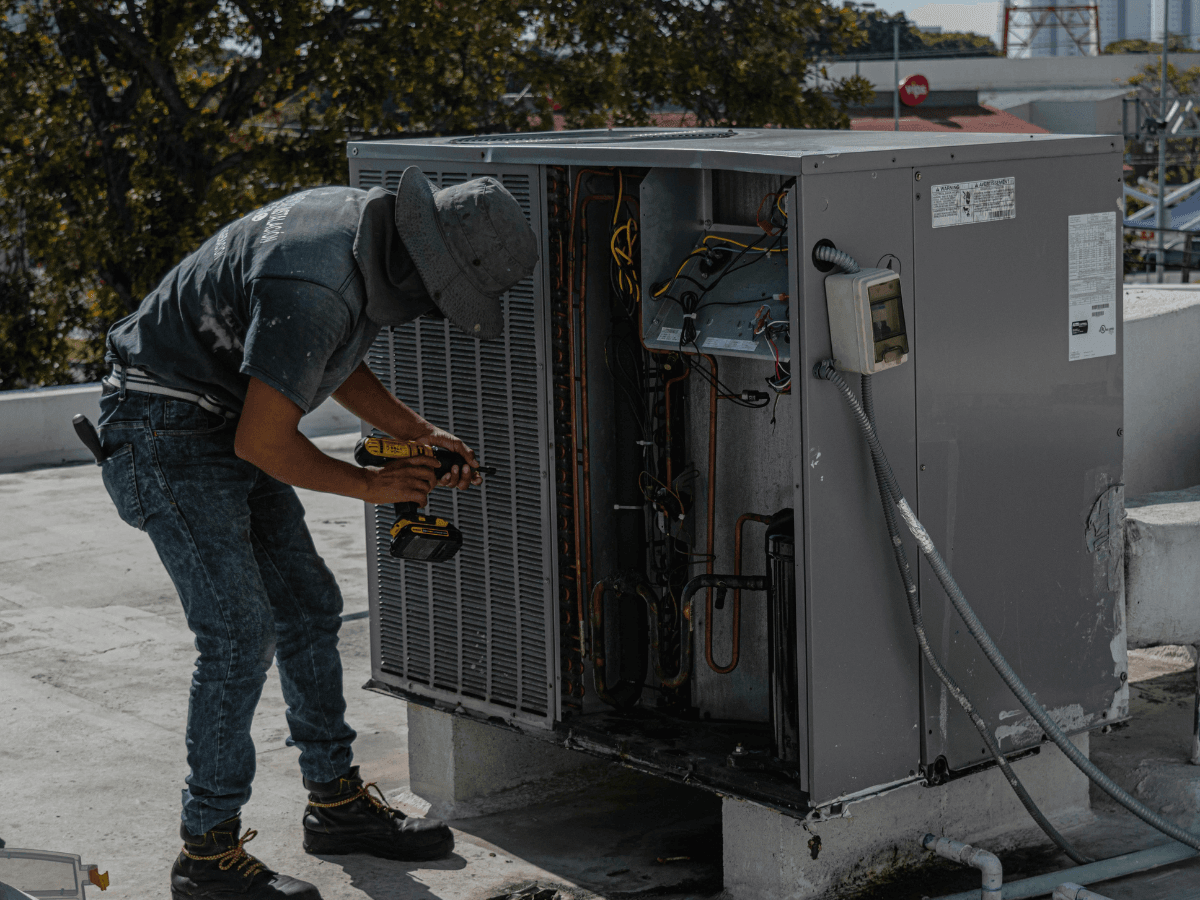
Keeping your home cool during the hottest months doesn’t have to mean higher utility bills. While air conditioners naturally work harder in summer, a combination of smart thermostat settings, routine maintenance, and improved home efficiency can significantly reduce energy use without sacrificing comfort.
In fact, many of the biggest energy savings come from addressing small issues before they force your HVAC system to work overtime. Making summer HVAC prep part of your seasonal routine helps improve cooling performance while reducing unnecessary wear on your equipment.
Energy-Saving Habits That Make a Noticeable Difference
Some of the most effective ways to lower cooling costs don’t require replacing your HVAC system. Instead, they focus on helping your existing equipment operate more efficiently.
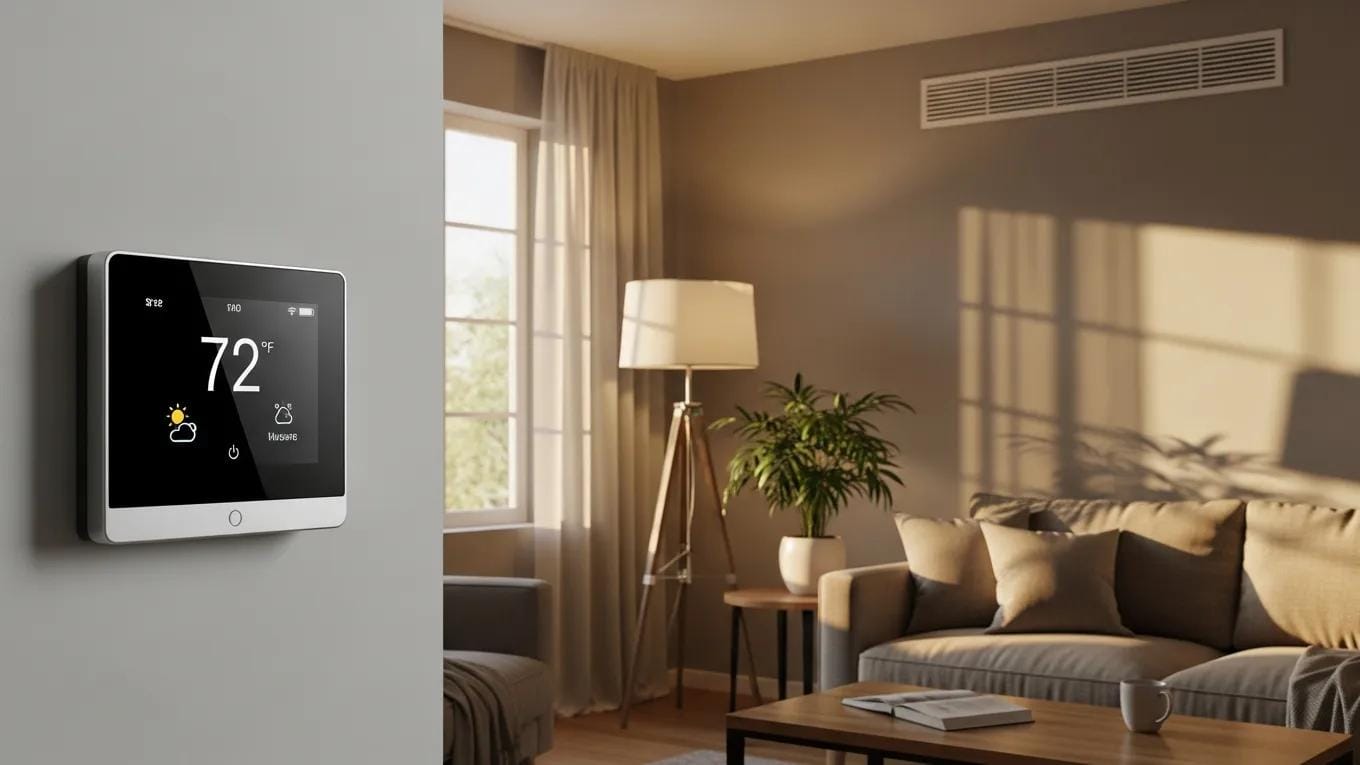
A programmable or smart thermostat is one of the simplest upgrades. Setting the temperature a few degrees higher while you’re away prevents unnecessary cooling, and the system can automatically return to a comfortable setting before you arrive home.
Improving your home’s air sealing also makes a measurable difference. Warm air entering through gaps around windows, doors, or attic access points forces your air conditioner to run longer than necessary. Sealing these leaks helps keep conditioned air inside where it belongs.
Ceiling fans are another useful addition. Although they don’t actually lower room temperature, they improve air circulation and create a cooling effect that often allows homeowners to raise the thermostat by several degrees while maintaining comfort.
How Smart Thermostats Improve Summer HVAC Performance
Smart thermostats do much more than automate temperature changes. Many models learn your daily routines, adjust cooling schedules based on occupancy, and provide energy reports that help identify opportunities to reduce consumption.
Features commonly available include:
- Automatic scheduling based on your daily routine.
- Remote temperature control through a smartphone app.
- Energy usage reports that highlight cooling trends.
- Maintenance reminders for filter replacement and seasonal service.
These tools help homeowners avoid unnecessary cooling while maintaining consistent indoor comfort. When paired with a well-maintained HVAC system, smart thermostats can become an important part of an effective summer HVAC prep strategy.
Preventive Maintenance Helps Reduce Energy Bills
One of the most overlooked ways to improve efficiency is simply keeping your HVAC system clean and properly maintained. Dirt, clogged filters, and worn components force the system to consume more energy while delivering less cooling.
Scheduling annual professional maintenance before peak summer temperatures allows technicians to inspect electrical components, clean coils, verify refrigerant levels, and identify small issues before they become expensive repairs.
Homeowners can also improve efficiency between service visits by replacing air filters regularly, keeping supply and return vents unobstructed, and clearing debris from around the outdoor condenser unit. These simple tasks improve airflow and help the system cool more effectively.
Don’t Forget Your Home’s Insulation and Air Leaks
Even the most efficient air conditioner can’t perform well if cool air constantly escapes from your home. During your summer HVAC prep, inspect common areas where conditioned air may be leaking, including windows, exterior doors, attic hatches, and visible ductwork.
Proper insulation also plays an important role. A well-insulated attic reduces heat transfer into your home, allowing the HVAC system to maintain comfortable temperatures with less effort.
A Few Small Changes Can Deliver Long-Term Savings
Lowering summer cooling costs rarely depends on a single improvement. Instead, it’s the combination of routine maintenance, efficient thermostat settings, proper insulation, and regular system inspections that delivers the greatest results.
By making energy efficiency part of your annual summer HVAC prep, you’ll not only reduce monthly utility bills but also help extend the lifespan of your equipment, improve indoor comfort, and decrease the likelihood of unexpected breakdowns during the hottest part of the year.
Common Summer HVAC Problems and How to Troubleshoot Them
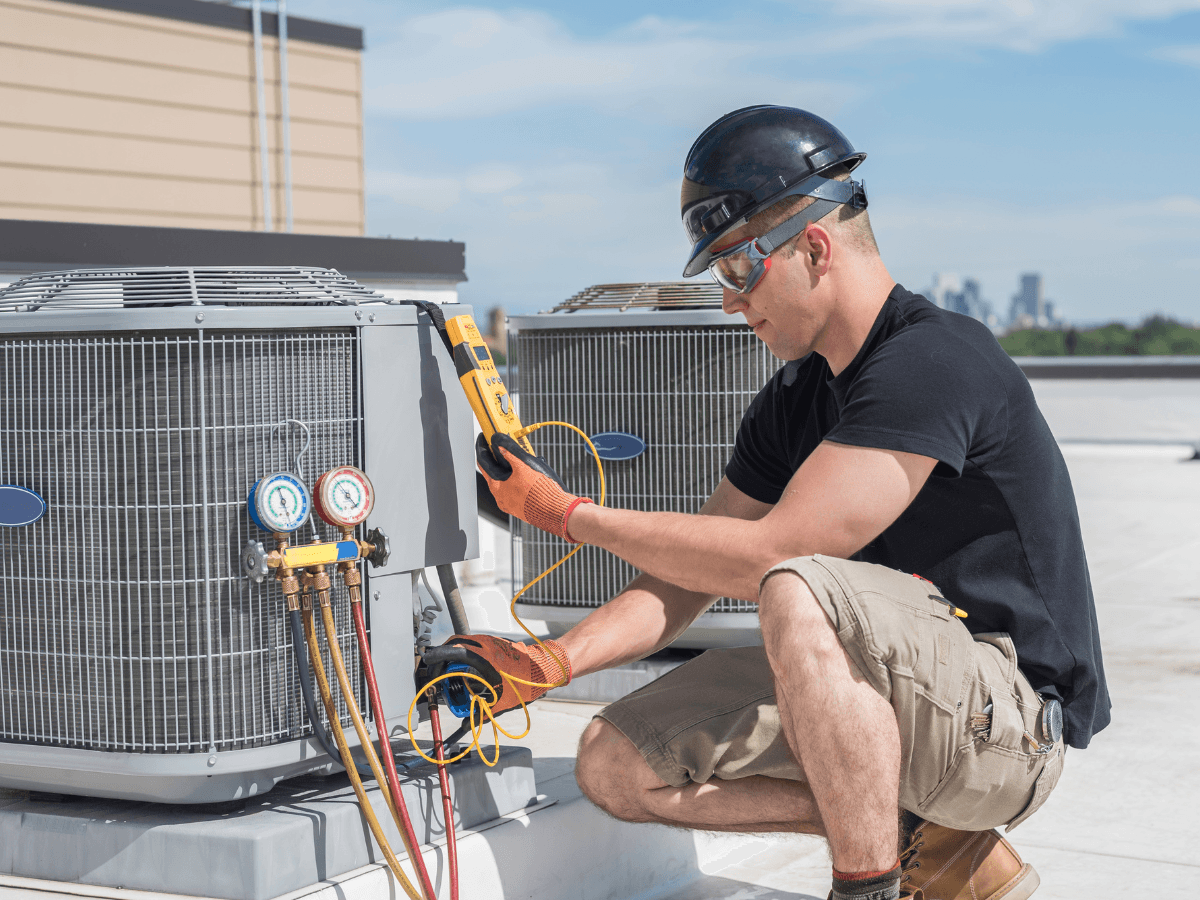
Even a well-maintained air conditioner can experience problems during periods of extreme heat. As outdoor temperatures rise, your HVAC system works longer and harder to keep your home comfortable, placing additional stress on every component.
Knowing how to recognize early warning signs can help you address small issues before they lead to expensive repairs or complete system failure.
As part of your annual summer HVAC prep, it’s worth learning which symptoms require immediate professional attention and which may have simple solutions you can check yourself.
Signs Your HVAC System May Be Struggling
Air conditioners rarely stop working without warning. In many cases, they begin showing subtle signs that performance is declining.
Some of the most common indicators include uneven cooling throughout the home, longer run times, rising utility bills, or unusual noises during operation. These symptoms often point to restricted airflow, dirty components, worn parts, or ductwork issues that reduce efficiency.
Pay attention if you notice:
- Rooms that never seem to reach the thermostat setting.
- Weak airflow from supply vents.
- Grinding, rattling, buzzing, or squealing noises.
- Higher-than-normal energy bills without increased usage.
- A system that runs continuously but struggles to cool the home.
Addressing these issues early can often prevent more significant repairs later in the season.
Early Warning Signs of an AC Breakdown
Some problems indicate that your air conditioner may be approaching a complete breakdown if left unresolved.
Warm air blowing from the vents is one of the most obvious warning signs. This may be caused by low refrigerant, a malfunctioning compressor, thermostat issues, or restricted airflow. Likewise, frequent short cycling, where the system repeatedly turns on and off, can signal electrical problems, dirty coils, or an improperly sized system.
Other warning signs include water pooling around the indoor unit, frozen evaporator coils, unpleasant odors coming from the vents, or sudden increases in indoor humidity despite the air conditioner running.
While homeowners can replace air filters, check thermostat settings, and ensure vents remain unobstructed, persistent performance issues should be evaluated by an HVAC professional.
Simple Troubleshooting Before Calling for Service
Before scheduling a repair appointment, there are a few basic checks homeowners can safely perform.
Verify that the thermostat is set to cooling mode and that the temperature setting is below the current room temperature. Inspect the air filter to see whether it has become clogged, as restricted airflow is one of the most common causes of poor cooling performance.
Outside, make sure the condenser unit is free of leaves, grass clippings, and debris that could block airflow. Also check that circuit breakers haven’t tripped after a power outage.
If these simple steps don’t restore normal operation, continuing to run the system may place additional strain on the equipment.
When Should You Schedule a Professional HVAC Inspection?
The best time for a professional inspection is before the hottest part of summer, ideally as part of your annual summer HVAC prep. Preventive maintenance allows technicians to identify worn components before they fail under heavy demand.
During a professional inspection, an HVAC technician will typically:
- Test overall cooling performance.
- Verify refrigerant pressure and check for leaks.
- Inspect electrical connections and safety controls.
- Clean critical components such as coils when needed.
- Evaluate the blower motor, condensate drain, and airflow throughout the system.
This proactive approach helps catch small problems before they become emergency repairs during peak cooling season.
Why Preventive Inspections Are Worth It
Annual inspections do more than reduce the likelihood of breakdowns. A properly maintained HVAC system operates more efficiently, uses less energy, provides more consistent indoor comfort, and often lasts significantly longer than one that receives only reactive repairs.
Including professional service as part of your summer HVAC prep also gives homeowners greater peace of mind.
Instead of wondering whether the air conditioner will survive the next heat wave, you can enter the season knowing your system has been thoroughly inspected and is prepared to perform when you need it most.
Professional HVAC Tune-Ups and Preventive Maintenance
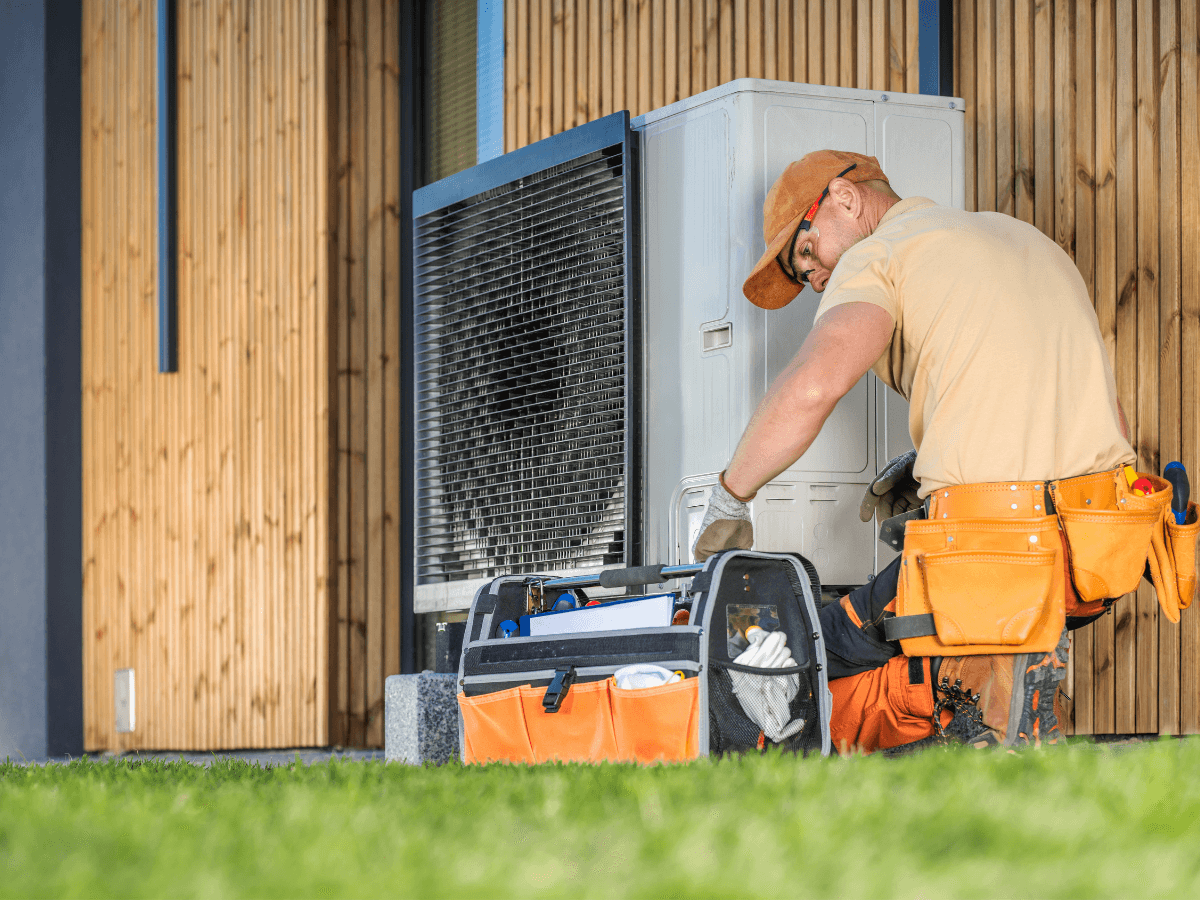
Homeowners can handle basic maintenance tasks like replacing air filters and clearing debris around the outdoor unit, but a professional tune-up goes much further. Annual service allows trained technicians to inspect, clean, and test the components that directly affect your air conditioner’s performance and reliability.
Scheduling a tune-up before temperatures peak is one of the most valuable parts of any summer HVAC prep plan. It helps ensure your system is operating efficiently before it faces months of continuous demand, reducing the risk of inconvenient and expensive breakdowns.
What Does a Professional Summer HVAC Tune-Up Include?
A comprehensive tune-up is designed to evaluate your system from top to bottom, not simply clean a few components.
During a typical maintenance visit, an HVAC technician may:
- Clean the evaporator and condenser coils to improve heat transfer.
- Check refrigerant pressure and inspect for leaks.
- Inspect electrical components and tighten loose connections.
- Test the thermostat for proper calibration and operation.
- Lubricate moving parts when applicable.
- Flush and inspect the condensate drain line.
- Evaluate blower performance and overall airflow.
- Verify that the system is cooling efficiently and operating safely.
By completing these inspections before the cooling season begins, technicians can identify worn components or developing problems before they lead to system failure.
How Preventive Maintenance Helps Avoid Costly Breakdowns
Many air conditioning failures don’t happen suddenly. Small issues such as worn capacitors, loose electrical connections, dirty coils, or low refrigerant often develop gradually before eventually causing the system to stop working.
Routine preventive maintenance helps identify these problems early, allowing repairs to be made before they become significantly more expensive.
Regular service also provides several long-term benefits, including:
- Improved cooling performance during periods of extreme heat.
- Greater system reliability throughout the summer.
- Lower monthly energy consumption.
- Reduced likelihood of emergency service calls.
- Better protection for manufacturer warranty coverage, when applicable.
For homeowners, preventive maintenance is often far less expensive than replacing major HVAC components after an unexpected breakdown.
How to Prepare Your HVAC System Before Summer Arrives
Professional maintenance works best when combined with a few homeowner responsibilities. As part of your annual summer HVAC prep, inspect the outdoor condenser for leaves, grass, and other debris that could restrict airflow.
Replace the air filter if it’s dirty, verify that supply and return vents remain unobstructed, and test the thermostat before the hottest weather arrives.
It’s also a good time to walk through your home and check for air leaks around windows, doors, and attic access points. Improving your home’s overall efficiency allows the HVAC system to cool more effectively while consuming less energy.
Completing these simple tasks before scheduling professional service helps ensure the technician can focus on optimizing system performance rather than correcting avoidable maintenance issues.
Why Consistent HVAC Maintenance Extends System Life
An HVAC system that operates under constant strain wears out much faster than one that receives routine care. Dirty components, restricted airflow, and neglected maintenance force the equipment to run longer and work harder to produce the same level of comfort.
Regular inspections, cleaning, and adjustments help reduce unnecessary stress on critical components such as the compressor, blower motor, and electrical system. Over time, this contributes to:
- Longer equipment lifespan.
- More consistent indoor temperatures.
- Improved energy efficiency.
- Better indoor air quality.
- Fewer unexpected repair bills.
Making professional maintenance a yearly priority transforms summer HVAC prep from a one-time checklist into a long-term strategy for protecting one of your home’s most valuable systems.
When combined with routine homeowner maintenance, annual tune-ups help keep your air conditioner operating efficiently, reliably, and comfortably throughout every cooling season.
HVAC Upgrades, New Regulations, and Long-Term Energy Savings
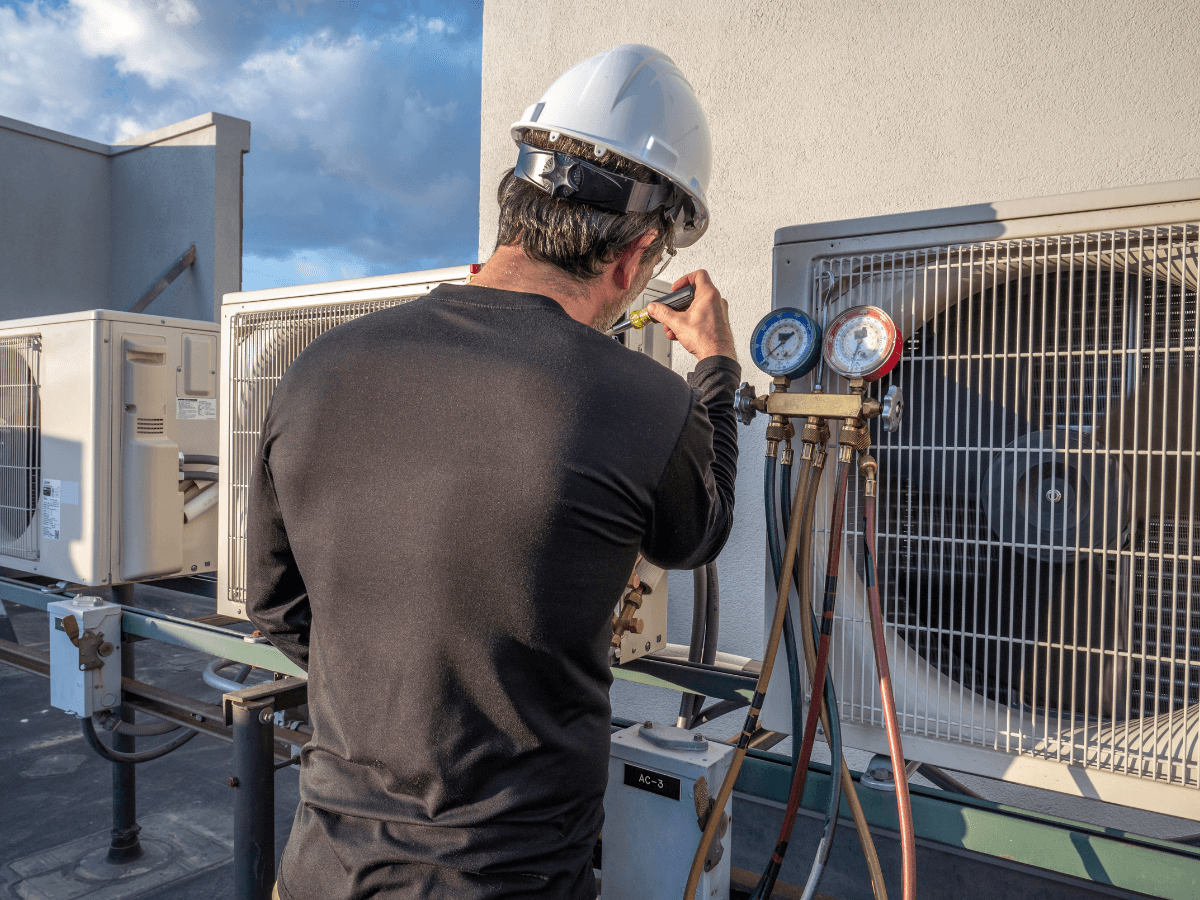
Routine maintenance is the foundation of reliable cooling, but it’s only one part of an effective summer HVAC prep strategy. If your air conditioner is more than 10 to 15 years old, requires frequent repairs, or struggles to keep your home comfortable, it may be time to consider long-term improvements.
Today’s HVAC systems are designed to be more energy efficient, quieter, and environmentally friendly than older models. Understanding recent efficiency standards and refrigerant changes can help you make informed decisions when it’s time to repair or replace your equipment.
How New Energy Efficiency Standards Affect HVAC Systems
Over the past several years, residential HVAC efficiency standards have become more rigorous to reduce energy consumption and improve real-world performance.
New air conditioners are now evaluated using the SEER2 (Seasonal Energy Efficiency Ratio 2) rating, which better reflects how systems perform under everyday operating conditions.
Compared to older equipment, modern high-efficiency systems often provide:
- Lower electricity consumption during peak cooling season.
- More consistent indoor temperatures.
- Improved humidity control.
- Reduced wear on system components.
- Lower long-term operating costs.
If you’re planning a replacement, choosing a system that meets current efficiency standards can provide noticeable savings over the life of the equipment while improving overall home comfort.
Understanding Refrigerant Changes Before You Replace Your HVAC System
Another important consideration is the ongoing transition to refrigerants with lower global warming potential. As environmental regulations evolve, many older refrigerants are being phased down in favor of alternatives that have less environmental impact.
For homeowners, this means:
- Older air conditioning systems may become more expensive to repair if replacement refrigerant is limited or costly.
- Refrigerant leaks should always be addressed promptly by a licensed HVAC technician rather than repeatedly refilling the system.
- New HVAC equipment is engineered specifically for modern refrigerants and should never be retrofitted with incompatible products.
If your current system relies on an older refrigerant and is experiencing recurring issues, replacing the unit may be a more practical long-term investment than continuing costly repairs.
When Is It Time to Upgrade Your Air Conditioner?
Regular maintenance can extend the life of an HVAC system, but no equipment lasts forever. Knowing when replacement makes more financial sense than repair can save homeowners significant money over time.
You may want to consider upgrading if your system:
- Is 10 to 15 years old or older.
- Requires frequent or expensive repairs.
- Struggles to cool your home evenly.
- Causes unusually high summer energy bills.
- Uses an outdated refrigerant.
- Runs almost continuously during hot weather without maintaining the desired temperature.
A professional HVAC evaluation can help determine whether repairs are still cost-effective or whether replacement offers better long-term value.
Benefits of Installing a High-Efficiency HVAC System
A modern air conditioning system delivers more than lower utility bills. Advances in compressor technology, airflow management, and smart controls have made today’s equipment significantly more comfortable and efficient than many older units.
Potential benefits include:
- Reduced monthly cooling costs.
- More consistent temperatures throughout the home.
- Better humidity control during humid summer months.
- Quieter indoor and outdoor operation.
- Improved compatibility with smart thermostats and zoning systems.
- Lower environmental impact through increased efficiency and updated refrigerants.
While a new HVAC system represents a larger upfront investment, the combination of lower operating costs, improved reliability, and fewer repair expenses can make it a worthwhile upgrade over the long term.
As part of your overall summer HVAC prep, evaluating your system’s age, efficiency, and repair history allows you to plan ahead rather than waiting for a breakdown during the hottest days of the year.
Whether your current equipment only needs routine maintenance or you’re ready to invest in a more efficient replacement, taking a proactive approach helps keep your home comfortable while reducing energy costs for years to come.
Frequently Asked Questions About Summer HVAC Prep
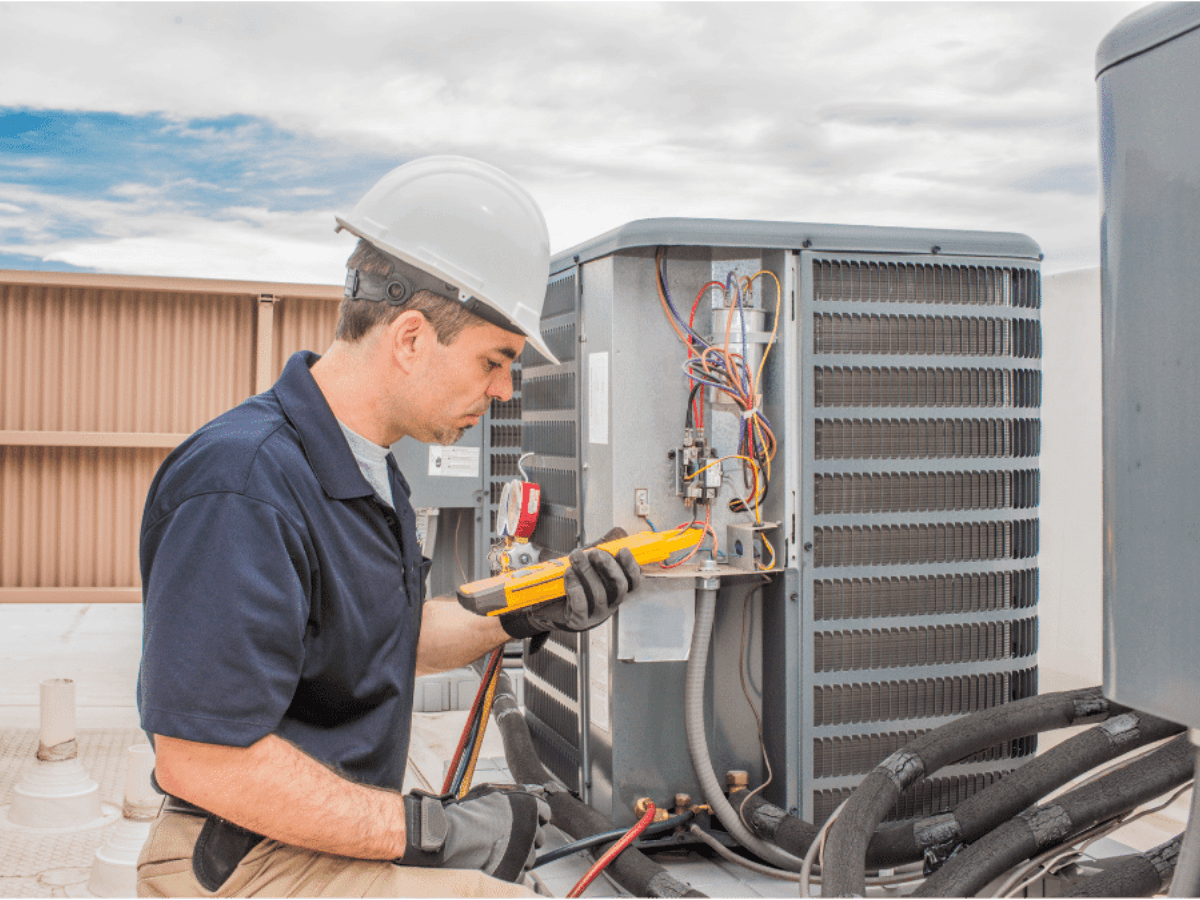
How often should I schedule HVAC maintenance before summer?
Most HVAC manufacturers and contractors recommend scheduling professional maintenance once a year, ideally in the spring before temperatures begin to climb.
An annual tune-up allows a technician to inspect key components, clean the system, verify refrigerant levels, and identify small issues before they become expensive repairs.
Making annual service part of your summer HVAC prep helps improve efficiency and reduces the risk of breakdowns during peak cooling season.
How often should I replace my HVAC air filter?
Most disposable air filters should be replaced every one to three months, but the ideal schedule depends on your home and lifestyle. Homes with pets, multiple occupants, smokers, or allergy sufferers often benefit from more frequent filter changes.
A clean filter improves airflow, helps maintain indoor air quality, and prevents your HVAC system from working harder than necessary. Checking your filter monthly during the summer is a simple habit that can improve performance and lower energy costs.
What is the best thermostat setting for summer?
A thermostat setting of around 78°F while you’re home is commonly recommended as a balance between comfort and energy efficiency. If you’re away during the day, raising the temperature by several degrees can reduce cooling costs without placing unnecessary strain on your system.
Installing a programmable or smart thermostat makes these adjustments automatic, helping you save energy without having to remember to change the settings manually.
What are the warning signs that my air conditioner needs professional service?
Catching problems early can prevent more serious and expensive repairs later. Contact an HVAC professional if you notice any of the following:
- Weak airflow from vents.
- Warm air instead of cool air.
- Frequent cycling on and off.
- Grinding, banging, or squealing noises.
- Water pooling around the indoor unit.
- Unusually high energy bills.
- Uneven temperatures between rooms.
- Excess humidity inside your home.
These symptoms may indicate anything from a clogged filter or dirty coils to refrigerant leaks or failing electrical components.
Can I perform summer HVAC prep myself?
Homeowners can safely handle several maintenance tasks that help keep an HVAC system running efficiently. These include replacing the air filter, clearing leaves and debris from around the outdoor condenser, checking that supply vents are unobstructed, and testing the thermostat before hot weather arrives.
However, tasks such as checking refrigerant levels, cleaning internal components, inspecting electrical connections, and testing system performance should be left to a licensed HVAC technician.
Combining routine homeowner maintenance with annual professional service provides the best protection against unexpected summer breakdowns.
Is professional HVAC maintenance worth the cost?
For most homeowners, yes. Preventive maintenance is typically far less expensive than emergency repairs or replacing damaged components after a system failure.
Regular service helps improve cooling efficiency, lowers energy consumption, extends equipment life, and reduces the chance of losing air conditioning during the hottest part of the summer.
As part of your annual summer HVAC prep, a professional inspection also provides peace of mind by confirming that your system is operating safely and efficiently before it faces months of heavy use.
Conclusion
Preparing your HVAC system before the summer heat arrives is one of the best ways to improve cooling performance, reduce energy costs, and minimize the risk of unexpected breakdowns.
Simple maintenance tasks, combined with professional inspections and tune-ups, can help keep your system operating efficiently while extending its lifespan. Taking a proactive approach now can help ensure your home stays cool and comfortable throughout the hottest months of the year.
For trusted HVAC maintenance and cooling solutions, choose CoolPro Heating & Cooling. If you’re ready to prepare your HVAC system for summer, call 770-694-6232 to speak with the team at CoolPro Heating & Cooling or submit a Service Request today.